North Carolina-based horticulturist and author Brie Arthur has shared four of her favorite plant selections tailored specifically for the unique growing conditions of the American Southeast. From the nectar-rich, spherical white blooms of the native-derived buttonbush to the creamy yellow, uniquely marked flowers of spotted bee balm, these choices offer regional gardeners a reliable way to boost both ornamental appeal and ecological functionality in their landscapes.
For gardeners seeking to fill seasonal gaps or introduce resilient, high-performing species to their yards, Arthur’s recommendations highlight plants that balance toughness with distinct visual character. These selections span shrubs, perennials, and unique annual performers capable of handling the region’s intense summer heat, variable moisture levels, and heavy clay or sandy soils.
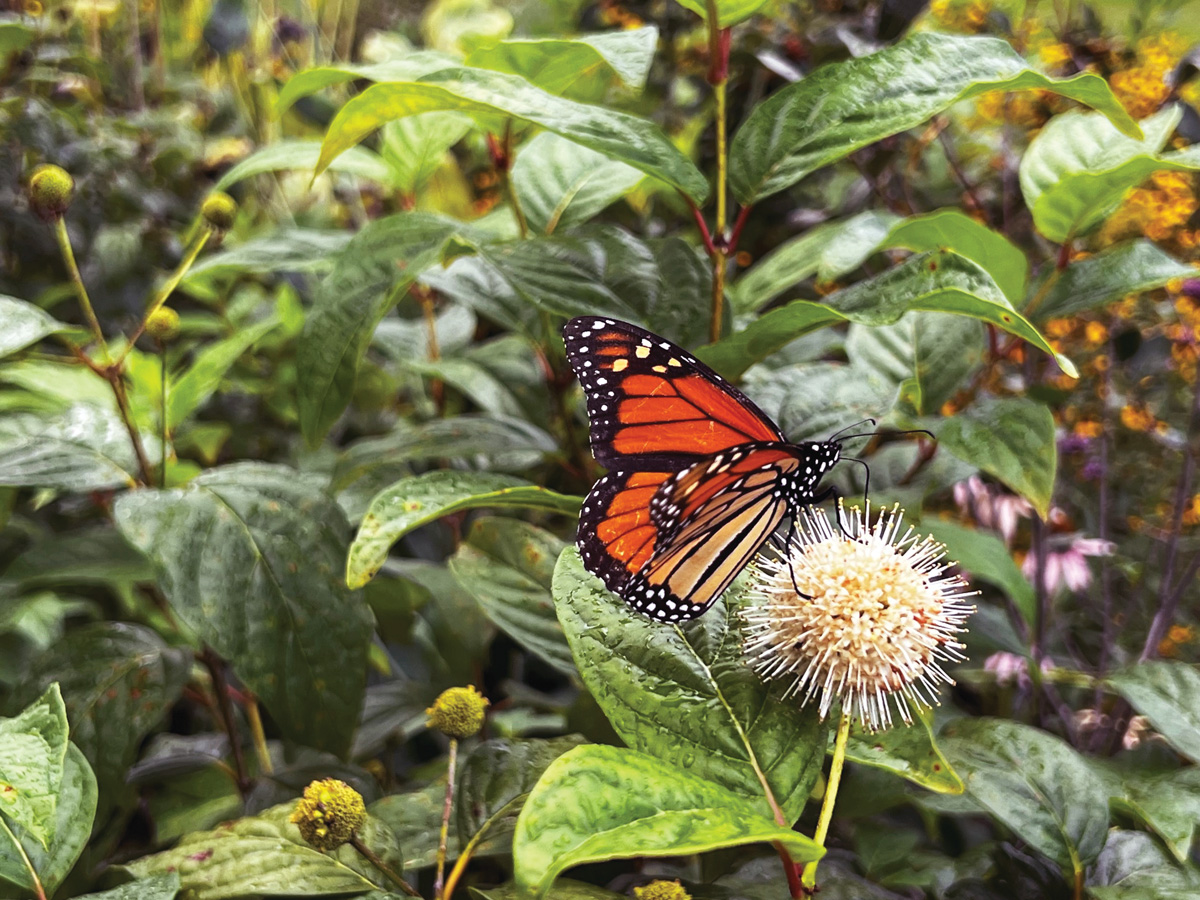
Fiber Optics® Buttonbush
Topping Arthur’s list of recommended plants is the Fiber Optics® buttonbush (Cephalanthus occidentalis), a compact selection of a native North American species that punches well above its weight class in terms of ecological value. Emerging in early to midsummer, the plant produces distinctive, spherical white blooms packed with nectar. These flowers serve as a powerful magnet for a diverse array of beneficial pollinators, making the shrub an ideal cornerstone for any wildlife-friendly landscape plan.
Beyond its floral appeal, the buttonbush maintains glossy green foliage that retains its attractive appearance throughout the entire growing season. Functionally, the shrub is exceptionally versatile when it comes to moisture management. It thrives naturally in consistently moist soil and readily adapts to the periodic flooding often experienced in rain gardens and low-lying landscape depressions, while still showing reliable tolerance for drier situations. Arthur notes that she particularly appreciates how the cultivar packs a massive amount of ecological benefit into a relatively small footprint without sacrificing the distinct ornamental character of the wild species.
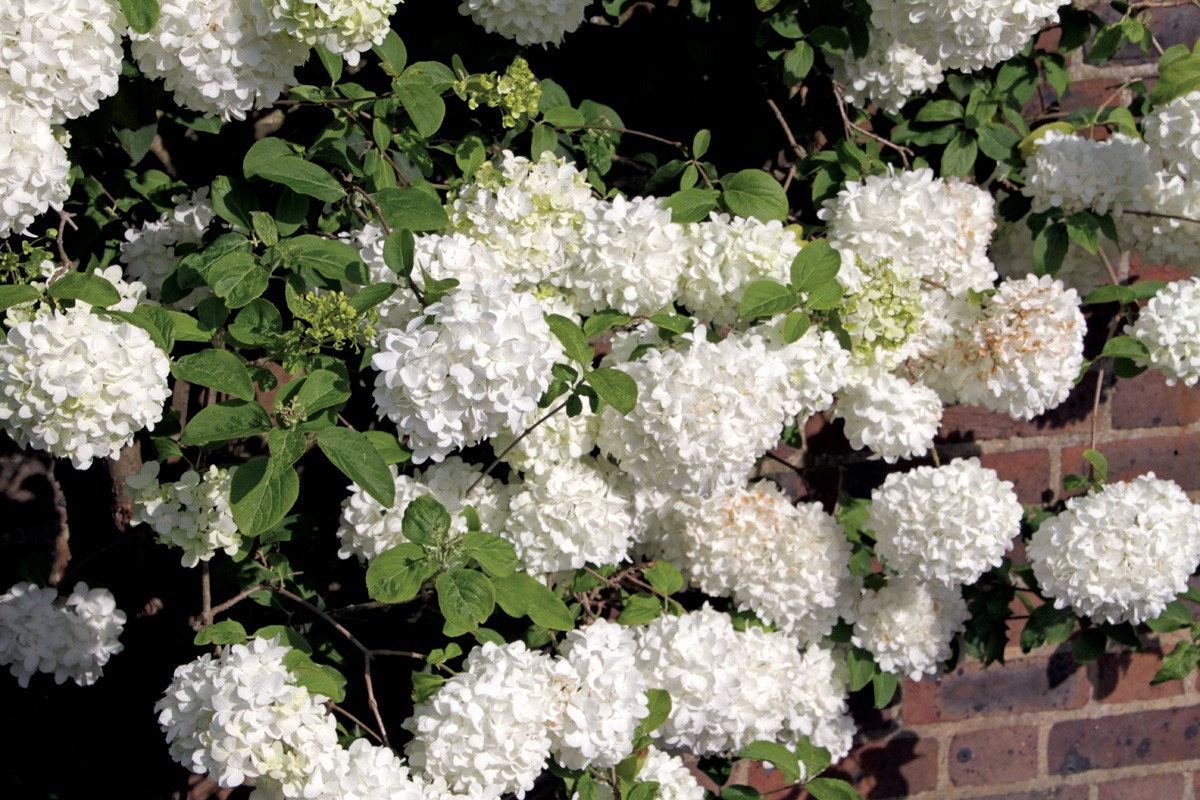
Chinese Snowball Viburnum
For gardeners looking for dramatic, high-impact spring color, the Chinese snowball viburnum (Viburnum macrocephalum ‘Sterile’) offers a commanding presence. Widely celebrated as one of the most striking spring-flowering shrubs available for the region, it produces enormous, globe-shaped flower clusters that can grow nearly as large as a softball.
Often mistaken by visitors for a hydrangea that has somehow decided to bloom as early as March, the shrub’s flowers begin their display in a vibrant apple green before gradually maturing into a luminous, pure white. This progression creates a stunning visual spectacle that frequently coincides with the peak of the spring season. Supported by bold foliage and gracefully arching branches that lend the plant a fountain-like architecture, the Chinese snowball viburnum performs best when sited in areas with more sun than shade. It requires adequate moisture and ample physical space to accommodate its naturally tall stature. According to horticultural care practices, a light round of pruning administered immediately after the blooms fade will successfully maintain the shrub’s shape without compromising the floral display for the following year.
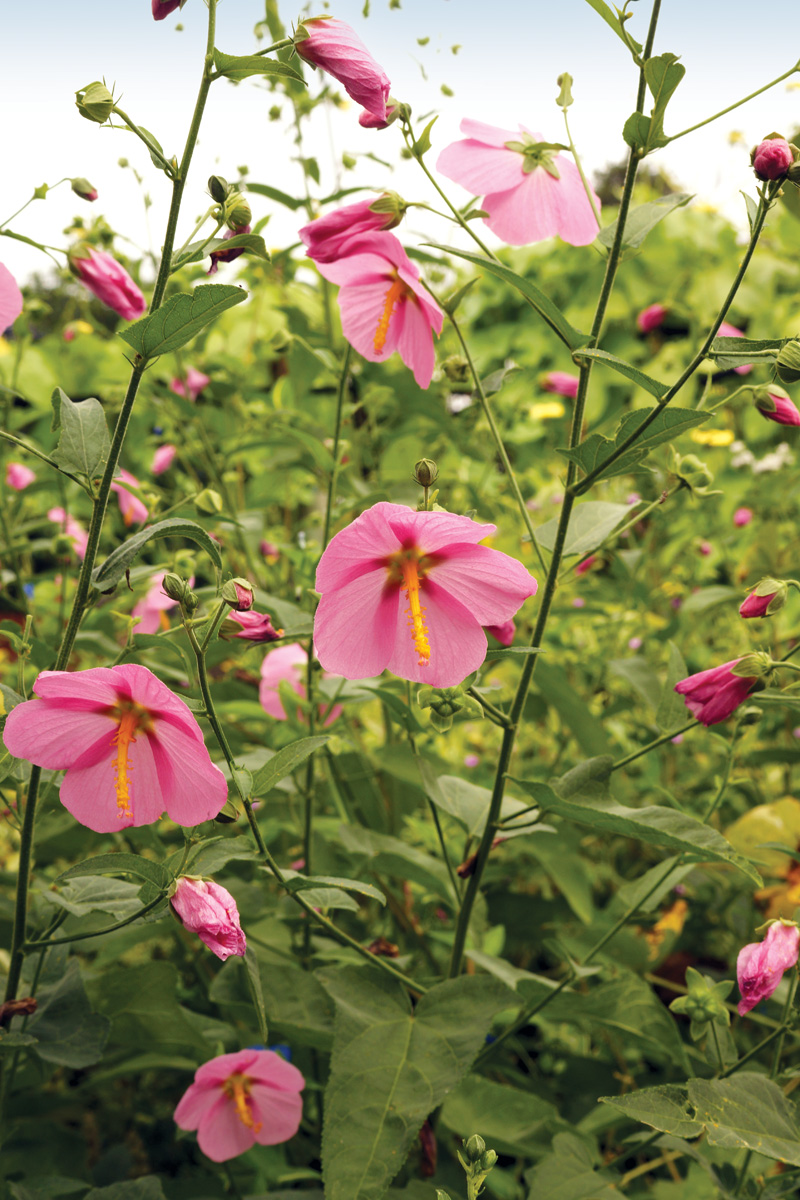
Seashore Mallow
Bringing both high ornamental value and remarkable environmental resilience, seashore mallow (Kosteletzkya virginica) stands out as a versatile choice for difficult growing zones. The plant produces soft pink, hibiscus-like flowers that open in continuous succession along upright stems from the heart of midsummer straight through into early fall, delivering reliable color during the most punishingly hot weeks of the growing season.
The species is uniquely equipped to handle environmental stressors such as wet soil and persistent salt spray, making it a valuable asset for rain gardens, naturalistic garden designs, and challenging coastal environments where many traditional ornamentals struggle. These resilient plants develop airy, elegant clumps that sway gracefully in the summer breeze while still offering substantial structural presence within perennial borders. For gardeners interested in color variations, the white-flowered cultivar known as ‘Immaculate’ offers an equally robust alternative that is well worth hunting down for a specialized plant collection.
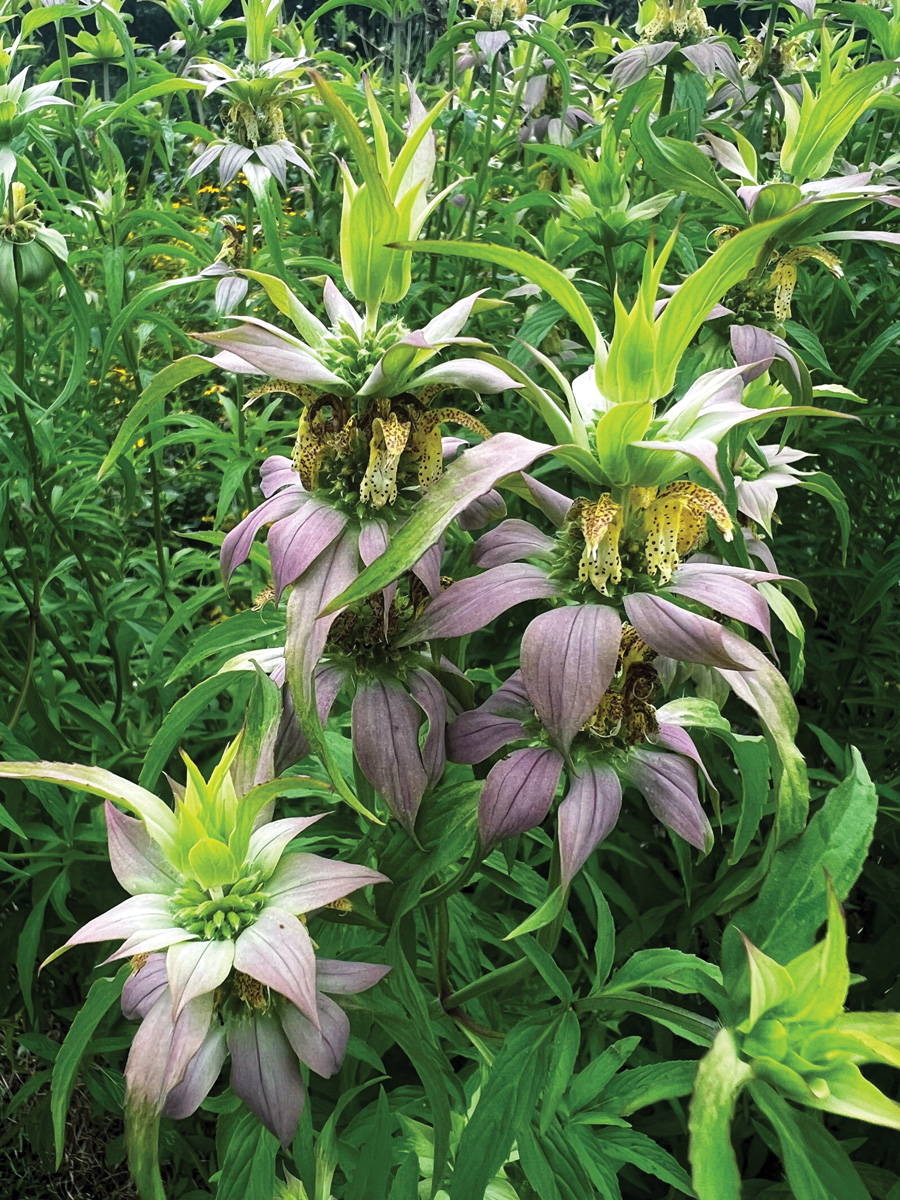
Spotted Bee Balm
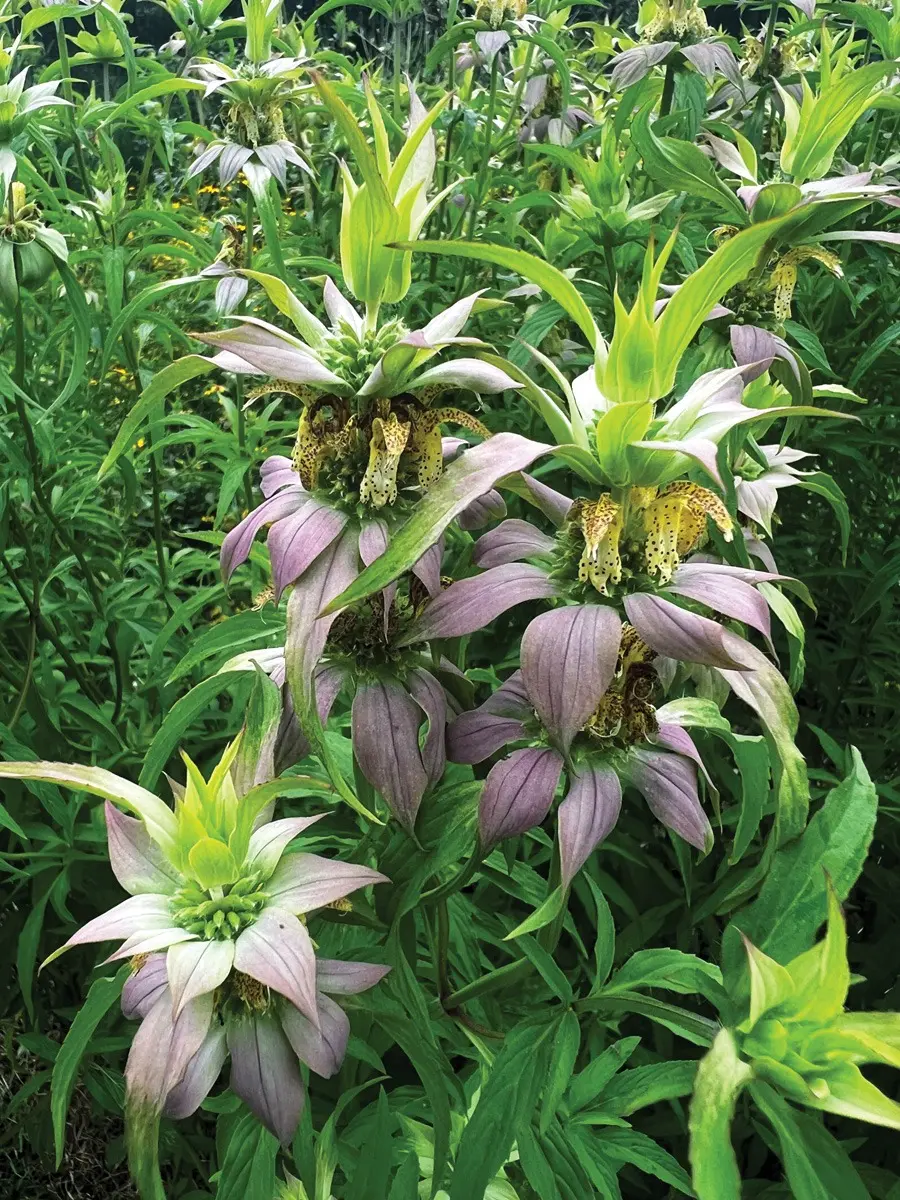
Rounding out the selection is spotted bee balm (Monarda punctata), a native perennial that is easily identified by its distinctive stacked tiers of creamy yellow flowers punctuated by purple spots and framed by showy, colorful lavender-pink bracts. Blooming from mid- to late summer, the plant functions as an exceptional nectar source for native bees, butterflies, and a wide variety of beneficial wasps.
Unlike many of its cousins within the Monarda genus, spotted bee balm prefers dry, lean soil and actually performs significantly better when left unfertilized and given minimal irrigation. Its aromatic foliage contains high levels of thymol, a natural chemical compound that provides the plant with built-in resistance to both deer browsing and common garden issues like powdery mildew. In warmer growing regions like USDA Hardiness Zone 8, spotted bee balm frequently behaves more as a self-seeding annual than a long-lived traditional perennial. However, gardeners can easily lift and transplant the abundant seedlings each spring, relocating them to areas of the landscape that require a fresh injection of long-lasting summer interest.