The intersection of celebrity, commerce, and the complex psychological machinery of the art world has long provided fertile ground for satire, critique, and scandal. In a recent theatrical production making waves in New York City, the commercial excesses and myth-making mechanisms of contemporary art receive a sharp, albeit absurd, theatrical unpacking. Meanwhile, institutional galleries, high-stakes legal battles involving prominent museum board members, and ongoing debates surrounding cultural solidarity continue to shape the broader discourse of the international art community.
The Titillating Tale of Damien Hirst’s Imagined World
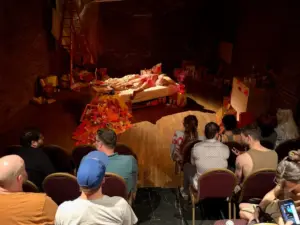
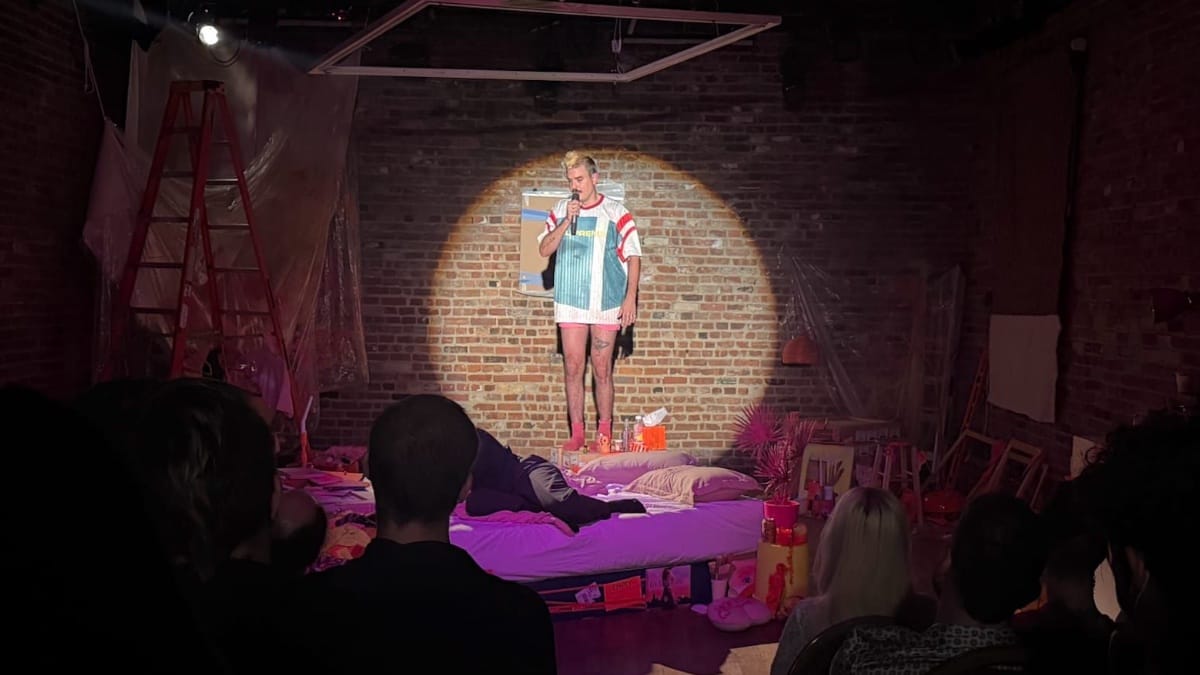
At the Brick Theater, a new play titled The Wreck of the Unbelievable has captured the attention of critics with its wildly eccentric and parodic premise. Written and performed by the artist known as Sleth, the production imagines a secret romance between contemporary art titan Damien Hirst and a much younger, fictional artist who makes a living painting holes.
The narrative unfolds in the wake of Hirst’s imagined death, wherein a curator presses the younger artist—conveniently named Shape and played with deadpan commitment by Sleth—for intimate details of their alleged affair. The play opens with Shape sprawled out, backside up, on a disheveled mattress that immediately evokes Tracey Emin’s seminal 1998 installation, My Bed.
While the production openly acknowledges that Damien Hirst is, to the best of public knowledge, very much alive and heterosexual, the fantasy serves as a clever narrative wormhole. It dives straight into the psychological underpinnings of infatuation, the heavy toll of creative ambition, and the relentless desire to achieve fame and fortune within a market-driven industry. Reviewing the production for Hyperallergic, Editor-at-Large Hrag Vartanian noted that the play presents a "more shadowy version" of traditional romantic tropes, remaining "true to the sadness of longing for something that never quite arrives but feeds our desire at the same time."

Critical Perspectives on Power and Surveillance
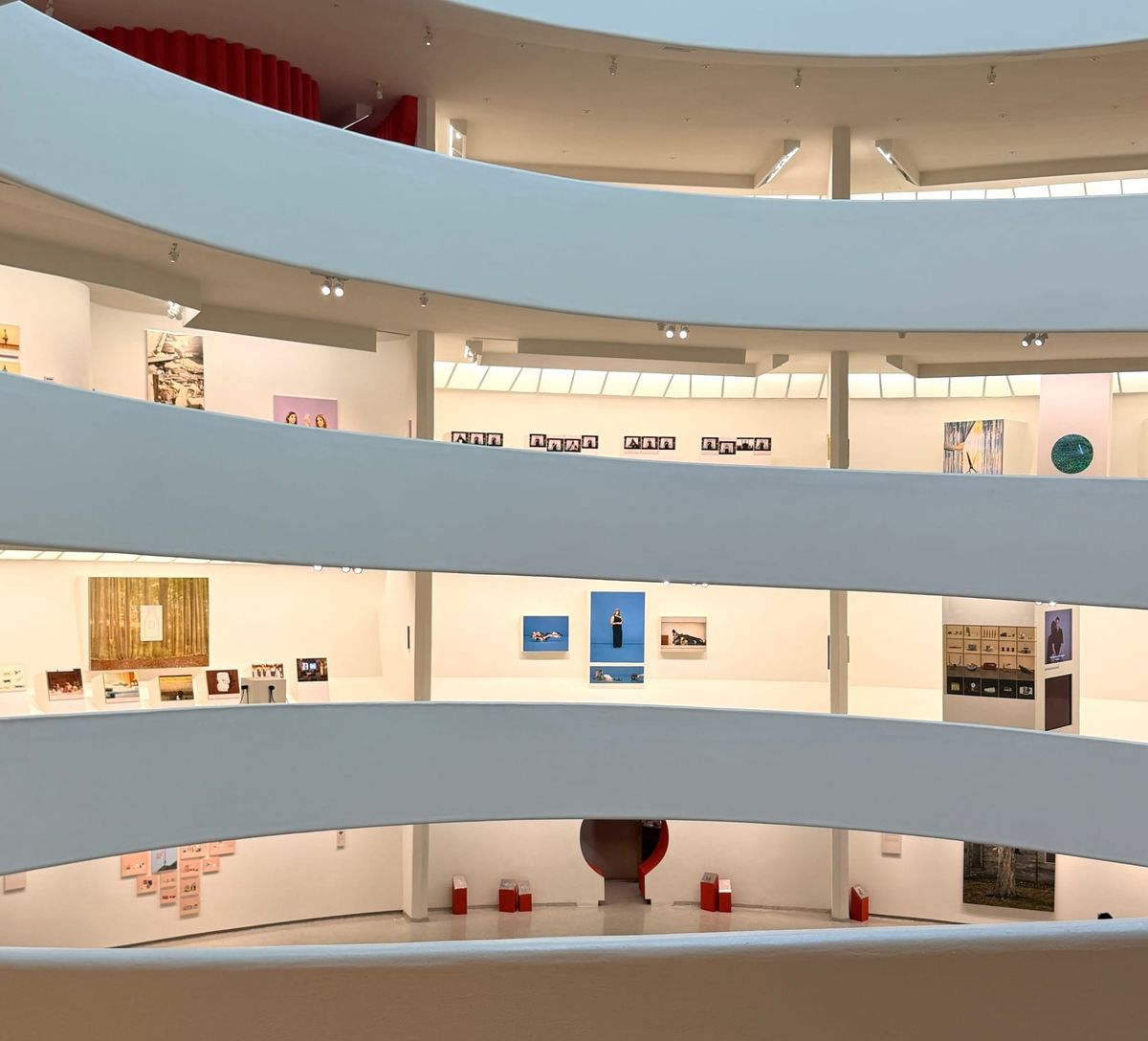
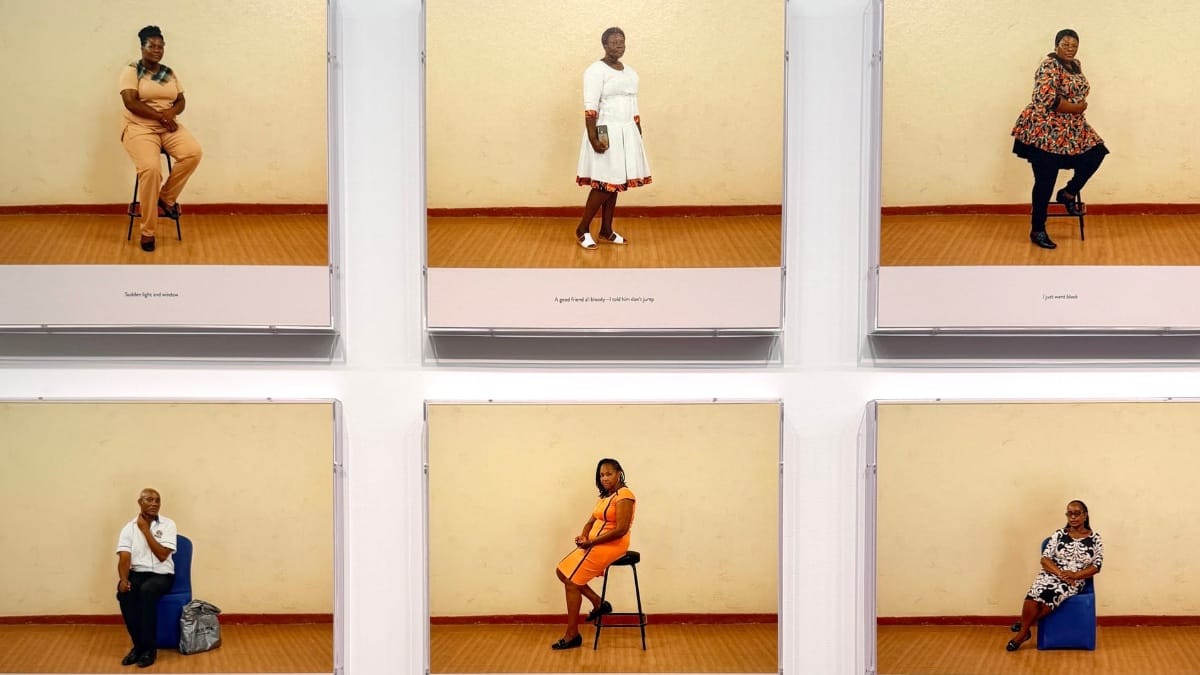
Beyond the theater, New York’s major cultural institutions continue to host provocative exhibitions that examine contemporary anxieties. At the Solomon R. Guggenheim Museum, artist Taryn Simon has unveiled an ambitious exhibition that traces the real-life trajectory of an unnamed federal agent. Known for her meticulous research-based art, Simon’s latest project immerses viewers in the machinery of bureaucracy, surveillance, and state power.
Reviewing the Guggenheim presentation, critic Aruna D’Souza observed that the immersive narrative leaves the audience with an overarching "sense of helplessness." By mapping out the bureaucratic corridors and invisible mechanisms that govern individual lives, Simon’s exhibition forces viewers to confront the structural forces that operate largely out of sight, raising urgent questions about accountability and modern governance.
In literary circles, critic Noah Fischer has turned his attention to the graphic novel medium, exploring Dana Mashoian Walrath’s latest work, The Book of Genocides. The book tackles massive historical trauma through the intimate, accessible format of graphic storytelling, adding to an ongoing conversation about how visual and literary arts can document and process collective memory.
Corporate Accountability and Museum Real Estate
As artists and critics grapple with systemic power dynamics within gallery walls, similar questions are playing out in the political and financial spheres concerning figures deeply embedded in the museum ecosystem.
In Washington, Congress has moved forward with votes to hold billionaire and Museum of Modern Art (MoMA) board member Leon Black in contempt amidst an ongoing congressional investigation tied to Jeffrey Epstein. The high-profile scrutiny surrounding Black has placed renewed pressure on cultural institutions regarding governance, philanthropy, and the ethical implications of board affiliations. Compounding these controversies, a newly published book examining the disgraced financier’s career reveals previously undisclosed plans regarding his real estate holdings, including blueprints for a private museum designed to house his extensive art collection within an iconic Manhattan property.
Cultural Politics and Solidarity on Tour
The friction between cultural production and geopolitical solidarity remains a potent force globally, occasionally spilling over into mainstream entertainment. A recent controversy surrounding musician Ed Sheeran highlighted the complex intersections of identity, history, and political alignment in the music industry.
Although Sheeran was born and raised in England, he has frequently described himself as "culturally Irish" due to his father’s Belfast roots. This biographical detail became a focal point of discussion after several Irish bands and artists pulled out of his tour in protest. Commentators like Stephanie Fallon noted that this fallout underscores a deep, historically rooted connection between Irish artists and the Palestinian solidarity movement, drawing parallels from their own historical experiences of oppression under English rule. The incident serves as another reminder that artists and performers are increasingly expected to navigate the political dimensions of their platforms and associations.
Archival Legacies and Upcoming Fellowships
Looking toward the preservation of art history and literary heritage, major research institutions continue to invest in scholarship. The Harry Ransom Center at the University of Texas at Austin has announced its fellowship program for the 2027–2028 academic year. The institution plans to award up to 50 funded fellowships to support on-site archival research projects across diverse disciplines within its renowned humanities research library and museum. Applications for the residential fellowships remain open, providing vital support for scholars diving deep into historical materials.
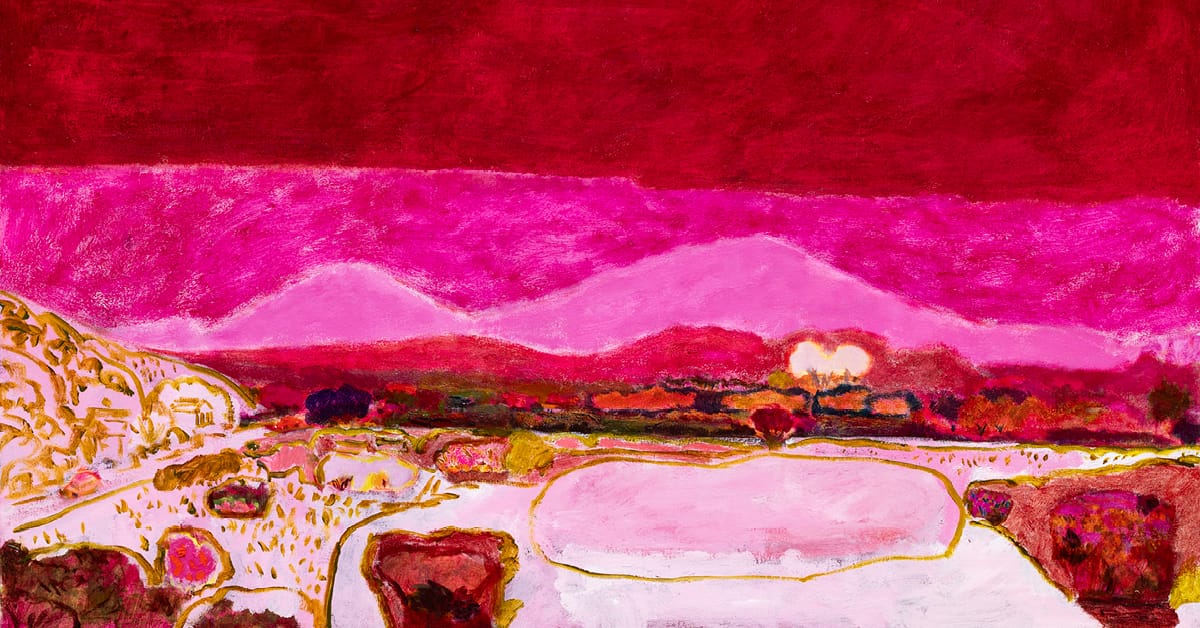
Back in New York, community and institutional programming continues at a brisk pace. Members of the local arts community recently gathered for studio visits at the International Studio & Curatorial Program (ISCP), highlighting the work of resident artists such as Alicia Grullón, Zoë Pulley, Erick Hernandez, and Kara Springer. Simultaneously, galleries across the city are rolling out their autumn schedules, featuring exhibitions such as Lisa Sanditz’s Missing Mountain at Alexandre Gallery, ensuring that the city’s seasonal artistic calendar remains as vibrant and multifaceted as ever.