For homeowners, gardeners, and builders alike, choosing the right timber is a critical decision that extends far beyond initial aesthetics. The choice of wood dictates the lifespan of an outdoor structure, dictates maintenance requirements, and impacts environmental sustainability. Over the past two decades, however, the North American lumber market has witnessed a quiet transformation. Imported wood products originating from Asia have steadily entered the domestic supply chain, frequently marketed under familiar monikers such as "China Fir," "Chinese Cedar," or simply generalized as "cedar."
While these imported materials often bear a superficial resemblance to authentic North American cedars upon first glance, they possess entirely different botanical origins, physical properties, and long-term outdoor performance metrics. This reality has cultivated widespread confusion among buyers who assume they are purchasing genuine, weather-resistant cedar, only to discover later that the material behaves quite differently when exposed to the elements.
Understanding the Origins: What Is Chinese Fir?
At the center of this market shift is Chinese Fir, scientifically classified as Cunninghamia lanceolata. Native to China and various regions of Southeast Asia, this fast-growing softwood species found its way into significant export volumes targeting North America beginning around the mid-2000s. Seeking to make the unfamiliar timber more attractive to a consumer base already well-acquainted with the storied reputation of native cedars, international suppliers and local distributors began adopting alternative marketing names.
Terms like "China Fir," "Chinese Cedar," and unadorned labels reading simply "Cedar" became commonplace in big-box retail environments and specialty catalogs. This naming convention inadvertently established a persistent misconception that Chinese Fir shares a biological and performance-based kinship with Western Red Cedar (Thuja plicata). In reality, the two species belong to completely different botanical families and exhibit vastly divergent physical characteristics, particularly regarding durability and moisture tolerance.
The Evolution of Import Labeling Practices
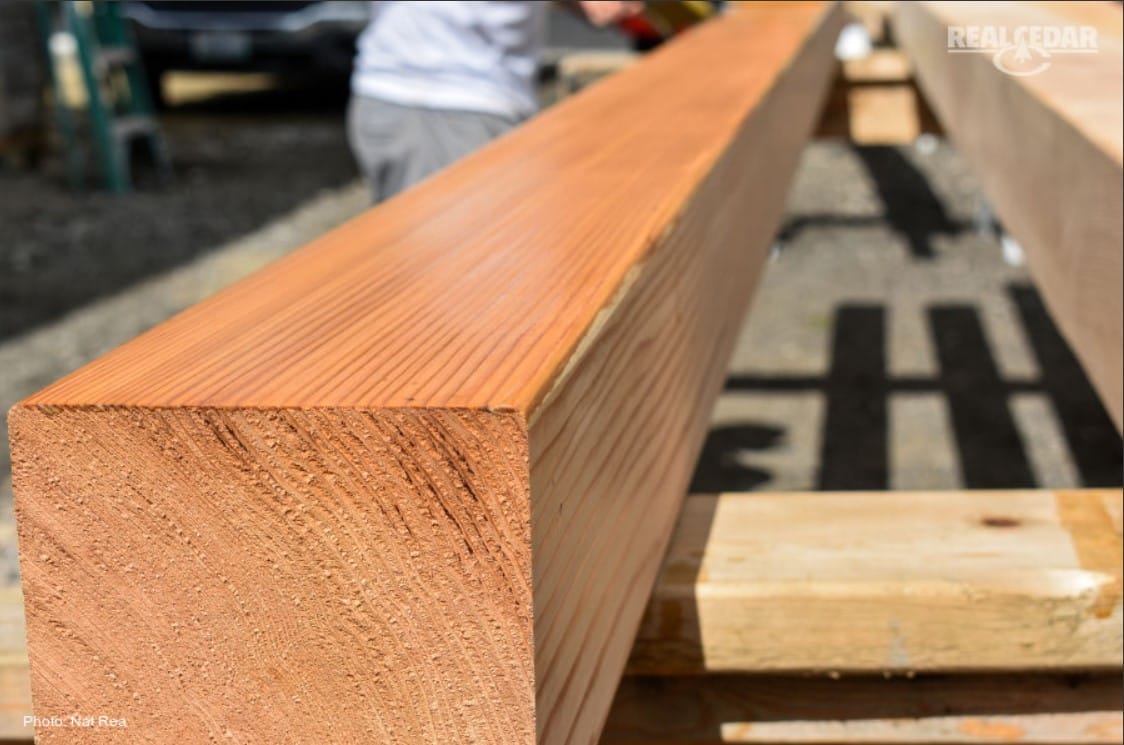
The influx of non-native softwoods into North America has evolved through distinct phases over the past twenty years, progressively blurring the lines of transparency for retail and commercial buyers. Between 2005 and 2015, bulk shipments of China Fir began making notable inroads into the domestic market. While initial marketing materials typically identified the timber specifically as China Fir, the passage of time saw manufacturers and resellers increasingly lean toward the broader designation of "Chinese Cedar" to capitalize on the trusted pedigree of North American wood.
By 2020 and into the present decade, this labeling trend shifted yet again. Many imported products began dropping geographic identifiers entirely, appearing on showroom floors and online marketplaces labeled simply as "cedar." In numerous instances, these goods arrive with no specified plant species, no indicated country of origin, and a total absence of standardized wood identification markings.
For the average consumer or contractor navigating a purchase, this lack of explicit transparency makes it exceedingly difficult to perform an accurate cost-benefit analysis. Buyers frequently assume they have secured a bargain-priced equivalent to traditional cedar, unaware that the material’s structural integrity and resistance to environmental decay may necessitate significantly higher maintenance or result in a much shorter operational lifespan.
Side-by-Side Performance Realities
To understand why labeling precision matters so intensely in the construction and gardening sectors, industry experts point to the fundamental differences in how these materials react to real-world environments. A factual comparison of the two species highlights why substitution can lead to unintended consequences for outdoor projects.
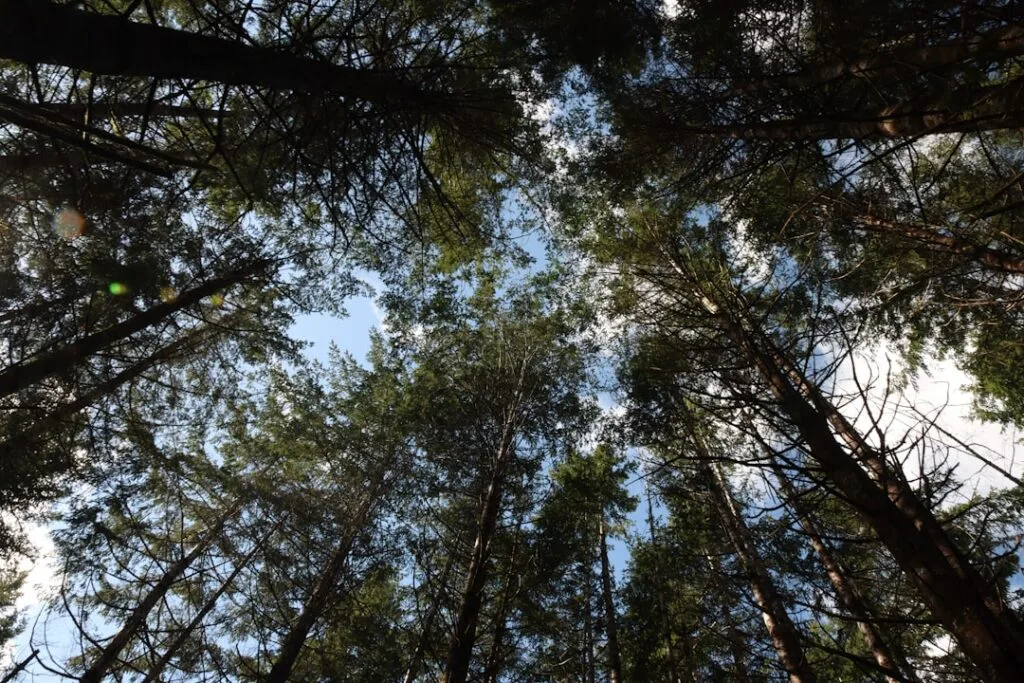
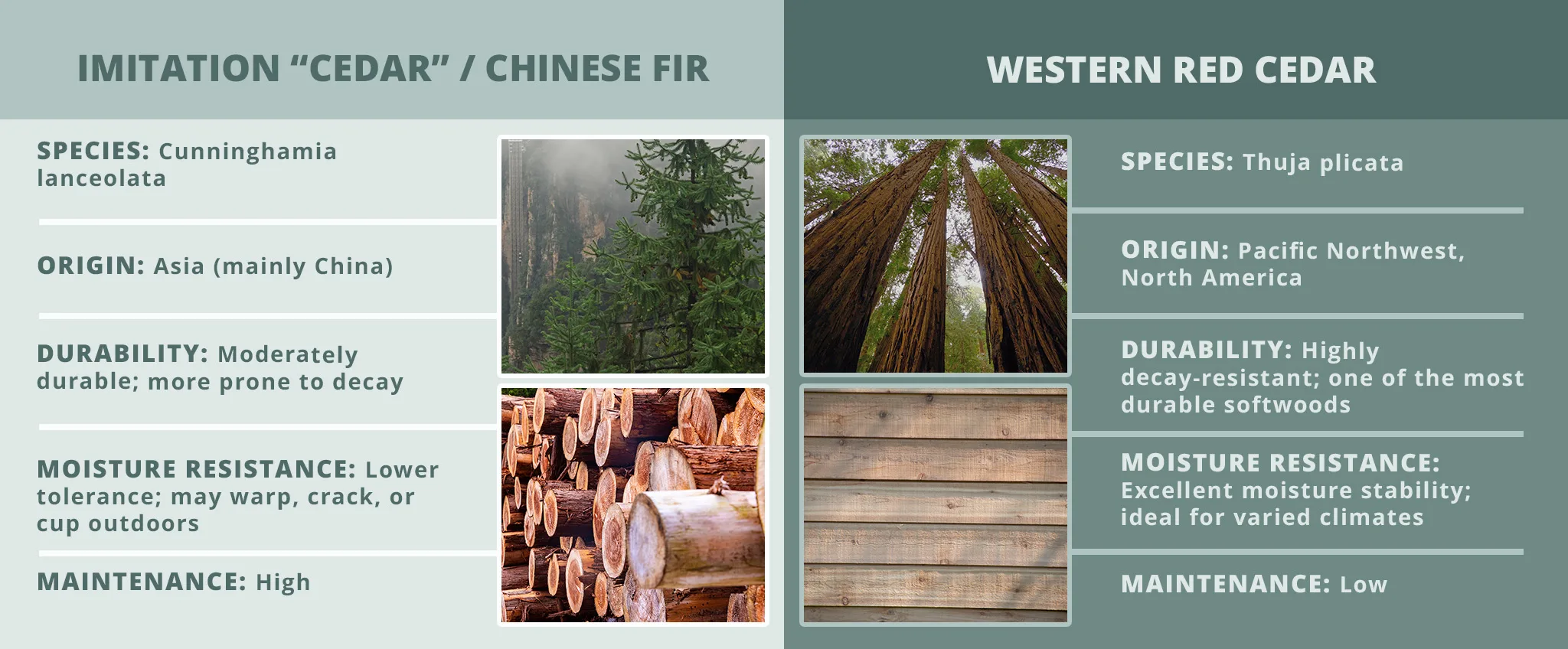
Botanically, Chinese Fir (Cunninghamia lanceolata) originates from Asia and typically presents a pale white to light yellow coloration with a noticeably rougher grain structure. Conversely, Western Red Cedar (Thuja plicata) hails from the Pacific Northwest of North America and is celebrated for its warm reddish-brown hues and fine, straight grain.
When it comes to durability, the divergence is stark. Western Red Cedar is widely recognized as one of the most decay-resistant softwoods available, a trait rooted in the natural oils embedded within its cellular matrix. These same oils provide inherent protection against wood-boring insects. Chinese Fir, by contrast, is categorized as only moderately durable and demonstrates a significantly higher vulnerability to fungal decay and pest activity over time.
Moisture resistance further separates the two materials. Western Red Cedar exhibits exceptional dimensional stability in fluctuating weather conditions, resisting the warping, cracking, and cupping that typically plague exterior timber exposed to rain, snow, and intense sun. Chinese Fir possesses a much lower tolerance for severe moisture fluctuations, making it prone to dimensional distortion when subjected to outdoor climates without intensive chemical treatments or frequent sealant applications.
Consequently, maintenance expectations vary wildly. Western Red Cedar structures can endure for decades with minimal intervention, gracefully weathering to a silvery patina if left untreated. Chinese Fir utilized in outdoor settings demands diligent, frequent sealing and staining regimens to stave off premature degradation. While Western Red Cedar is routinely specified for demanding structural applications like siding, decking, pergolas, sheds, and raised garden beds, Chinese Fir is generally better suited for interior finishing work or protected, low-exposure environments.

The Broader Implications for Industry Standards
The practice of marketing imported softwoods under ambiguous names raises fundamental questions regarding consumer protection and supply chain transparency. When timber products are retailed without clear species disclosures, purchasers are effectively stripped of their ability to make informed decisions based on lifecycle performance.
This information gap becomes particularly acute when longevity is the primary project goal. A homeowner building an outdoor pergola or a series of raised garden beds anticipates a multi-decade investment. If the underlying lumber fails prematurely due to moisture infiltration or decay, the cost savings realized at the point of purchase are quickly eclipsed by the labor and expense of early replacement or intensive repair.
Furthermore, forestry management and sustainability credentials differ significantly between the two materials. Western Red Cedar harvested within North America typically originates from rigorously managed, certified, and traceable forests operating under strict regional environmental regulations. For imported softwoods, sustainability practices can vary drastically depending on the specific exporter, requiring buyers to independently verify the origin and harvesting ethics of the timber.
Moving Forward with Informed Choices
Industry observers emphasize that neither material is inherently defective; rather, problems arise when wood is misapplied due to a lack of accurate labeling. Chinese Fir remains a viable, cost-effective resource for indoor furniture, decorative elements, and sheltered structures where exposure to humidity and precipitation is strictly controlled.
The challenge lies in preventing consumer confusion. By advocating for transparent labeling standards that clearly state botanical species and geographic origins, builders and suppliers can ensure that purchasers understand precisely what they are acquiring. For those undertaking long-term outdoor projects where natural resistance to decay and minimal maintenance are paramount, Western Red Cedar continues to stand apart as a proven, reliable choice within the North American landscape.