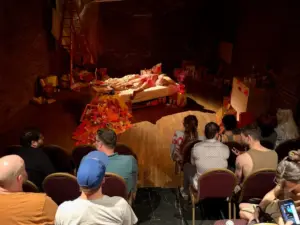
The boundaries separating contemporary art, high-end horology, innovative architecture, and cultural dialogue continue to blur as notable creators and design institutions unveil groundbreaking projects across the globe. From miniature interpretations of monumental sculptures to architectural realizations of pop culture icons and immersive events in the historic quarters of Paris, the creative industries are actively redefining how people interact with everyday objects and spaces. Recent announcements highlight this dynamic intersection of design disciplines, showcasing how iconic forms are being scaled, adapted, and re-contextualized to shape modern modes of living and aesthetic appreciation.
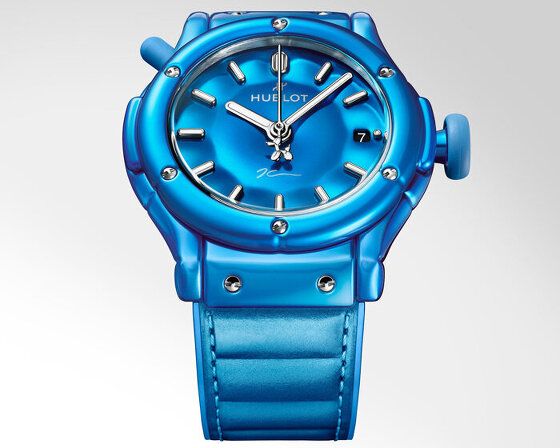
Among the most prominent recent developments is a collaborative horological piece that bridges the worlds of contemporary fine art and luxury watchmaking. Jeff Koons, renowned globally for his playful, larger-than-life sculptures that challenge traditional perceptions of scale and material, has once again turned his artistic vision toward a new medium. Known for transforming mundane objects into monumental reflective surfaces, the American artist has adapted his iconic balloon dog motif—a symbol of celebratory innocence and monumental presence—into a sophisticated, wearable format.
Working in collaboration with Swiss watchmaker Hublot, Koons has taken the Classic Fusion model and re-imagined its aesthetic vocabulary to incorporate the familiar contours of his famous balloon sculpture. The resulting timepiece condenses a monumental physical presence into a precise, 42-millimeter object designed specifically for the wrist. This transition from public plazas, galleries, and auction houses to personal accessories highlights a growing trend among contemporary artists who seek to make their signature motifs accessible in intimate, everyday ways. By integrating the playful, reflective surfaces characteristic of Koons’ work into the intricate mechanics of a luxury watch, the collaboration offers collectors and enthusiasts a novel method of experiencing high-end art outside of traditional museum settings. The piece serves as a testament to the ongoing dialogue between mechanical engineering and contemporary sculpture, proving that iconic visual forms can successfully traverse vastly different scales without losing their distinct artistic identity.
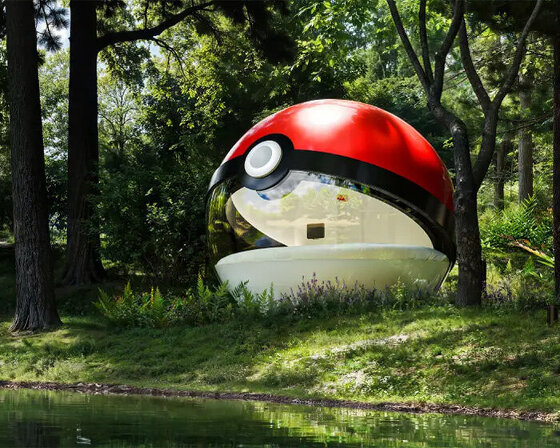
While fine art finds its way onto the wrist, the realm of architecture and hospitality is similarly exploring unexpected transformations of familiar cultural symbols. In Japan, the architectural and development initiative NOT A HOTEL has captured widespread attention by scaling up one of the most recognizable icons of modern pop culture—the Poké Ball—and turning it into a fully inhabitable hotel structure. This ambitious project successfully bridges the gap between fictional universes and the physical built environment, introducing a playful yet highly sophisticated approach to hospitality design.
Rather than remaining a mere novelty, the initiative translates the spherical, dual-colored geometry of the famous gaming and anime icon into a functional architecture designed around rest and isolation. The project brings the fantastical world of Pokémon directly into the real world through a compact, human-sized sleeping pod and retreat space. This architectural endeavor reflects a broader shift in contemporary Japanese hospitality, where developers increasingly look to immersive, narrative-driven design to create memorable experiences for travelers and design aficionados alike. By reimagining a universally recognized spherical object as a habitable sanctuary, the creators challenge conventional architectural typologies and demonstrate how pop culture iconography can inform innovative spatial design and human habitation.
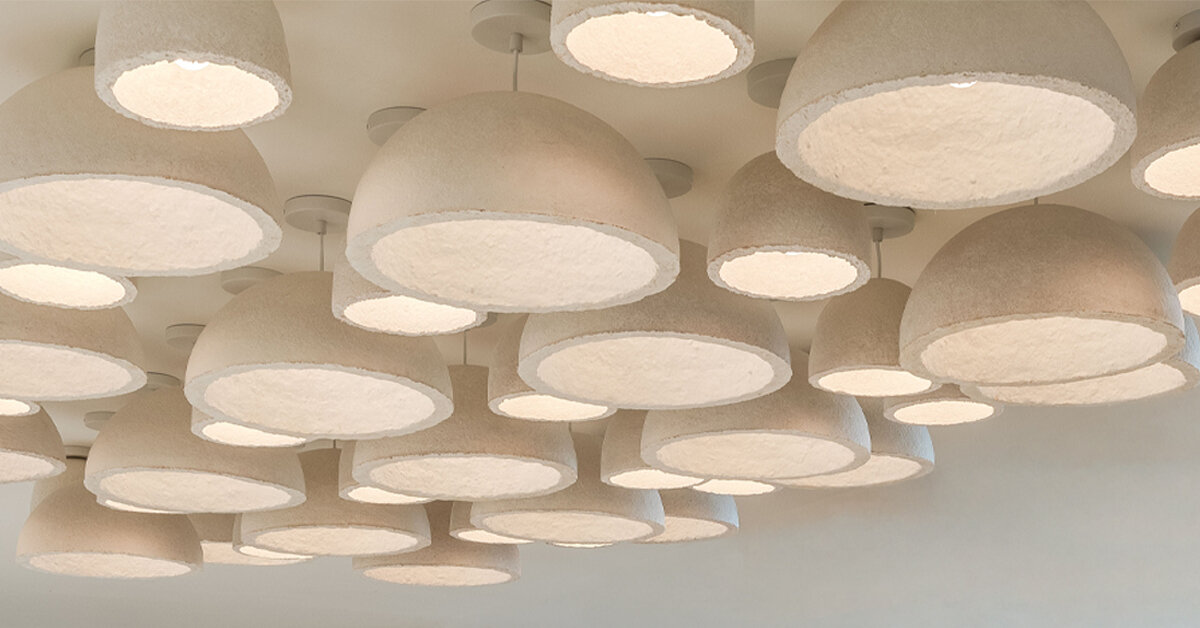
Beyond individual design products and architectural anomalies, the cultural dialogue surrounding contemporary design recently took center stage in the French capital. The Marais district in Paris served as the vibrant backdrop for the inaugural stop of a new traveling series presented by designboom, marking a significant moment for international creative exchange. Bringing together a diverse community of designers, architects, industry collaborators, and creative minds, the multi-day event transformed the historic neighborhood into an active hub of conversations, gatherings, and hands-on making.
The initiative was designed to foster direct engagement among creative professionals, providing a collaborative platform to discuss the evolving challenges and opportunities within contemporary architecture and design. Through a series of panel talks, interactive workshops, and social gatherings, participants explored the intersections of craft, material innovation, and urban culture. By anchoring the event in the historic Marais district—an area renowned for its rich architectural heritage alongside its thriving contemporary art and design scene—the organizers created a fitting environment for bridging historical context with forward-thinking design discourse. The success of this first stop in Paris underscores the vital importance of physical gatherings and collaborative making in an increasingly digital world, setting a high standard for the subsequent stops in the traveling series.
These diverse creative endeavors—from wearable art pieces and imaginative architectural retreats to collaborative community gatherings—ultimately tie back to a fundamental inquiry regarding how humans interact with their surroundings. Recent explorations into the modes of habitation consistently reveal that the spaces, objects, and environments people inhabit are far from passive backdrops; rather, they function as active participants in everyday life. Whether it is a monumental sculpture reduced to the scale of a wristwatch, a gaming icon transformed into a human-sized sleeping pod, or historic urban neighborhoods activated by dynamic design conversations, these developments shape the ways individuals move, work, rest, and meet others. As artists, architects, and designers continue to push the limits of scale, materiality, and function, the built and lived environment remains a constantly evolving canvas that reflects contemporary culture’s deepest aspirations and most playful imaginations.