Data from the second quarter of 2026 reveals a distinct recalibration in the global art market. As collectors navigate a landscape characterized by heightened competition and significant price escalations at major auction houses, a clear trend has emerged: a flight toward tangible, material-focused works and a renewed intellectual curiosity regarding the intersection of digital history and physical craft. With secondary market sell-through rates for mid-career blue-chip touchstones currently holding at an impressive 89%, the auction room remains a high-stakes environment. However, this competitive pressure is increasingly driving savvy collectors and institutional buyers to shift their focus toward primary gallery inventory.
By engaging directly with the galleries within MutualArt’s partner network, collectors are finding an effective way to bypass the volatile premiums and aggressive bidding wars that define today’s secondary market. This pivot not only allows for a more considered acquisition process but also provides a vital opportunity to support the work of pioneering masters and rising mid-career talents at more sustainable price points. As the market experiences this structural evolution, the primary gallery sector stands as a bastion of accessibility and long-term value, offering a direct path to acquiring significant works with verified provenance.
Tactile Sculpture: The Enduring Appeal of El Anatsui
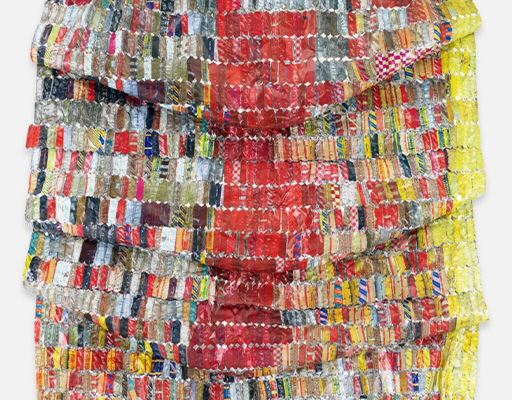
The market for tactile sculpture remains one of the most robust sectors of the contemporary art world, led by the Ghanaian master El Anatsui. His signature wall draperies, intricate tapestries fashioned from repurposed aluminum bottle caps, continue to command significant attention. Auction data for the second quarter of 2026 shows that sell-through rates for Anatsui’s works remain at a remarkable 91%. His influence is not merely aesthetic; it is economic. Year-over-year yields for these monumental installations have climbed by 14%, with international day sales frequently establishing high-water marks near the $1.8 million threshold.
While the secondary market for Anatsui’s most expansive works sees valuations stretching from $20,000 to as much as $2,000,000, the primary market offers a different narrative. Through established partnerships with galleries such as Goodman Gallery, Weng Contemporary, and Efie Gallery, collectors can access a wider array of the artist’s output. These galleries often provide entry points into the artist’s broader practice, including his works on paper, wooden reliefs, and smaller-scale aluminum installations. These primary offerings—typically ranging between $45,000 and $180,000—represent a strategic opportunity to acquire works that benefit from the same blue-chip historical backing as the auction-bound pieces, but without the extreme markups dictated by competitive bidding.
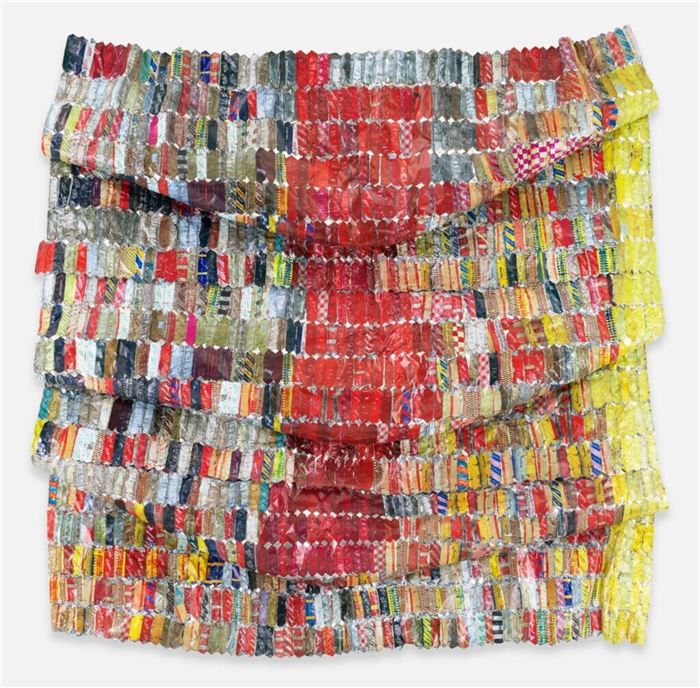
For the serious collector, acquiring these works through primary representation ensures an ironclad provenance. It also provides the space to appreciate the intricate material evolution of an artist whose institutional footprint is, by any measure, unparalleled. By focusing on primary inventory, collectors are not just purchasing a high-value asset; they are participating in the ongoing dialogue of an artist who has fundamentally redefined the possibilities of sculptural form.
Post-Digital Algorithmic Abstraction: From Pioneers to Contemporary Practitioners
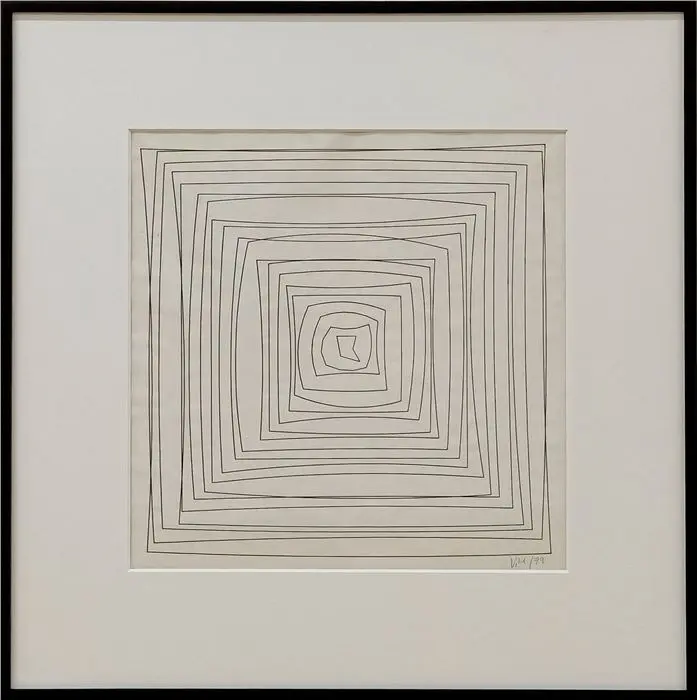
The rapid ascent of computer-generated art and algorithmic plotter drawings is one of the most compelling stories of the 2026 art market. In the first quarter of the year alone, sales volume in this sector surged by 28%, signaling a fundamental market re-evaluation of post-digital history. Vintage plotter works from the 1970s—the era when the pioneers of computer art first began to translate code into aesthetic output—are consistently outperforming presale estimates by roughly 35%.

Central to this movement is the legacy of the late Hungarian-French artist Vera Molnár. Her market presence reflects the broader industry momentum, with prices for her work spanning from $3,000 for accessible, editioned prints to $24,000 for historically significant, unique plotter drawings. Her work serves as the bedrock upon which much of contemporary algorithmic art is built.
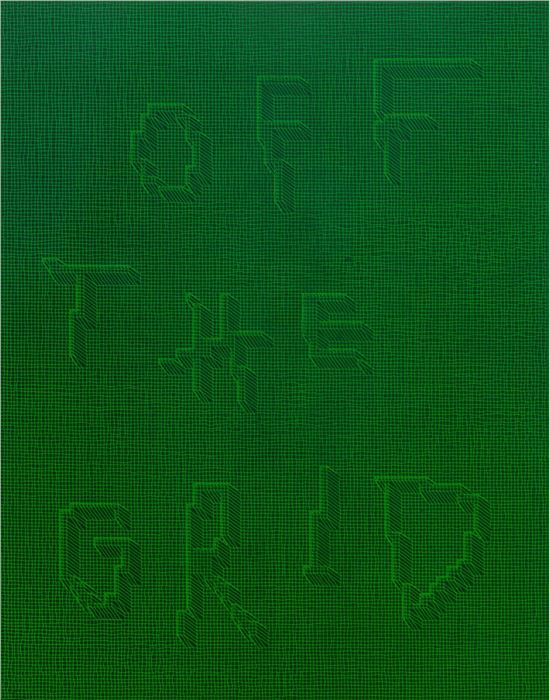
To navigate this surge, DAM Projects has emerged as a crucial bridge for collectors. The gallery masterfully pairs the historical gravitas of Molnár with the contemporary energy of German artist Arno Beck. Beck’s work is particularly resonant in the current climate, as he bridges the gap between pioneer computer aesthetics and the labor-intensive reality of handcraft. By employing manual typewriters, laser engraving, and rigid digital grid structures, Beck translates binary logic into physical, tactile canvas surfaces. With price points oscillating between $900 and $9,000, Beck’s work provides an exceptionally accessible entry point for those seeking structural rigor, deep conceptual foundations, and the aesthetic warmth of hand-processed execution. In an age increasingly dominated by mass-produced digital images, Beck’s synthesis of the manual and the digital offers a refreshing and durable perspective that is gaining significant traction among private collectors.
Allegorical Figuration: The Shift Toward Romantic Realism
Contemporary figurative oil painting remains a bedrock of private collection inquiries and, by extension, secondary capital flows. The market for high-energy, expressive figuration—often leaning into the romantic and the Rococo—has reached a level of intensity that may surprise even seasoned observers. Secondary auction records for artists such as Flora Yukhnovich, whose work draws heavily from historical aesthetics to create contemporary resonance, have stabilized at prices exceeding $900,000. While this highlights the immense demand for figurative painting, it also creates a formidable barrier to entry for emerging collectors and those seeking to diversify their holdings without committing seven-figure sums to a single lot.
As these secondary valuations move beyond the reach of many, the primary market offers a vital alternative. Artists like Adrienne Stein, represented by Gallery 1261, are providing a high-quality, narrative-driven path for collectors of figuration. Stein’s work is a testament to the endurance of classical master techniques, seamlessly blended with rich mythological symbolism, elaborate botanical motifs, and a vibrant, modern color palette. Her ability to synthesize the historical with the contemporary has led to steady demand across North America and Europe.

With primary market pricing for Stein’s work generally ranging from $2,000 to $8,000, collectors are finding a strategic advantage. This range allows for the acquisition of significant, physically engaging painterly works that offer long-term aesthetic and financial value. For those drawn to the emotional depth and technical complexity of allegorical figuration, the primary market is currently the most effective way to secure high-quality works while maintaining a sustainable value trajectory.
The current state of the art market serves as a reminder that while auction houses often dominate the headlines, the primary gallery network remains the lifeblood of the art ecosystem. By aligning primary inventory searches with the indicators observed in secondary market trends, collectors can navigate the landscape with greater precision. Whether the interest lies in the tactile weight of an El Anatsui installation, the conceptual geometry of an Arno Beck plotter drawing, or the mythological depth of an Adrienne Stein canvas, the primary market provides the necessary access to ensure that collectors can build meaningful, lasting portfolios.

As the second half of 2026 unfolds, the invitation for collectors is clear: explore the primary market to identify high-value entry points before the next wave of broader market repricing occurs. By connecting directly with partner galleries through the MutualArt network, interested parties can access complete portfolio catalogs, inquire about current pricing, and secure works that form the foundation of a sophisticated and well-considered collection. For those looking to stay informed on the evolving dynamics of auctions, institutional exhibitions, and emerging artistic trends, the MutualArt Magazine remains an essential resource for navigating the complexities of the modern art market.