The contemporary design landscape continues to evolve through unexpected collaborations, boundary-pushing exhibitions, and a deep reexamination of how humans interact with the built environment. Recent developments highlight a diverse spectrum of creative exploration, ranging from high-end horology and pop-culture architecture to groundbreaking exhibition designs and critical discussions on modes of habitation. As creators and institutions rethink traditional paradigms, the intersection of art, architecture, and everyday objects reveals a shifting cultural focus toward immersive experiences and interactive living spaces.
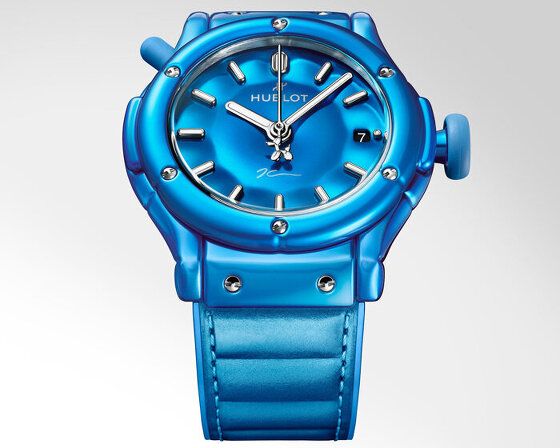
Among the standout recent projects capturing public attention is an innovative horological collaboration between renowned artist Jeff Koons and luxury watchmaker Hublot. Known for his monumental, larger-than-life sculptures that challenge perceptions of scale and material, Koons has translated one of his most iconic motifs into a wearable format. The new creation takes his famous balloon dog sculpture—traditionally rendered in polished, mirror-finish stainless steel on a massive scale—and condenses its playful yet sophisticated silhouette into a meticulously crafted 42-millimeter object designed for the wrist. By shrinking his monumental work into the Classic Fusion model, Koons and Hublot bridge the worlds of fine art and high-end watchmaking, offering collectors a chance to carry a piece of contemporary sculpture wherever they go. This piece demonstrates how contemporary artists increasingly seek out unconventional mediums to reach audiences, blurring the rigid boundaries that once separated fine art galleries from everyday luxury consumer goods.
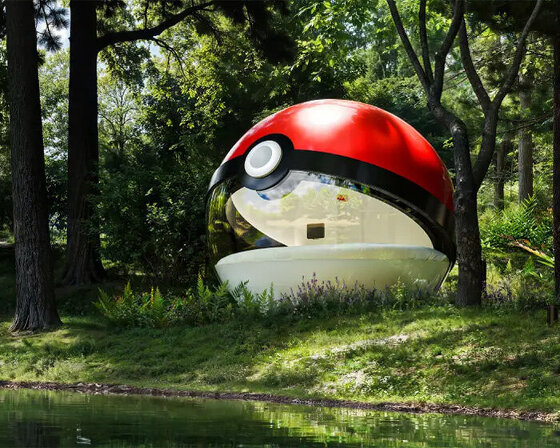
In the realm of architecture and hospitality, Japanese development company NOT A HOTEL has pushed the boundaries of conceptual design by transforming a universally recognized pop-culture icon into a fully inhabitable structure. The firm has unveiled a project that scales up the classic Poké Ball from the Pokémon franchise into a human-sized, fully functional hotel and sleeping pod in Japan. This ambitious endeavor brings a piece of virtual fantasy directly into the physical built environment, creating a unique retreat centered entirely around the concept of rest and immersive escapism. Rather than serving merely as a novelty, the structure is designed as a compact, habitable space that prompts visitors to reconsider how narrative, play, and architecture can merge. It reflects a growing trend in modern hospitality where architecture acts as an experiential storytelling medium, drawing on nostalgic cultural touchstones to offer guests a temporary departure from ordinary reality.
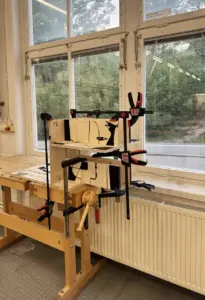
Meanwhile, the dialogue surrounding design and community engagement recently took center stage during a vibrant week of events in Paris. Serving as the inaugural stop of a new traveling series, the gathering brought together a diverse community of designers, architects, industry collaborators, and creative minds for a week filled with dynamic conversations, collaborative gatherings, and hands-on making activities. Set against the historic backdrop of the Marais district, the event provided a crucial physical forum for professionals to exchange ideas, debate the future of the discipline, and engage directly with material practices. Initiatives like this underscore the enduring importance of physical convening in an increasingly digital world, emphasizing that face-to-face dialogue remains essential for fostering creative breakthroughs and strengthening professional networks within the global design community.
Complementing these practical and physical gatherings is a broader academic and cultural inquiry into how physical spaces actively influence human behavior. Recent discourse examining various modes of habitation points to a fundamental shift in how people view their living and working environments. Rather than acting as passive backdrops to daily routines, the spaces individuals inhabit reveal themselves as active participants in everyday life. Architecture and interior design dictate the rhythm of human movement, influence productivity in workspaces, shape moments of rest, and facilitate or hinder social encounters. By recognizing rooms, buildings, and urban landscapes as active agents in human well-being, designers are increasingly challenged to craft environments that respond sensitively to the psychological and physical needs of their occupants.
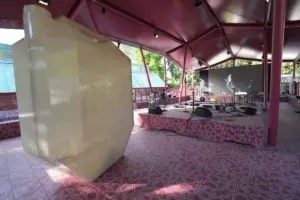
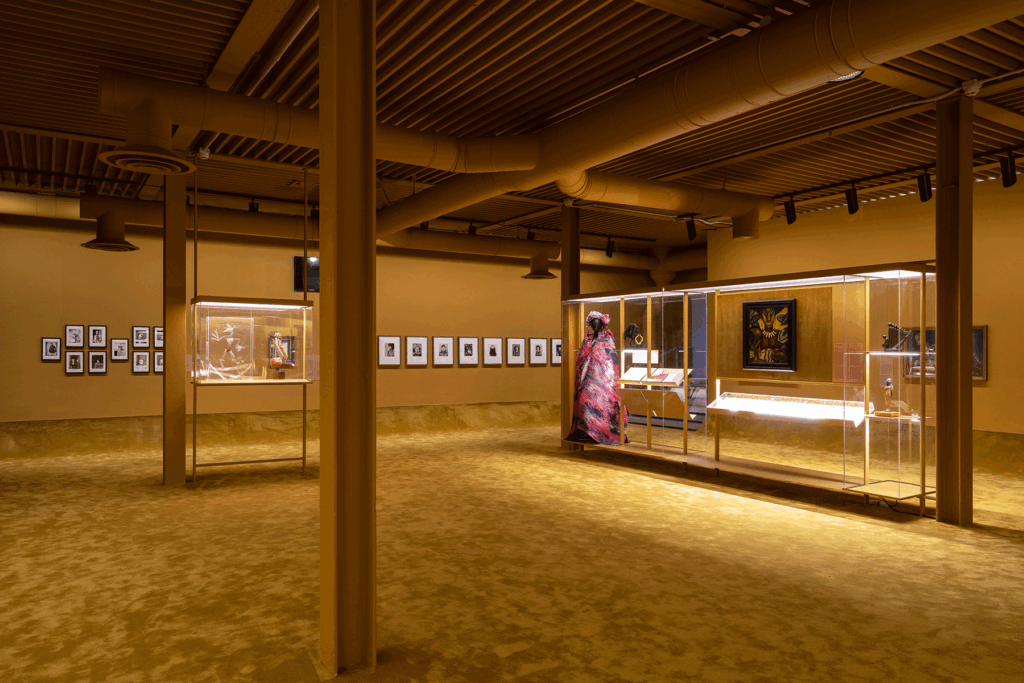
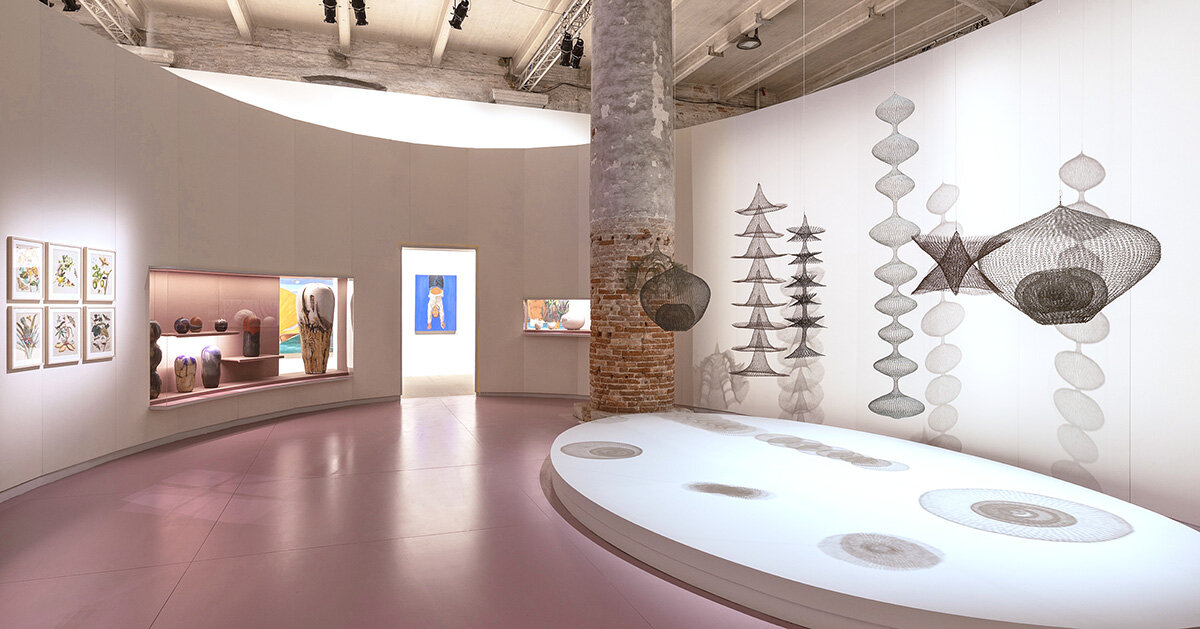
This holistic approach to spatial design finds powerful expression in major cultural exhibitions, where curators and designers work hand-in-hand to transform institutional spaces into immersive narrative environments. Celebrated design practices, such as Formafantasma, have consistently pushed the envelope in exhibition design, creating thought-provoking spatial experiences for major international events and cultural institutions. Notable projects—ranging from contributions to the Biennale Arte, such as The Milk of Dreams, to critically acclaimed exhibitions like Oltre Terra and the Caravaggio Bernini showcase at the Rijksmuseum—demonstrate a sophisticated mastery of spatial storytelling. Through careful material selection, lighting, and layout, these exhibition designs do not merely display artifacts; they actively frame the viewer’s journey, encouraging deeper critical reflection on historical narratives, ecological concerns, and the very nature of human craftsmanship.
Ultimately, these diverse developments—from miniature sculptures worn on the wrist and giant pop-culture pods to collaborative Parisian workshops and critically engaged exhibition spaces—paint a comprehensive picture of a vibrant, restless discipline. As designers continue to question the conventions of scale, habitation, and materiality, the objects and environments they create prove that design is not just about aesthetics, but about actively shaping the way humanity experiences the world.