In the ever-evolving landscape where contemporary art, cutting-edge architecture, and high-end design intersect, recent developments have demonstrated just how fluid the boundaries between scale, functionality, and imagination have become. From the world of luxury horology to experimental real estate developments in Japan and dynamic cultural gatherings in the heart of Paris, designers and artists are continuously redefining how objects, spaces, and communities interact with one another. Recent announcements and events highlight a diverse array of creative endeavors, capturing a moment in time where iconic artistic motifs are miniaturized for the wrist, beloved pop culture artifacts are scaled up into fully inhabitable architecture, and global creative communities gather to rethink the very nature of human habitation.
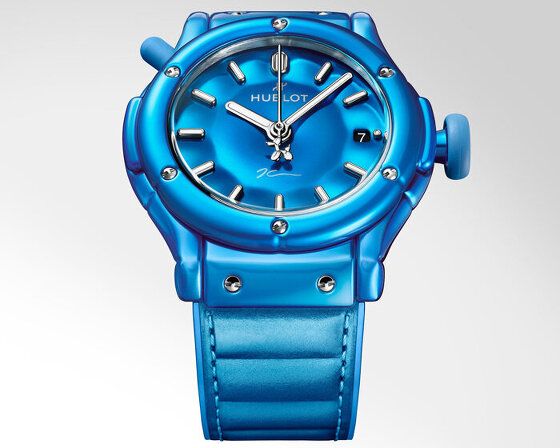
Chief among these cross-disciplinary ventures is a striking new collaboration between celebrated contemporary artist Jeff Koons and renowned watchmaker Hublot. Known for his larger-than-life sculptures that challenge traditional perceptions of form and material, Koons has taken one of his most recognizable and iconic motifs—the monumental balloon dog—and reimagined it for an entirely different medium. The result is a specialized 42 mm timepiece that translates the playful, reflective curves of his famous sculpture into an intricate object designed specifically for the wrist.
The transition from a towering, public-scale work of art to a wearable luxury timepiece represents a fascinating exercise in scale and precision. Koons’ balloon dog sculptures, which have captivated audiences around the world with their mirror-polished surfaces and deceptively fragile appearance, find a new life within the sophisticated architecture of Hublot’s classic fusion model. By condensing the whimsical aesthetic of the balloon animal into the compact dimensions of a wristwatch, the collaboration bridges the gap between high art and haute horlogerie. Collectors and design enthusiasts alike have turned their attention to this meticulous translation of form, observing how the playful nature of contemporary pop art can be successfully integrated into the precise, mechanical world of luxury timekeeping.
Moving from wearable art to the realm of experimental hospitality, the architectural landscape of Japan has welcomed another ambitious and imaginative project spearheaded by NOT A HOTEL. Known for pushing the boundaries of traditional real estate and hospitality, the firm has taken a universally recognized icon of pop culture—the Poké Ball from the Pokémon franchise—and scaled it up into a fully inhabitable hotel concept.
This inventive project brings the familiar, spherical aesthetic of the iconic gaming and anime symbol directly into the built environment, translating a two-dimensional digital concept into a tangible, three-dimensional physical structure. Rather than functioning merely as a novelty attraction or a temporary installation, the design is structured around the intimate requirements of a compact retreat, focusing heavily on sleep and personal sanctuary. By transforming a spherical pop culture artifact into a functional human-sized sleeping pod and hotel experience, the project explores the playful potential of architecture. It challenges conventional notions of what hospitality spaces can look like, demonstrating how deeply ingrained cultural symbols can be reinterpreted to shape immersive and memorable spatial experiences for travelers and fans alike.
While individual designers and firms are redefining objects and buildings, the broader creative community has simultaneously been gathering to discuss the theoretical and practical implications of these design shifts. A prime example of this ongoing dialogue unfolded during a vibrant week of conversations, gatherings, and hands-on making held in the historic Marais district of Paris. As the first stop of a newly launched travelling series, the event brought together a diverse cohort of designers, architects, industry collaborators, and creative minds to engage in rigorous discourse and collaborative creation.
Set against the backdrop of one of Paris’s most culturally rich neighborhoods, the week-long series served as a dynamic hub for the exchange of ideas. Attendees participated in workshops, panel discussions, and interactive making sessions that explored the pressing challenges and inspiring opportunities facing contemporary design and architecture. The gatherings emphasized the importance of physical presence, community, and shared craftsmanship in an increasingly digital world, offering a collaborative space where established professionals and emerging talents could connect, debate, and shape the future trajectory of the discipline.
Underpinning many of these conversations is a deeper, ongoing investigation into the fundamental ways we live, work, and interact with our surroundings. Recent explorations into the modes of habitation have shed light on the profound influence that the built environment exerts on daily existence. Rather than serving as passive containers for human activity, the spaces we inhabit are increasingly understood as active participants in everyday life.
From the layout of a home to the architecture of a hotel pod or the urban fabric of a historic district, our surroundings actively shape how we move through the world, how we approach our work, how we find rest, and how we encounter and communicate with others. These insights reinforce the idea that design is not just about creating aesthetically pleasing objects or structures, but about understanding the complex relationship between human behavior and spatial experience. As artists continue to shrink monumental sculptures into wearable luxuries, and as architects scale up nostalgic symbols into habitable retreats, the overarching dialogue remains rooted in how these creative expressions ultimately define and enrich the human experience.