When it comes to constructing a long-lasting backyard shed, the structure is only as reliable as the ground beneath it. Recognizing the common challenges and confusions that property owners face during the initial stages of outdoor building projects, Outdoor Living Today has published a comprehensive resource aimed at simplifying the process of creating a sturdy, level base. Designed to accommodate both seasoned do-it-yourself enthusiasts and first-time builders, the newly highlighted instructions outline clear preparatory measures and evaluate three distinct foundation options to ensure structural integrity from the ground up.
A solid foundation serves as the critical anchor for any outdoor structure, preventing shifting, uneven settling, and premature wear over time. Without a proper base, even the highest-quality shed kit can suffer from misaligned doors, structural stress, and moisture accumulation. To eliminate guesswork, the guidance emphasizes that proper site preparation must take place well before the arrival of a shed kit.
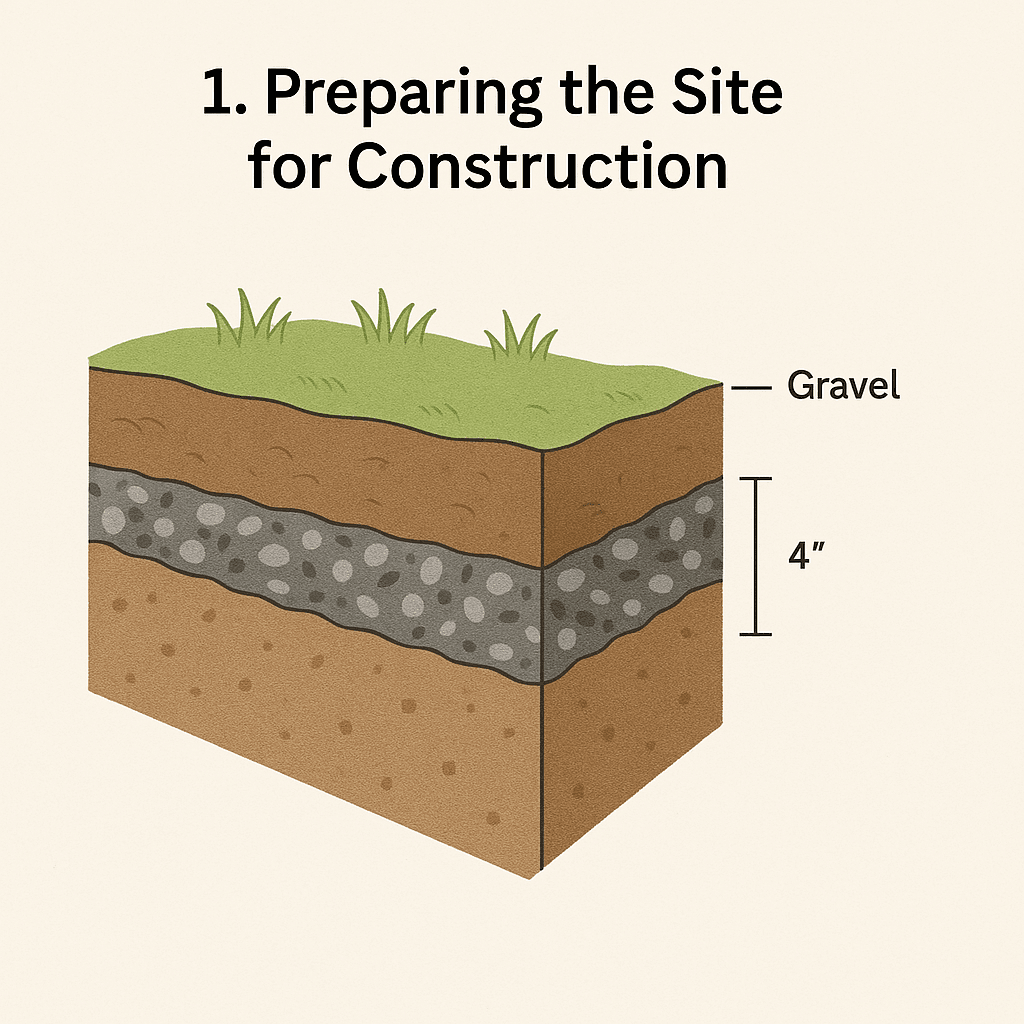
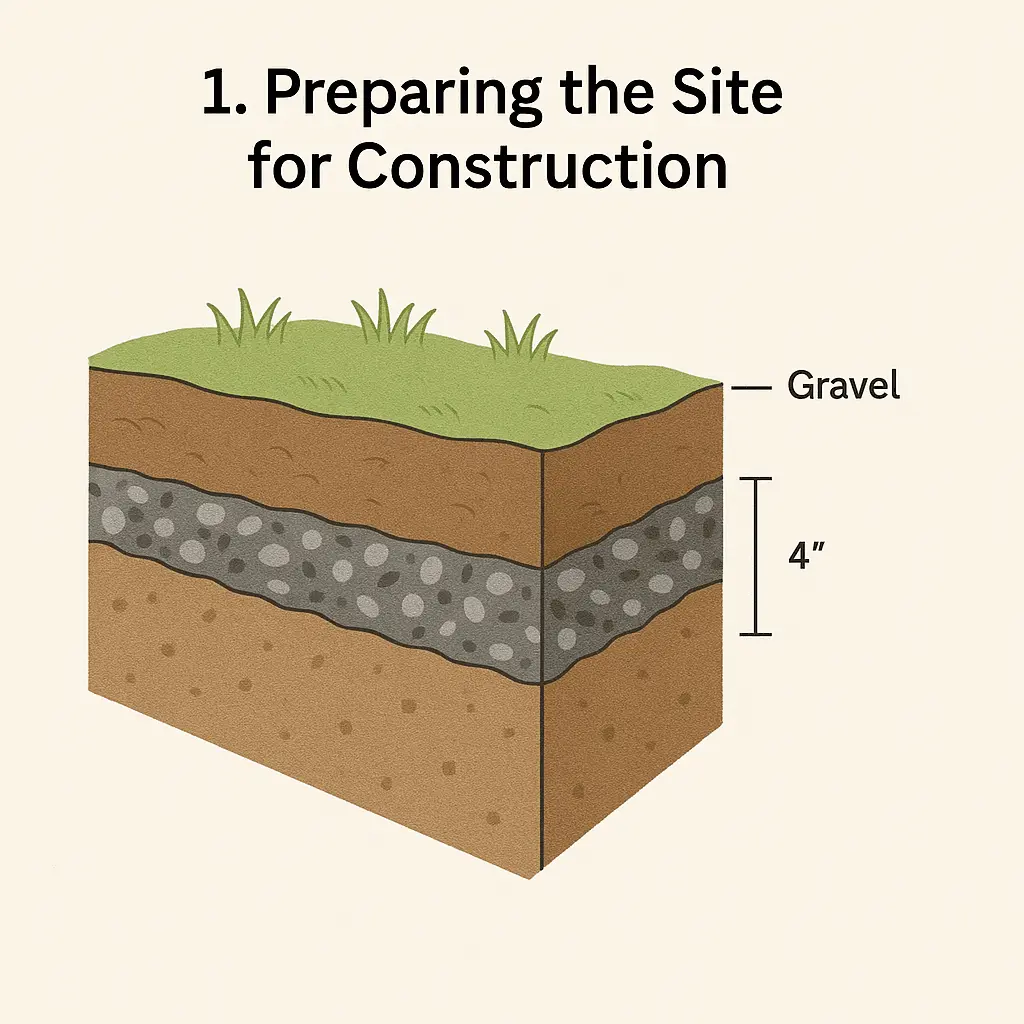
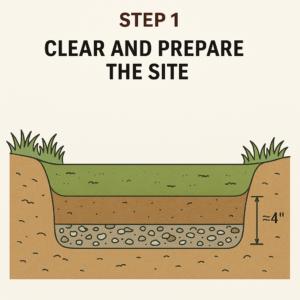
The process begins with meticulous site selection and ground preparation. Builders are advised to clear the designated area thoroughly of all grass, sod, rocks, and organic debris. Because organic matter decomposes and shifts over time, removing the top layer of topsoil is a crucial preliminary step. Once the earth is cleared, creating a level surface is paramount. Builders must grade and compact the soil to establish a stable working platform, ensuring that water will drain away from the structure rather than pooling underneath it.
To enhance long-term stability, industry professionals recommend incorporating a landscape fabric beneath a layer of gravel or crushed stone. This simple yet effective measure serves a dual purpose: it acts as a robust barrier against aggressive weed growth while preventing the underlying soil from shifting or eroding over the changing seasons.
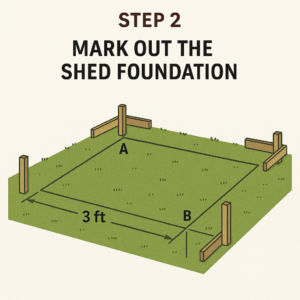
Following site clearance, the next critical phase involves accurately measuring and marking out the perimeter of the shed foundation. Precision at this stage prevents compounding errors during assembly. Builders must measure the exact dimensions of the planned structure and stake out the corners, ensuring that opposite sides are equal and that the diagonal measurements match perfectly to guarantee a true, square layout. For those tackling the project independently, modern technology offers various digital tools, including mobile applications and online calculators, which can assist in verifying right angles based on specific shed dimensions.
Once the perimeter is established, builders must evaluate which foundation type best suits their specific needs, budget, and soil conditions. Outdoor Living Today highlights three recommended foundation types, each offering distinct advantages depending on the project scope.
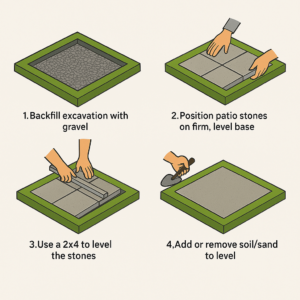
The first option is the patio stone foundation. Favored for its simplicity and accessibility, a patio stone base is quick to install, highly cost-effective, and flexible enough to be easily moved or adjusted if necessary. It provides a solid, uniform surface of pavers laid over a compacted gravel bed, making it an attractive choice for moderate-sized structures where a permanent concrete pour is unnecessary.
The second recommended approach utilizes four-by-four pressure-treated wood beams. This method involves laying heavy-duty, treated lumber to create a sturdy perimeter and grid system that supports the shed floor framing. One of the primary benefits of a beam foundation is that it elevates the structure slightly off the ground, leaving open room underneath for crucial air ventilation. This continuous airflow helps mitigate moisture retention, thereby protecting the wooden components of the shed from rot and decay over prolonged periods.
For those seeking the ultimate in longevity and structural permanence, a concrete slab foundation represents the most robust alternative. A properly poured concrete pad offers unbeatable durability, superior load-bearing capacity, and exceptional resistance to pests and moisture. While it requires more intensive labor and curing time upfront, a concrete slab provides a permanently flat, secure anchor that withstands severe weather conditions and heavy foot traffic or stored equipment.
Before breaking ground or committing to a specific building strategy, experts advise reviewing any local building codes, property setbacks, and permit requirements that may apply to accessory structures. Furthermore, while general best practices and standardized preparations apply broadly across outdoor construction projects, individual product designs often feature unique structural requirements. Property owners are strongly encouraged to consult the specific product assembly manuals included with their kits to ensure complete alignment between the foundation layout and the manufacturer’s engineering specifications.