For homeowners, gardeners, and builders across North America, choosing the right timber is a foundational decision that influences not only the visual appeal of a project, but its long-term structural integrity, resistance to weathering, and overall environmental footprint. Over the past two decades, however, a quiet shift has taken place in the building materials supply chain. A surge of imported wood products from Asia has entered the market, often marketed under ambiguous names such as "China Fir," "Chinese Cedar," or simply generalized as "cedar."
While these imported alternatives frequently mimic the initial appearance of authentic North American softwoods at a glance, they differ drastically in botanical species, natural durability, and real-world outdoor performance. This influx has triggered widespread confusion among buyers who assume they are purchasing genuine cedar, only to discover later that the lumber possesses entirely different physical and chemical properties. Navigating the modern marketplace requires a closer examination of what these imported softwoods actually are, how industry labeling practices have evolved, and why true species identification remains critical for anyone investing in outdoor structures.
Understanding Chinese Fir and Its Market Positioning
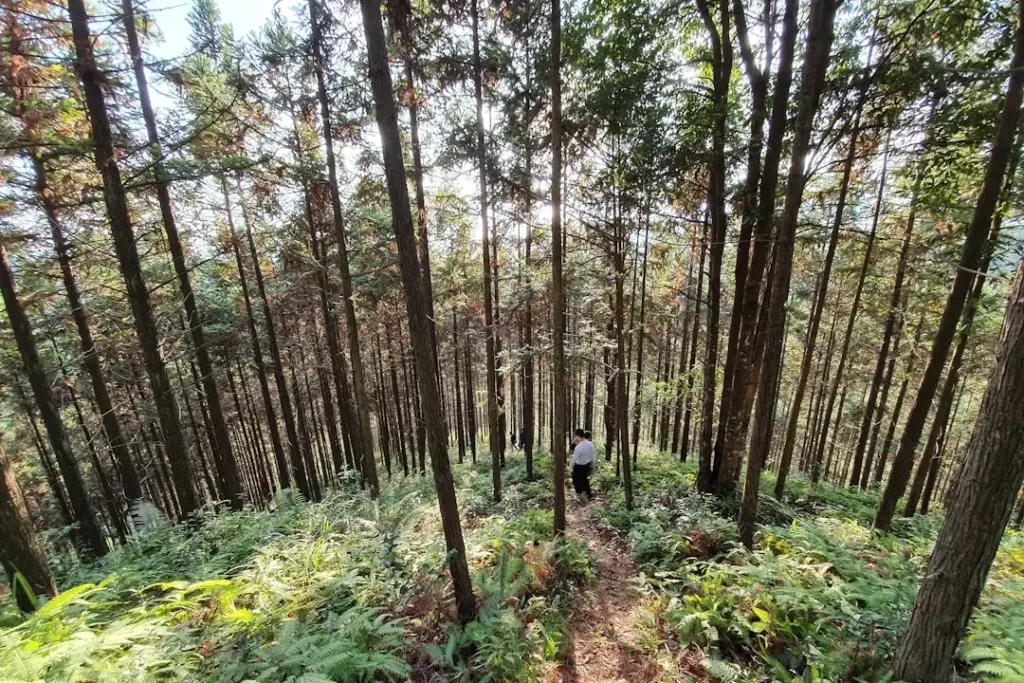
At the center of this labeling debate is Cunninghamia lanceolata, commonly known as Chinese Fir. Native to China and various regions of Southeast Asia, it is a fast-growing softwood species that has been utilized locally for generations. Around the mid-2000s, commercial exporters began shipping large quantities of Chinese Fir timber into North America. In an effort to make the unfamiliar foreign wood more attractive to consumers already well-acquainted with the esteemed reputation of North American cedars, distributors and retailers began applying alternative monikers.
Terms such as "China Fir" and "Chinese Cedar" quickly found their way onto product packaging, marketing brochures, and online retail listings. Over time, some segments of the supply chain dropped the geographic prefix altogether, marketing the material simply as "cedar." This linguistic overlap created a pervasive misconception among the public that Chinese Fir is a true botanical relative of Western Red Cedar. In reality, Chinese Fir is not a cedar species at all. It lacks the complex cellular structure, unique chemical composition, and inherent defenses that define genuine cedars, leading to vastly different performance outcomes when exposed to the elements.
The Evolution of Import Trends and Industry Labeling Practices
The presence of imitation cedar products in North America is closely tied to shifting global trade patterns over the last twenty years. Between 2005 and 2015, the market experienced a massive expansion of imported softwoods. Initially, products were explicitly labeled as "China Fir," allowing knowledgeable builders to distinguish them from domestic alternatives. However, as global supply chains became more complex and retail channels expanded through online marketplaces, labeling transparency began to erode.
By 2020 and into the present decade, industry observers noted a troubling trend toward sparse or entirely absent product labeling. Many goods manufactured from Chinese Fir are now sold directly to consumers under the blanket term "cedar," completely omitting the specific botanical species, the country of origin, and any standardized wood identification markings. When building materials lack clear disclosures, buyers are frequently misled into believing they have secured a high-grade cedar product at a discounted price. This lack of transparency obscures the reality that lower upfront costs often correlate with significantly reduced operational lifespans and higher long-term maintenance burdens in outdoor settings.
Comparing Species Characteristics: Botanical Reality Versus Expectations
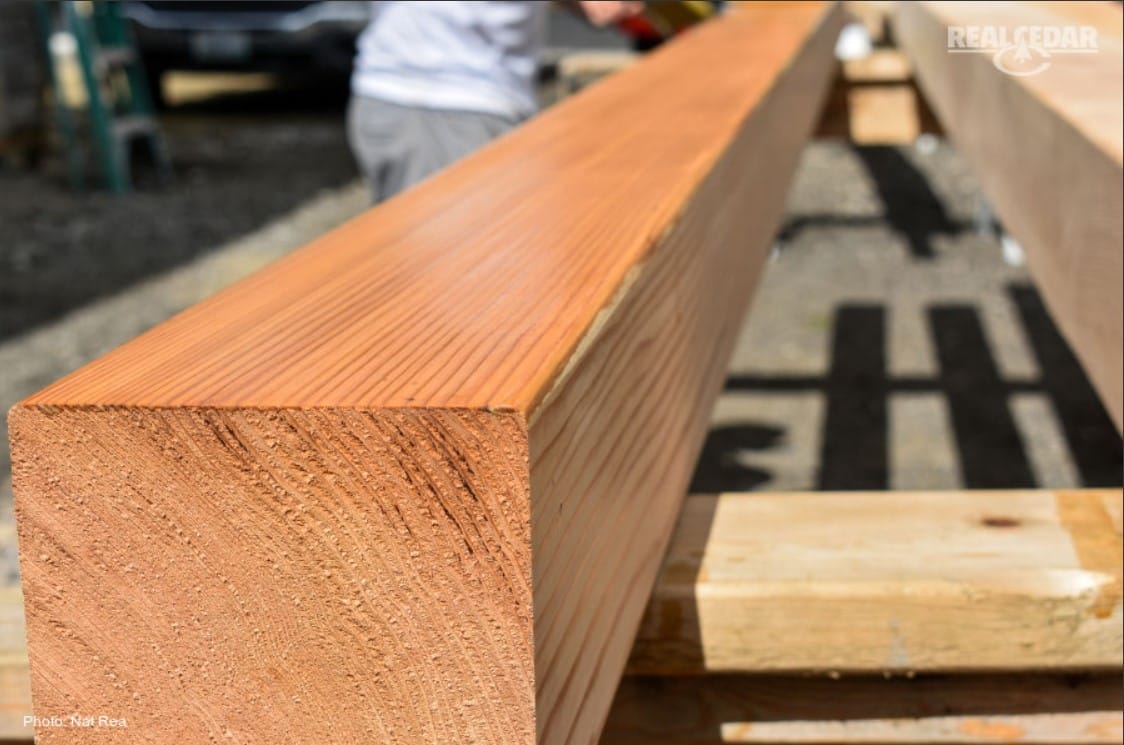
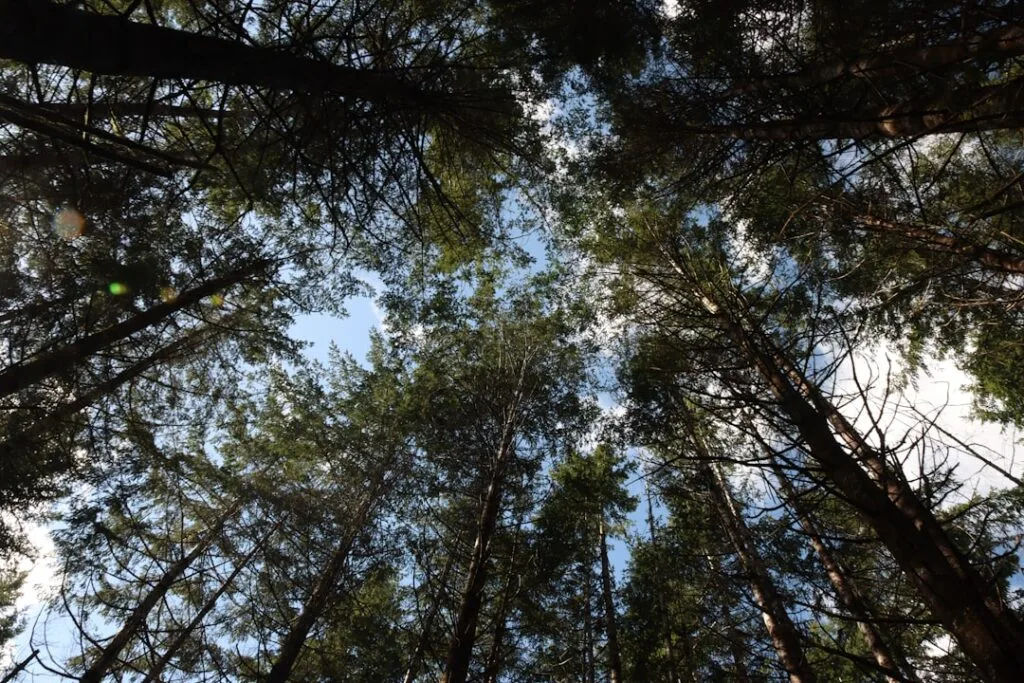
To understand why labeling accuracy matters, industry professionals emphasize a direct comparison between the biological traits of Chinese Fir and authentic Western Red Cedar (Thuja plicata). Geographically and botanically, the two woods occupy entirely different worlds. Western Red Cedar is harvested from sustainably managed forests in the Pacific Northwest of North America, recognized globally for its warm reddish-brown hue and fine, straight grain. In contrast, Chinese Fir typically exhibits a pale white to light yellow coloration with a noticeably rougher grain structure.
When it comes to durability and moisture resistance, the differences become even more pronounced. Western Red Cedar is widely regarded as one of the most durable softwoods in existence. It is rich in natural, water-soluble oils that act as a built-in defense mechanism against fungal decay and wood-boring insects. These natural compounds allow the wood to maintain exceptional dimensional stability in varied climates, resisting the warping, cupping, and cracking that often plague lesser softwoods when exposed to rain, humidity, and temperature fluctuations.
Chinese Fir, conversely, is classified as only moderately durable. It possesses a lower tolerance for sustained moisture and lacks the robust natural chemical defenses found in Thuja plicata. Consequently, outdoor structures built from Chinese Fir are substantially more prone to premature decay, insect vulnerability, and structural degradation unless they are subjected to frequent, rigorous applications of sealants, stains, and protective coatings. While Western Red Cedar can deliver decades of reliable service with minimal maintenance, Chinese Fir demands continuous upkeep to survive harsh outdoor environments.
The Broader Implications for Buyers and Builders
The persistence of generalized labeling practices creates significant challenges for consumers investing in long-term projects such as garden sheds, pergolas, raised beds, fencing, and exterior siding. When a timber product is sold without explicit species identification, buyers lose the ability to evaluate whether the material is structurally suited for its intended application.
Industry advocates and consumer protection groups argue that transparent labeling is essential for maintaining market integrity. Clear disclosures empower builders to match the right material to the right environment. While imported softwoods like Chinese Fir can perform adequately in interior applications, sheltered environments, or low-exposure decorative projects where moisture is not a factor, they rarely match the longevity required for demanding exterior architecture.
As consumer awareness grows, builders and manufacturers alike are placing renewed emphasis on traceability and certified forestry practices. By relying on responsibly harvested North American softwoods with verified lineage, property owners can avoid the pitfalls of misleading marketing nomenclature. Ensuring that wood products are accurately identified by their true botanical names remains the most effective safeguard against premature material failure, protecting both the consumer’s investment and the architectural heritage associated with authentic Western Red Cedar.