As the intense heat of summer begins to cool down, many amateur and seasoned gardeners alike often mistakenly assume that the outdoor growing season has officially come to an end. In reality, the autumn months can prove to be one of the most rewarding and productive times to be active in the garden. Characterized by cooler days, softer and more forgiving sunlight, and a noticeable decline in the population of common garden pests, the season presents an ideal environment for plant cultivation. With just a modest amount of advanced planning—and the deployment of the right protective tools—gardeners can keep their raised beds and garden plots productive well into the colder months of the year.
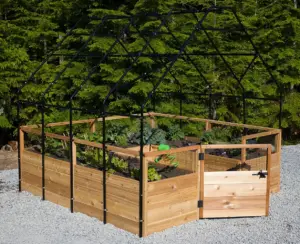
Among the various agricultural aids available to modern growers, one of the most effective tools for autumn gardening is the greenhouse cover. Whether utilizing a simple row cover, a hoop-style mini greenhouse, or a comprehensive full cover designed specifically for raised beds, these protective structures create a gentler, more controlled microclimate. This environment helps delicate plants thrive just as ambient temperatures begin to drop across the region.
Fall: A Season of Renewed Growth
For dedicated horticulturalists, fall is far more than simply the end of the traditional gardening calendar; rather, it represents a vital seasonal reset. As ambient temperatures drop, many plant species naturally shift their biological energy away from leaf production and channel it directly into root development. This physiological shift helps plants establish strong, resilient foundations that not only carry them through the harsh conditions of winter but also position them for vigorous growth come spring. By taking the time to plant and prepare during the autumn months, gardeners effectively give their entire landscape a strategic head start for the following year.
With the incorporation of basic protective structures, garden beds can simultaneously serve a dual purpose: remaining productive in the present while becoming better fortified for the eventual arrival of spring.
Choosing the Right Crops
The foundation of any successful fall garden lies in the careful selection of cool-season varieties. These resilient crops are specifically adapted to tolerate chilly weather conditions and can often even benefit from a light, early frost.
Among the most reliable and popular fall crops are various leafy greens, cool-season brassicas, and hardy root vegetables. Gardeners looking to maximize their yields are encouraged to carefully check local frost dates, plant their crops in small, manageable waves to ensure continuous harvests throughout the season, and strategically pair upright greens with compatible root crops to optimize available raised bed space.
Greenhouse Covers: Your Fall Advantage
Deploying greenhouse covers offers a distinct agricultural advantage by creating a stable, protected microclimate that shields plants as external weather conditions deteriorate. These protective barriers deliver a multitude of practical benefits for the autumn gardener.
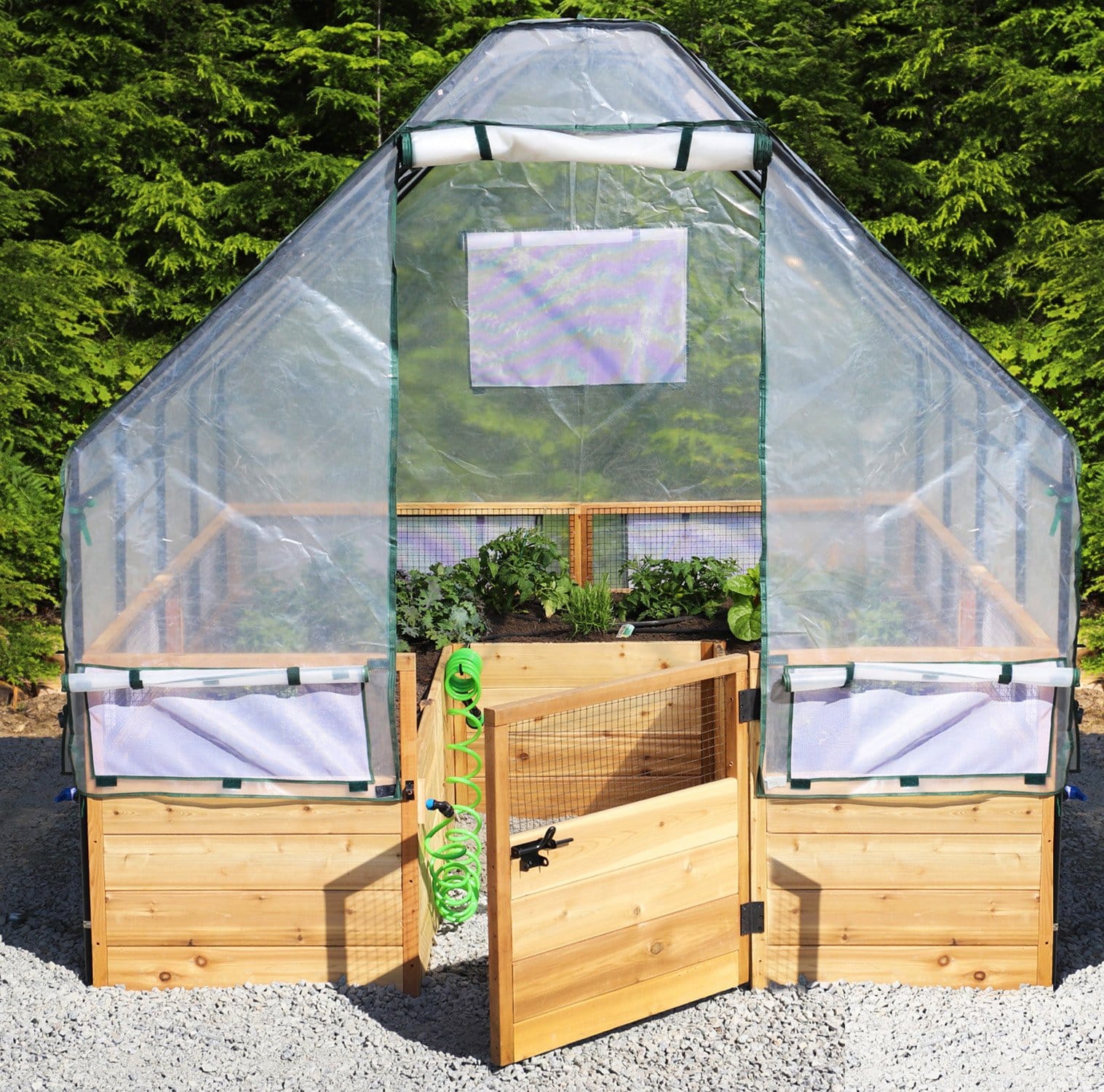
First and foremost, these covers provide essential frost protection, shielding tender vegetation from unexpected early frosts and sudden, damaging cold snaps. Additionally, they ensure remarkable temperature stability by significantly reducing the dramatic daytime-to-nighttime temperature swings that can stress growing plants, thereby supporting steady and uninterrupted development.
Beyond thermal regulation, greenhouse covers serve as an effective physical barrier against late-season pests, deterring common invaders without the need for chemical sprays or intensive interventions. They also promote better moisture retention within the soil. By minimizing surface evaporation, these structures keep the soil evenly moist for longer periods, reducing the frequency with which gardeners need to water their beds. Ultimately, these advantages combine to significantly extend the growing season, allowing many traditional cool-season crops to survive and thrive for weeks—and in some cases months—beyond their usual autumn timeline.
How to Set Up Your Greenhouse Covers
Maximizing the effectiveness of protective garden structures requires careful attention to installation and ongoing management. Gardeners begin by choosing a quality cover designed to let adequate natural light in while effectively retaining warmth, ensuring the material matches the specific size and shape of their garden beds or raised frames.
Once selected, the covers must be installed securely. Frames and perimeter edges need to be firmly anchored to withstand increasingly gusty autumn winds and heavy seasonal rain. It is equally important to ensure there is adequate vertical clearance, providing enough height for plants to continue growing comfortably beneath the enclosure.
Finally, ongoing monitoring and ventilation are critical components of proper maintenance. Gardeners must remember to open vents or partially lift the covers during unusually warm autumn days to prevent dangerous overheating inside the microclimate, securing them back down tightly before the evening temperatures begin to drop.
Add Fall Style to Your Garden
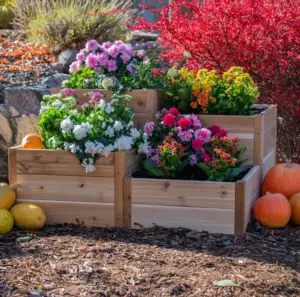
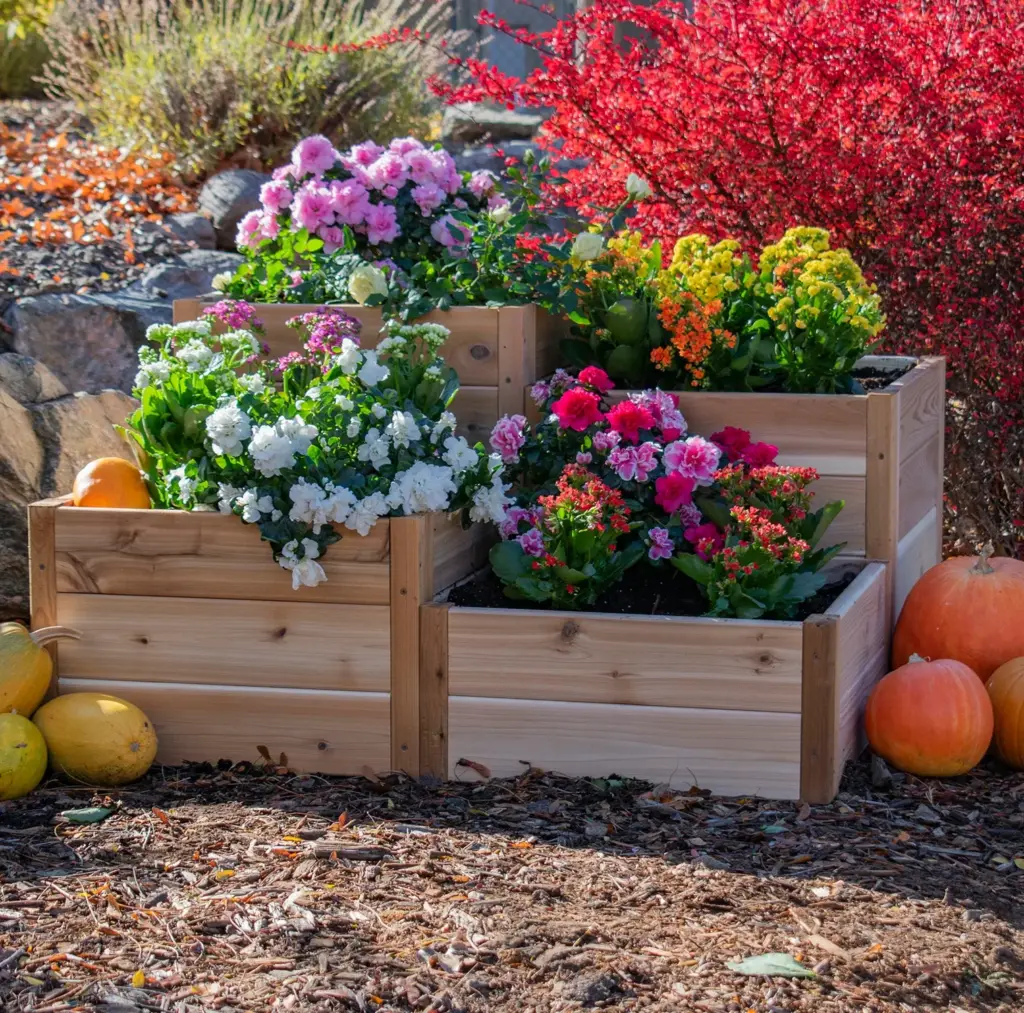
Beyond sheer agricultural productivity, autumn gardening offers a unique opportunity to enhance the aesthetic appeal of an outdoor space. A fall garden can easily be both highly productive and visually striking. By incorporating seasonal elements such as decorative pumpkins, traditional autumn decor, and vibrant, cold-hardy greens surrounding the covered beds, gardeners can create a cozy, seasonally inspired landscape that stands out beautifully in any residential yard.
By giving plants the precise protection they require during this transitional time of year, growers can successfully extend their growing season even further into the calendar.