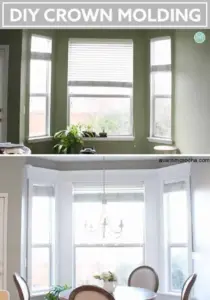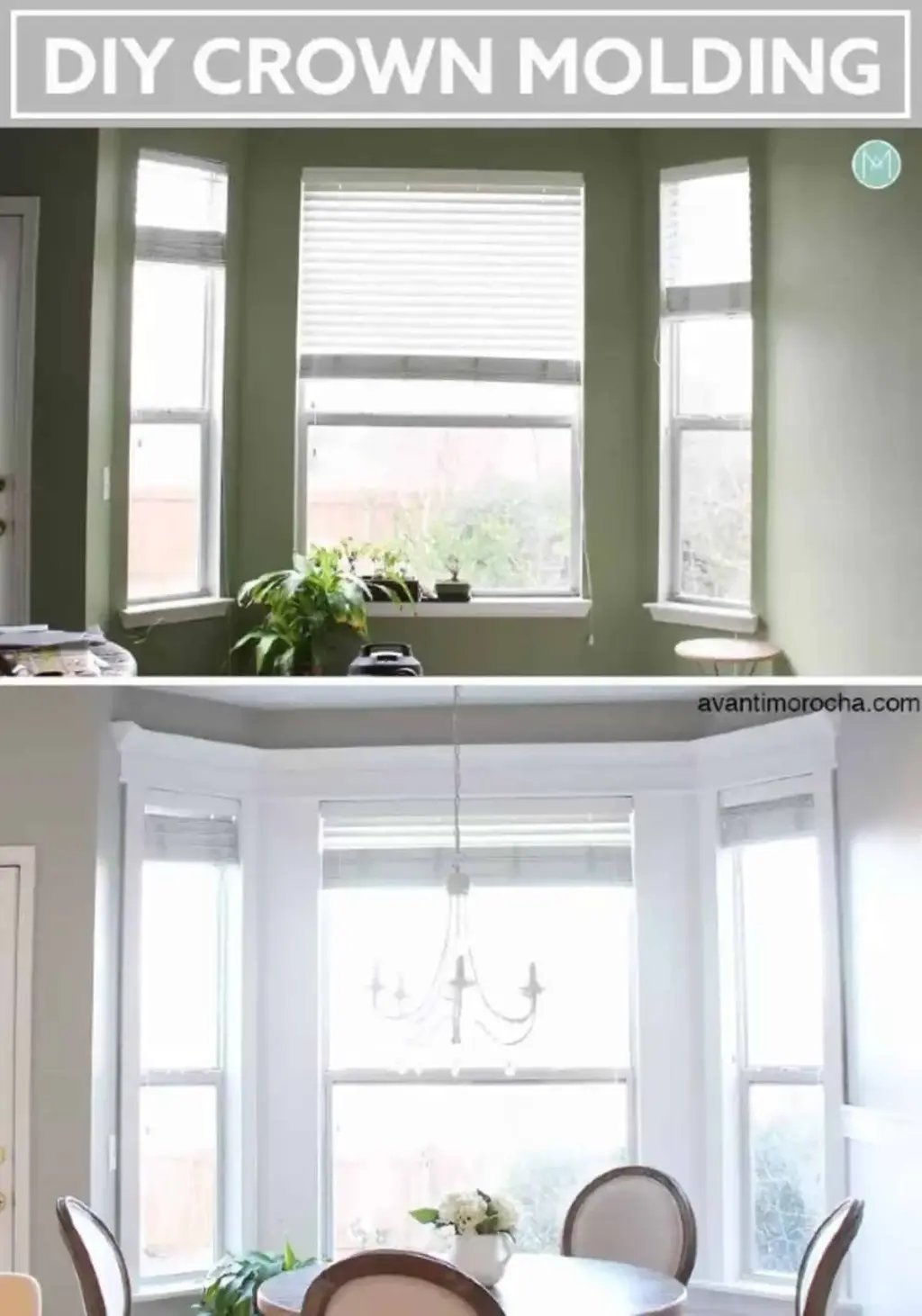
Crown molding has long been celebrated as one of the most effective interior design elements for elevating the style and perceived value of a room. Beyond its aesthetic appeal, this classic architectural trim serves a practical purpose, seamlessly concealing imperfections where walls meet ceilings. However, the traditional reality of incorporating crown molding has historically presented a major hurdle for homeowners. Between the cost of specialized materials and the notoriously complex, labor-intensive installation process—particularly the steep expense of hiring a professional carpenter—many have chosen to leave their wall-ceiling transitions bare.

That landscape is shifting as homeowners increasingly look for budget-friendly ways to upgrade their living spaces without the physical and financial strain of traditional contracting work. Industry trends point toward a growing market for accessible home improvement solutions, leading to a surge in products designed to simplify the architectural upgrade process. From lightweight foam alternatives and peel-and-stick applications to pre-cut corners and layered lumber tricks, a wave of DIY products and techniques is changing how people approach interior trim work.
Industry observers note that these modern alternatives allow everyday homeowners to measure, cut, and install crown molding with far greater ease and confidence than in the past. Beyond standard applications, accessible materials have opened the door to more advanced stylistic effects that were once restricted to high-end custom builds. Homeowners are now using innovative products to construct elaborate ceiling treatments, including coffered ceilings, tray ceilings, and intricate wall framing. These designs can be further personalized and enhanced with integrated accent lighting, statement wallpaper, or creative stencils, catering to classic, modern, and rustic design sensibilities alike.

To understand the breadth of options available for modern home renovations, it is helpful to examine the diverse array of products and creative applications currently driving the DIY trim movement.
1. Ekena Millwork Tristan Crown Moulding
Among the manufactured options gaining traction in the market, intricate millwork products offer a way to completely revamp a room’s atmosphere without the heavy weight of traditional hardwood. The Ekena Millwork Tristan Crown Moulding, for instance, provides a high-end look that is designed to be easily installed, painted, and maintained. Constructed to withstand environmental stressors, this type of synthetic millwork is moisture-proof and rot-proof, ensuring long-lasting aesthetic appeal particularly in spaces prone to humidity fluctuations.

2. Easy Inexpensive Crown Molding Wall Shelf
For those looking to combine architectural flair with functional storage, creative builders have popularized hybrid projects using basic wood, glue, nails, and paint. By adapting standard trim techniques, homeowners can construct a crown molding wall shelf. This approach adds distinct visual charm to plain walls while introducing a functional display ledge, proving that architectural upgrades can serve a dual purpose in small or crowded spaces.
3. DIY Modern Crown Molding
While traditional trim often features ornate curves and heavy profiles, contemporary interior design frequently calls for cleaner lines. Homeowners leaning toward a minimalist aesthetic can achieve modern crown molding using simple materials such as foam boards, construction adhesive, caulk, and paint. This streamlined approach allows DIYers to introduce subtle architectural definition to contemporary spaces, offering a sharp contrast to heavily detailed classical designs.

4. A La Maison Ceilings DIY Glue-up Foam Crown Molding
The rise of lightweight synthetic materials has significantly lowered the technical barrier to entry for interior trim projects. Products like A La Maison Ceilings DIY Glue-up Foam Crown Molding demonstrate how manufacturing innovations have simplified installation. Featuring traditional details like a dentil design, these lightweight foam options eliminate the need for nails or screws during installation, relying instead on specialized adhesives to transform a room while remaining water-resistant.
5. DIY Orac Decor Crown Moulding
Classic European-inspired architecture remains a staple of traditional interior styling, and cornice moldings offer an authentic way to achieve this look. Classic cornice profiles, such as those from Orac Decor, deliver a traditional dentil effect directly to the ceiling line. Designed to be lightweight and paintable without requiring a separate primer or undercoat, these products streamline the finishing phase of a room renovation.

6. DIY Crown Molding – Home Improvement
For budget-conscious renovators who prefer traditional lumber, basic home improvement tutorials continue to emphasize standard woodworking methods. By utilizing affordable wood boards, wood glue, and a nail gun, homeowners can manually assemble and install custom trim configurations. While this method requires basic woodworking tools, it remains a cost-effective and structurally durable way to elevate the overall quality of a home’s interior.
7. Ogee Crown Molding Dollhouse Basswood Trim 1/12 Scale Miniature 6pcs
The appeal of architectural trim extends well beyond full-scale residential construction. Miniature hobbyists and dollhouse enthusiasts frequently utilize specialized materials, such as basswood Ogee crown molding in a 1/12 scale. Because basswood is soft and easy to work with, crafters can cut, glue, and paint miniature profiles to replicate full-sized historic and luxury homes on a small scale.

8. DIY Shaker Style Crown Molding
For woodworkers equipped with a table saw, custom manufacturing remains a viable route to achieving a bespoke interior. Projects centered around Shaker-style crown molding demonstrate how hobbyists can mill their own lumber to custom specifications. By adjusting saw angles and board dimensions, builders can tailor the exact size and shape of the molding to match pre-existing cabinetry or unique room dimensions.
9. DIY Foam Crown Molding
As synthetic alternatives gain market share, comprehensive educational resources have emerged to help consumers understand the nuances of crafting with foam. Guides dedicated to foam-based projects outline the various densities, cutting tools, and specialized adhesives required to achieve professional-looking results. These resources help demystify synthetic materials for beginners who may be accustomed exclusively to working with wood.

10. Basic Crown Molding Over Tile
Installing trim in unconventional spaces, such as rooms featuring ceramic or stone tile, often presents a logistical challenge due to uneven surfaces and hard substrates. Clever DIY solutions involving wood boards and masonry nails demonstrate that crown molding can indeed be successfully installed over tile. This technique bridges gaps and adds a finished, polished look to spaces like tiled bathrooms or kitchens where traditional nailing is impractical.
11. A La Maison Ceilings Corbels DIY Glue-up Foam Molding
Expanding upon standard foam profiles, manufacturers have introduced specialized variations incorporating architectural elements such as corbels. These pre-formed foam packs bring a sense of historical weight and structural substance to ceilings without the literal weight of stone or heavy plaster. Their water-resistant composition and paintable surfaces make them a practical choice for living areas and hallways alike.

12. Architectural Products by Outwater Peel and Stick Crown Molding
Addressing the demand for maximum convenience, peel-and-stick architectural products have entered the market to eliminate the mess associated with liquid adhesives and mechanical fasteners. Outwater’s peel-and-stick foam molding solutions feature classic dentil patterns backed by pressure-sensitive adhesive. This allows users to press the lightweight trim directly into place, drastically reducing the time required to complete a room accent project.
13. Simple and Easy DIY Foam Crown Molding
Flat-back foam molding manufacturers, such as Creative Crown, have further simplified the installation process by engineering profiles that sit flush against both the wall and the ceiling. These paintable, fire-rated designs remove the complex compound angle cuts traditionally required when joining standard wood molding at corners, making straight-edge alignment accessible to novices.

14. DIY Crown Molding Corners
One of the most intimidating aspects of traditional trim carpentry is cutting precise miter joints for inside and outside corners. To mitigate this obstacle, manufacturers produce pre-formed foam crown molding corners designed to match standard profile sizes. These ready-made transition pieces allow installers to bypass miter saws entirely, ensuring clean and uniform corners with minimal effort.
15. Low Profile Crown Molding Corners
For rooms with lower ceilings or subtle architectural requirements, low-profile foam corners offer a scaled-down solution. Tailored for narrower trim widths, these inside corners attach easily using standard caulk or adhesive, providing a seamless visual transition that mimics professional carpentry without the steep learning curve.

16. DIY Kitchen Cabinet Crown Molding
Kitchen renovations often stall when homeowners attempt to bridge the gap between upper cabinetry and the ceiling. Specialized tutorials have gained popularity by demonstrating how to simulate high-end kitchen cabinet crown molding using simple 1×2 support boards combined with lightweight cove molding. This layered technique creates the illusion of custom-built cabinetry at a fraction of the cost.
17. DIY Custom Crown Molding
To avoid the expense of purchasing massive, single-piece decorative hardwood, creative renovators frequently employ a multi-piece assembly method. By combining two or more standard, affordable trim profiles together on the wall, DIYers can construct a wide, custom-looking crown molding. This layered approach creates an ornate, substantial visual presence while utilizing inexpensive stock materials.

18. Easiest Crown Molding Ever
Time-saving hacks continue to attract attention among residential renovators seeking efficient ways to upgrade their properties. By relying on premade corner blocks paired with straight runs of molding, homeowners can bypass the tedious process of calculating compound miter angles. This method drastically reduces material waste and installation time.
19. The Easiest Way To Install Crown Molding Ever
Further building on the popularity of simplified installation methods, design bloggers and DIY enthusiasts frequently share techniques centered around flat-profile crowns and manufactured corners. These approaches emphasize that achieving a stunning, high-end architectural finish does not require decades of carpentry experience, but rather a smart selection of materials designed for ease of use.

20. DIY Faux Thick Crown Molding
For those seeking an exceptionally bold, substantial architectural statement, visual hacks offer an alternative to heavy solid timber. Homeowners can create the illusion of thick, heavy crown molding by anchoring a standard profile near the ceiling, adding a bottom trim piece, and painting a strategic shadow line. This faux layering technique delivers a high-end designer look through accessible materials and straightforward installation steps.