In an era defined by mass production, convenience culture, and a tendency to discard items the moment they show wear and tear, a centuries-old Japanese philosophy is experiencing a remarkable global renaissance. When a ceramic bowl, plate, or cherished heirloom cracks or shatters, the modern instinct is almost invariably to sweep up the shards and toss them into the garbage bin. However, an ancient Japanese tradition offers a profoundly different perspective—one that urges us not to hide flaws, but to highlight them, transforming breakage and repair into an integral part of an object’s history and aesthetic value.

This meticulous form of fine art and craft is known as kintsugi, which translates literally to "golden joinery." Originating in 15th-century Japan, kintsugi is deeply rooted in the philosophical concept of wabi-sabi, an outlook centered on the acceptance of transience and imperfection. Rather than attempting to disguise the damage as if it never happened, kintsugi uses a specialized lacquer mixed with powdered gold, silver, or platinum to mend the fragments. The result is a striking, luminous seam that snakes across the pottery, turning a moment of destruction into a dazzling feature. Think of it not merely as a method of mending, but as a philosophy that teaches us how to make broken things even more beautiful than they were in their original, unblemished state.

In contemporary culture, kintsugi has transcended its origins as a traditional repair method to become a celebrated form of fine art and hands-on crafting. Modern artists and makers have increasingly embraced the technique, sometimes intentionally breaking ceramic bowls, plates, and vases so they can meticulously piece them back together in unique, visually arresting ways. This growing fascination has sparked a widespread demand for accessible ways to practice the craft at home, leading to a surge in specialized DIY kintsugi repair kits, instructional guides, and creative workshops designed for both novice crafters and seasoned artisans alike.

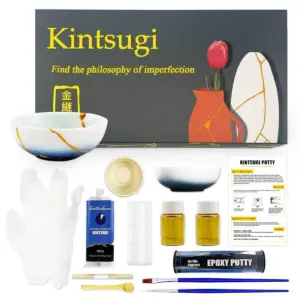
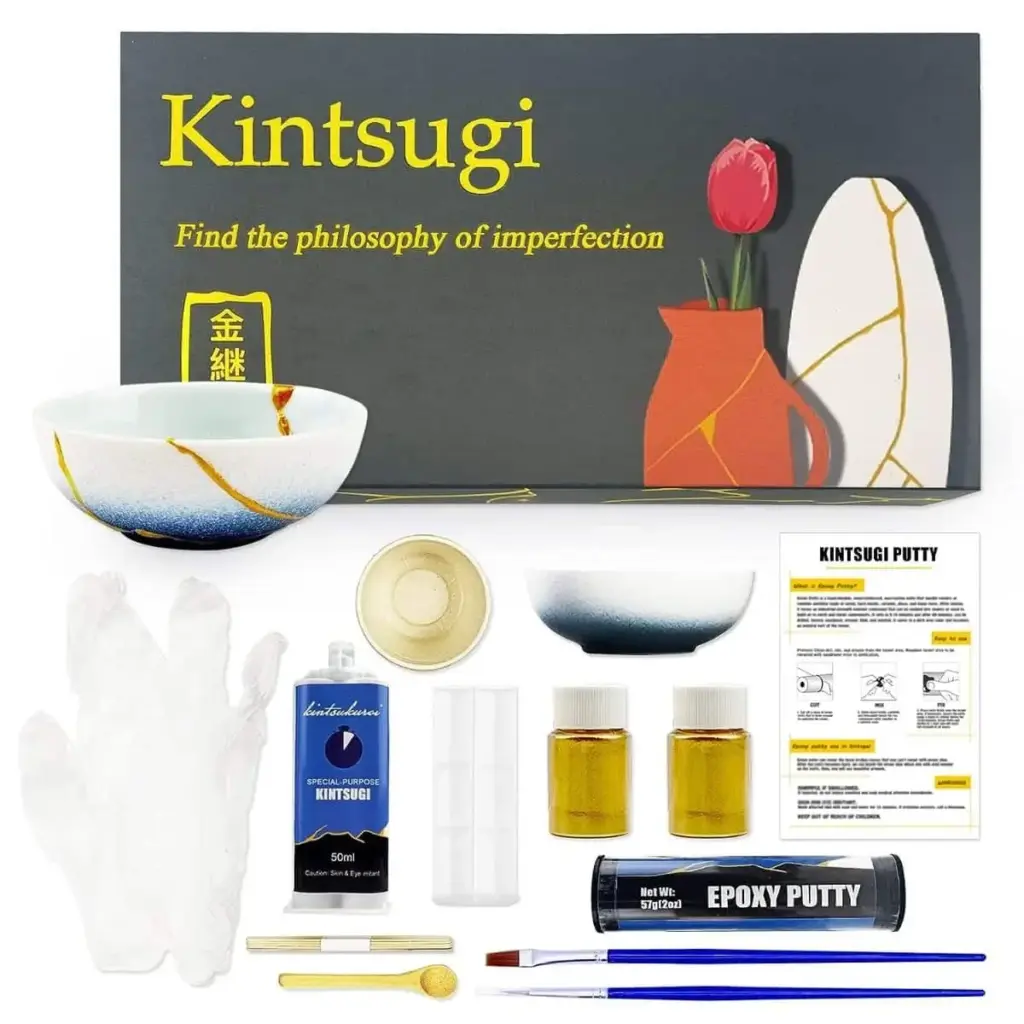
For those eager to explore the craft without investing in professional-grade traditional materials, the market now offers a wide array of accessible products. One popular entry point is a simplified DIY kit that introduces beginners to kintsugi in an affordable manner. These accessible packages often include non-toxic color powders, making them safe and engaging enough for families and children to participate in the restoration project together, turning a rainy-day craft into a lesson in history and resilience.

For enthusiasts seeking a more refined experience, higher-end options exist on the market. Certain specialized home craft kits offer a more luxurious approach, featuring premium packaging paired with high-quality epoxy glues that ensure strong, durable bonds for treasured ceramics. Meanwhile, dedicated kintsugi tutorials and instructional packages provide hobbyists with the exact methodology needed to breathe new life into a cherished piece of artwork sitting on a shelf at home.

While traditional kintsugi relies on authentic, natural urushi lacquer—which requires specific handling and extended curing times—many modern kits adapt the process for everyday hobbyists. Traditional kits, such as those offered by specialized purveyors, may not always be the most economical route, but they serve as an invaluable educational tool for those wishing to understand just how authentic and noble the traditional art form truly is. On the other hand, mainstream retail kits often feature comprehensive written and visual guides, complete with mixing plates and wooden mixing sticks, ensuring that newcomers have all the tools necessary to master the technique.

To ease the learning curve, some beginner-oriented packages even include a dedicated practice cup. This thoughtful addition allows novices to hone their adhesive and application skills on a disposable item before attempting to repair a sentimental or valuable heirloom. Furthermore, publications and DIY platforms have responded to the growing curiosity by breaking down the process into manageable steps. While some comprehensive guides outline a detailed six-step restoration process, others condense the methodology into a streamlined three-step tutorial, demonstrating how easily a standard ceramic mug can be fitted with shiny, metallic lines.

One of the primary hurdles for beginners exploring kintsugi is the waiting period required for adhesives to cure fully. Traditional methods can demand patience spanning days or even weeks. To counter this, certain starter kits incorporate quick-release epoxy glues, significantly reducing waiting times and ensuring that a restored craft is fully set and ready within twenty-four hours. This blend of traditional aesthetics and modern adhesive chemistry has made the art form far more approachable for a global audience.

Beyond purchasing pre-made commercial kits, many makers turn to independent tutorials and online resources to practice a contemporary form of the craft often referred to as faux kintsugi. By sourcing inexpensive ceramic pieces from local thrift stores, crafters can experiment freely with techniques, transforming dated or plain second-hand bowls into striking conversation pieces. This approach aligns closely with the emotional resonance of traditional kintsugi; as many home-craft enthusiasts note, experiencing the accidental breakage of a favorite ceramic piece can be genuinely painful, and learning restoration techniques offers a satisfying path toward redemption for domestic items that might otherwise be discarded.

Various tutorials highlight different material approaches, moving beyond standard epoxy and metallic powders. Some contemporary guides suggest incorporating gold mica powder into family-friendly projects, while others advocate for the use of oil-based enamels instead of standard color powders. According to some crafting experts, oil-based enamels can impart a smoother, more refined finish to the final seam, elevating the visual quality of the restored object.

For individuals navigating the often-confusing array of commercial kits available online, detailed blogs and community forums have become invaluable resources. Platforms dedicated to fine arts and hands-on restoration offer deep dives into the nuances of mixing adhesives, applying metallic dust precisely, and recognizing which types of ceramics are structurally unsuited for the repair process. Online communities, including dedicated discussion boards on platforms like Reddit, allow practitioners from all over the world to share real-world experiences, troubleshoot common mistakes, and celebrate their completed projects.

Ultimately, the enduring appeal of kintsugi lies in its seamless intersection of art, history, and philosophy. Whether individuals are utilizing a beginner-friendly commercial kit with non-toxic powders, following a detailed step-by-step instructional video to rescue a chipped teacup, or exploring advanced methods to repair fractured gemstones in jewelry, the underlying motivation remains consistent. By choosing to mend rather than replace, practitioners participate in an ancient dialogue about resilience, honoring the history of physical objects and proving that scars—whether on pottery or in daily life—can ultimately become a source of profound beauty.