As summer officially transitions into cooler autumn days, a common misconception often takes root among backyard gardeners: the assumption that the growing season has come to an end. While many traditional summer crops finally yield to the dropping temperatures, agricultural experts and seasoned cultivators note that autumn can actually be one of the most rewarding and productive periods of the entire year. With crisp days, softer sunlight, and a significant reduction in troublesome garden pests, the autumn environment offers a uniquely favorable setting for a secondary wave of cultivation. By implementing strategic planning and utilizing modern protective tools—most notably greenhouse covers—gardeners are discovering they can keep their raised beds and garden plots productive well into the colder winter months.
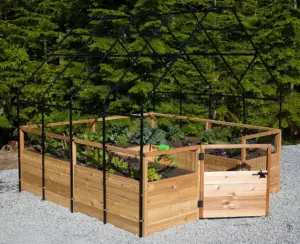
For generations, the onset of autumn signaled the inevitable cleanup and closure of outdoor growing spaces. Today, however, modern protective gardening accessories have fundamentally shifted that timeline. Among the most effective instruments in this seasonal shift is the greenhouse cover. Whether deployed as a simple, lightweight row cover, configured as a hoop-style mini greenhouse, or fitted precisely over large raised wooden beds, these protective structures generate a gentler, stabilized microclimate. This artificial environment shields delicate flora from harsh atmospheric changes, enabling plants to thrive and continue developing long after traditional summer yields have faded.
Industry observers point out that autumn should not merely be viewed as the definitive conclusion of the annual gardening cycle, but rather as a vital period of biological reset. As ambient temperatures drop, the physiological behavior of many hardy plants shifts dramatically. Instead of channeling vital energy into rapid leaf and stem growth, plants redirect their resources toward developing robust, deep-seated root systems. This underground strengthening establishes a resilient foundation that not only sustains the plant through the biting chill of winter but also provides an invaluable head start when spring arrives. By actively planting and preparing during the autumn months, growers lay the groundwork for a significantly more vigorous and productive landscape in the following year. Structuring garden beds for autumn productivity therefore serves a dual purpose: yielding fresh crops immediately while simultaneously future-proofing the garden for the seasons ahead.
Sustaining this momentum, however, requires careful selection of appropriate botanical varieties. Successful autumn gardening relies heavily on cool-season crops that possess a natural tolerance for chilly weather and, in many cases, actually benefit from the crisp touch of a light frost. Ideal candidates for autumn planting include leafy greens, brassicas, and various root vegetables that flourish when intense summer heat dissipates. To maintain a steady supply of fresh produce, professional growers recommend checking local frost dates carefully, staggering planting times in small, manageable waves for continuous harvests, and thoughtfully pairing upright, leafy greens with dense root crops to maximize the spatial efficiency of raised beds.
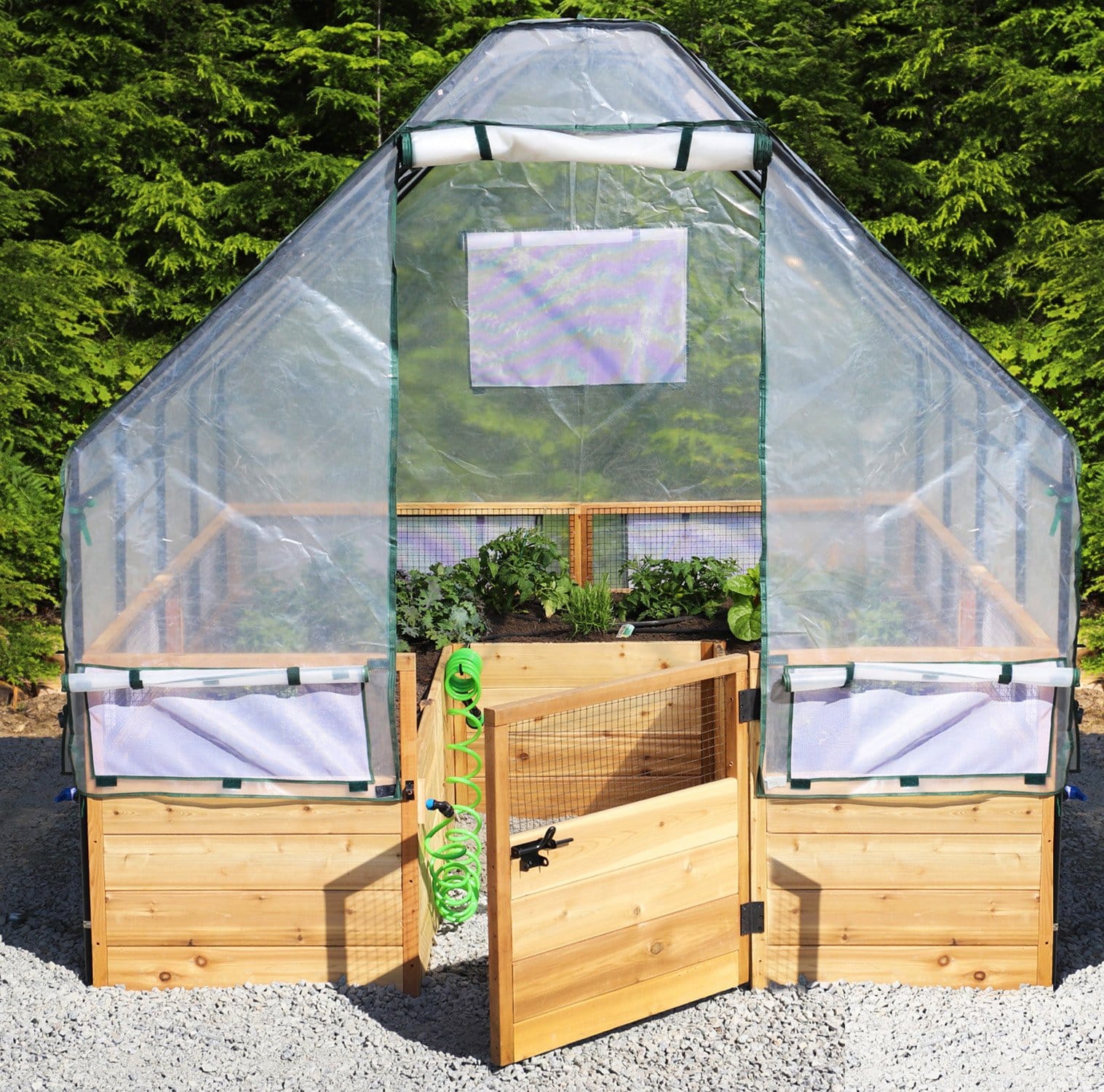
The integration of greenhouse covers serves as the linchpin in this cold-weather strategy. By enclosing growing beds within a controlled environment, gardeners can successfully mitigate the primary environmental challenges associated with the changing seasons. The benefits of utilizing these covers are manifold, beginning with immediate frost protection that shields tender vegetation from unexpected temperature plunges and early autumn freezes. Furthermore, greenhouse covers provide critical temperature stability by significantly dampening the harsh swings between warm daytime highs and frigid nighttime lows, thereby supporting steady, uninterrupted biological growth.
Beyond thermal regulation, these protective structures offer substantial agronomic advantages. They act as a reliable physical barrier against late-season pests, minimizing insect damage without requiring the application of chemical sprays. Additionally, greenhouse covers play a vital role in moisture retention. By substantially reducing surface evaporation caused by cold winds, the covers help maintain an evenly moist soil profile over extended periods, reducing the frequency of required watering and protecting delicate root systems from drying out. Ultimately, the cumulative effect of these benefits is a dramatic extension of the growing season, allowing many resilient cool-season crops to survive and thrive for weeks—and occasionally months—beyond their standard calendar timeline.
Implementing this seasonal infrastructure successfully involves several foundational practices, starting with the selection of high-quality covering materials that balance light transmission with thermal insulation, while accurately matching the specific dimensions and layout of the garden beds. Once chosen, these covers must be anchored securely against seasonal winds and rain, with adequate vertical clearance maintained to accommodate the natural upward growth of the maturing plants. Because the interior of a covered bed can occasionally accumulate excess heat during surprisingly mild autumn afternoons, regular monitoring and ventilation are essential. Gardeners routinely lift sections of the cover or open integrated vents during the warmest parts of the day to prevent overheating, resealing the structure securely before evening temperatures begin to plummet.
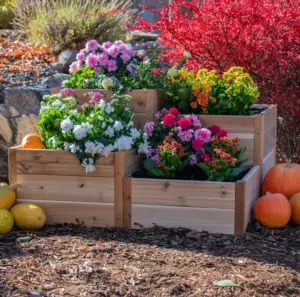
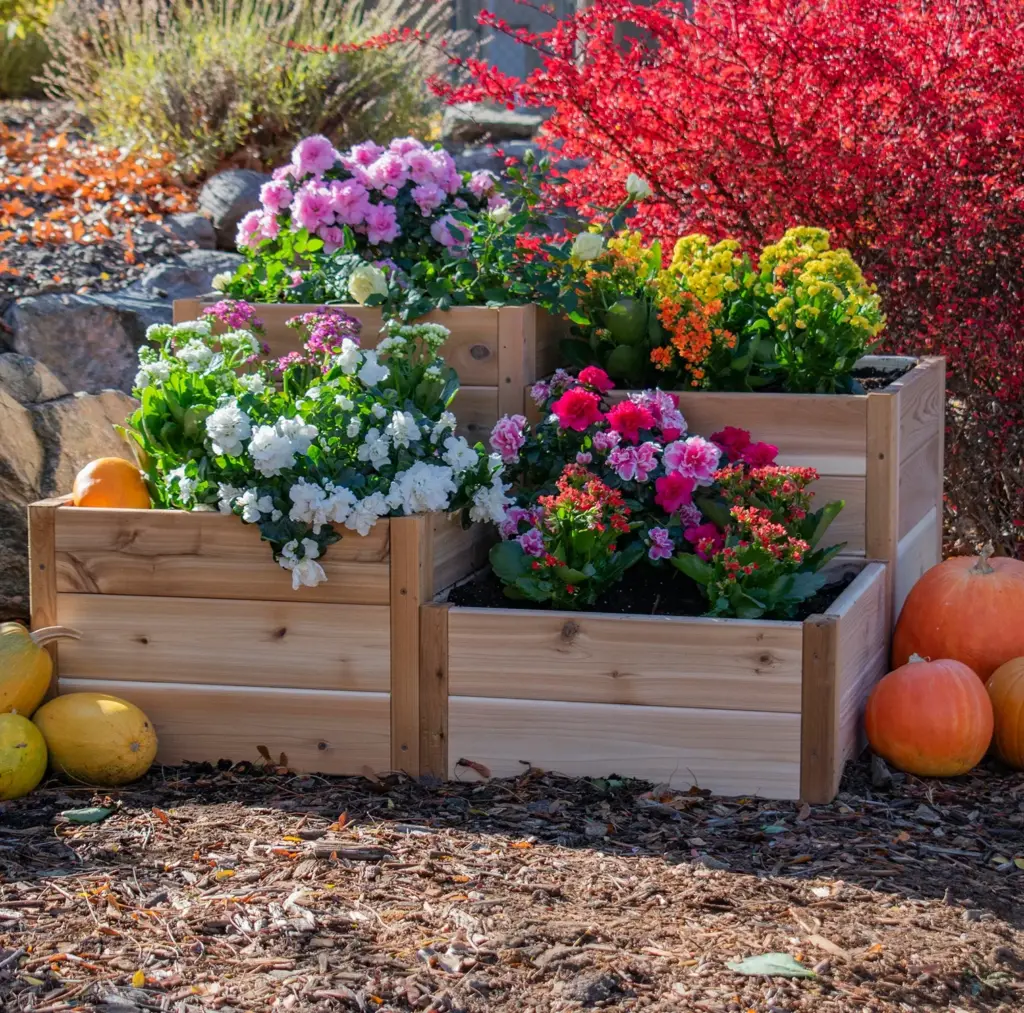
Beyond pure agricultural utility, modern autumn gardening increasingly incorporates aesthetic considerations, transforming productive plots into visually striking landscape features. Cultivators are discovering that vibrant cold-hardy greens can be effectively paired with seasonal elements such as ornamental pumpkins and traditional autumn decor directly around covered garden beds. This thoughtful integration creates a warm, cohesive, and visually appealing outdoor living space that stands out within the yard, proving that utility and beauty can coexist seamlessly during the transition toward winter.
As manufacturers continue to innovate with modular framing kits and durable, weather-resistant materials—such as Western Red Cedar raised bed systems equipped with custom-fit greenhouse attachments—the accessibility of extended-season gardening continues to grow. By combining strategic crop selection with reliable protective infrastructure, modern gardeners are successfully redefining the annual calendar, ensuring that the garden remains a vibrant, productive, and visually engaging part of the home landscape throughout the entire year.