Western Red Cedar has long occupied a privileged position in the pantheon of building materials. Admired universally for its striking natural beauty, exceptional longevity, and remarkable, inherent resistance to decay, it has remained a staple for architects, builders, and homeowners seeking both performance and aesthetic distinction. As the philosophy of woodworking and material efficiency continues to evolve in response to environmental demands and modern construction challenges, the industry is increasingly turning toward innovative manufacturing techniques to maximize the potential of this premium species without sacrificing its structural integrity or visual charm.
At the forefront of this material evolution is finger-jointed Western Red Cedar. This advanced engineering technique allows shorter, high-grade cedar pieces to be meticulously joined together into longer, structurally superior, and highly dimensionally stable boards. The resulting material successfully bridges the gap between traditional craftsmanship and modern efficiency, maintaining the warm, sophisticated character of real cedar while delivering vastly improved consistency and a drastic reduction in raw material waste. As building professionals seek smarter ways to source and utilize high-end timber, finger-jointed cedar is rapidly emerging as the preferred choice for a wide array of exterior structures, intricate siding projects, and custom architectural builds.
What Is Finger-Jointed Western Red Cedar and How It Works
To understand the growing adoption of this material, one must first examine the precision engineering behind the finger-jointing process itself. Finger-jointing is an advanced woodworking technique wherein short lengths of premium-grade cedar are precision-cut with interlocking, finger-like patterns at their ends. These engineered joints are then coated with high-performance, weather-resistant adhesives and securely bonded under hydraulic pressure to create exceptionally long, continuous boards.
This sophisticated manufacturing method transforms what would otherwise be leftover offcuts into primary structural components. The resulting product looks entirely seamless once it has been finished, painted, or stained, and it performs exceptionally well across both interior and exterior environments. By optimizing the lifecycle of harvested timber, manufacturers can deliver a product that meets the rigorous demands of modern construction while respecting the finite nature of forest resources.
Why Finger-Jointed Cedar Matters in Sustainable Building
The broader significance of finger-jointed cedar extends far beyond the workshop, touching directly on the principles of sustainable architecture and environmental stewardship. Western Red Cedar is naturally endowed with extraordinary attributes, including an innate resistance to rot, fungal decay, and insect infestation. Crucially, these inherent biological defenses are entirely preserved even after the timber undergoes the finger-jointing process.
By strategically utilizing shorter cedar offcuts that might otherwise be discarded during traditional milling, manufacturers can produce stronger, more uniform material while significantly curbing industrial waste. This high-efficiency approach makes finger-jointed cedar an inherently mindful choice for contemporary builders. It aligns seamlessly with today’s stringent sustainable building practices, offering an eco-conscious alternative that does not ask designers or homeowners to compromise on quality, durability, or visual appeal.
The Definitive Benefits of Finger-Jointed Western Red Cedar
The transition toward finger-jointed timber is driven by a series of distinct operational, structural, and aesthetic advantages that address the everyday challenges faced by contractors and architectural designers.
Enhanced Strength and Dimensional Stability
One of the most significant performance advantages of finger-jointed cedar is its remarkable resistance to common timber defects. Solid wood boards of considerable length are frequently susceptible to warping, bowing, twisting, or cracking as they react to fluctuations in ambient moisture and temperature. Finger-jointing fundamentally alters this dynamic.
By breaking long spans down into shorter segments and bonding them with interlocking joints, the internal stresses native to natural wood are effectively neutralized. These interlocking fingers help distribute structural stress evenly throughout the entire length of the board. The result is a dimensionally stable product with exceptional structural reliability, making it an ideal candidate for long-term applications where straightness and alignment are paramount.
Cost Efficiency and Material Optimization
Economic considerations frequently dictate the choice of building materials, and finger-jointed cedar offers a compelling financial advantage. Because the manufacturing process relies heavily on shorter cedar sections that are structurally optimized, material waste is reduced to a minimum.
This operational efficiency translates directly into cost savings, making finger-jointed cedar a remarkably cost-effective option for large-scale construction projects and extensive residential builds. This economic viability is particularly pronounced in applications destined for painting, where the underlying joint structures are completely masked by high-quality finishes, delivering the premium performance of cedar at a more accessible price point.
Predictable Dimensions and Simplified Installation
Contractors, carpenters, and do-it-yourself builders consistently praise finger-jointed cedar for its high degree of predictability. Each manufactured board is crafted to precise, uniform dimensions, eliminating the irregularities frequently found in run-of-the-mill solid lumber.
This uniformity leads to significantly smoother installation processes on the job site. Builders experience fewer fit issues, reduced labor time spent trying to straighten warped boards, and less material loss due to culling defective pieces. The reliable geometry of finger-jointed profiles ensures clean lines and tight joints, elevating the overall craftsmanship of the finished structure.
Preserved Natural Resistance to Decay
A common misconception regarding engineered or modified wood products is that the manufacturing process diminishes its natural defenses. However, the heartwood of Western Red Cedar retains its natural chemical extractives—namely thujaplicins and phenols—which provide its legendary resistance to moisture, decay, and wood-boring insects.
Because finger-jointing simply rearranges the physical dimensions of the wood without altering its chemical composition, these protective qualities remain fully intact. Consequently, the material is exceptionally well-suited for demanding outdoor applications, including exposed exterior siding, architectural trim, fascia boards, and custom deck structures that must endure harsh weathering year after year.
Timeless Aesthetic Appeal and Aging
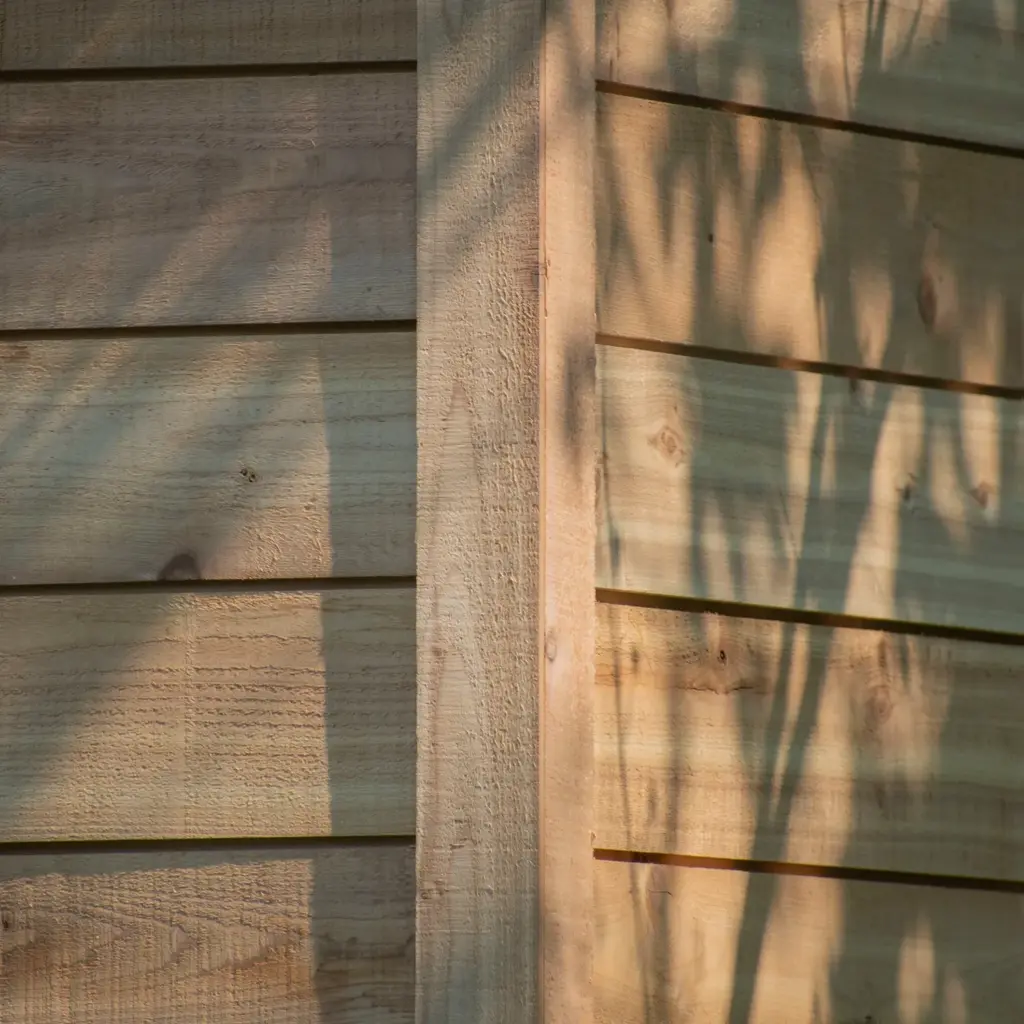
Beyond its structural merits, Western Red Cedar remains beloved for its signature reddish-brown coloration, which imparts a profound sense of warmth and natural sophistication to any architectural design. Finger-jointed cedar preserves this organic beauty, providing a rich canvas for transparent finishes, semi-transparent stains, or solid paints.
For projects left in its natural state, the wood ages gracefully over time, weathering into a distinguished silver-gray patina. This natural transition delivers a timeless visual appeal that effortlessly complements both traditional craftsman-style homes and sleek, modern architectural designs.
Versatility Across Diverse Project Types
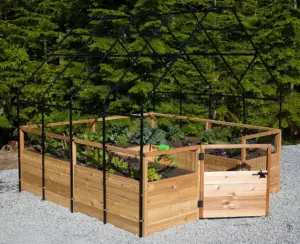
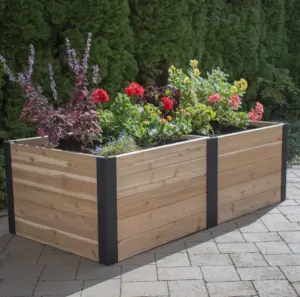
The adaptability of finger-jointed Western Red Cedar makes it a versatile solution for a remarkably wide spectrum of building applications. It is routinely deployed across residential siding installations, exterior trim packages, porch ceilings, pergolas, and various custom outdoor woodwork projects.
Its capacity to take paint and solid coatings exceptionally well makes it a favorite for architectural styles requiring crisp, painted finishes that must nevertheless withstand punishing exterior climates. Whether applied to rustic mountain retreats, contemporary urban residences, or coastal properties exposed to salt air, its adaptability allows it to integrate seamlessly into diverse aesthetic vocabularies.
Exploring Sustainable Cedar Options for Future Projects
As the construction industry continues to prioritize materials that balance environmental responsibility with uncompromising performance, innovations like finger-jointed Western Red Cedar illustrate the future of responsible building. By transforming high-grade timber offcuts into straight, stable, and durable components, manufacturers are empowering builders to achieve superior results while respecting natural resources. Exploring sustainably harvested cedar products ensures that upcoming architectural and residential projects will continue to benefit from the timeless beauty, proven longevity, and structural reliability that define this extraordinary species.