When the Milwaukee Brewers take the field against the Tampa Bay Rays for Game One of the 122nd World Series, the players will be competing for far more than the prestigious, sterling silver Commissioner’s Trophy and eternal baseball glory. Beyond the traditional spoils of America’s Fall Classic, a pair of world-renowned masterpieces by French Impressionist pioneer Claude Monet have officially been thrown into the ring, turning the diamond battleground into a high-stakes cultural exchange.
The cultural institutions representing the two competing metropolises—the Milwaukee Art Museum (MAM), situated just four miles east of the Brewers’ home turf at American Family Field, and the Museum of Fine Arts, St. Petersburg (MFA), located just over a mile west of the Rays’ Tropicana Field—have entered into a spirited, high-profile friendly wager. Under the terms of the agreement, the museum representing the winning city will earn the coveted right to temporarily borrow a prized Monet painting from the losing institution’s permanent collection, treating local arts patrons to a masterclass in Impressionism courtesy of their baseball team’s triumph.
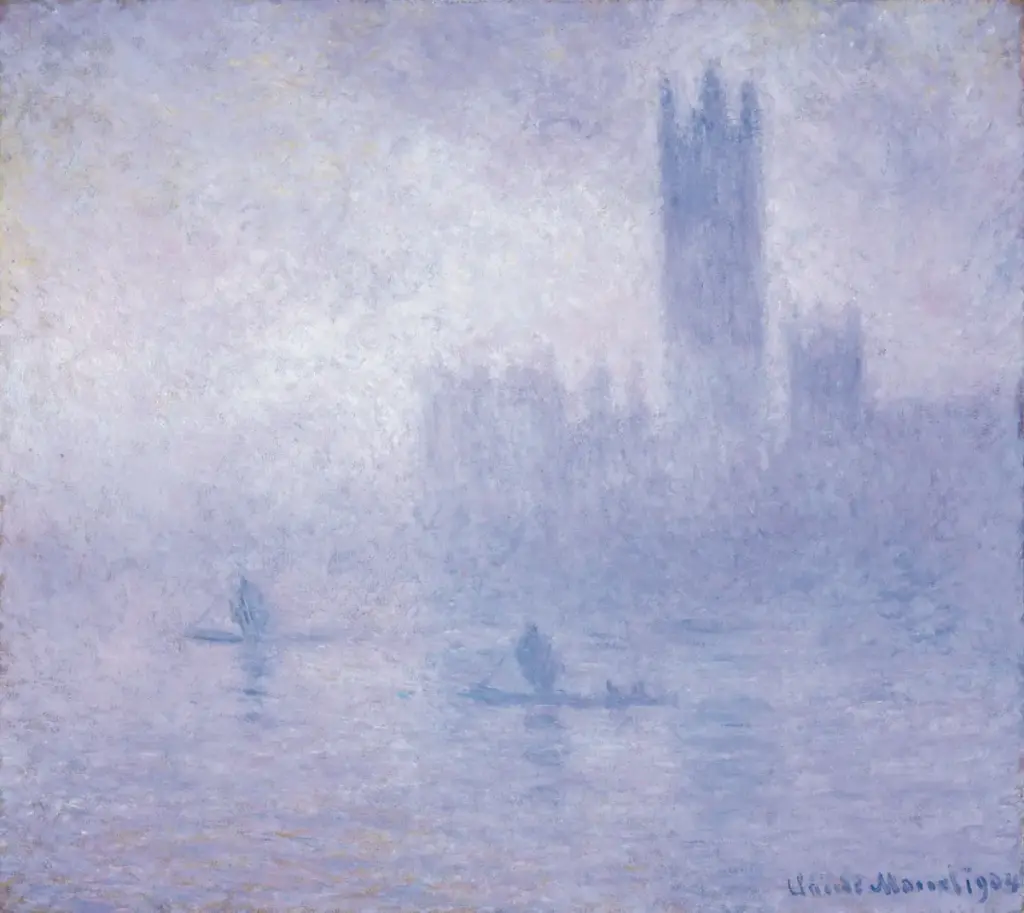
The stakes could hardly be higher for either institution, given the caliber of the artwork on the line. The Milwaukee Art Museum is putting up Monet’s celebrated Waterloo Bridge, Sunlight Effect, painted around 1903. Meanwhile, the Museum of Fine Arts, St. Petersburg, is answering the challenge with its own stellar holding, Houses of Parliament: Effect of Fog, London, completed in 1904. Both canvases represent pivotal moments in the artist’s legendary career, capturing the ethereal atmospheric conditions of the British capital along the River Thames at the dawn of the twentieth century.
For Milwaukee, Waterloo Bridge, Sunlight Effect holds a uniquely cherished place within the community. According to information provided by the Milwaukee Art Museum, the canvas stands as the one and only Monet in the institution’s entire permanent collection. It is widely regarded as a perennial visitor favorite and is a cornerstone of the museum’s current on-view displays. The painting’s journey to Milwaukee dates back to 1950, when it was generously bequeathed to the museum by Mrs. Albert T. Friedmann following her death, marking one of more than forty remarkable objects she gifted to MAM to enrich the cultural fabric of the region.
Art historians note that Waterloo Bridge, Sunlight Effect is part of an extensive, celebrated series of paintings that Monet executed during multiple extended trips to London at the turn of the century. Rather than focusing on architectural precision, Monet became obsessed with capturing the transient interplay of light, fog, smoke, and water. The painting presents a hazy, atmospheric view of a bridge spanning the River Thames, with industrial smokestacks faintly visible in the background, demonstrating the artist’s revolutionary ability to render the intangible elements of air and atmosphere onto a flat canvas.
On the other side of the wager, the Museum of Fine Arts in St. Petersburg is wagering a masterpiece of equal historical and artistic significance. The museum’s Houses of Parliament: Effect of Fog, London is likewise considered one of the crown jewels of its collection. While it normally resides in the MFA’s primary collection galleries, the painting is currently on view in an upstairs gallery while its usual home undergoes a period of installation and renovation.
Stanton Thomas, a curator at the Museum of Fine Arts, St. Petersburg, highlighted the unique timing of the display in a recent statement regarding the friendly wager. "For visiting Brewers fans, it might be their only chance to see it," Thomas remarked, noting the temporary relocation within the museum spaces.
Painted just a year after the Milwaukee canvas, the St. Petersburg painting shares a profound thematic and stylistic kinship with its Midwestern counterpart. It also captures the foggy, atmospheric conditions along the Thames, focusing on the iconic silhouette of the British Houses of Parliament. Monet famously produced over a dozen plein-air paintings of the landmark during his London campaigns, setting up his easel at windows overlooking the river to study how shifting daylight and London’s infamous industrial fog continually transformed the urban landscape.
While inter-city museum wagers have become a beloved tradition during major sports championships across North America, this particular contest revives a winning legacy for the Milwaukee Art Museum, which is no stranger to the high-wire act of art-and-sports crossover diplomacy. The institution previously found itself at the center of national attention during Super Bowl XLV in 2011, when the Green Bay Packers squared off against the Pittsburgh Steelers.
Ahead of that historic NFL championship game, MAM and the Carnegie Museum of Art in Pittsburgh entered into a remarkably similar high-stakes loan agreement tied to the gridiron outcome. When the dust settled, the Packers emerged victorious with a 31-25 win over the Steelers—led on the field by then-Packers quarterback Aaron Rodgers, who now finds himself playing in the American League. Following the defeat, the Carnegie Museum of Art honored the friendly wager by sending its treasured Pierre-Auguste Renoir painting, Bathers With Crab, up to Milwaukee. The masterpiece spent three months on loan at MAM, serving as a star attraction for the museum’s acclaimed exhibition titled "Impressionism: Masterworks on Paper."
Reflecting on that successful cultural exchange, local arts observers have occasionally mused about potential rematches. Should the Pittsburgh Steelers and the Green Bay Packers ever meet on the Super Bowl stage once again, and should the storied "Steel Curtain" defense prevail over Titletown, the Carnegie Museum of Art might finally get its chance to temporarily secure one of Milwaukee’s own crown jewels: Gustave Caillebotte’s magnificent 1877 painting, Boating on the Yerres.
For now, however, all eyes are firmly fixed on the diamond as the Brewers and the Rays prepare to battle through the Fall Classic. As the first pitch is thrown tonight, players and fans alike will feel the quiet, dignified weight of two masterpieces watching from afar. Whether Waterloo Bridge, Sunlight Effect remains safely in Wisconsin or embarks on a temporary journey south to the sunny shores of Florida, and whether the iconic Houses of Parliament finds itself packing its bags for a Midwestern layover, the 122nd World Series has successfully elevated the intersection of sports and high culture to unprecedented heights.