For more than two decades, one persistent question has followed me in the wake of the abuse I suffered at the hands of Jeffrey Epstein: “Why me?”
In trying to understand what happened, and in searching for a framework to process the trauma, I have come to recognize that the answer lies not only in the sophisticated manipulation I endured as an individual, but also in the broader institutions and powerful social structures that helped make that manipulation possible in the first place. Wealth and predatory behavior do not operate in a vacuum; they rely on networks of protection, silence, and prestige.
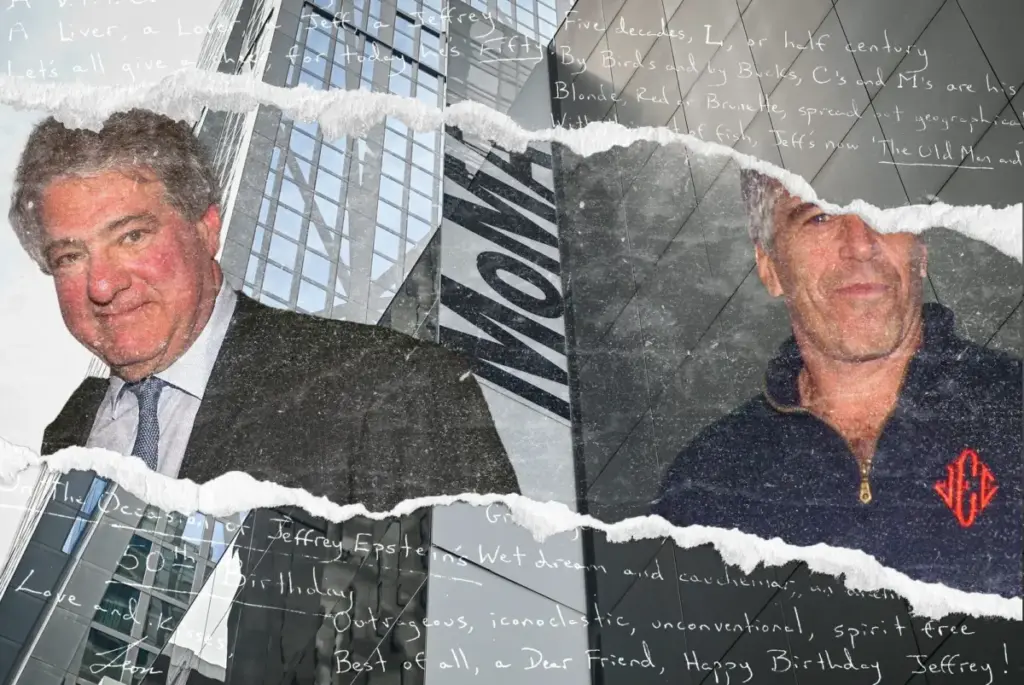
Leon Black’s ongoing board position at the Museum of Modern Art (MoMA) stands as one of the starkest examples of institutional ignorance today—a head-in-the-sand, look-the-other-way mentality that will inevitably give the abuse of power a dark corner to grow, hide, and fester in.
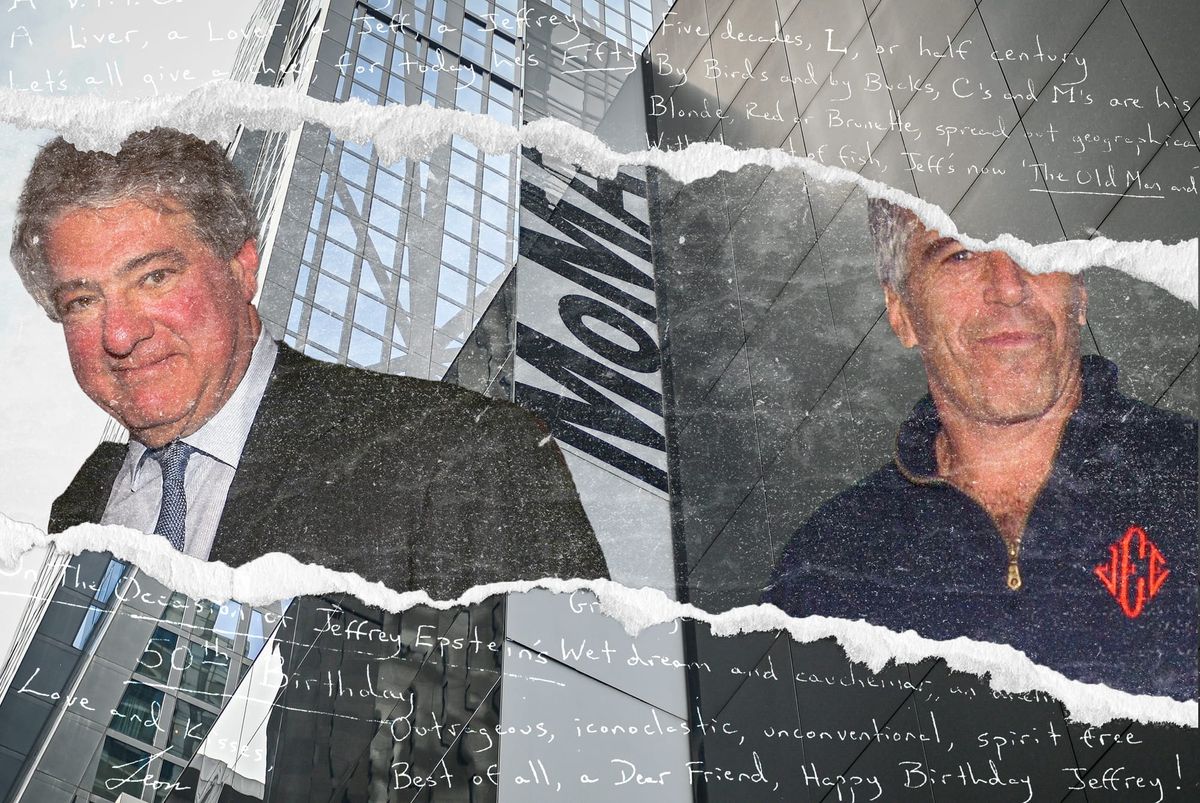
When cultural and artistic institutions choose to embrace individuals whose conduct warrants serious, unvarnished investigations, they are not remaining neutral. Instead, they are actively choosing to lend their hard-earned prestige, cultural capital, and social legitimacy to those figures. This dynamic creates an environment where survivors are forced to reckon with the bitter reality that the very places celebrated for preserving human expression and empathy are simultaneously shielding the people who enabled or participated in profound human harm.
For survivors of abuse, the path toward healing is frequently complicated by the societal validation afforded to our abusers and their associates. Every time a major museum, university, or philanthropic organization retains a controversial figure on its leadership roster, it sends a powerful, demoralizing message to victims. It suggests that financial contributions and high-society clout can successfully outweigh ethical accountability.
Institutions of the stature of MoMA must fundamentally reckon with the reality that their prestige is not a passive asset. It is an active currency. When that prestige is extended to individuals linked to disgraced figures like Epstein, it helps launder reputations and obscures troubling histories from the public eye.
The oversight records recently brought to light by congressional investigations, including documents provided by the Epstein estate and released by the House Oversight Committee, have further illuminated the dense webs of association that tied powerful financiers to Epstein long after his initial legal troubles and predatory nature were widely understood within elite circles. Despite these revelations, prominent cultural institutions have frequently dragged their feet, opting for institutional self-preservation and the protection of donor pipelines over moral clarity.

This is not simply a matter of corporate governance or internal board politics; it is a profound moral failure that impacts public trust. Museums like MoMA are held in the public trust as custodians of culture, history, and values. When they look the other way, they betray that trust.
True accountability requires that these organizations take a hard look at who they seat at their tables and whose names they allow to grace their galleries and boardrooms. It is time for MoMA to sever its ties with Leon Black and demonstrate that institutional prestige cannot be bought, rented, or used to shield individuals from the consequences of their associations and actions.