As voters across the United States head to the polls for a pivotal Election Day, the outcomes of key races threaten to reshape not only the balance of power in Congress, but also the fundamental landscape of American arts, culture, and democratic expression. For artists, cultural workers, and institutions navigating an increasingly turbulent political environment, this year’s midterm elections carry unprecedented stakes. Issues that have long simmered on the fringes of national campaigns—including federal arts funding, artistic freedom, censorship, and the disruptive incursion of artificial intelligence into creative professions—have taken center stage.
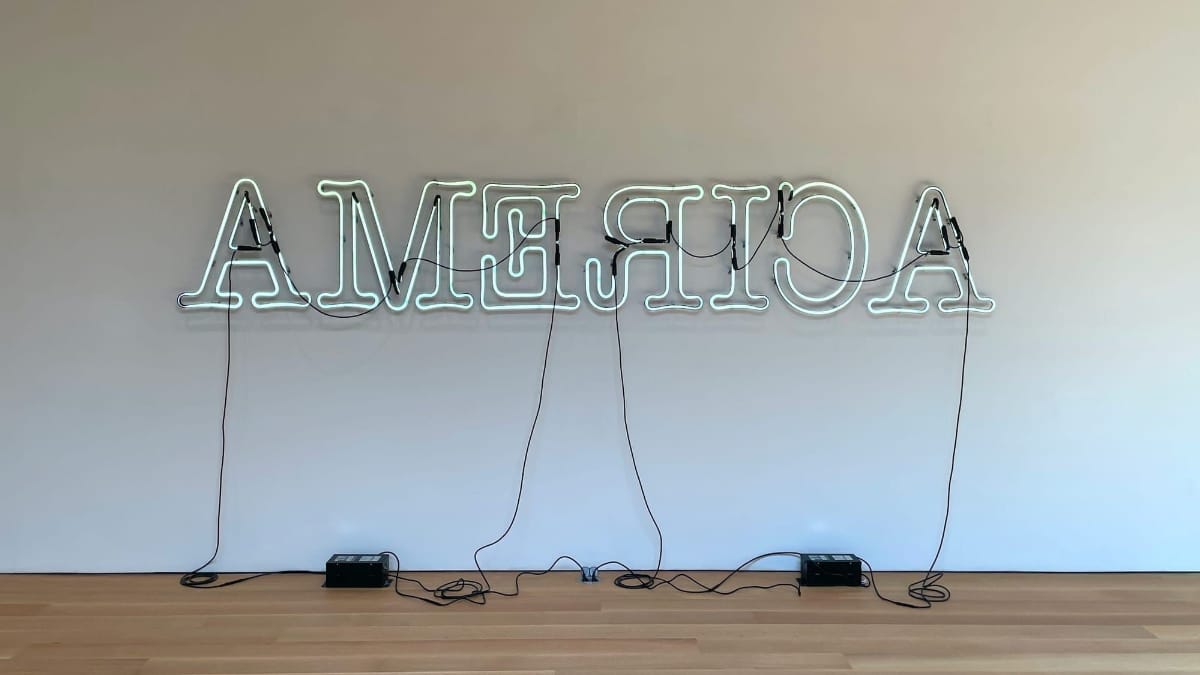
In response to these shifting priorities, cultural publications and advocacy networks have mobilized to provide comprehensive tracking of critical House, Senate, and gubernatorial races. These contests are expected to prove decisive for the arts sector, particularly as former President Donald Trump and his political allies ramp up ideological and financial attacks on national heritage, historical narratives, and diverse communities. Observers note that the outcomes in several swing states and competitive districts could determine whether public institutions retain their autonomy or face continued restructuring under partisan agendas.

The urgency of this election cycle follows years of mounting tension between federal policymakers and the cultural community. In the wake of Trump’s return to the Oval Office for his second term, the arts sector has experienced significant financial and ideological crackdowns. High-profile interventions involving the Smithsonian Institution, unapproved structural and aesthetic alterations around the United States Capitol, and the severe ecological and cultural devastation inflicted on indigenous landscapes by border wall construction have left deep scars. Furthermore, dozens of related policies targeting history, education, and heritage have galvanized voters to cast their ballots with cultural preservation firmly on their minds.
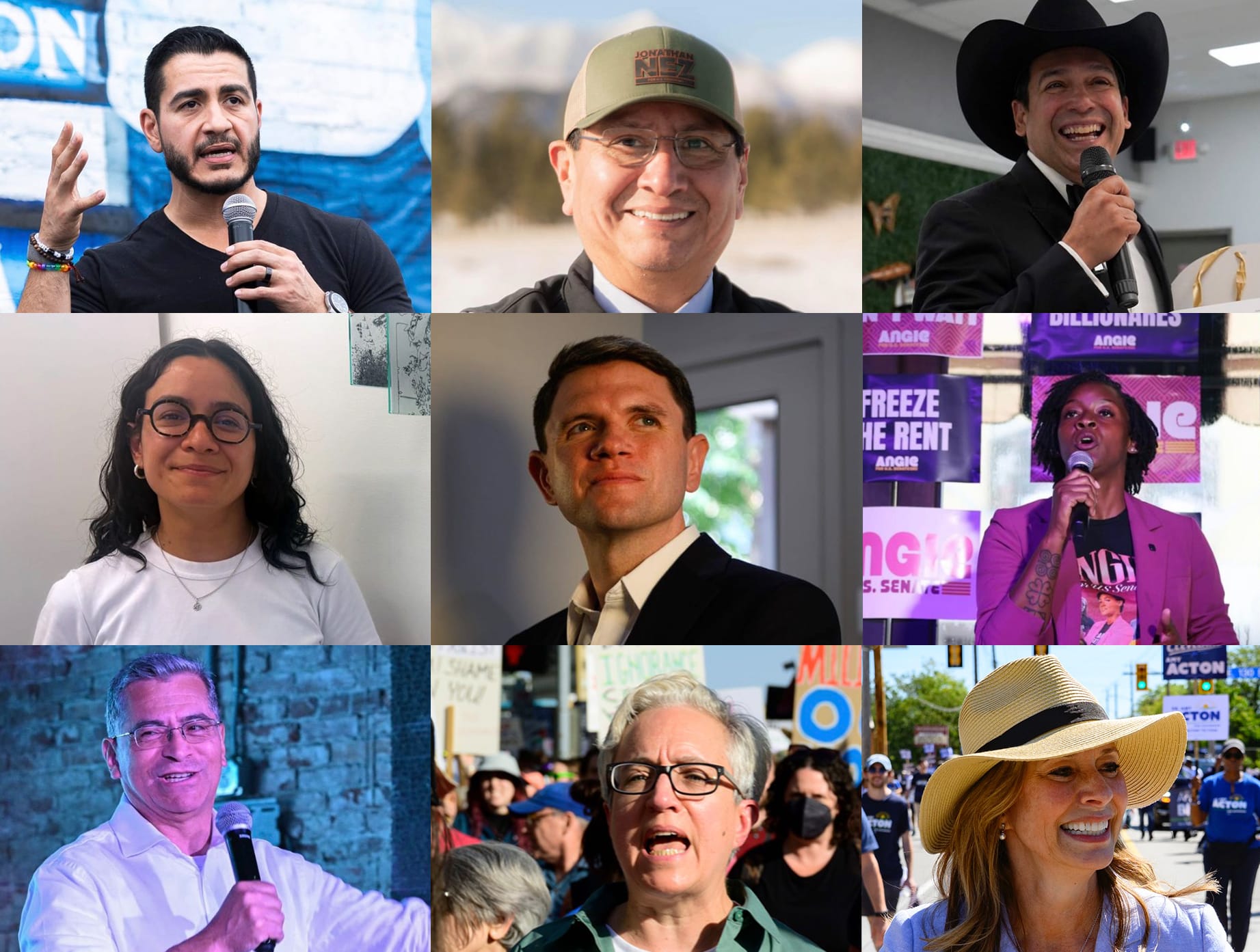
Because the United States Congress holds the ultimate constitutional authority over federal appropriations, control of the House of Representatives and the Senate remains paramount for entities like the National Endowment for the Arts (NEA) and the National Endowment for the Humanities (NEH). Any shift in congressional majorities directly influences the budget allocations that sustain community arts programs, public libraries, and historical archives nationwide. Consequently, cultural workers have closely scrutinized candidate platforms to determine who will defend public funding against anticipated legislative cuts.
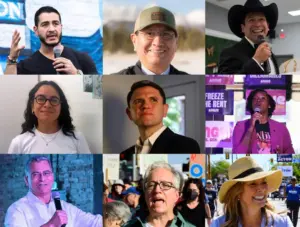
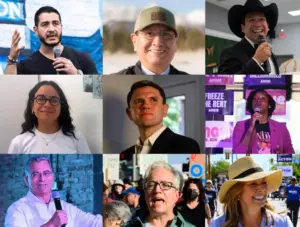
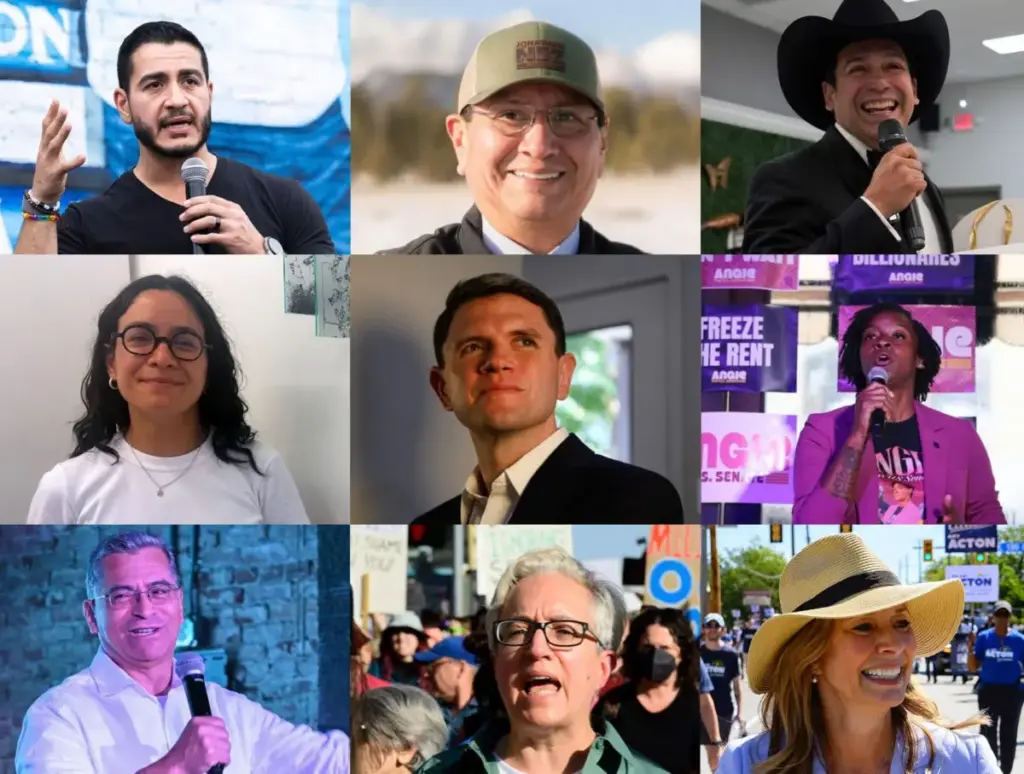
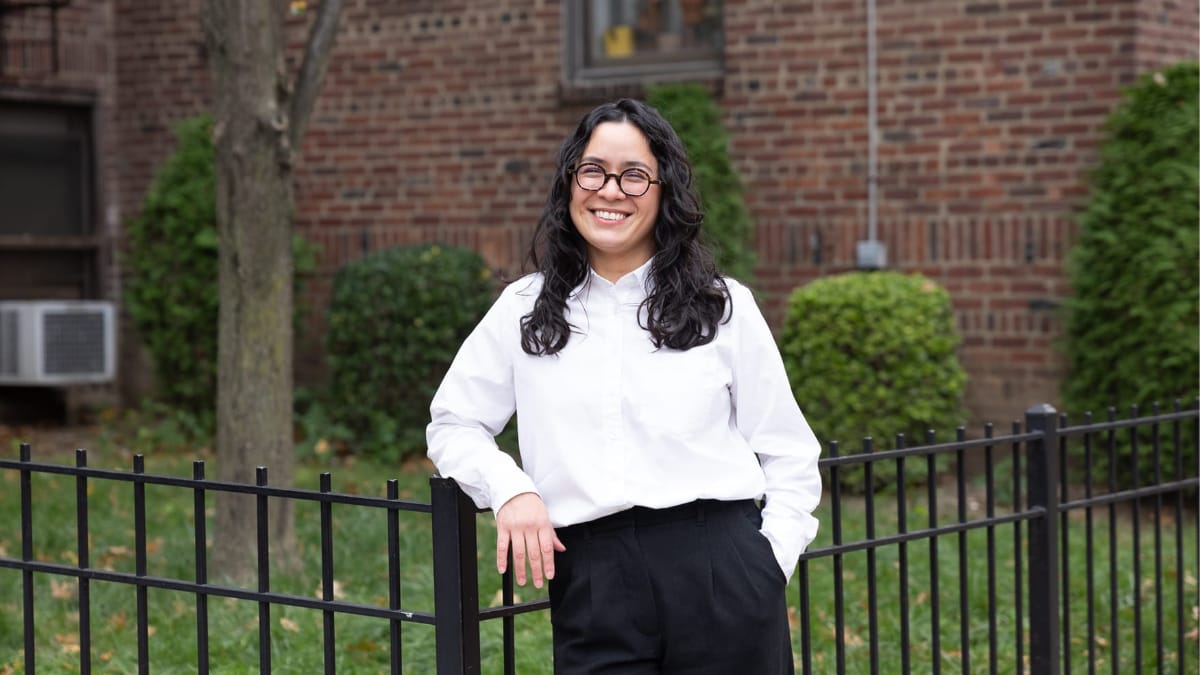
Yet, cultural advocates and progressive candidates alike emphasize that the policies most beneficial to artists are inextricably linked to the broader material needs of the general public. Affordable healthcare, stable housing, equitable education reform, and the uncompromised protection of free speech and creative expression form the foundation of a thriving cultural ecosystem. Candidates such as Claire Valdez in New York and Jonathan Nez in Arizona have repeatedly articulated this perspective, arguing that the struggle for artistic survival cannot be separated from the fight for economic and social justice.
Midterm Coverage and Congressional Hopefuls
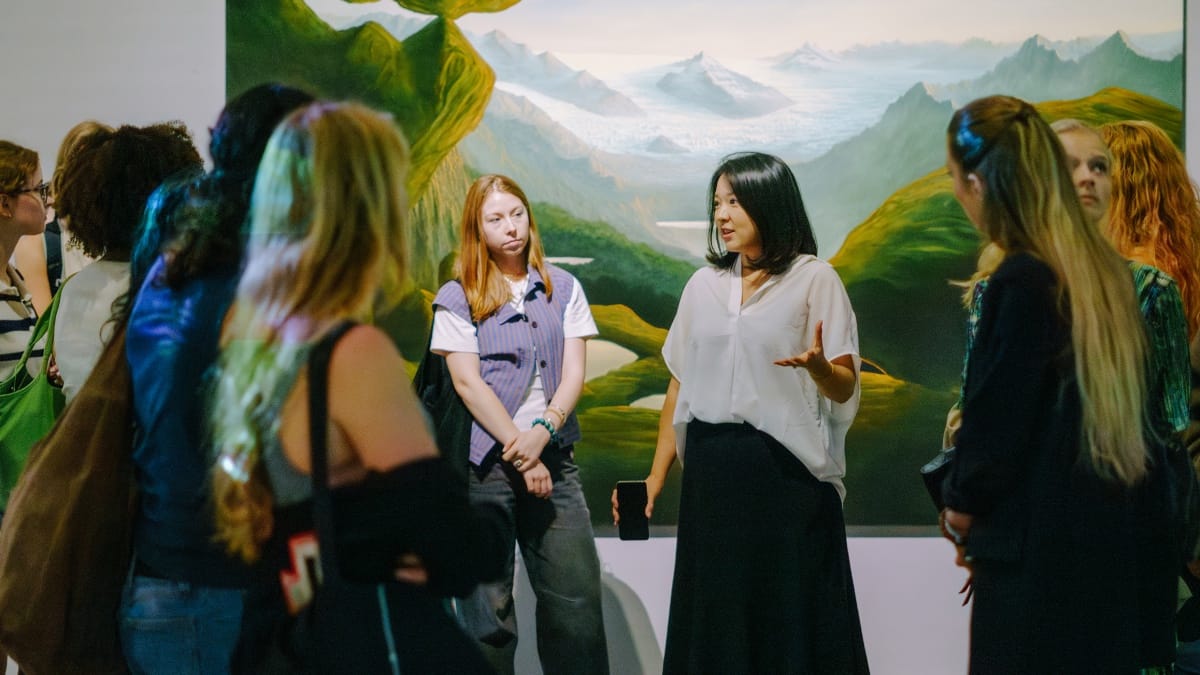
As part of extensive election coverage over the past six months, independent cultural reporting has highlighted candidates who bring lived experience from the arts and indigenous leadership into the political sphere. Claire Valdez, who relocated to New York in 2015 to pursue a career as a working artist, has channeled her background into a congressional run centered on labor rights, housing security, and the protection of creative communities. Valdez’s campaign addresses the precarious economic realities faced by contemporary artists who struggle to sustain their practices amid soaring living costs and shrinking institutional support.
Similarly, former Navajo Nation President Jonathan Nez has brought a vital perspective to his congressional campaign in Arizona, emphasizing indigenous perseverance and the critical importance of historical memory. In interviews discussing his upbringing and political philosophy, Nez has underscored how Diné culture informs his understanding of governance, environmental stewardship, and the preservation of ancestral heritage. His platform highlights the necessity of defending indigenous histories against ongoing legislative efforts to sanitize or erase marginalized narratives from public education and civic life.
These campaigns reflect a growing movement among cultural workers seeking direct political representation to combat systemic neglect and active censorship. From school board disputes over banned books to state-level restrictions on public murals and theatrical productions, the battlefield for free expression has expanded exponentially. Analysts suggest that the results of these congressional races will serve as an indicator of whether local resistance to censorship can find a durable foothold in federal legislation.
Shifting Cultural Landscapes and International Art World Tensions
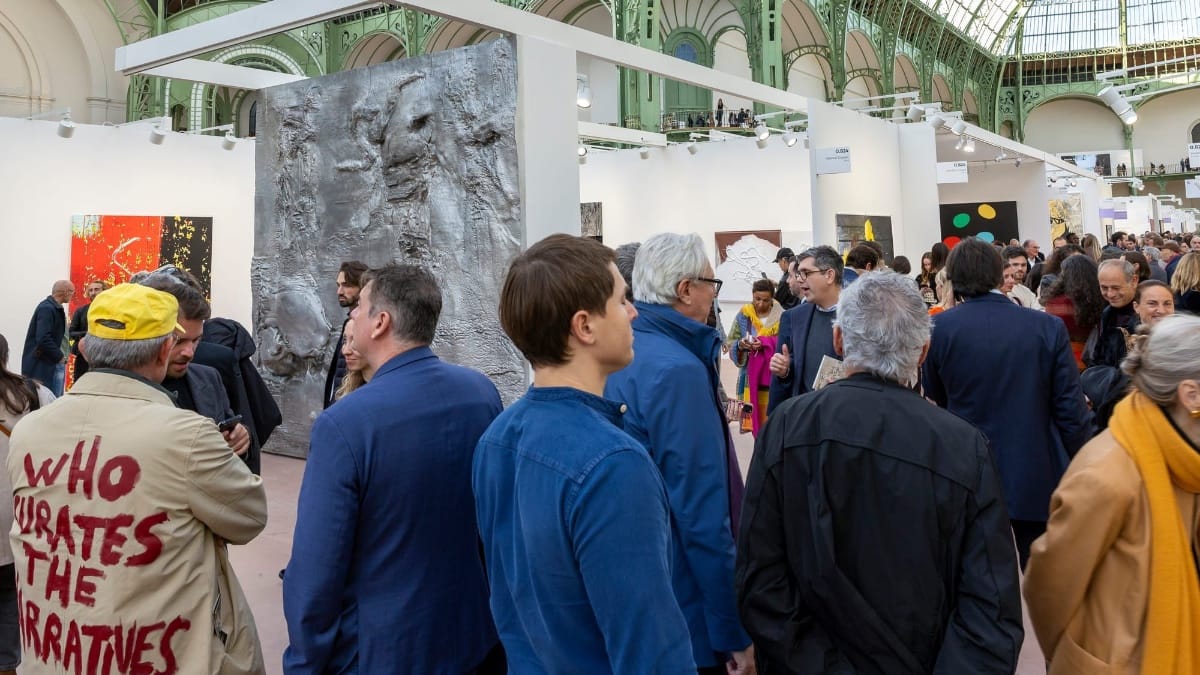
Beyond the domestic political arena, the broader art world continues to grapple with organizational friction and shifting institutional priorities. International art fairs, museum exhibitions, and academic residencies are facing their own internal reckonings regarding labor, funding ethics, and institutional accountability. In Europe, recent friction between French galleries and the organizers of Art Basel Paris has highlighted simmering resentments within the commercial art market. Several local galleries publicly accused the mega-fair’s administration of showing disrespect and even contempt toward regional exhibitors, exposing deep-seated anxieties over the dominance of international conglomerates in local cultural economies.
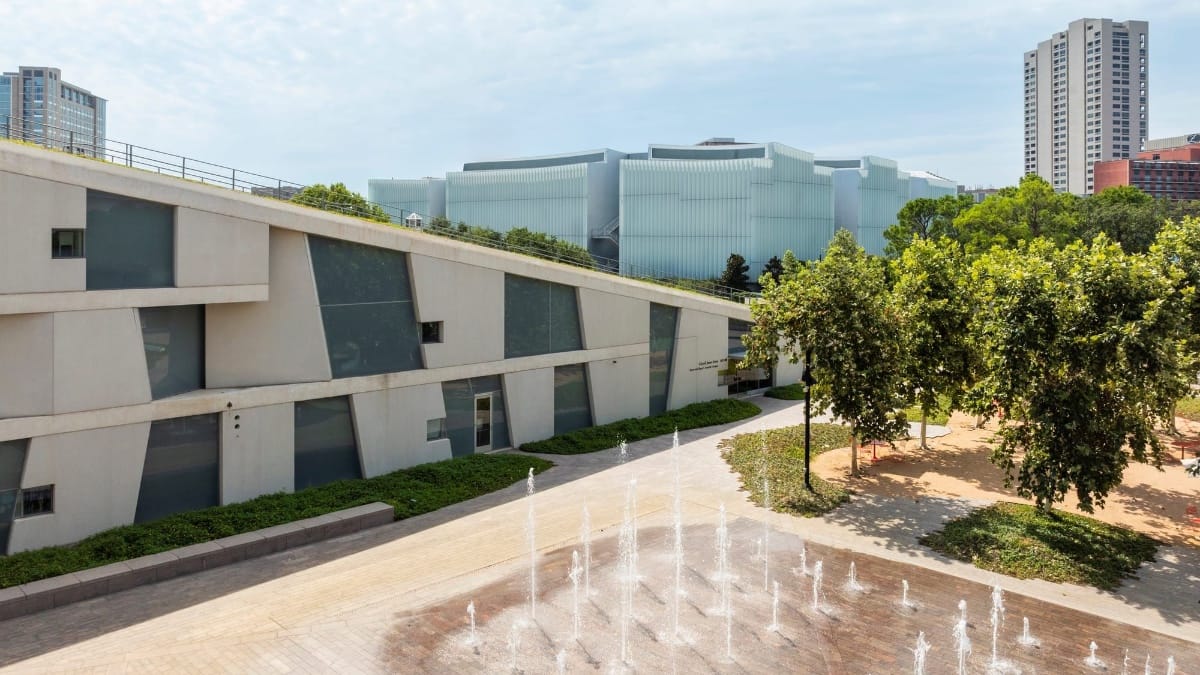
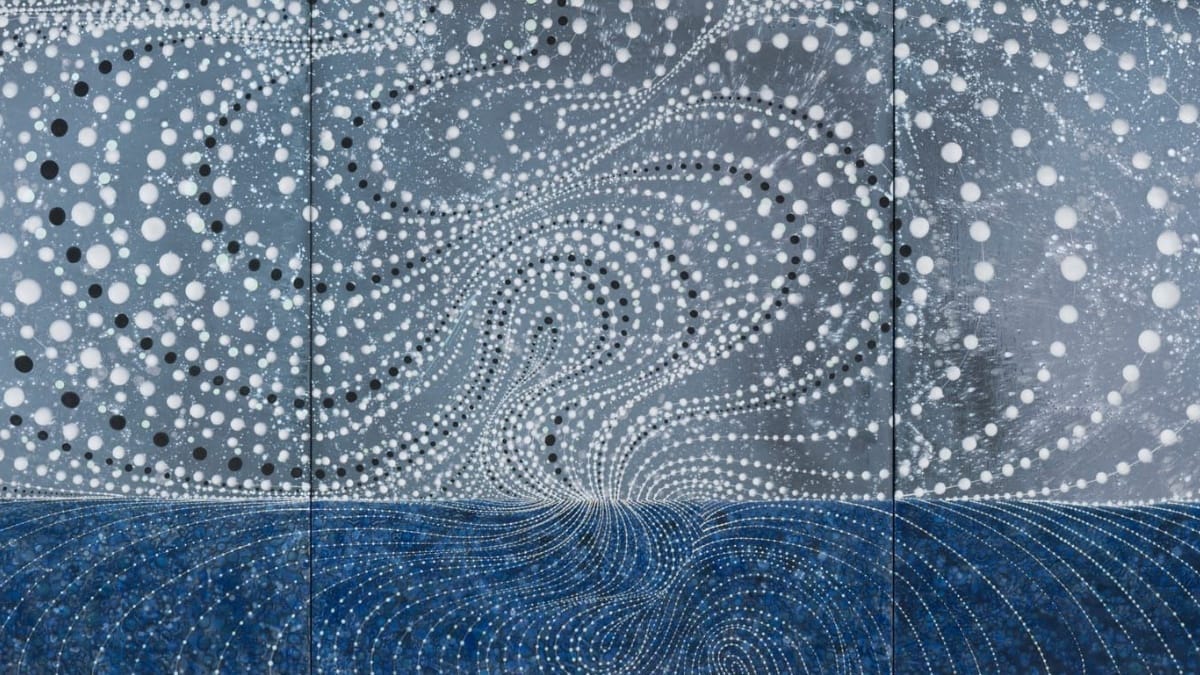
Concurrently, major institutions across the United States are rolling out ambitious exhibitions and fellowship opportunities designed to support artists through turbulent economic times. The Kemper Museum of Contemporary Art has drawn critical acclaim for Barbara Takenaga’s exhibition Awestruck, a comprehensive display of 40 paintings that invite viewers to explore scale, pattern, and altered perceptions. Meanwhile, prestigious institutional anchors such as the Museum of Fine Arts, Houston, have opened applications for their renowned Core Residency Program, offering crucial structural support and community for artists and writers committed to developing sustainable practices amid professional uncertainty.
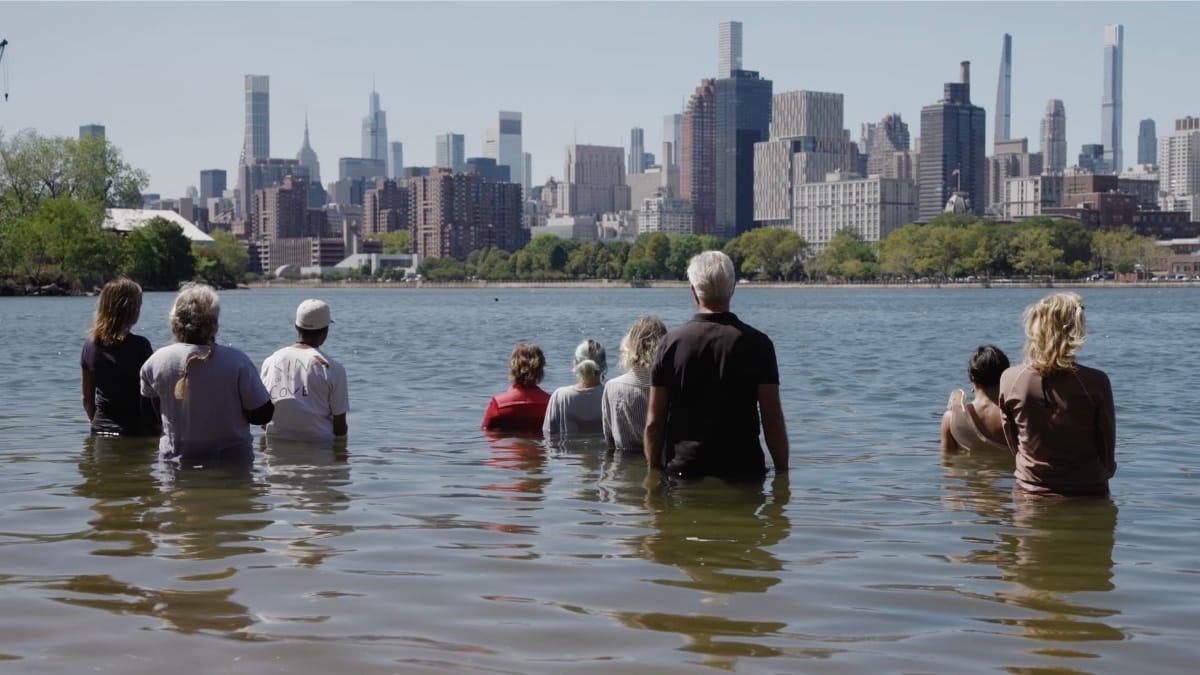
Additional opportunities, including fellowships, grants, and open calls administered by academic institutions and regional galleries such as Columbia University, the Baton Rouge Gallery, and the Nelson-Atkins Museum of Art, remain vital lifelines for creative workers. However, arts advocates caution that philanthropic and institutional grants cannot substitute for robust public infrastructure and protective labor laws, making the outcome of national and local elections all the more critical for the long-term viability of the cultural sector.
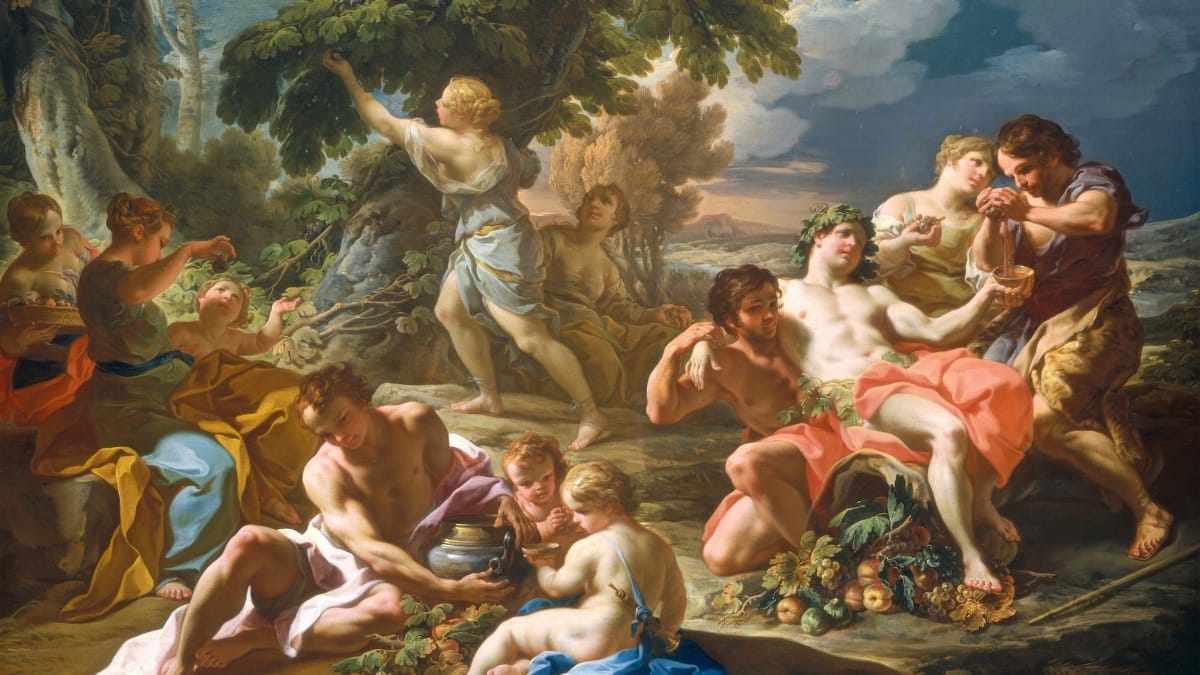
As the polls close and election results begin to materialize, the intersection of politics and culture will undoubtedly remain a defining battleground. Whether the incoming legislative body chooses to bolster public arts funding and safeguard creative freedom or pursue further deregulation and ideological oversight will set the course for American arts and culture for years to come.