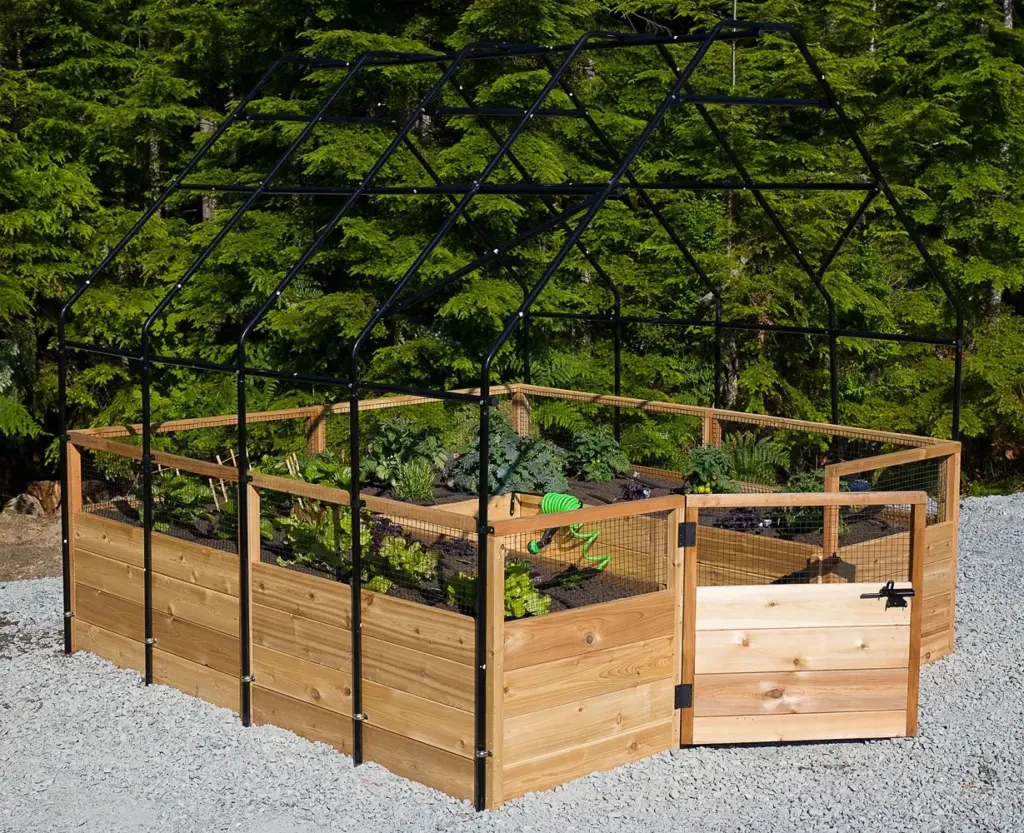
For many dedicated gardeners, the annual growing season often feels frustratingly short, characterized by late-arriving springs, prematurely brisk autumns, and unpredictable weather patterns that can derail even the most meticulously planned horticultural efforts. From sudden torrential downpours to surprise late-season frosts, the elements frequently test the patience of plant lovers. When combined with persistent issues like destructive pests, poor native soil conditions, or severely limited outdoor space, it becomes entirely understandable why a growing number of agricultural hobbyists and home gardeners are making the permanent switch to greenhouse cultivation.
A well-designed greenhouse fundamentally transforms the backyard gardening experience by establishing a carefully controlled micro-environment. This specialized shelter allows growers to nurture significantly healthier plants, experiment with exotic or delicate new crop varieties, and extend their productive growing season well beyond the traditional limitations of outdoor climates. Whether an enthusiast is carefully tending to fragile early-spring seedlings, cultivating warmth-loving summer crops, or maintaining a steady supply of fresh culinary herbs right through the colder months, the presence of the right structure makes an undeniable difference in overall harvest success.
Industry leaders in outdoor structures, such as Outdoor Living Today, have responded to this rising demand by manufacturing premium greenhouses that artfully blend environmental sustainability, expert craftsmanship, and intelligent architectural design. Their specialized line of Western Red Cedar greenhouses helps gardeners establish thriving, long-lasting plant ecosystems capable of withstanding the elements for years to come. Successfully navigating this transition, however, requires a comprehensive understanding of the foundational elements involved in greenhouse horticulture—ranging from selecting the ideal model to effectively managing interior climate controls, soil composition, water resources, and overall plant health.
Selecting the Right Greenhouse
Before planting that very first seed or unspooling a garden hose, prospective greenhouse owners must begin by choosing a structure that directly supports their unique horticultural ambitions. Gardeners must carefully evaluate their available yard space, financial budget, and the specific physiological requirements of the plants they intend to cultivate. Taking these factors into account ensures that the chosen structure integrates smoothly into the surrounding landscape while effortlessly meeting the temperature, humidity, and lighting demands of its botanical inhabitants.
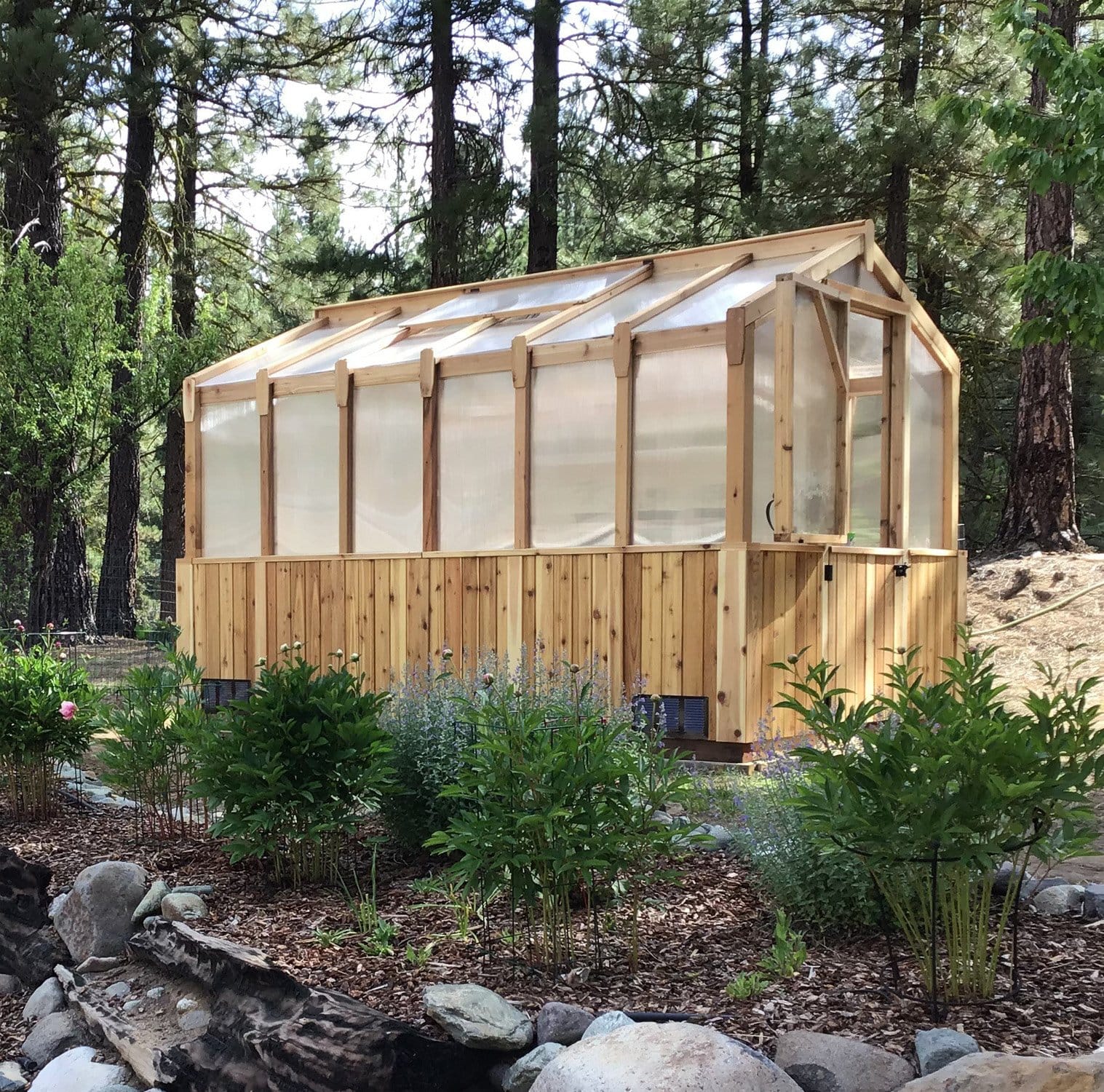
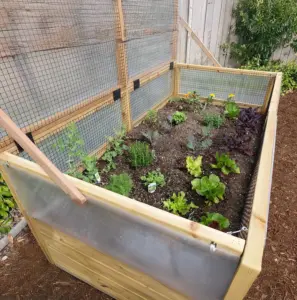
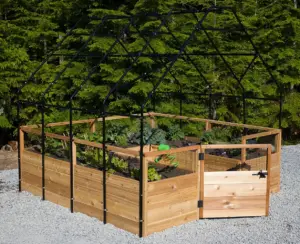
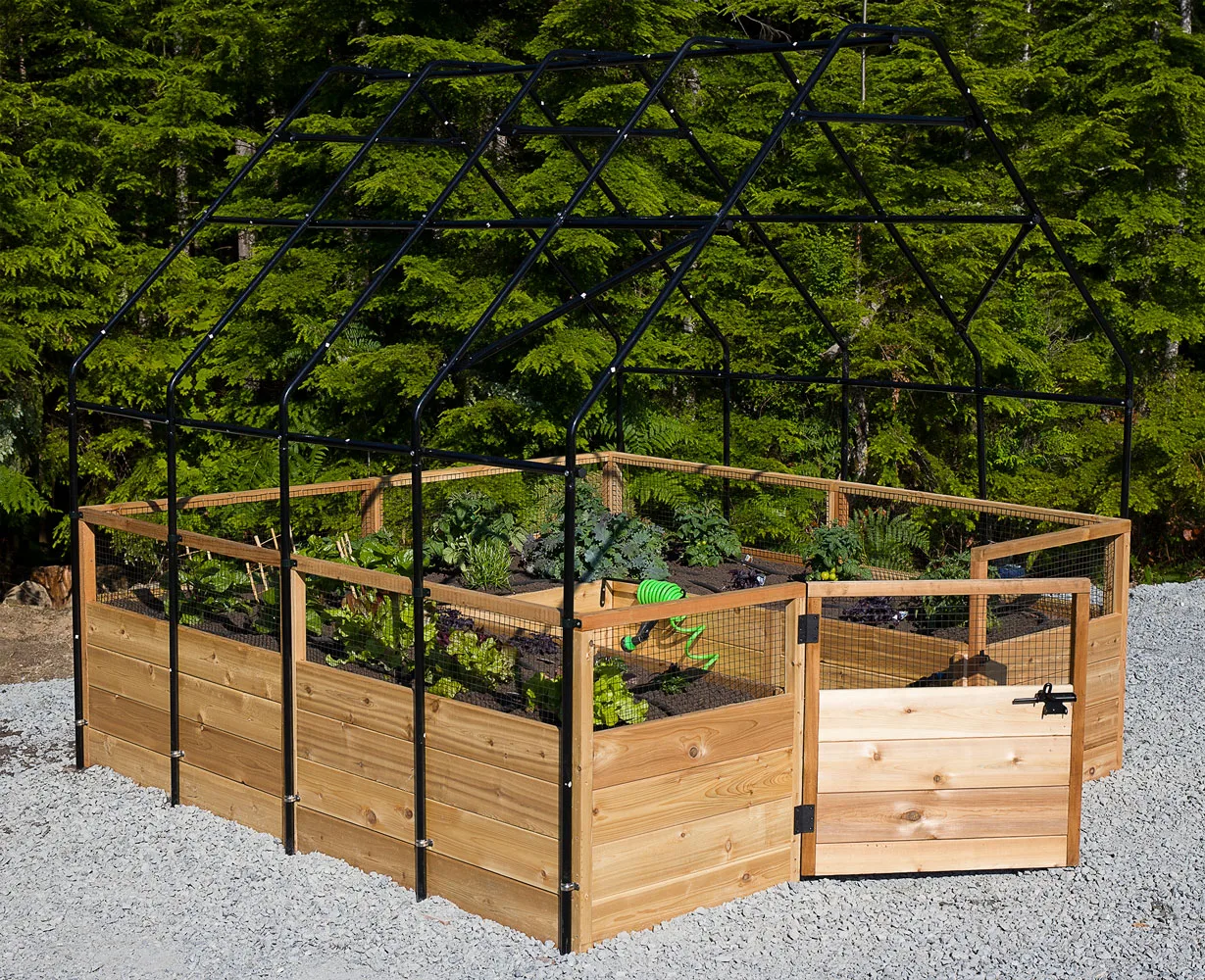
Manufacturers like Outdoor Living Today accommodate these varied needs by offering a diverse range of standardized greenhouse dimensions, including 8×8, 8×12, 12×12, and 12×16 Western Red Cedar models, alongside specialized SunShed configurations. Each of these architectural options provides exceptional structural durability, natural thermal insulation, and a classic, timeless aesthetic that enhances the visual appeal of any residential backyard.
Site Selection and Preparation
Securing the correct physical location for a greenhouse is just as critical as choosing the right model itself. Proper site placement directly dictates how much natural light the structure will receive throughout the day, how efficiently the interior warms during transitional seasons, and how easily the owner can maintain daily operations year-round.
To achieve optimal results, site placement requires strict attention to several key environmental factors. Maximizing sunlight exposure stands out as a primary objective, meaning gardeners should seek out an open location that receives full sun, ideally orienting the structure toward the south to capture maximum winter light. Additionally, clearing away potential obstructions such as overhead debris, low-hanging tree branches, or neighboring structures is vital to prevent unwanted shadows from dampening plant growth.
Establishing a solid, level foundation is another non-negotiable step in the preparation phase. A completely flat base prevents uneven structural settling over time and significantly improves the long-term integrity of the building. Furthermore, taking preventative measures against invasive weeds—such as installing a reliable weed barrier across the base before assembly—stops unwanted vegetation from creeping upward into the greenhouse interior and competing with cultivated plants.
Sustainability: Why Cedar Makes a Difference
As environmental awareness continues to influence consumer choices in the horticultural sector, the materials used to construct garden structures are facing closer scrutiny. Western Red Cedar has steadily emerged as one of the most sustainable and environmentally responsible greenhouse materials available on the market today. Harvested primarily from responsibly managed, renewable forests across the Pacific Northwest of the United States and Canada, cedar boasts a remarkably low environmental impact when compared to petroleum-derived synthetics or heavily chemically treated dimensional lumbers.
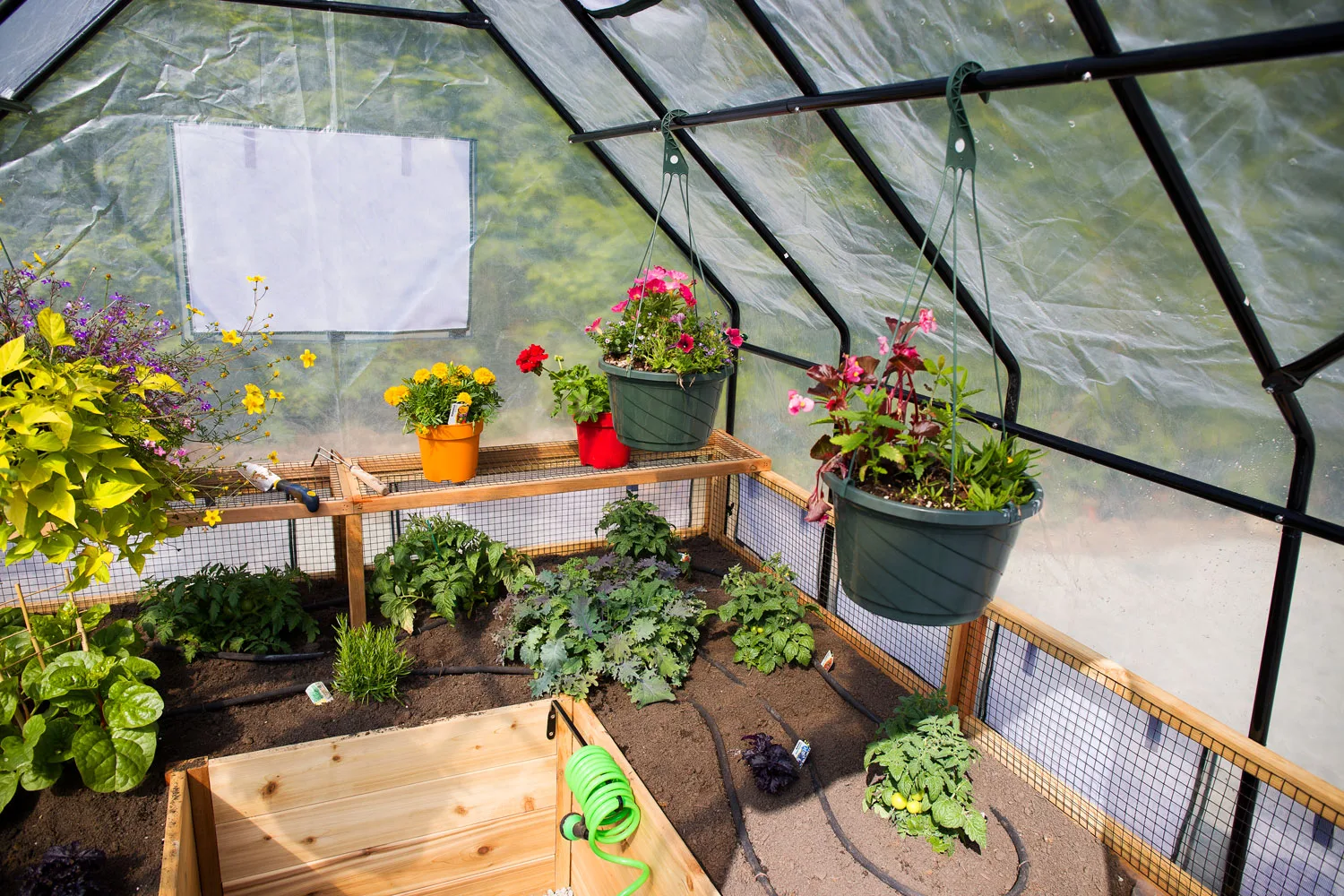
The inherent natural properties of Western Red Cedar make it uniquely suited for long-term outdoor use. The wood is naturally resistant to decay, rot, and insect damage thanks to its heavy concentration of natural oils, completely eliminating the need for toxic chemical preservatives. Furthermore, cedar offers an exceptionally long lifespan in outdoor applications, which drastically reduces replacement waste over the decades. Its low material density means that the wood experiences minimal expansion and contraction when subjected to fluctuating seasonal temperatures, maintaining tight seals and structural alignment. Combined with a lower processing footprint than alternative materials like aluminum or vinyl, cedar represents a truly eco-friendly choice for the conscious gardener. According to forestry researchers, responsibly managed cedar forests help ensure long-term ecological stability through controlled harvesting cycles and mandatory forest regeneration programs.
Climate Control and Ventilation
Maintaining precise internal temperatures and consistent airflow is widely considered the absolute key to achieving long-term greenhouse success. Without an effective ventilation strategy, solar heat and ambient humidity can build up to dangerous levels within a matter of hours. Excessive heat and trapped moisture not only severely stress growing plants but also create an ideal breeding ground for destructive pests and aggressive fungal diseases.
To combat these environmental extremes, quality structures feature built-in regulatory mechanisms. Outdoor Living Today incorporates adjustable roof vents into its greenhouse designs, enabling gardeners to harness natural thermodynamics to exhaust excess heat and regulate interior temperatures without relying entirely on mechanical cooling systems. Balancing this airflow alongside targeted heating methods during freezing winter nights ensures a stable atmospheric baseline for delicate crops.
Irrigation and Water Management
While greenhouse plants frequently require more consistent and reliable moisture levels than their counterparts planted directly in open outdoor earth, overwatering poses an equally hazardous threat. Excessive moisture in an enclosed, humid environment quickly paves the way for destructive root rot, persistent fungal pathogens, and the leaching of vital nutrients from the soil media.
Implementing efficient irrigation practices helps strike the necessary balance. Gardeners often utilize specialized misting nozzles to provide gentle, consistent humidity tailored to moisture-loving plants and fragile seedlings. To enhance sustainability, many owners incorporate dedicated rainwater collection systems—such as customized barrel kits tied into the greenhouse guttering—to provide chemical-free water for their crops. Ensuring proper sub-surface and structural drainage is equally crucial to prevent standing water from accumulating and saturating the foundational soil base. Industry data indicates that utilizing enclosed greenhouse structures can ultimately reduce overall water consumption compared to traditional open-field farming, largely due to controlled, targeted irrigation delivery and significantly reduced evaporation rates.
Soil and Plant Selection
The enclosed nature of a greenhouse allows for unprecedented control over growing conditions, but this high level of management requires that both soil quality and plant selection be approached with absolute intentionality. Growers must utilize high-quality, well-draining soil mixes heavily enriched with organic matter to support intensive production. Periodic testing of soil pH and nutrient levels is necessary to maintain optimal fertility over successive planting cycles, ensuring the growing medium contains sufficient perlite, compost, and structural aeration to support robust root systems.
When it comes to selecting what to grow, greenhouses open up a vast array of possibilities. Gardeners frequently utilize these structures to cultivate an extensive variety of crops, including culinary herbs, leafy greens, warm-weather favorites like tomatoes, peppers, and cucumbers, as well as citrus trees and specialty cut flowers. Many enthusiasts choose to start their seeds indoors within specialized propagation trays, carefully transplanting the young plants into the greenhouse beds once their root systems are firmly established. Alternatively, for those seeking quicker initial results, purchasing healthy nursery stock and gradually acclimating the plants to the specific microclimate of the greenhouse provides a reliable shortcut to a thriving harvest.
By incorporating a thoughtfully selected and properly prepared cedar greenhouse into an everyday gardening routine, enthusiasts unlock an expansive world of agricultural opportunities. From extending the productive calendar far beyond traditional frost dates to cultivating stronger, more resilient plants throughout every season of the year, the modern backyard greenhouse stands as a versatile sanctuary for anyone passionate about the soil.