Published on October 2, 2026
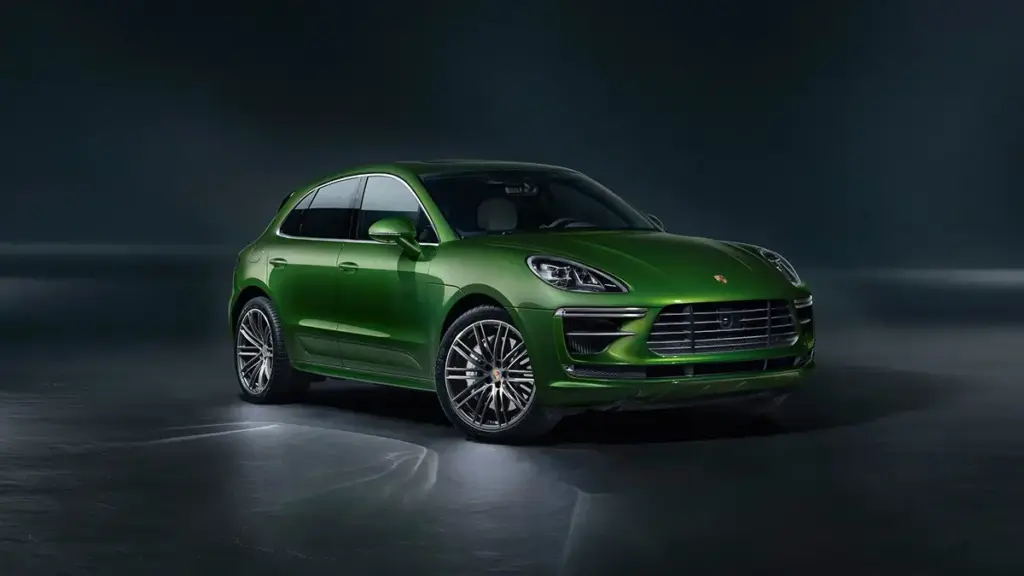
The gas-powered Porsche Macan will return to the luxury automaker’s global portfolio, marking a significant strategic pivot for the German performance brand. News of this unexpected comeback comes directly from the top, revealed by Porsche’s new Chief Executive Officer, Mark Leiters, during a recent interview with The Financial Times. The decision signals that while Porsche remains committed to its long-term electrification goals, leadership has recognized the vital commercial value of offering both battery-electric and internal-combustion-engine (ICE) versions of its best-selling model to satisfy shifting global consumer demand.
Leiters made the revelation during his first interview with international media since taking over the helm at Porsche in January. The executive, who previously served as the head of McLaren, addressed what he characterized as an "unfair" label as an EV skeptic. Instead, Leiters explained that his primary objective is to revitalize the company’s financial performance. Porsche’s profits have faced notable headwinds in recent quarters, impacted in part by a sharp downturn in sales within the crucial Chinese market. To counter these financial pressures, Leiters believes the most effective strategy involves developing new gas-powered sports cars and SUVs. Crucially, the fastest route to achieving this stability is bringing back the internal combustion engine variant of the Macan—a model that has reigned as one of the brand’s most popular vehicles worldwide since its initial market introduction in 2014.

The transition timeline and market data underscore why the executive team is rethinking its near-term product strategy. Porsche initially sought to transition the Macan nameplate to a purely electric architecture, launching the second-generation, battery-powered Macan in 2024. However, sales figures from the first half of 2026 reveal a challenging market response. Demand for the original first-generation gas-powered model plummeted significantly year-over-year as availability tightened. Meanwhile, the new electric variant saw only a modest 2 percent sales increase during the same timeframe.
While a 2 percent growth figure might seem stable on the surface, Porsche faced compounding regulatory hurdles that complicated the transition. The brand was forced to discontinue sales of the first-generation internal-combustion Macan in the European Union prior to the start of 2025 due to stringent new regional cybersecurity regulations. Although the gas-powered SUV remained available to buyers in North America for a period, production of that generation officially wrapped up in the summer of 2026. Prior to halting assembly lines, Porsche proactively stockpiled inventory of the gas-powered Macan to bridge the impending availability gap, ensuring dealerships could meet lingering consumer demand while future product plans were formulated.
Under Leiters’s newly unveiled roadmap, the resurrected gas-powered Macan is expected to return to showrooms by 2028. Rather than acting as a temporary stopgap or outright replacing the battery-electric variant, the upcoming internal-combustion SUV will be sold directly alongside the electric model. This dual-track strategy highlights Porsche’s evolving philosophy of maintaining a balanced commercial lineup, ensuring that customers demanding traditional powertrain technology have a viable option within the brand’s luxury utility segment.

"We have to recover our petrol strategy, but I’m very positive that once we have the Macan with the petrol engine, we have a very balanced offer for our customers on electric and petrol cars," Leiters told The Financial Times during the interview.
This pragmatic realignment of Porsche’s product portfolio extends beyond the Macan model line, though the brand’s broader electrification schedule remains nuanced. Industry observers have closely watched how the automaker plans to handle its iconic sports car hierarchy amid shifting regulatory and market landscapes. Leiters confirmed that the development of the battery-powered, fourth-generation 718 sports car remains firmly on track, continuing Porsche’s push into electric performance for its lighter-weight sports car segment, though specific details regarding traditional performance-oriented variants for that upcoming generation have not yet been finalized.
At the same time, Porsche continues to draw a strict line regarding the sacred heart of its lineup. Reaffirming previous corporate statements, Leiters reiterated that an electric version of the legendary Porsche 911 will not be introduced anytime soon, ensuring that the brand’s flagship sports car will retain its internal combustion engine for the foreseeable future as Porsche recalibrates its balance between electrification and traditional petrol-powered performance.