Educators across the country are increasingly looking beyond traditional classroom walls to bring learning outdoors, driven by a growing body of research highlighting the profound benefits of nature on student focus, emotional well-being, and academic confidence. As schools embrace outdoor education as a core component of the modern curriculum, one particular initiative has taken deep root in schoolyards nationwide: the integration of raised garden beds.
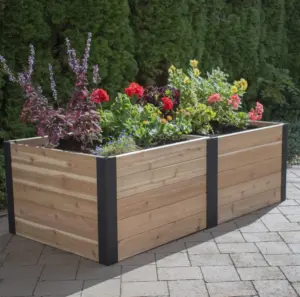
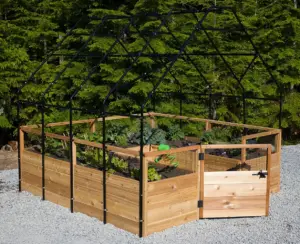
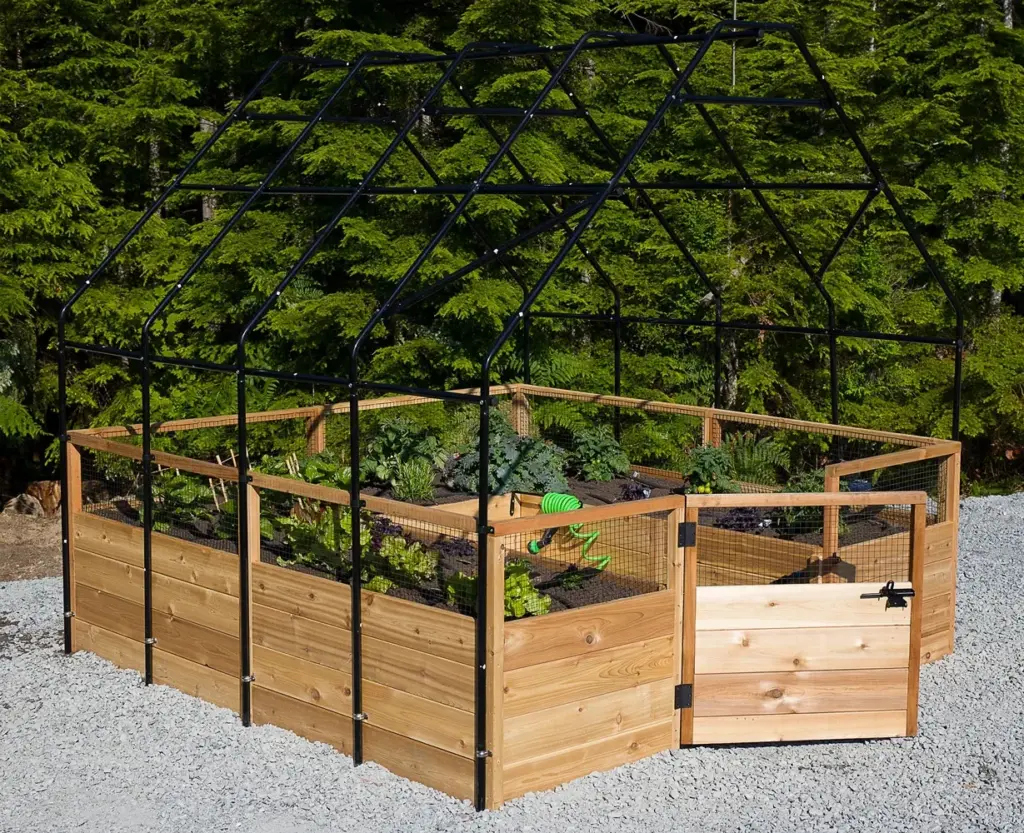
These living laboratories offer students a tangible way to explore complex subjects such as science, ecology, and food systems through direct, tactile experience. To support this growing movement, manufacturers like Outdoor Living Today—a Canadian producer specializing in durable Western Red Cedar garden products—have been providing reliable, long-lasting infrastructure designed to withstand rigorous daily use in educational settings year after year.
The shift toward garden-based learning reflects a broader educational philosophy that values experiential discovery over passive absorption. According to research from the American Horticultural Society, integrating gardens into school programs yields measurable improvements in academic performance, encourages physical activity, and significantly enhances the social and emotional development of participating children.
Rather than serving merely as a pleasant extracurricular hobby, a school garden functions as a living extension of core academic subjects. Mathematical concepts come to life when students measure growth rates, calculate plot dimensions, and track yields. Scientific inquiry is sparked naturally through the observation of biological life cycles, soil chemistry, and local weather patterns. Language arts flourish as students maintain observational journals, write descriptive poetry, and document their botanical findings.
Furthermore, this hands-on approach directly addresses critical public health and nutritional challenges. A study conducted by Cornell University demonstrated that children who participate in school garden programs exhibit a markedly higher willingness to consume fresh vegetables and develop a deeper, more enduring understanding of where their food actually comes from. By bridging the gap between farm and table within the schoolyard, students build a foundational appreciation for healthy eating habits that often extend far beyond the school day.
Beyond academics and nutrition, the garden serves as a powerful arena for social and emotional growth. Working collaboratively in an outdoor space teaches students vital lessons in patience, shared responsibility, conflict resolution, and teamwork. Cultivating a plant from a tiny seed to a harvestable crop instills a profound sense of accomplishment and pride, reinforcing the reality that hard work and dedication yield meaningful rewards.
Launching a successful school garden program, however, requires careful planning, community collaboration, and thoughtful execution. Educational administrators and lead teachers typically begin the process by mapping out a comprehensive design that considers sunlight exposure, accessibility, and available space. Securing necessary administrative approvals and coordinating with school boards ensure that the project aligns with district policies and long-term campus maintenance plans.
Gathering supplies is a critical next step, often involving the acquisition of essential tools such as trowels, soil, watering cans, seeds, and durable framing materials. Many schools successfully offset these startup costs by forging partnerships with local businesses, garden centers, and community members who are eager to donate supplies, fund specific raised beds, or volunteer their time.
Once the physical infrastructure is in place, educators weave the garden directly into daily lesson plans. Rather than treating the outdoor space as a separate entity, teachers integrate gardening activities into existing curricula across multiple disciplines. Students are encouraged to take an active role at every stage of the process—from sketching initial bed layouts and planning crop rotations to sharing daily maintenance chores. This high level of student involvement fosters an invaluable sense of ownership and deepens overall engagement.
Plant selection is another vital consideration, requiring educators to choose varieties that thrive within their specific regional climate and align with the academic calendar. Many schools opt for a diverse mix of fast-growing vegetables, aromatic herbs, and colorful flowers to maximize both the aesthetic appeal and the educational value of the space. To further enrich the learning environment, schools often establish dedicated gardening libraries filled with children’s nature books, instructional videos, and field guides, while inviting local horticulturists and master gardeners to lead interactive workshops.
Maintenance and care routines transform the garden into a living classroom for sustainability. Regular watering, weeding, and pest control provide natural opportunities to teach students about ecological stewardship, water conservation, soil health, and composting. These daily tasks demand consistency and foresight, reinforcing the reality that living systems depend on attentive, long-term stewardship.
The culmination of these combined efforts typically arrives with the harvest, a milestone that schools often mark with celebratory events to honor the students’ dedication. The freshly harvested produce is frequently incorporated into cafeteria meals, featured in classroom tasting sessions, or donated to local community food banks, connecting the school directly to its surrounding neighborhood.
Finally, program evaluation ensures the long-term sustainability of the garden initiative. Educators collect feedback from students, teachers, and staff to assess the overall impact of the program, identify areas for improvement, and refine lesson plans for the following academic year.
Central to the longevity of these initiatives is the quality of the physical beds themselves. Western Red Cedar has emerged as a premier material for school gardens due to its natural, non-toxic properties, resistance to harsh outdoor weather, and inherent safety for food-growing environments. Its exceptional durability significantly reduces long-term maintenance and replacement costs, making it a prudent, sustainable investment for educational institutions seeking to enrich their campuses for generations to come.