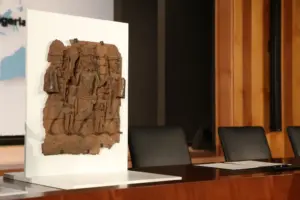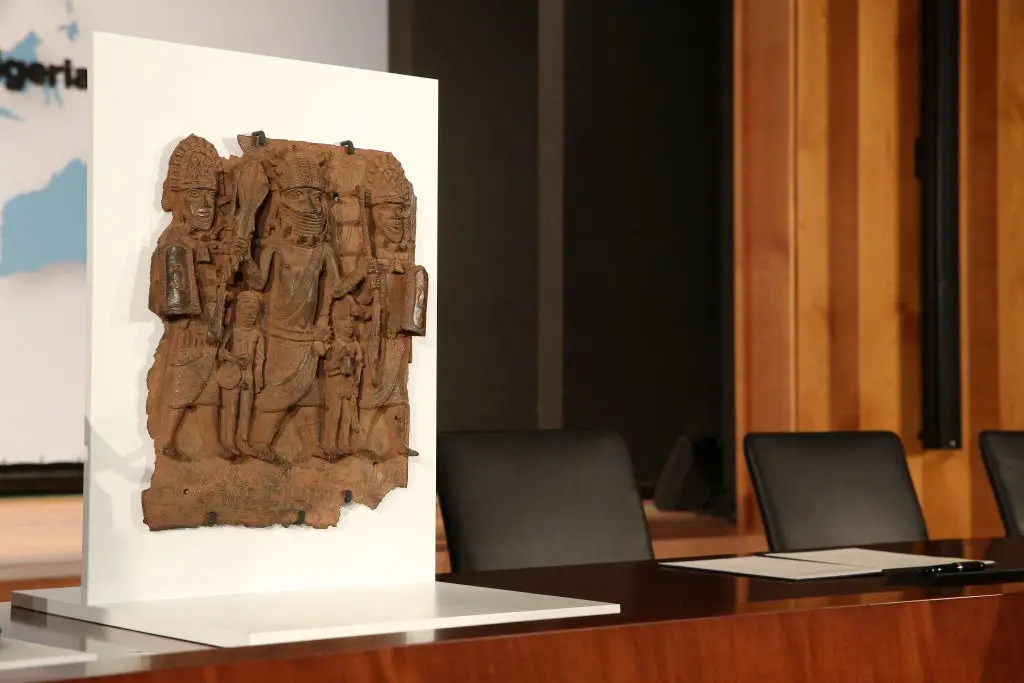
Stockholm — In a landmark cultural transfer, the Swedish government is set to officially return 40 sacred artifacts originating from the historic Kingdom of Benin to Nigeria. This momentous development marks one of the largest single repatriations of the globally renowned and historically significant works collectively known as the Benin Bronzes, signaling another major milestone in the ongoing worldwide movement to restore stolen heritage to its rightful homes.
According to reports from Nigerian media, a formal delegation representing the Benin Palace is expected to receive the invaluable artworks in Lagos today. The handover represents the culmination of years of persistent diplomatic engagement, cultural advocacy, and meticulous negotiation. For Oba Ewuare II, the reigning monarch of Benin, the return of these treasures is the realization of a lifelong ambition and the continuation of a multi-generational crusade led by his predecessors.
Since ascending to the ancient throne, Oba Ewuare II has advocated fiercely for the repatriation of a vast array of bronze sculptures, intricate ceremonial objects, and masterfully crafted ivory carvings. These items, dispersed across numerous public museums and private collections worldwide following their violent displacement over a century ago, form the bedrock of the cultural identity of the Edo people. His tireless efforts have met with considerable success in recent years as international attitudes toward colonial-era acquisitions have undergone a profound transformation.
Reflecting on the emotional weight of this milestone, the monarch highlighted the unbroken lineage of dedication required to bring the artifacts back to Nigerian soil. "We have been trying, through my grandfather’s efforts, to bring back our artifacts," Oba Ewuare II said in a statement. "My grandfather succeeded, my father succeeded more, and I think now history is obvious to everybody. We are doing our best to triple and triple all those efforts of our forefathers."
The tragic history underpinning these repatriations dates back to the closing years of the nineteenth century. The Kingdom of Benin, located in what is now modern-day Nigeria, was stripped of approximately 5,000 royal and religious objects in 1897. During a brutal punitive expedition led by British military forces, imperial troops sacked the royal palace, setting fire to the ancient city and carting away thousands of masterpieces that had documented centuries of dynastic history, spiritual practices, and artistic achievement.
In the aftermath of the 1897 expedition, these looted treasures were rapidly dispersed through illicit channels, finding their way into the hands of art dealers, private collectors, and prestigious public institutions across Europe and North America. Over the decades, the dispersed Benin Bronzes evolved into powerful symbols of the broader injustices of the colonial era. They became central to the fierce, ongoing global debate regarding the ethics of ethnographic collections, museum acquisition policies, and the moral imperative of restitution for formerly colonized nations.
In recent years, however, public sympathies and institutional policies have noticeably shifted. A growing recognition of historical wrongs has prompted a wave of voluntary repatriations across the globe. Cultural authorities and government ministries in countries such as the Netherlands, Germany, and Switzerland, alongside numerous prominent institutions across the United States, have increasingly acknowledged the legitimacy of restitution claims. Consequently, many have initiated the process of returning Benin Bronzes and other contested ethnographic objects to their countries and communities of origin, transforming theoretical debates about decolonization into tangible acts of cultural restitution.
Sweden’s decision to return the 40 sacred artifacts to Nigeria is part of a broader, dual repatriation initiative announced by Stockholm today. In addition to the handover of the Benin Bronzes, the Swedish government officially confirmed that it will return 77 distinct cultural objects belonging to the Kallawaya people, including sensitive human remains, to the Archaeological Museum in La Paz, Bolivia.
Historical records indicate that these Bolivian remains and artifacts were taken out of the South American nation illegally. For decades, they remained housed within the collections of Sweden’s World Culture Museum. The long-awaited transfer of ownership was initially announced by the Swedish government in 2023, paving the way for the physical return of the ancestral items to Bolivian custody, where they can finally receive the respectful treatment and cultural context denied to them while held abroad.
As the delegation from the Benin Palace prepares to receive the 40 artifacts in Lagos, the dual announcements from Stockholm underscore a changing global landscape for museums, cultural ministries, and indigenous communities alike. By addressing historical grievances through the return of both Nigerian royal art and Bolivian ancestral heritage, Sweden’s actions reflect a growing international consensus that cultural heritage displaced by colonial expansion and illicit trafficking rightfully belongs with the descendants of those from whom it was taken.