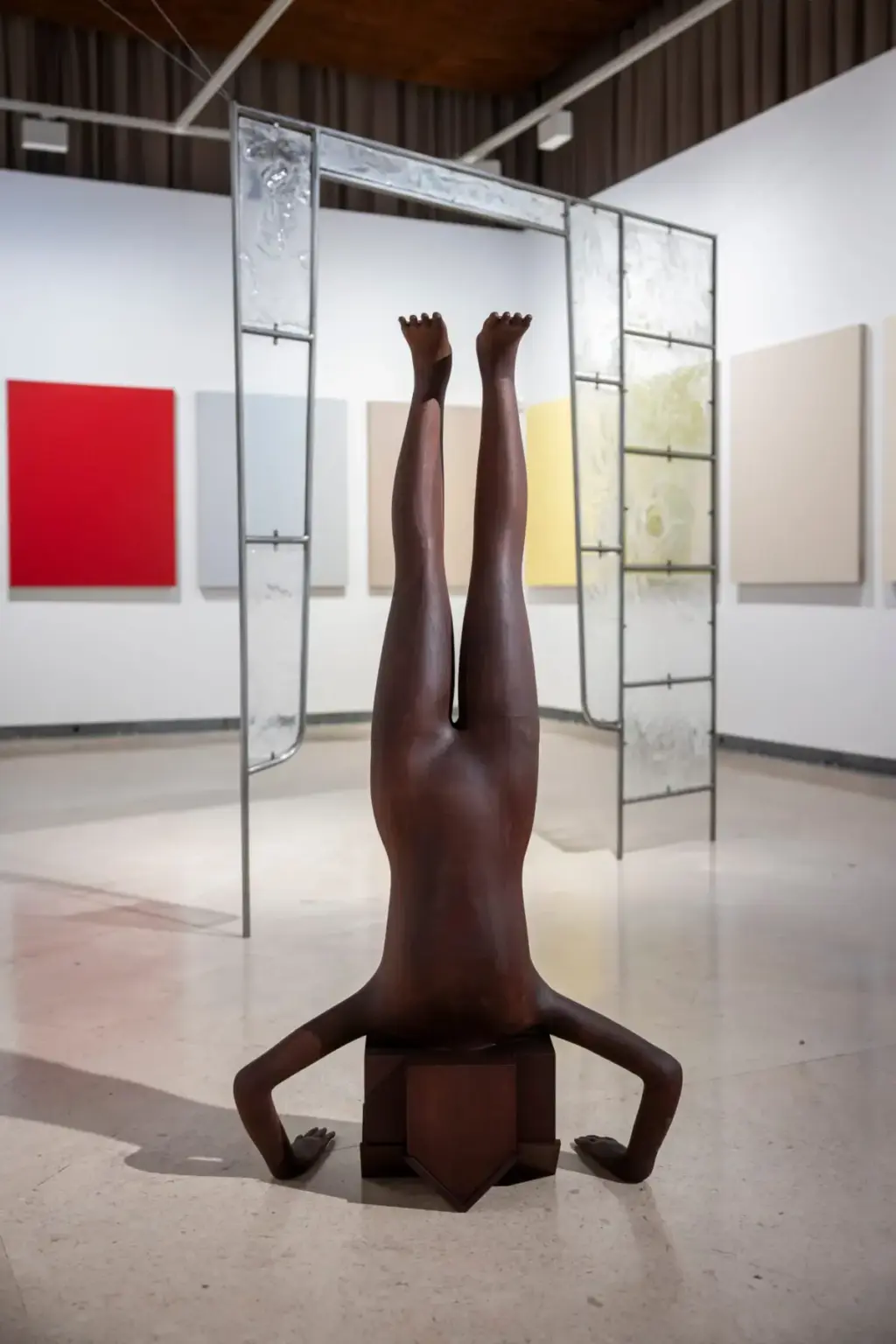
An ambitious, multi-nation exhibition series organized by the Vatican has brought together more than 100 celebrated contemporary artists—including prominent figures such as Arthur Jafa, Jeremy Frey, and Mona Hatoum—to celebrate and champion "fundamentally human" creativity at a time when artificial intelligence models are rapidly transforming the global cultural landscape.
Spanning seven coinciding international exhibitions across different continents, the newly established Catholic Universities Art Triennale, known as ArtCut, deliberately centers empathy and deep self-reflection as the primary drivers of humanity’s progress, intentionally shifting the cultural focus away from the relentless pursuit of technological advancement and algorithmic output.
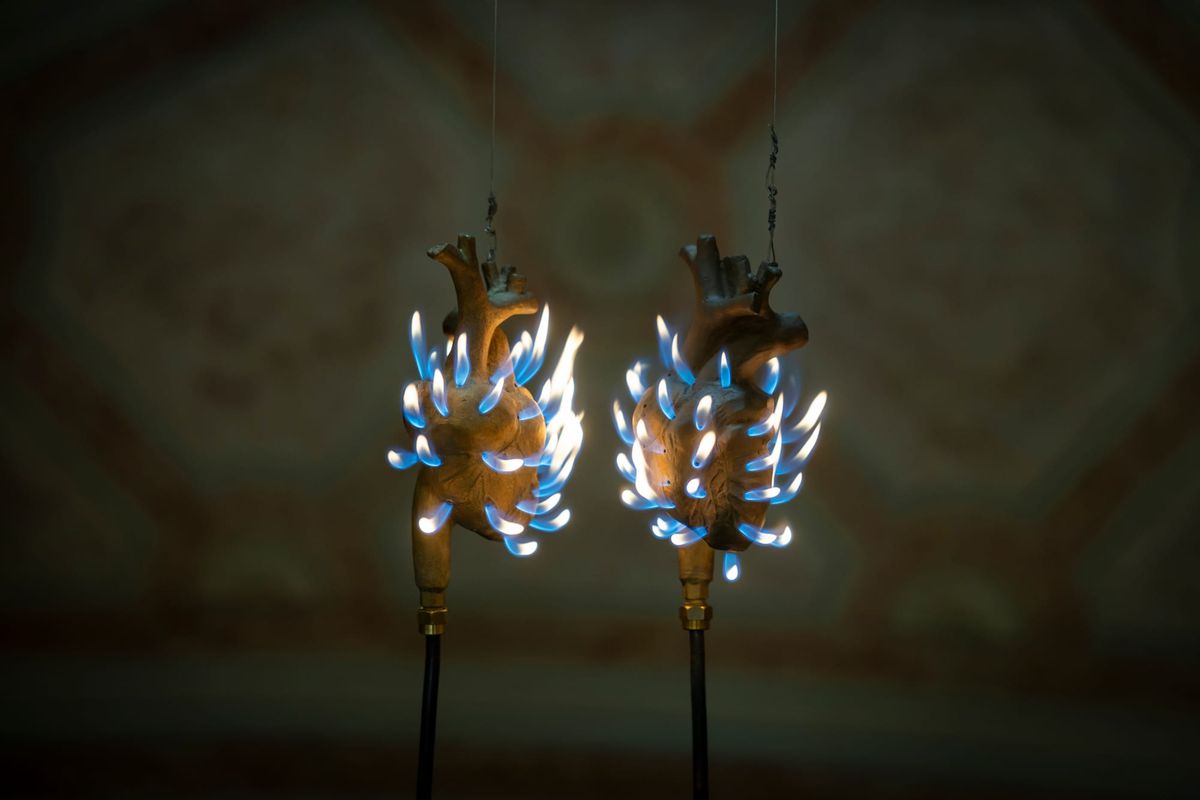
Assembled under the overarching umbrella theme Exercises in Empathy, ArtCut expands directly upon Pope Leo XIV’s earlier encyclical and public statements warning society about the urgent need to safeguard the human condition from the creeping capacities of artificial intelligence, which the pontiff has characterized as posing risks of manipulation and a dangerous, delusional sense of omnipotence.
The international contemporary art initiative was commissioned by Cardinal Tolentino de Mendonça, the prefect of the Dicastery for Culture and Education of the Holy See. Under his direction, the Triennale has established simultaneous exhibitions hosted at seven distinct Catholic universities located across Brazil, Chile, Colombia, Italy, Portugal, Angola, and the United States. By decentralizing the exhibitions into a global network spanning the Global South and North, the organizers aim to foster a broad, cross-cultural dialogue about the irreplaceable nature of human expression.
The foundational impetus for ArtCut responds directly to the Pope’s philosophical and theological assertions regarding the fundamental limitations of machine learning and generative artificial intelligence. Pope Leo XIV has previously argued that AI systems fundamentally "do not understand what they produce, for they lack the affective, relational and spiritual perspective through which human beings grow in wisdom." Within this philosophical framework, each of the seven exhibitions is carefully curated to focus on defining facets of the human experience—encompassing both our physical vulnerabilities and our intellectual depths—that algorithms cannot replicate.

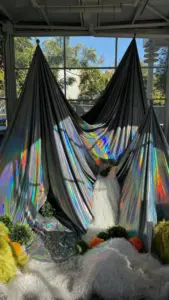
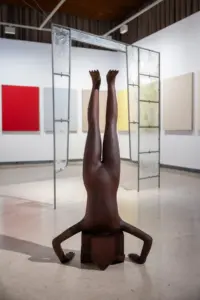
The roster of participating artists reflects a diverse and globally recognized cross-section of contemporary art, bringing together diverse mediums, materials, and cultural perspectives. Among the notable works featured in the inaugural edition are pieces by renowned artists such as Vanderlei Lopes, Julião Sarmento, Andreia Santana, and Carlos Bunga. Their works, alongside those of Jafa, Frey, Hatoum, and dozens of others, utilize sculpture, installation, fiber arts, and visual media to explore themes of physical presence, memory, grief, and interpersonal connection.
By placing these works within university settings associated with the Catholic Church, the Triennale seeks to bridge the gap between contemporary art institutions, academic inquiry, and spiritual reflection. The exhibitions deliberately invite viewers to confront the physical reality of the artwork—the texture of hand-woven baskets, the deliberate marks of a sculptor’s chisel, the precarious balance of physical materials—as tangible proof of human labor, intention, and emotional depth.
As artificial intelligence continues to infiltrate commercial design, commercial art, and public discourse, the Catholic Universities Art Triennale positions itself as a major cultural counterweight. Rather than rejecting technology outright, Exercises in Empathy and its participating artists offer an alternative vision of progress, asserting that true creative evolution is rooted not in automated efficiency, but in the messy, embodied, and deeply relational reality of being human.