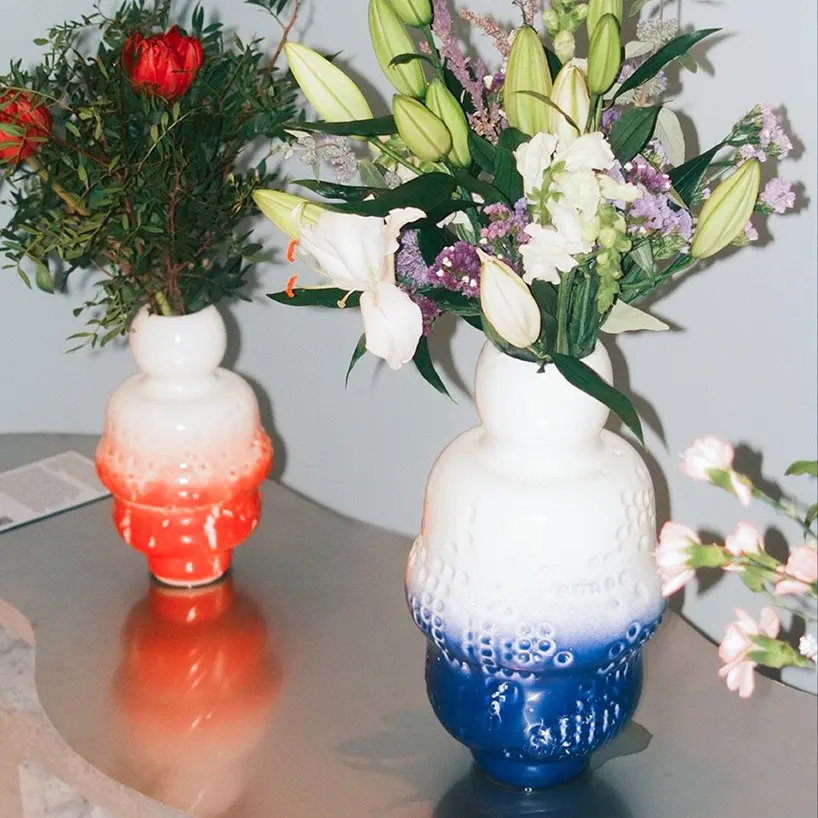
The intersection of digital technology and traditional craftsmanship continues to yield compelling design narratives, exemplified by a recent collaborative project from MK Designers. Titled MM Collective, the series represents a thoughtful dialogue between graphic and product design, unfolding through a trio of ceramic vases inspired by three distinct flowers: the peony, the lily, and the tulip.
Developed by graphic designer Michaela Zdeňková and product designer Marek Kounovský, the collection explores how digital algorithms can translate organic forms into physical objects. Each piece in the three-part series merges a tangible, product-designed ceramic form with a complex graphic layer generated entirely through code. Rather than relying on traditional decorative motifs, the project bridges the gap between the natural world and digital abstraction, offering a fresh perspective on how different creative disciplines can inform one another.
Flowers Become Abstract Patterns Through Generative Coding
At the heart of the MM Collective lies an intricate process that transforms natural geometry into digital patterns. The project begins with a specific flower, which serves as the foundational input data for an original generative coding process. As the algorithm executes, the organic curves, symmetries, and structures of the natural blossom are translated into abstract mathematical formations.
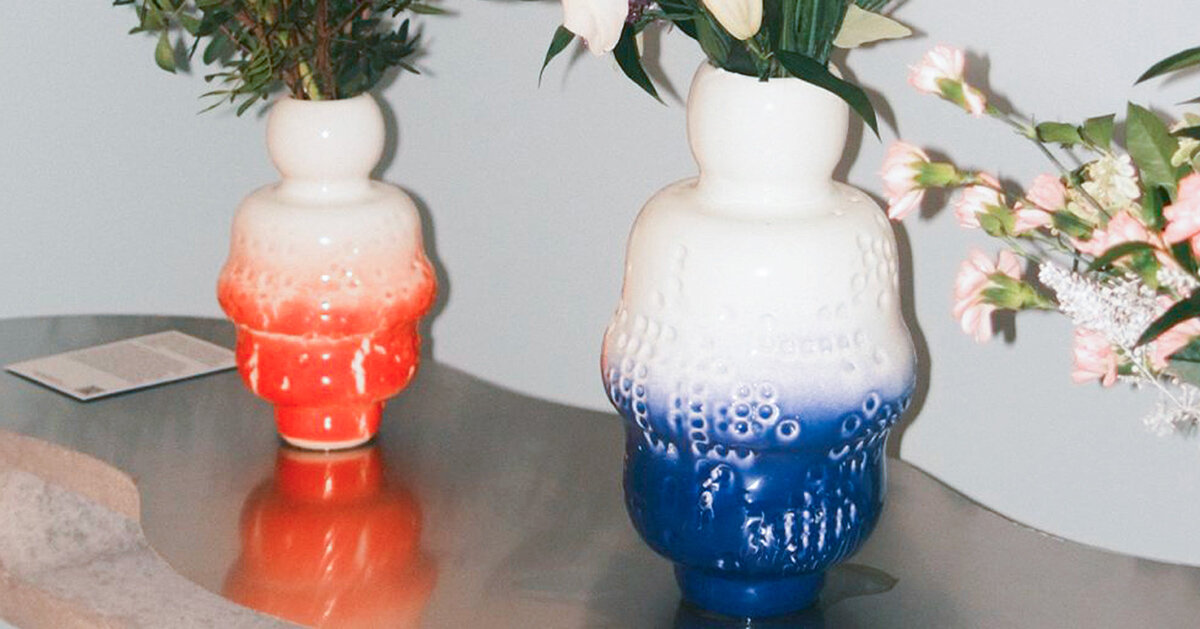
These resulting digital patterns are then transferred onto the surfaces of the ceramic vessels, wrapping around the three-dimensional forms created through product design. Because of this digital translation, the original floral motifs are not immediately obvious or literal in the finished objects. Instead, viewers encounter a subtle interplay of lines and shapes that echo the rhythms of nature without mimicking them directly.
This multi-step creative pipeline—moving systematically from natural form to digital code, and finally back into a physical, manufactured object—creates a compelling loop between the organic and the digital. It introduces the precise, calculated language of graphic design into the tactile, malleable medium of ceramics, challenging perceptions of how patterns are conceived and applied to everyday objects.
A Personal Narrative Rooted in Collaboration and Shared Rituals
Beyond its technical and aesthetic explorations, the MM Collective holds a deep personal significance for its creators. The selection of the three specific flowers—the peony, the lily, and the tulip—is directly tied to the relationship between Zdeňková and Kounovský and their shared personal habit of exchanging flowers.
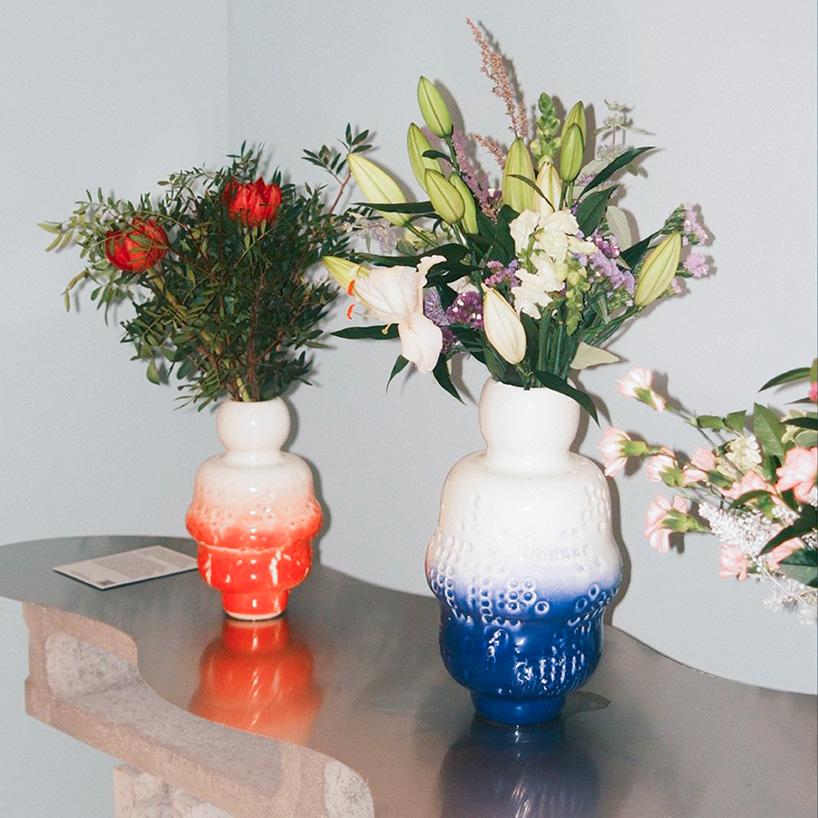
Within the collection, each flower corresponds to a specific preference or shared memory between the two designers. The peony was chosen as the favorite flower of the graphic designer, bringing a sense of rich, layered volume to the conceptual framework. The lily represents the preferred blossom of the product designer, introducing a striking, architectural quality to the dialogue. Meanwhile, the tulip was selected mutually by both designers, acting as a bridge between their individual perspectives.
By weaving these personal narratives into a formalized design process, the designers have created a collection that functions simultaneously as an artistic statement and an intimate collaboration. The resulting three ceramic vases connect this deeply human, sentimental dimension with two distinct professional disciplines: graphic and spatial design.
In doing so, the MM Collective examines a broader spectrum of creative dichotomies, touching on the relationships between code and material, organic growth and digital transformation, and individual sentiment and systemic design processes. Through these thoughtfully crafted ceramic vessels, MK Designers demonstrate how modern technology can be harnessed not to distance art from nature, but to find new, unexpected ways to honor it.