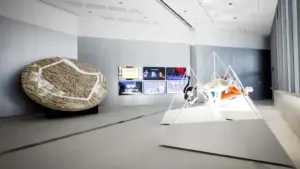
Amid growing global concerns over environmental degradation and the escalating accumulation of plastic waste, innovative circular design systems are stepping into the spotlight to challenge conventional manufacturing norms. A notable example of this movement is SMALLrevolution, a Danish circular design and manufacturing company that has secured second place for the designboom special prize at the Seoul Design Award 2026. The studio’s pioneering approach focuses on traceable circular systems that grant discarded industrial materials a vibrant second life without erasing their unique material history.
Tackling Plastic Waste with Circular Innovation
The environmental crisis remains one of the defining social concerns of the 21st century, prompting intense scrutiny of existing recycling infrastructures worldwide. While a broad international consensus acknowledges the urgent necessity of repurposing existing materials and reducing overreliance on finite fossil resources, actual recovery rates lag behind aspirations. According to recent data published by Eurostat, only 42 percent of the waste treated within the European Union in 2024 was successfully recycled, while approximately 30 percent ultimately ended up in landfills.
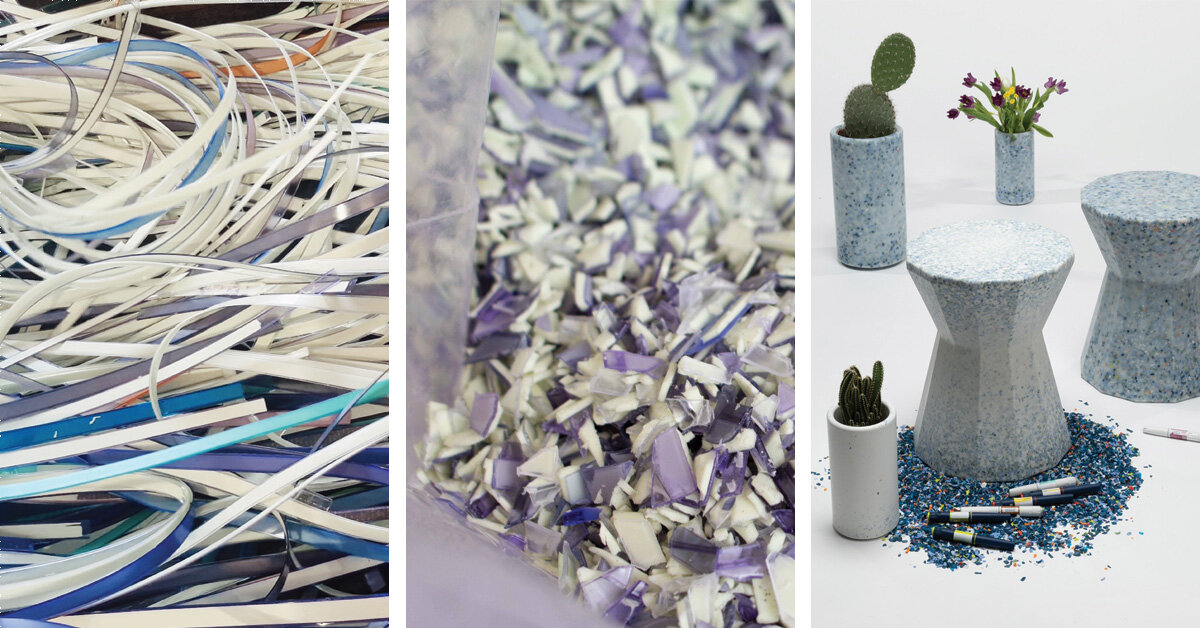
It is within this challenging context that SMALLrevolution operates. Rather than treating recycling as a reactive, end-of-life management procedure, the Danish firm views it as an overarching philosophy that must be embedded directly into the initial design phase of any product. By meticulously documenting the origins and previous lives of the materials they utilize, SMALLrevolution ensures that end users can fully understand the journey each item has undergone before arriving in its final, transformed state.
How Traceable Circular Systems Transform Plastic Waste
The studio’s overarching philosophy of traceability is closely tied to an uncompromising aesthetic commitment. Instead of masking the imperfections, original colors, or textures of recovered plastics through chemical additives, heavy pigments, or virgin plastic blends to achieve artificial uniformity, SMALLrevolution embraces the raw, unadulterated character of the waste. The resulting catalog of furniture, decorative objects, and architectural installations functions as a persistent visual reminder of the material’s former identity.
A striking illustration of this philosophy in action is the company’s recent collaboration with Lufthansa Technik, utilizing the aviation provider’s GuideU emergency floor markings. Typically deployed along aircraft cabins to guide passengers safely to exits during emergencies, these specialized safety strips are diverted from standard disposal channels and transformed by SMALLrevolution into durable furniture and interior products. Crucially, the newly minted design objects retain the original material’s inherent photoluminescent properties, allowing them to continue glowing in the dark and carrying their former aviation function seamlessly into a domestic or commercial setting.
Expanding Commercial Accountability Across Sectors
A defining characteristic of SMALLrevolution’s operational model is its comprehensive oversight across multiple product life cycles. The company’s framework integrates waste collection, meticulous material processing, design, manufacturing, procurement, and end use into a single continuous loop. By maintaining strict traceability at every stage, the firm fosters a high degree of accountability for both individual consumers and corporate partners alike.
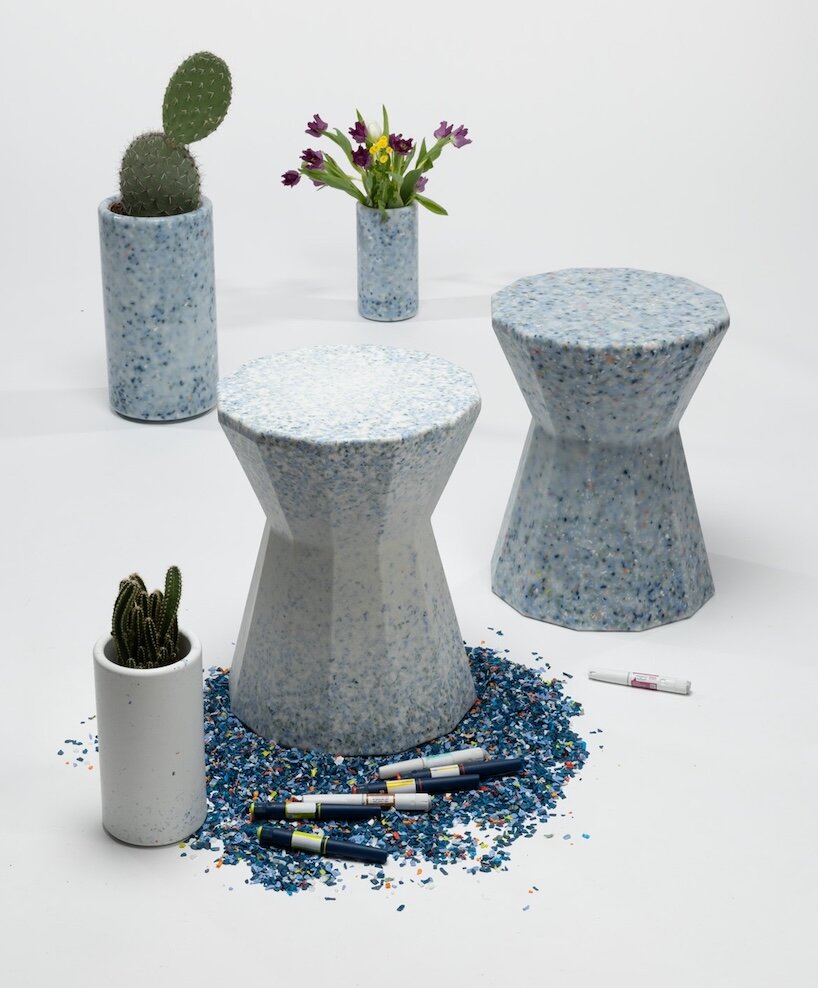
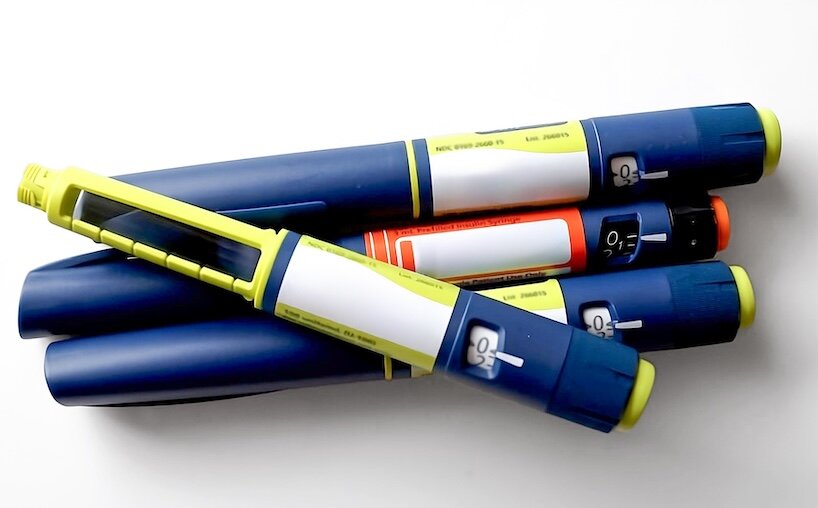
Over time, SMALLrevolution has expanded its reach across a diverse array of industries, including healthcare, aviation, infrastructure, public events, and consumer goods. Since 2021, the studio has successfully reintegrated more than 66 metric tons of plastic back into viable commercial value chains, a total that includes an impressive 16 metric tons processed during the 2025 calendar year alone. This substantial volume has been achieved through high-profile partnerships with major entities such as Novo Nordisk, Lufthansa Technik, Airbus, Clever, the Roskilde Festival, and various Danish hospitals. Notably, business-to-business partnerships currently account for 98 percent of the company’s overall revenue.
For the founders and designers behind the initiative, working alongside these prominent corporate partners serves as tangible validation that circular systems are far from a utopian concept. Instead, they demonstrate that sustainable paradigms can function effectively and competitively under real-world market conditions.

The studio’s dedication to transparency and ecological impact resonated strongly with the criteria of the designboom Special Prize at the Seoul Design Award 2026, where SMALLrevolution earned its second-place recognition. By rendering the history of materials visible through glowing, traceable design objects, the project illustrates how creative ingenuity can merge with rigorous commercial viability to reshape the future of sustainable manufacturing.