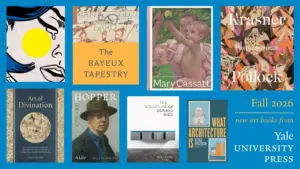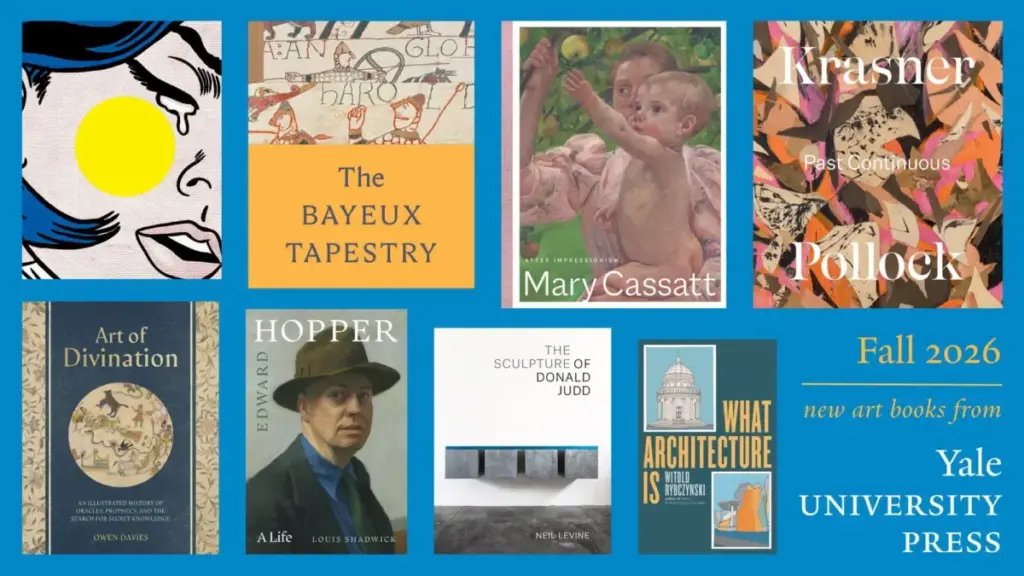
Yale University Press has unveiled its highly anticipated Fall 2026 publishing schedule, offering an
expansive collection of art history, architectural theory, cultural studies, and landmark museum exhibition catalogues. Known for combining scholarly rigor with striking visual presentation, the press’s upcoming season highlights major international exhibitions, fresh critical biographies, and deep examinations of historical and modern creative practices.
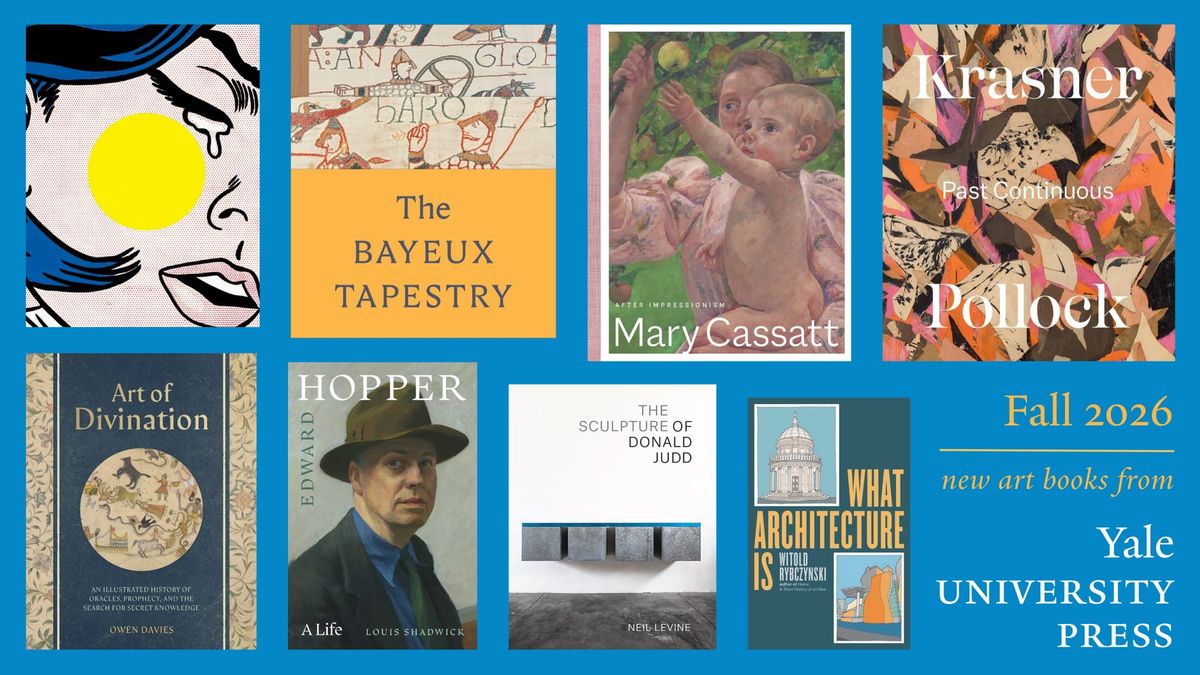
The new lineup features collaborations with several prestigious cultural institutions, including the Metropolitan Museum of Art, the Art Institute of Chicago, the Whitney Museum of American Art, and the British Museum. Alongside these high-profile institutional catalogues, the seasonal slate includes standalone explorations of global divination, twentieth-century American masters, minimalist sculpture, and the fundamental definitions of architecture.
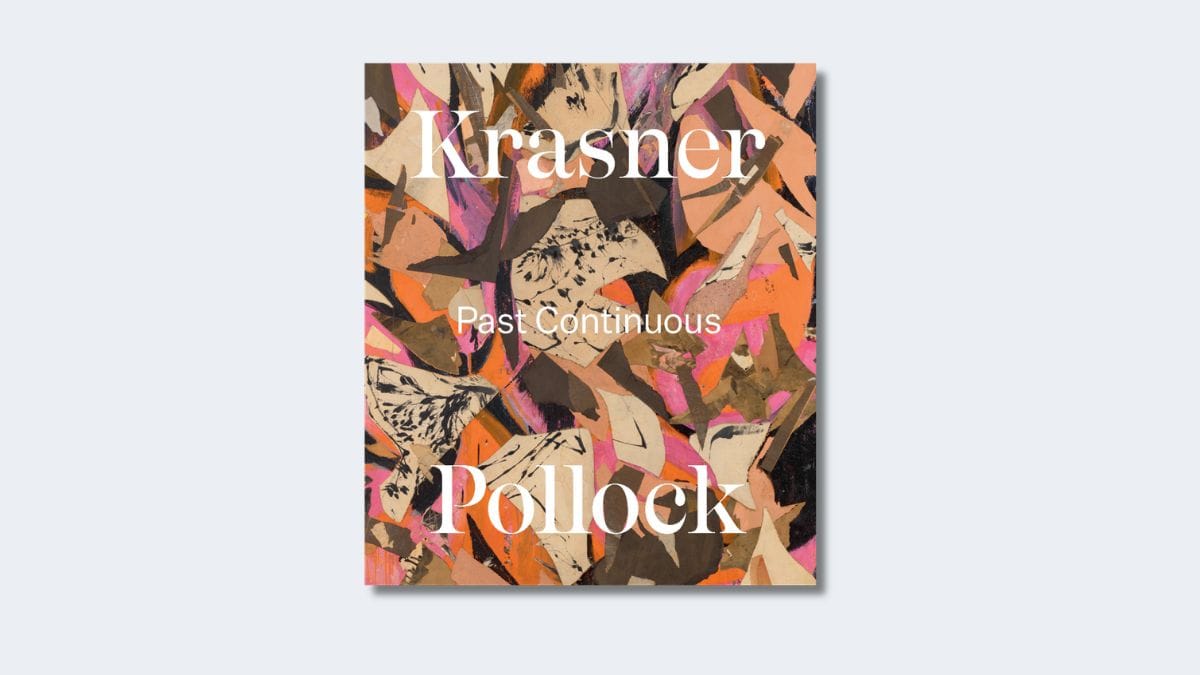
Among the institutional collaborations is Krasner and Pollock: Past Continuous, published in partnership with the Metropolitan Museum of Art. Authored by David Breslin and Brinda Kumar, the volume offers a fresh survey of two towering figures of Abstract Expressionism, examining both their distinct artistic paths and their deeply interconnected careers and legacies.
Chicago’s contributions to the season are marked by Mary Cassatt: After Impressionism, produced in cooperation with the Art Institute of Chicago. The catalogue highlights the trailblazing career of Mary Cassatt, who lived from 1844 to 1926. Scholars detail her innovative work across various media, her manipulation of materials, and her pioneering approaches to transforming subjects through series and scale. Furthermore, the book explores how Cassatt aggressively marketed and exhibited her own work, cementing a ceaselessly independent vision that left a lasting impact on modern art.

Pop art takes center stage with Roy Lichtenstein: Like New, a comprehensive, career-spanning look at the methods, influences, motivations, and continuing relevance of one of America’s foremost artists. Edited by Alex Da Corte and Meg Onli, the Whitney Museum of American Art exhibition catalogue features additional critical contributions from Dan Nadel, Marshall N Price, and Carmen Winant.
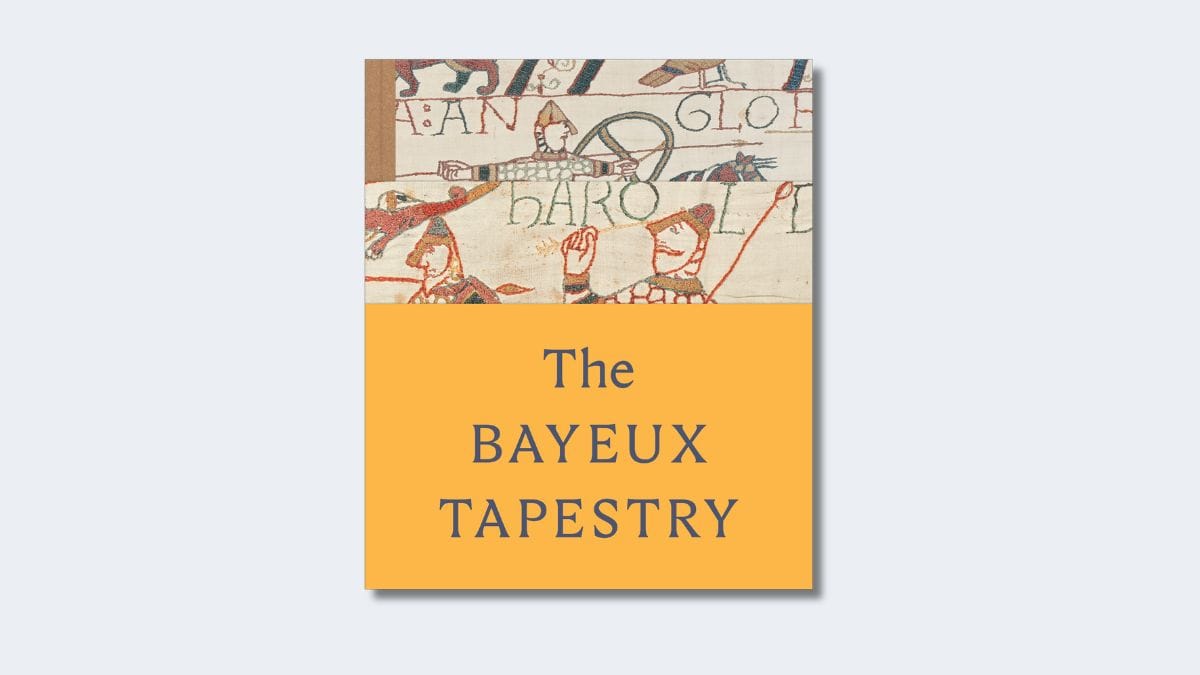
Rounding out the major museum partnerships is a definitive look at a foundational medieval artifact published alongside the British Museum. The Bayeux Tapestry offers readers a chance to examine the iconic, nearly seventy-meter-long artwork that chronicles the events leading up to the Norman Conquest of England in 1066 by William, Duke of Normandy. The volume features full-color reproductions and all-new photography, allowing readers to follow the visual narrative alongside a scene-by-scene transliteration and English translation of the tapestry’s original Latin text. Texts from international experts accompany the visuals to contextualize the work’s historical importance.
In addition to museum catalogues, Yale University Press is releasing several major non-fiction and biographical works written by leading historians and critics.
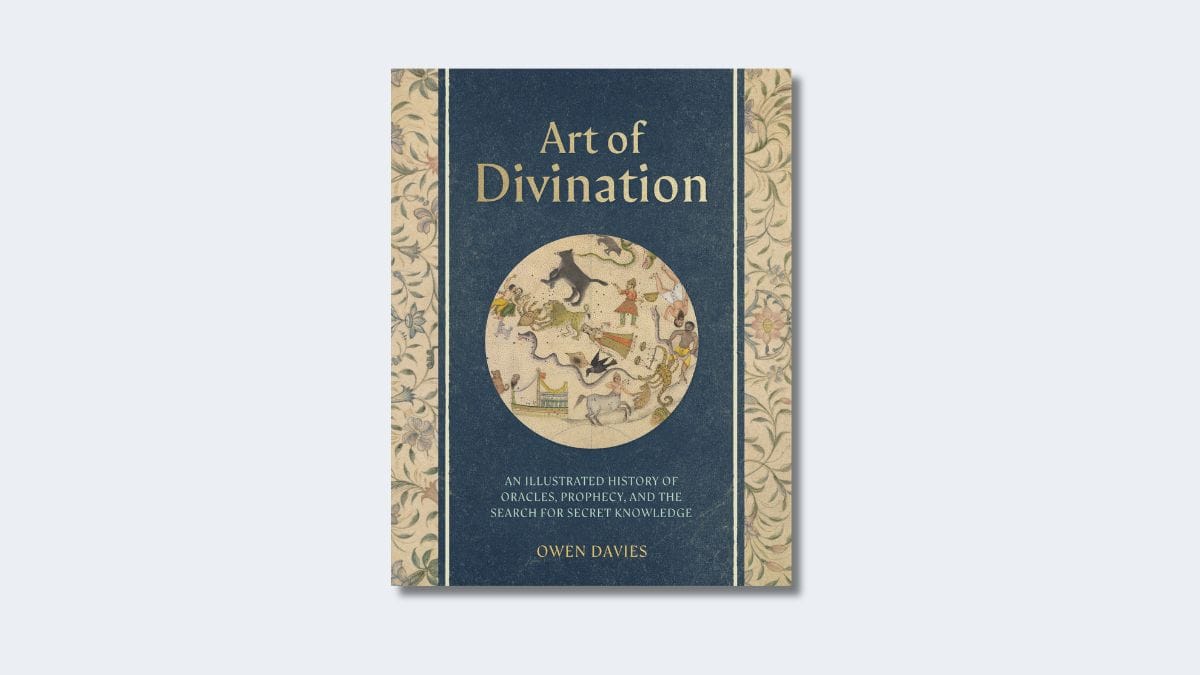
The Art of Divination
Cultural historian Owen Davies expands the press’s scope with The Art of Divination, a captivating global history of divination practices across time and geography. From tea leaves and tarot cards to pyromancy and palmistry, the book investigates humanity’s persistent desire to answer questions ranging from the philosophical and metaphysical to the romantic and personal.
Davies organizes the study into six thematic groups: observing the natural world, making patterns, communicating with gods and spirits, reading signs from the human body and mind, looking to the heavens, and analyzing chance and calculation. Through this structure, The Art of Divination enables readers to trace connections and continuities between vastly different historical eras and geographic locations.
The Bayeux Tapestry
Presented alongside the British Museum’s exhibition partnership, the standalone focus on The Bayeux Tapestry highlights its ongoing significance as a primary document of European history. By pairing modern photography with expert commentary, the publication breaks down the visual and textual layers of the historic embroidery, offering new scholarly insights into the eleventh-century political climate and the mechanics of its creation.
Krasner and Pollock: Past Continuous
David Breslin and Brinda Kumar’s contribution to the Abstract Expressionism discourse via Krasner and Pollock: Past Continuous provides a nuanced look at Lee Krasner and Jackson Pollock. Rather than treating them merely as a domestic and creative pair, the authors analyze the reciprocal nature of their practices, highlighting how their respective breakthroughs influenced one another while maintaining distinct trajectories.
Edward Hopper: A Life
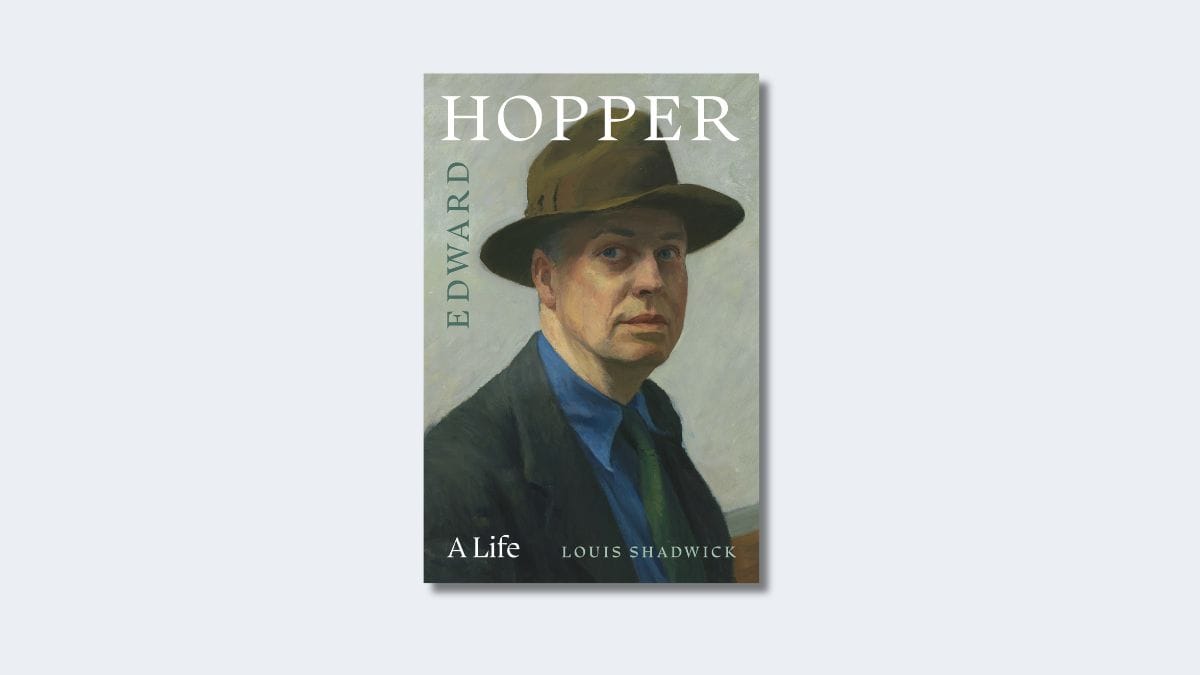
Biography enthusiasts will find a major new contribution in Louis Shadwick’s Edward Hopper: A Life. The book reexamines the standard art-historical view of the renowned American realist painter by closely interweaving his biography with his artistic output.
Shadwick vividly reconstructs the personal, cultural, historical, and political contexts of Hopper’s time. Utilizing major new archives and a wealth of newly discovered sources, the author presents the richest and most complete story of Hopper’s life and art to date. The resulting narrative uncovers fresh dimensions to an artist whose carefully guarded identity has long eluded complete understanding.
Mary Cassatt: After Impressionism
The Art Institute of Chicago’s catalogue on Mary Cassatt brings renewed attention to her technical innovations. By examining her daring choices in technique and subject matter, the volume establishes Cassatt not just as a prominent American expatriate within the French Impressionist circle, but as an experimental force who continually challenged the artistic boundaries of her era.
Roy Lichtenstein: Like New
Roy Lichtenstein: Like New provides a multifaceted reassessment of the artist’s legacy. Through essays by Alex Da Corte, Meg Onli, Dan Nadel, Marshall N Price, and Carmen Winant, the publication evaluates how Lichtenstein’s appropriation of commercial printing techniques and comic book aesthetics continues to resonate within contemporary visual culture.
The Sculpture of Donald Judd
Neil Levine offers the first chronological study of Donald Judd’s pathbreaking and enormously influential career in The Sculpture of Donald Judd. Tracing the artist’s trajectory from his decisive turn from painting to sculpture in 1961 and 1962 until his death in 1994, Levine provides close, highly detailed readings of the works that established the foundation of Minimalism. Notably, Levine’s analyses are deepened by his personal friendship with the artist.
What Architecture Is
Eminent architectural historian and critic Witold Rybczynski turns his critical eye toward the built environment in What Architecture Is. Frustrated by the proliferation of cookie-cutter buildings emerging in his downtown Philadelphia neighborhood, Rybczynski offers an immersive extended essay on the essential qualities that distinguish architecture from ordinary construction.
Witty, personal, and engaging, the book serves as a passionate reflection from an esteemed critic, tackling the timeless question of what elevates a mere building into a lasting work of art.
Further details regarding the Fall 2026 art and architecture titles can be found on the Yale University Press website.