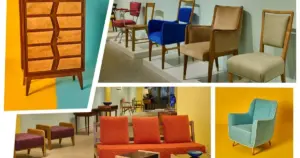
The exhibition at the heart of the mayor’s recent praise is titled “Architects of Liberation: Modernism in Western Africa.” Comprising an ambitious collection of some 400 distinct works, the exhibition offers a comprehensive look at groundbreaking architectural projects realized across a diverse swath of the African continent. Specifically, the survey maps the architectural output of Senegal, Côte d’Ivoire, Ghana, Togo, Benin, Nigeria, and Cameroon, focusing particularly on the transformative period of decolonization that swept through the region beginning in the late 1950s. Curated jointly by Martino Stierli and Ikem Stanley Okoye, the show brings together a rich variety of historical artifacts, including detailed architectural models, rare archival imagery, and select contemporary artworks that converse with the past.
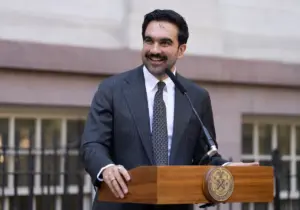
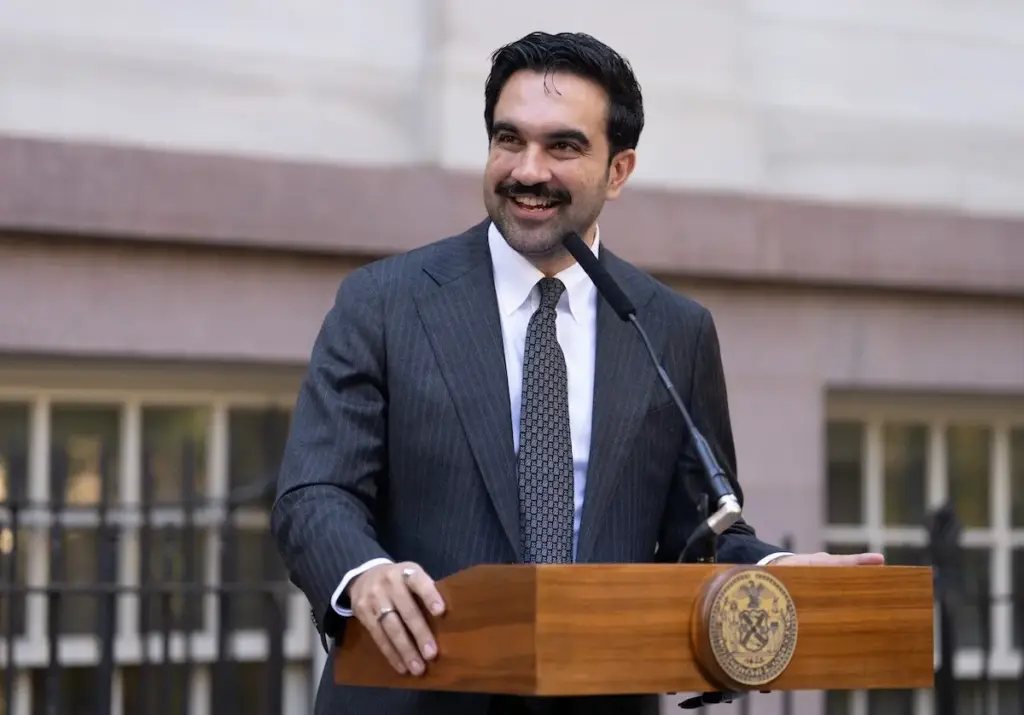
Reflecting on his experience visiting the museum, Mamdani shared his enduring impressions with his followers. “Visited @themuseumofmodernart this weekend and am still thinking about their exhibition ‘architects of liberation: modernism in western africa,’” Mamdani wrote in his social media post.
Within his broader reflections on the show, the mayor chose to single out a particularly striking piece of contemporary art included in the exhibition: Kader Attia’s 2014 sculpture, Indépendance Tchao. The powerful installation is composed of rows of rusting index card boxes, objects that the French-Algerian artist originally obtained directly from a French colonial police headquarters. Capping these weathered archives is a distinct sign bearing the words “HOTEL INDÉPENDENCE,” a direct and poignant reference to a similarly named hotel located in Dakar, Senegal.
Mamdani noted that Attia’s sculpture serves a deeply provocative function within the exhibition, prompting viewers to confront historical realities and ongoing legacies. According to the mayor’s post, the artwork directly poses the fundamental question: “To what extent were the visions of the independence era achieved?” By highlighting this specific piece, Mamdani underscored how the exhibition bridges the gap between historical architectural ambitions and the complex sociopolitical realities of the post-colonial world.
This latest cultural endorsement marks the second time in the span of a single month that Mamdani has used his public platform to spotlight a prominent museum presentation in New York City. The mayor’s active engagement with the local arts community has increasingly become a signature element of his public-facing schedule, blending civic leadership with cultural patronage.
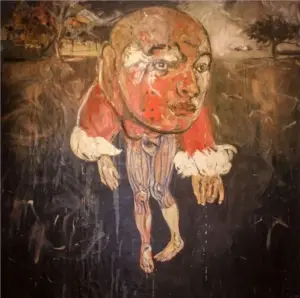
Just weeks prior, in October, Mamdani celebrated his birthday with a visit to the Studio Museum in Harlem. During that outing, he immersed himself in the museum’s offerings, taking special note of a painting by artist Taylor Simmons titled The Hypnotist (2026). Simmons is currently a participant in the Studio Museum’s storied and highly competitive artists-in-residence program, a foundational institution for nurturing emerging talent of African descent. Deeply impressed by what he saw, Mamdani publicly described Simmons’s work as “just incredible,” further cementing his pattern of directing public attention toward institutions that center marginalized histories, contemporary innovation, and the intersections of art and social change.