As housing prices across New York City continue to soar to unprecedented heights and eviction filings resume at an alarming rate following a two-year pandemic-era hiatus, an increasing and deeply vulnerable segment of the population is facing the imminent threat of homelessness. To confront this mounting urban emergency head-on, AIA New York and the Center for Architecture are preparing to host a significant half-day conference titled “NYC’s Housing Crisis,” designed to thoroughly examine the root causes of the metropolitan area’s severe housing shortage and explore viable, long-term policy and design solutions.
The conference arrives at a critical juncture for New York City, which was already plagued by deep-seated housing shortages and crippling affordability gaps long before the onset of the COVID-19 pandemic. Historical data underscores the magnitude of the structural failure that preceded the public health crisis: between 2009 and 2019, the city witnessed a staggering 59 percent increase in the number of individuals forced to seek shelter within the municipal shelter system. Even during that decade-long build-up, more than half of all New York City households were classified as rent-burdened, meaning they spent a disproportionate share of their income simply to keep a roof over their heads, leaving them with little margin for financial error or emergencies.
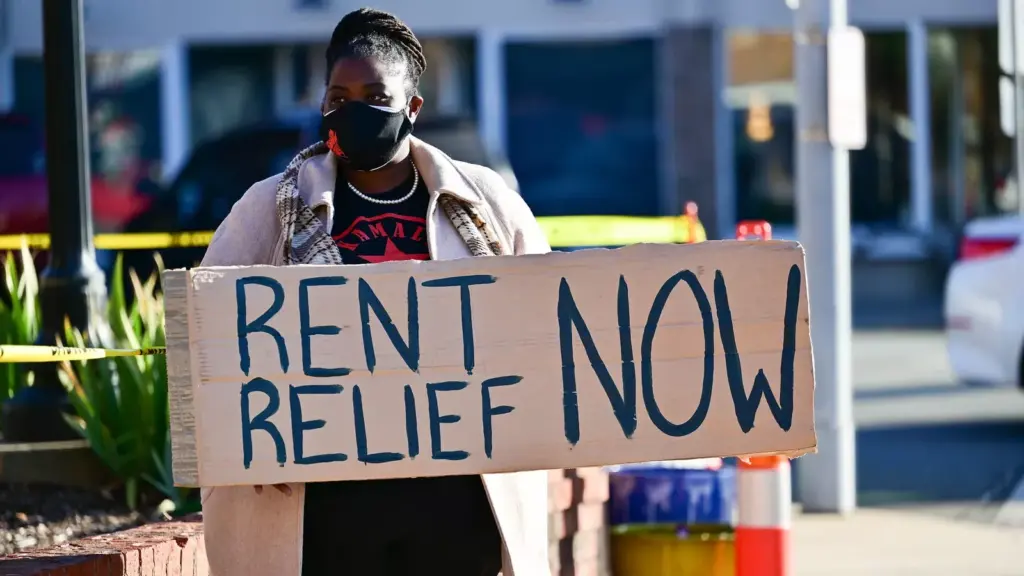
The pandemic acted as a powerful accelerant, widening existing economic inequalities and laying bare the fragilities of the city’s housing market. Following a brief, temporary dip in rental and housing prices in 2021 as some residents temporarily relocated, market forces have rebounded fiercely. Housing prices have returned to sky-high pre-pandemic levels, pricing out working-class families, essential workers, and marginalized communities alike. Furthermore, the economic pressures have intensified dramatically with the expiration of the federal government’s two-year eviction moratorium in March. Without that crucial legal shield, landlords across the five boroughs have wasted little time, currently filing approximately 2,000 eviction cases every single week, turning a slow-burning housing affordability problem into an acute emergency.
In response to the escalating crisis on the streets and within the boroughs, Mayor Eric Adams’s administration has made targeting homelessness and public safety a central pillar of its governance agenda. However, the administration’s current strategy has drawn intense scrutiny and fierce criticism from housing advocates, civil rights organizations, and community organizers. Critics argue that the mayor’s primary approach—which leans heavily on punitive measures such as clearing street encampments and increasing police presence and enforcement within the subway system—fails entirely to address the systemic, structural root causes of homelessness. Rather than solving the crisis, opponents contend that these visible sweeps merely displace vulnerable individuals without providing them with permanent, stable housing or the comprehensive supportive services they desperately need.

At the same time, the administration has attempted to scale up funding and programmatic interventions through the budgetary process. In his proposed executive budget for the upcoming fiscal year—scheduled to be finalized at the end of June—Mayor Adams pledged an additional $177 million dedicated to the expansion of homeless services and the enhancement of shelter capacity. Additionally, the administration has proposed allocating a total of $22 billion over the next decade to aggressively build and preserve affordable housing stock across New York City.
Despite these substantial-sounding figures, housing advocates and urban policy experts maintain that the administration’s financial commitments are still fundamentally inadequate relative to the sheer scale of the emergency. The proposed $22 billion allocation falls noticeably short of Mayor Adams’s own ambitious campaign promises, during which he repeatedly pledged to spend $4 billion annually toward affordable housing development. Critics argue that anything less than maximum public investment will leave the city perpetually playing catch-up against a housing deficit that has been decades in the making.
It is against this complex and contentious backdrop that the upcoming conference has been organized to foster a rigorous, multi-disciplinary dialogue. Scheduled to take place on Friday, May 13, the event will run from 8:00 a.m. to 1:00 p.m. at the prominent Stavros Niarchos Foundation branch of the New York Public Library, located at 455 Fifth Avenue in Midtown Manhattan. By bringing together a diverse array of leading housing experts, policymakers, community activists, urban planners, and visionary designers, the conference seeks to tackle the deeply intertwined challenges of housing affordability, economic inequality, and homelessness that currently threaten the social fabric of New York City.
The gathering—“NYC’s Housing Crisis”—receives vital support from IDC, with Architectural Record serving as the official media sponsor for the event. Members of the architectural, planning, and civic communities interested in attending, reviewing the comprehensive event agenda, or examining the full roster of participating speakers can find registration details and additional resources directly on the official AIA New York website.