As winter temperatures drop and households face rising energy costs, property owners are increasingly turning their attention upward to address a primary source of domestic heat loss: the roof. Industry experts and energy efficiency organizations emphasize that proper loft insulation remains one of the most effective methods for maintaining a warm, comfortable home environment while significantly reducing monthly utility expenses. However, navigating the myriad of insulation materials and installation methods can present a challenge for homeowners seeking to upgrade their properties.
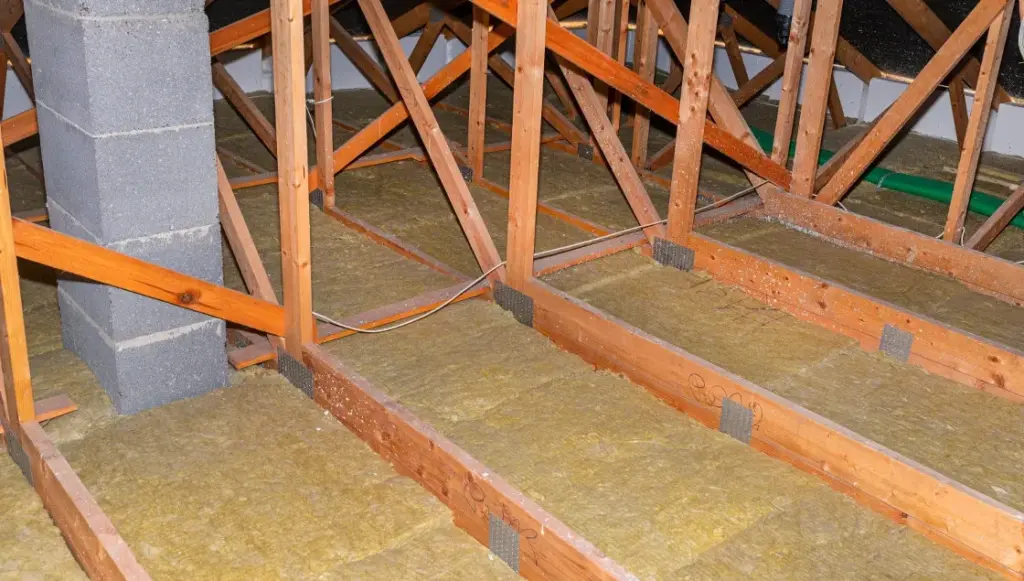
Loft insulation functions as a thermal barrier installed within the attic or roof space of a building. Its primary mechanism is preventing warm air generated by heating systems from escaping through the roof structure and into the outside atmosphere. Without adequate thermal barriers, properties—particularly older buildings or those with deteriorating insulation—suffer from continuous heat dissipation, forcing heating systems to work harder and consume more energy. By properly insulating the loft, residents can stabilize indoor temperatures, lower their energy consumption, and contribute to broader environmental conservation efforts.
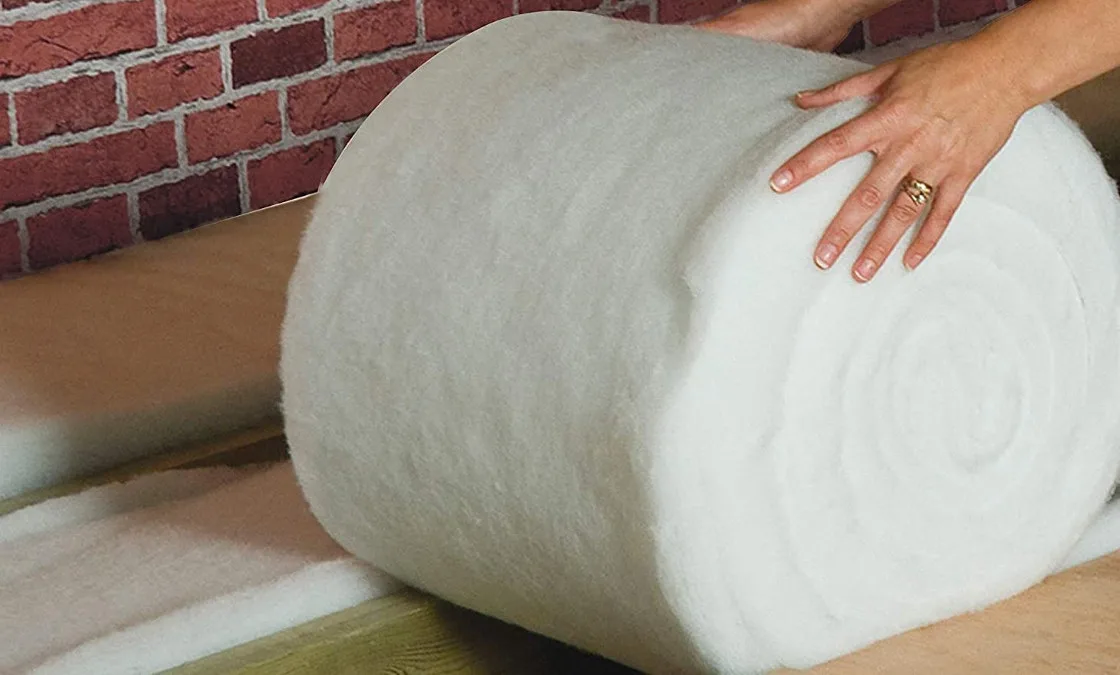
Property owners evaluating their options will find several distinct types of insulation available on the market, each suited to different structural configurations and budgets. Blanket insulation is widely recognized as the most common choice for residential attics. Supplied in flexible rolls designed to fit standard joist gaps, it offers an economical solution for straightforward roof spaces and is manufactured in various widths, depths, and materials, including options made from recycled and natural fibers.
Alternative materials include natural or recycled blanket insulation. While generally carrying a higher upfront cost, these specialized products often provide superior thermal performance in a thinner profile. Furthermore, they are designed to be much easier and more comfortable to handle during installation, avoiding the common irritations associated with traditional glass-wool products.

For loft spaces characterized by awkward angles, restricted access, or tight corners, loose-fill insulation serves as a practical alternative. Delivered in manageable bags rather than bulky rolls, loose-fill materials—including options produced from recycled paper—can be easily transported into confined attic spaces.
Another viable option is slab or rigid-board insulation. Structurally similar to blanket insulation but supplied in dense, rigid panels, these boards fit securely between joists. High-density variants can also offer enhanced acoustic dampening properties, helping to reduce external noise pollution within the home.
Before purchasing materials, homeowners must accurately assess their loft dimensions. Determining the required volume of insulation begins by multiplying the length and width of the attic floor to calculate the total square footage. Additionally, measuring the depth of any existing insulation is critical to establish how much additional material is required to meet modern efficiency standards. Industry guidelines typically recommend a total insulation depth of between 250mm and 270mm. Properties falling short of this benchmark generally require supplementary layers to achieve optimal thermal resistance.
When undertaking the installation of blanket insulation, homeowners must follow established safety protocols, including wearing appropriate protective gear such as gloves, eye protection, and masks to minimize irritation from airborne fibers. Debris and dirt should be cleared from the joist spaces before work begins. If the ceiling plasterboard lacks a silver-backed finish or is in poor condition, installing a dedicated vapour barrier across the joists is recommended to prevent moisture migration. The barrier material is cut to length and stapled securely along the interior faces of the joists, with careful adjustments made to accommodate existing pipework or electrical cables.
Once preparation is complete, blanket insulation can be rolled out between the joists, taking care not to compress the material excessively, which diminishes its thermal efficiency. Continuous runs should be tightly abutted to eliminate gaps. Crucially, insulation must be carefully cut around central electrical fittings to prevent dangerous overheating. Similarly, electrical cables running along joist gaps must be safely positioned on top of the insulation blanket rather than trapped beneath it. Where additional depth is required to meet regulations—or if homeowners intend to install boarding for storage—timber battens are frequently fastened to the top of existing joists to prevent the insulation from being compressed by floor boards.
Installing loose-fill insulation involves a slightly different preparation process. After cleaning the joist gaps and installing a vapour barrier where necessary, installers must prevent the loose material from escaping through gaps near the eaves. This is typically achieved by placing short sections of blanket insulation at the roof edges, leaving a small ventilation gap if non-breathable roofing felt is present. Loose-fill material is then poured between the joists and leveled carefully using a piece of plywood or MDF cut to fit the joist spacing. Unlike blanket insulation, electrical fixtures situated within loose-fill areas cannot simply be cut around; instead, small wooden or cardboard enclosures must be constructed around the fittings to hold the material back safely.
Despite the proven benefits of proper loft insulation, property owners frequently encounter specific challenges, most notably condensation buildup. This issue typically arises when an attic space lacks adequate cross-ventilation. To mitigate condensation risks, homeowners must ensure that roof spaces remain well-ventilated through the installation of dedicated vents or by maintaining appropriate air gaps between the insulation and the roof deck. Draughts represent another common complication, usually stemming from unsealed gaps within the insulation layer, which can be effectively neutralized using specialized foam sealants and protective sheeting.
Maintaining loft insulation involves periodic inspections to check for structural sagging, gaps, or signs of dampness and mold within the roof space. Ensuring that ventilation pathways remain unobstructed is vital for preserving the longevity and effectiveness of the thermal barrier over time.
According to data from the Energy Saving Trust, the financial advantages of proper loft insulation are substantial. Upgrading an uninsulated loft to the recommended depth of 270mm can save households up to £590 per year on energy bills. While the initial expenditure varies depending on the chosen materials and whether the project is executed as a DIY task or entrusted to professional contractors, the long-term reduction in energy consumption makes loft insulation a highly cost-effective home improvement investment.