Western Red Cedar has long held a premier reputation in the construction, woodworking, and architectural design industries. Revered for its natural beauty, exceptional longevity, and remarkable resistance to decay, moisture, and insect damage, the premium lumber has traditionally been the material of choice for high-end siding, outdoor structures, and custom architectural builds. However, as the demands of modern construction evolve—placing a heavier emphasis on material efficiency, structural stability, and ecological sustainability—builders, contractors, and homeowners are increasingly turning to innovative manufacturing techniques to get the absolute most out of this sought-after species without compromising performance or visual aesthetics.
At the forefront of this shift is finger-jointed Western Red Cedar, a specialized engineered wood product that is rapidly transforming how the material is utilized in both residential and commercial projects. By taking shorter, high-quality cedar pieces and uniting them into longer, highly uniform boards, this advanced technique delivers a product that maintains the warm character of solid-sawn timber while offering significantly improved dimensional consistency and a drastic reduction in material waste. As the building sector continues to look for ways to balance high-end architectural demands with environmentally responsible practices, finger-jointed cedar has emerged as a preferred solution across a wide array of outdoor and architectural applications.
To understand why this material is gaining such strong traction in the marketplace, it helps to examine the underlying manufacturing process and the unique engineering benefits it provides. Finger-jointing is a precise woodworking procedure in which shorter lengths of premium-grade cedar are milled with interlocking, finger-like profiles at their ends. These precision-cut ends are then coated with high-performance, weather-resistant adhesives and bonded together under hydraulic pressure to create long, structurally stable boards. The resulting product is designed to look seamless once finished and painted or stained, allowing it to perform exceptionally well in demanding interior and exterior settings.
Despite being constructed from multiple segments, the material preserves the vital natural attributes that have made Western Red Cedar famous for generations. The inherent oils and extractives that give cedar its legendary resistance to rot, fungal decay, and insects remain fully intact within the finger-jointed format. Furthermore, by optimizing shorter cedar offcuts that might otherwise be discarded during traditional milling processes, manufacturers are able to deliver a stronger, more uniform building material while simultaneously minimizing forestry waste. This makes finger-jointed cedar an inherently mindful choice that aligns closely with contemporary sustainable building standards and green construction initiatives.
The advantages of utilizing finger-jointed Western Red Cedar extend far beyond environmental considerations, offering practical benefits that resonate deeply with professional builders, carpenters, and do-it-yourself enthusiasts alike. Among the most significant performance advantages is enhanced strength and dimensional stability. Solid lumber is naturally prone to shifting, bowing, twisting, or cracking as it responds to fluctuating humidity and temperature changes over time. Finger-jointing substantially mitigates these vulnerabilities. The interlocking finger profile helps distribute structural stress evenly across the length of the board, resulting in superior structural reliability that is ideal for projects requiring long-term durability and straight, true lines.
In addition to structural reliability, cost efficiency represents a major driver behind the growing popularity of finger-jointed cedar. Because the manufacturing process makes productive use of shorter sections of timber that would otherwise go unused, overall material waste is greatly reduced. This optimization translates into a more cost-effective product for consumers and contractors, particularly for large-scale construction builds or applications where the wood will be painted. While traditional clears and high-grade long lengths of cedar can command premium prices, finger-jointed alternatives offer a way to achieve the authentic look and durability of cedar at a more accessible price point.
The exceptional dimensional consistency of these boards also streamlines the installation process. Every piece is crafted to precise, uniform specifications, which drastically reduces the time workers spend sorting through lumber, cutting around natural defects, or dealing with warped boards on the job site. Contractors and property owners consistently appreciate the predictability that finger-jointed cedar provides, leading to faster installation times, cleaner joinery, and a more polished final appearance.
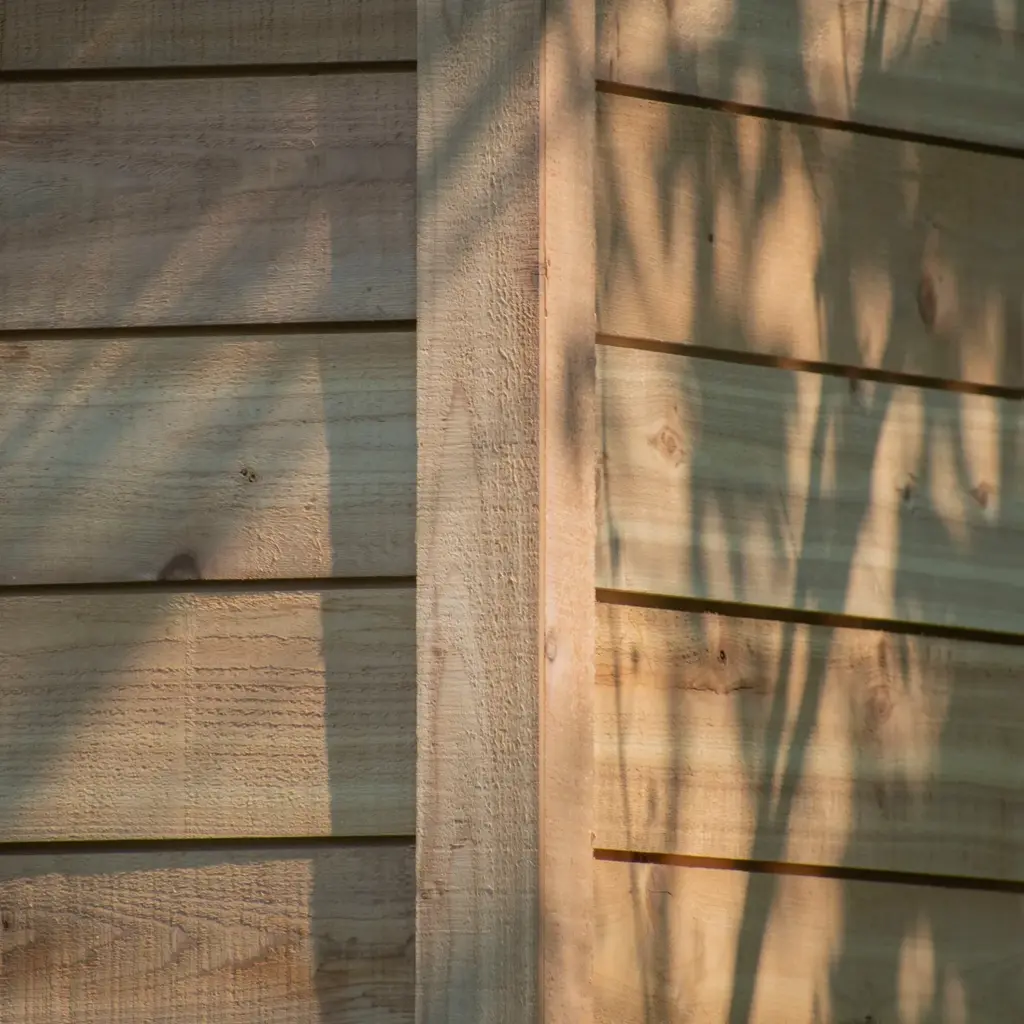
When it comes to aesthetic appeal, finger-jointed cedar does not disappoint. The material retains the signature reddish-brown tones and rich grain patterns that give Western Red Cedar its distinct warmth and sophistication. Whether incorporated into traditional rustic designs or sleek, contemporary architectural statements, the wood brings a timeless visual quality to any project. Over time, when left unfinished or treated with a translucent sealer, the cedar gracefully weathers into a classic silver-gray patina, further enhancing its architectural versatility.
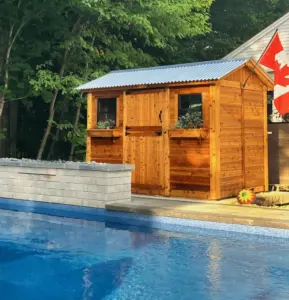
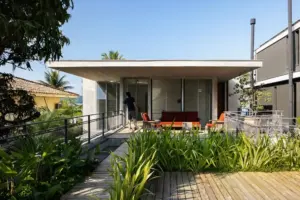
Because of its unique blend of stability, workability, and natural durability, finger-jointed Western Red Cedar has found a home across a diverse array of project types. It is frequently specified for exterior siding, fascia boards, trim work, pergolas, custom outdoor living structures, and various architectural details. Its adaptability allows it to complement a wide spectrum of building styles, ensuring that modern architects and traditional craftsmen alike can rely on the material to meet their exact design specifications.
As the construction industry continues to navigate the dual challenges of sourcing premium materials and meeting stringent environmental standards, engineered wood solutions like finger-jointed Western Red Cedar offer a clear path forward. By bridging the gap between natural beauty and advanced manufacturing efficiency, this innovative material ensures that the timeless appeal of cedar remains accessible for the next generation of builders, designers, and homeowners seeking high-performance solutions for their upcoming projects.