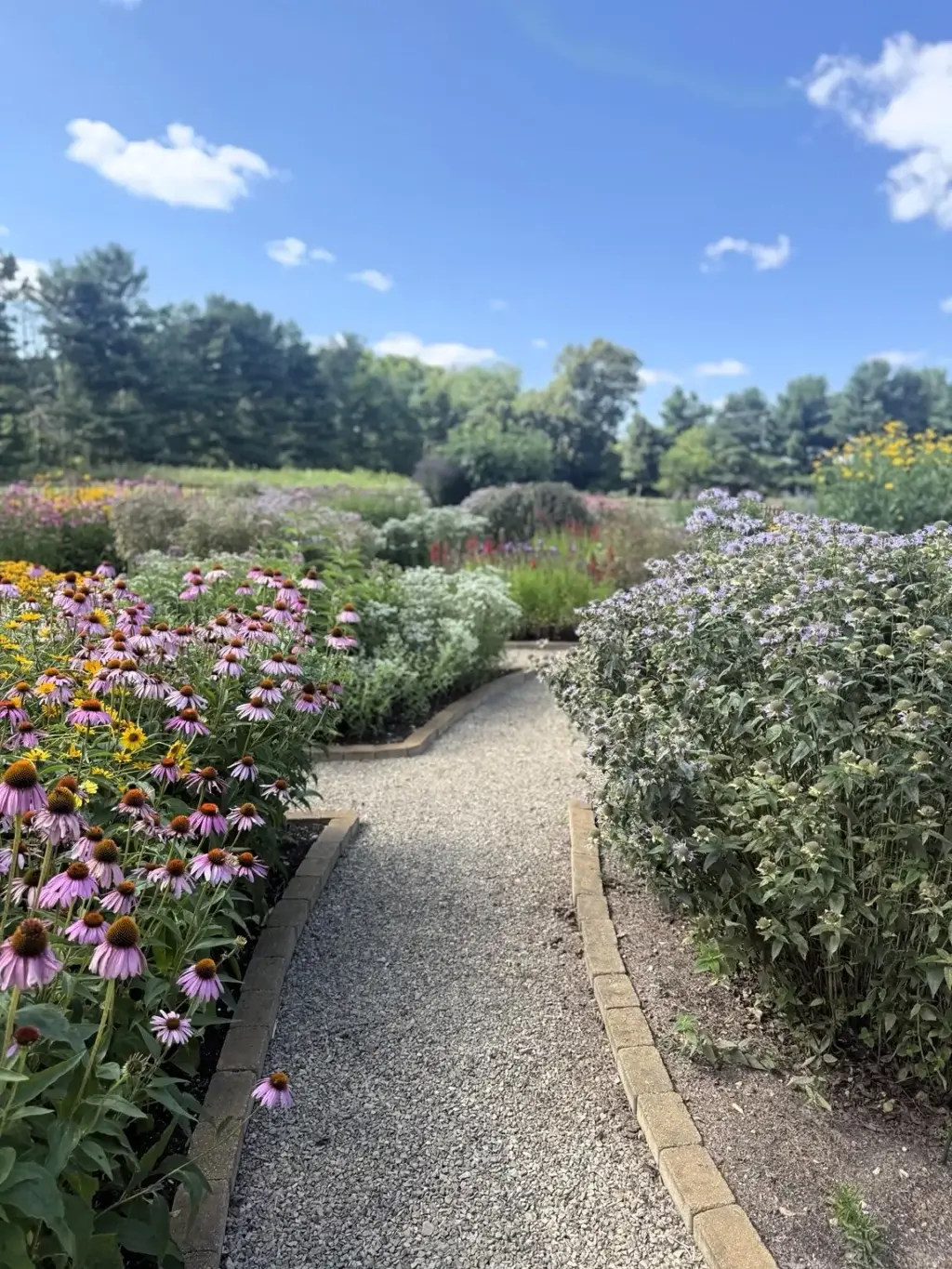
For garden enthusiasts, few things match the excitement of finally visiting a landscape that has long lived on a mental inspiration board. During a summer trip to Michigan, one passionate gardener had the opportunity to experience Lynn O’Shaughnessy’s renowned Circle Garden in Howell firsthand, uncovering a masterclass in native plant horticulture and ecological design.
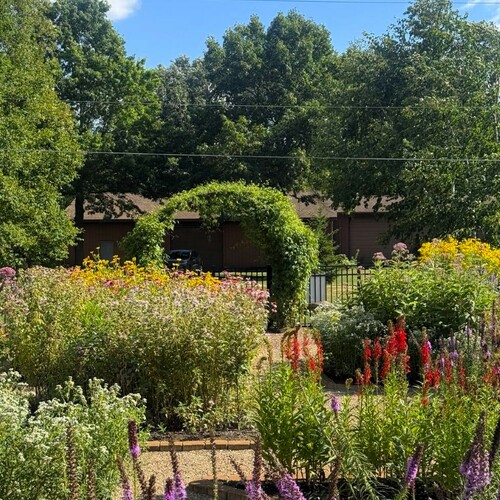
For quite some time, this unique Midwestern space had captured the attention of visitors seeking fresh ideas for sustainable landscaping. Walking through the gates offered a chance to see how careful planning, rigorous design principles, and a deep commitment to native flora can come together to create a thriving, biodiverse sanctuary.
Lynn O’Shaughnessy’s planting style centers firmly on the use of native plants and the vital mission of creating habitat for pollinators. The conceptual foundation for the Circle Garden was laid back in 2019, sparked by a moment of visual inspiration. After viewing an aerial photograph of the lavender labyrinth at Cherry Point Farm in Shelby, Michigan, O’Shaughnessy became deeply intrigued by its central 12-point geometric pattern. Recognizing the potential of the layout, she decided to adapt and scale the complex design for her own expansive 100-foot-wide garden space.
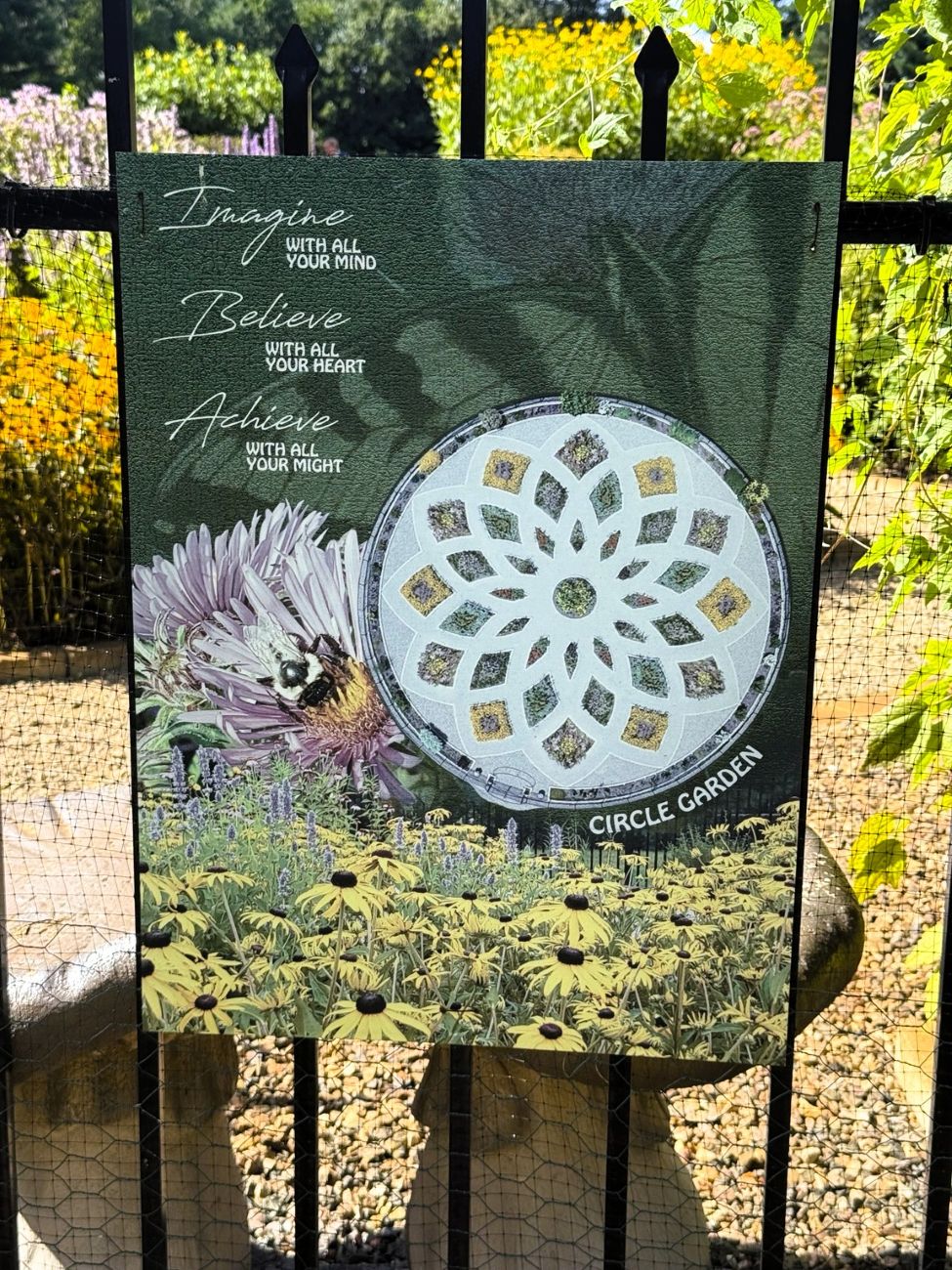
A bird’s-eye view of the finished landscape reveals the precision of the 12-point geometric pattern that defines the layout. The integration of structure and wildness is striking, blending formal geometry with the untamed beauty of native perennials. Furthermore, the dedication to local ecology extends beyond the property lines; the garden is officially registered on Homegrown National Park’s Biodiversity Map, a nationwide initiative that tracks native plantings and grassroots efforts to restore ecological health and habitat across the country.
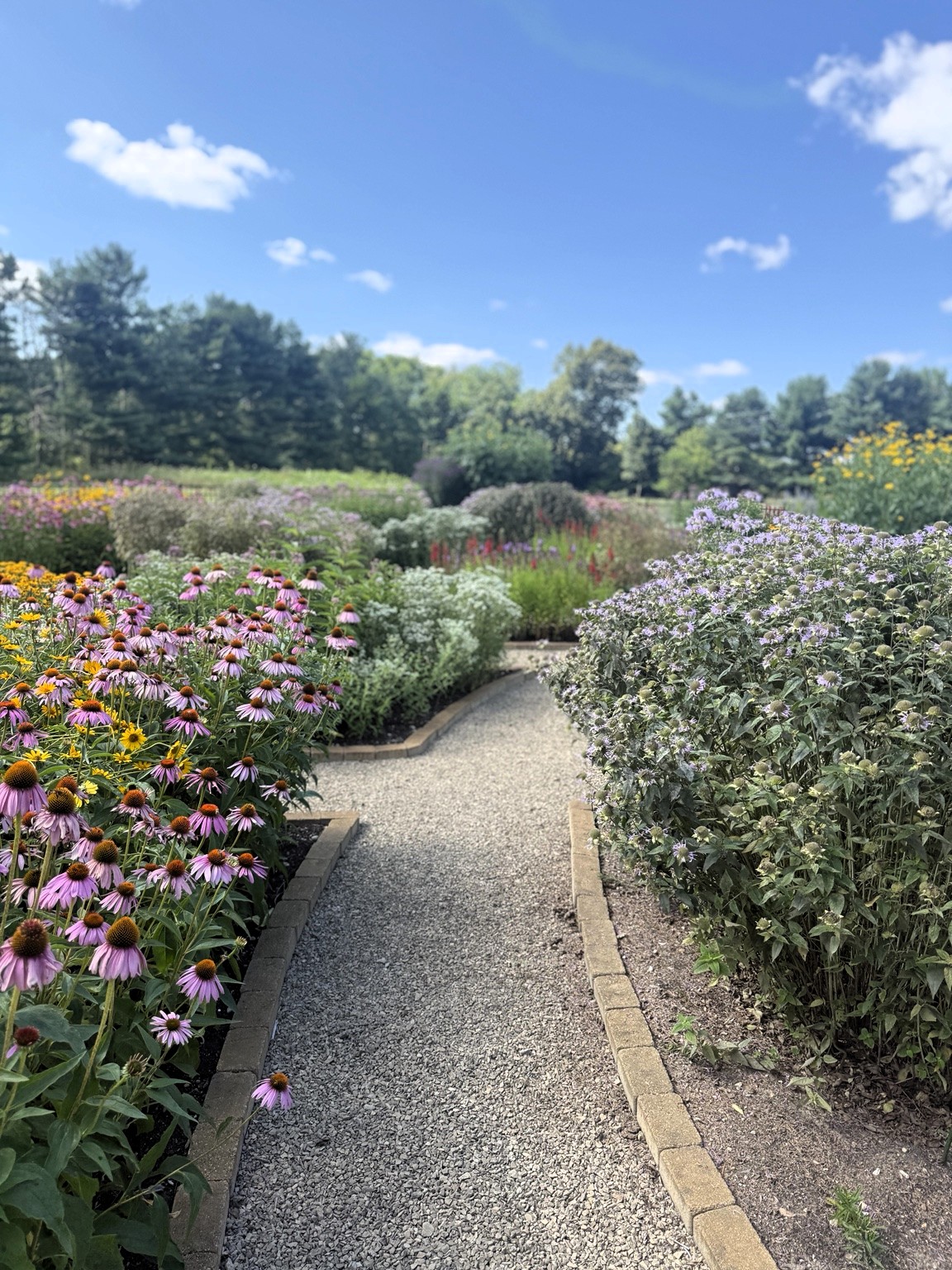
One of the standout aesthetic elements of the space is the careful selection of hardscaping materials. The color of the brick edging and the surrounding gravel paths feels exceptionally natural and earthy. Rather than shouting for attention, the muted tones provide a calm, supportive framework that allows the vibrant foliage and diverse blooms to take center stage. The garden is filled almost entirely with Michigan native plants, a significant portion of which O’Shaughnessy successfully propagated and grew from seed herself.
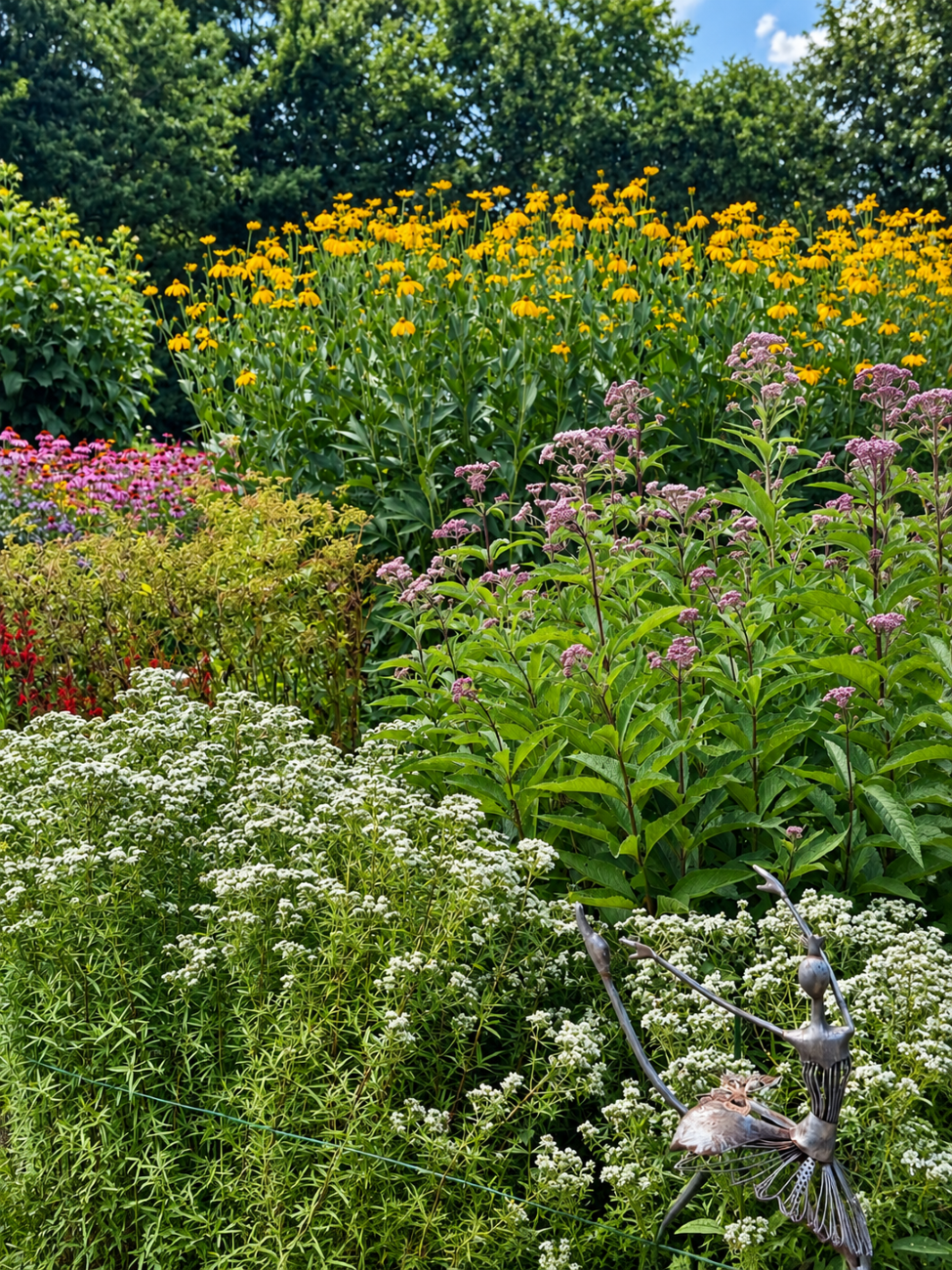
The ecological impact of this meticulous seed-to-soil approach is staggering. To document the garden’s success in supporting local wildlife, O’Shaughnessy has photographed 26 different species of pollinators visiting clustered mountain mint (Pycnanthemum muticum, Zones 4–8) alone. Bees, flies, wasps, and a multitude of other beneficial insects swarm the aromatic foliage. Naturally, a Michigan native garden of this caliber would not be complete without other regional heavyweights, such as spotted Joe-Pye weed (Eutrochium maculatum, Zones 3–8) and giant coneflower (Rudbeckia maxima, Zones 4–9).
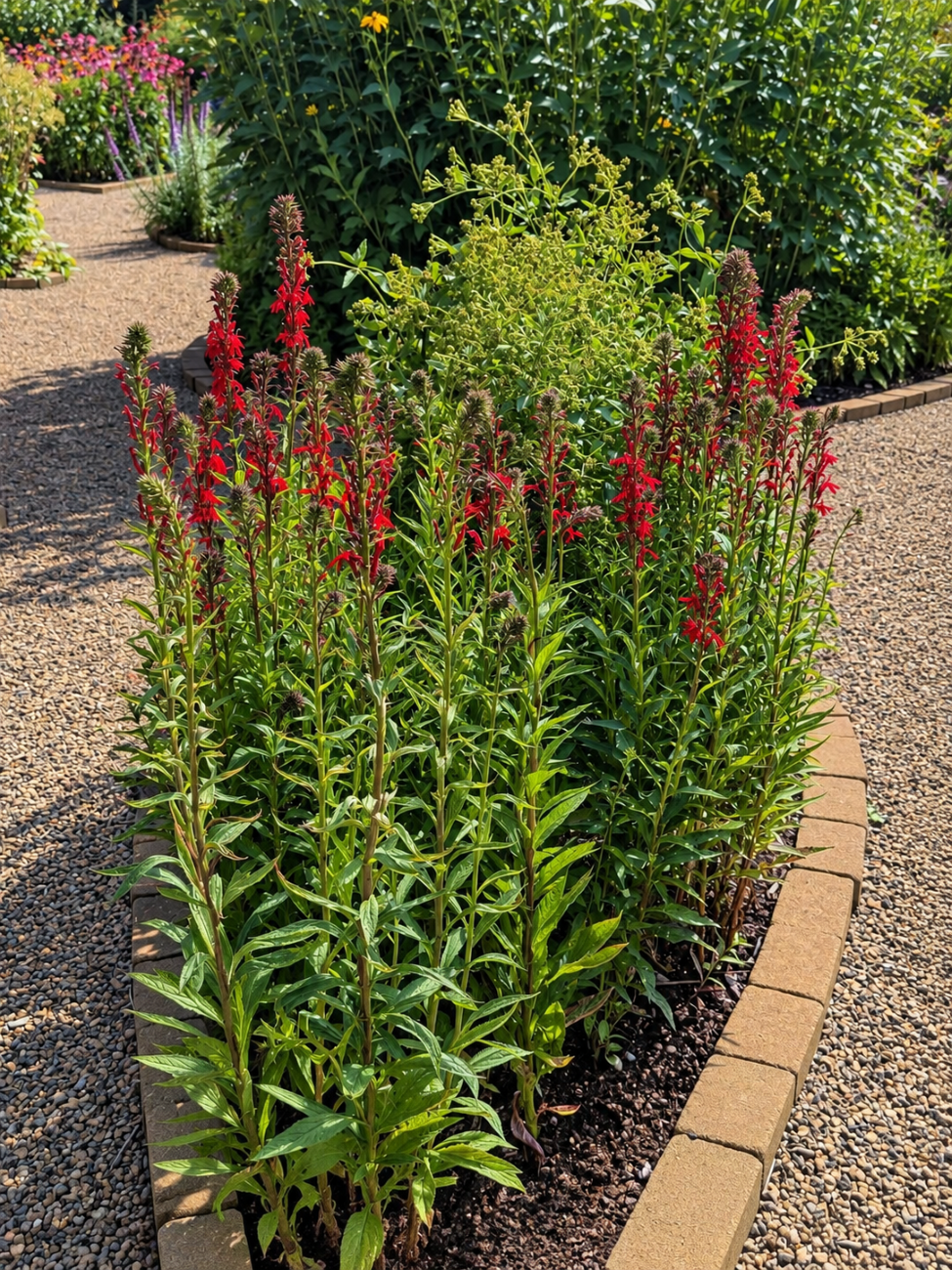
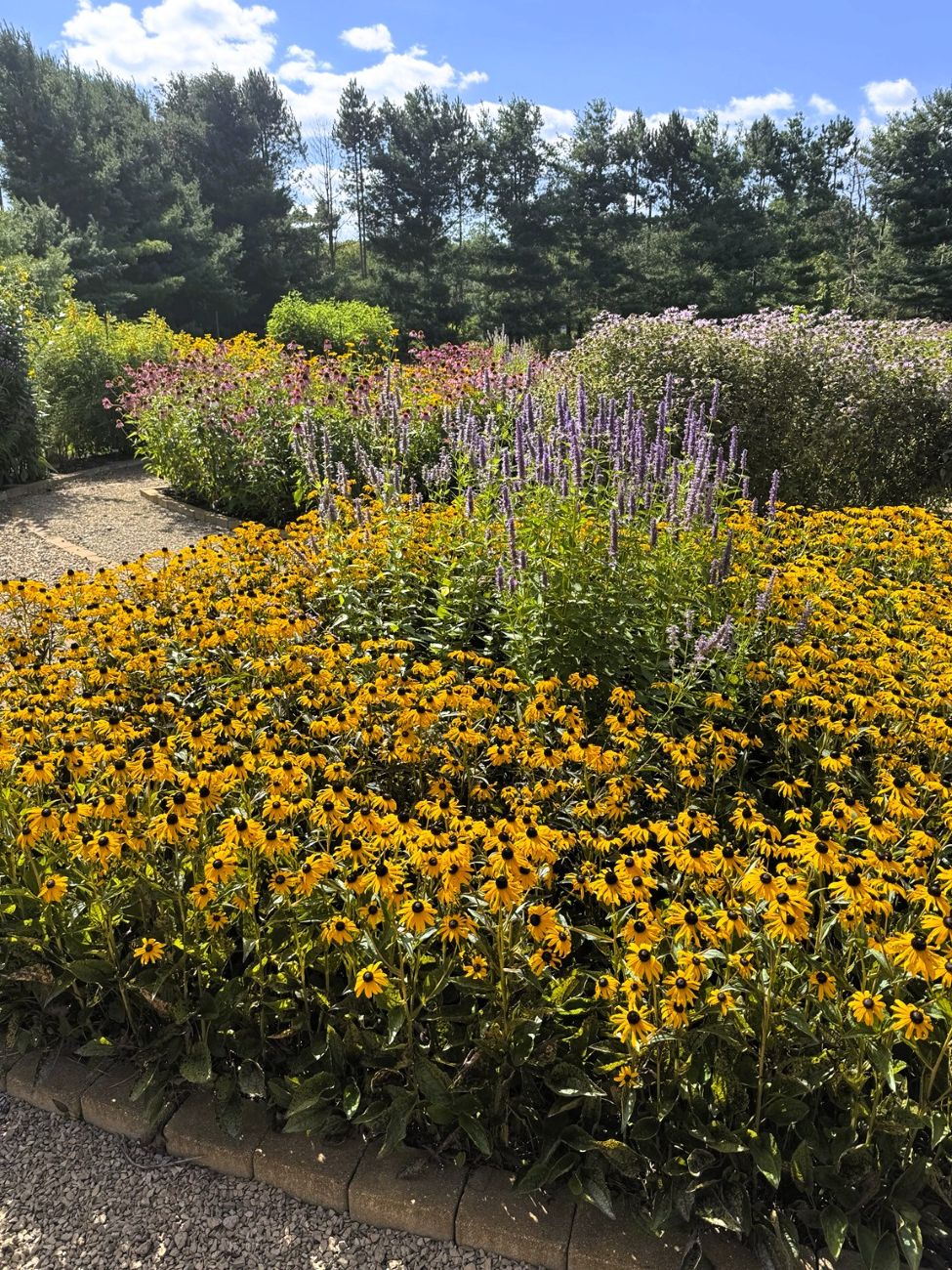
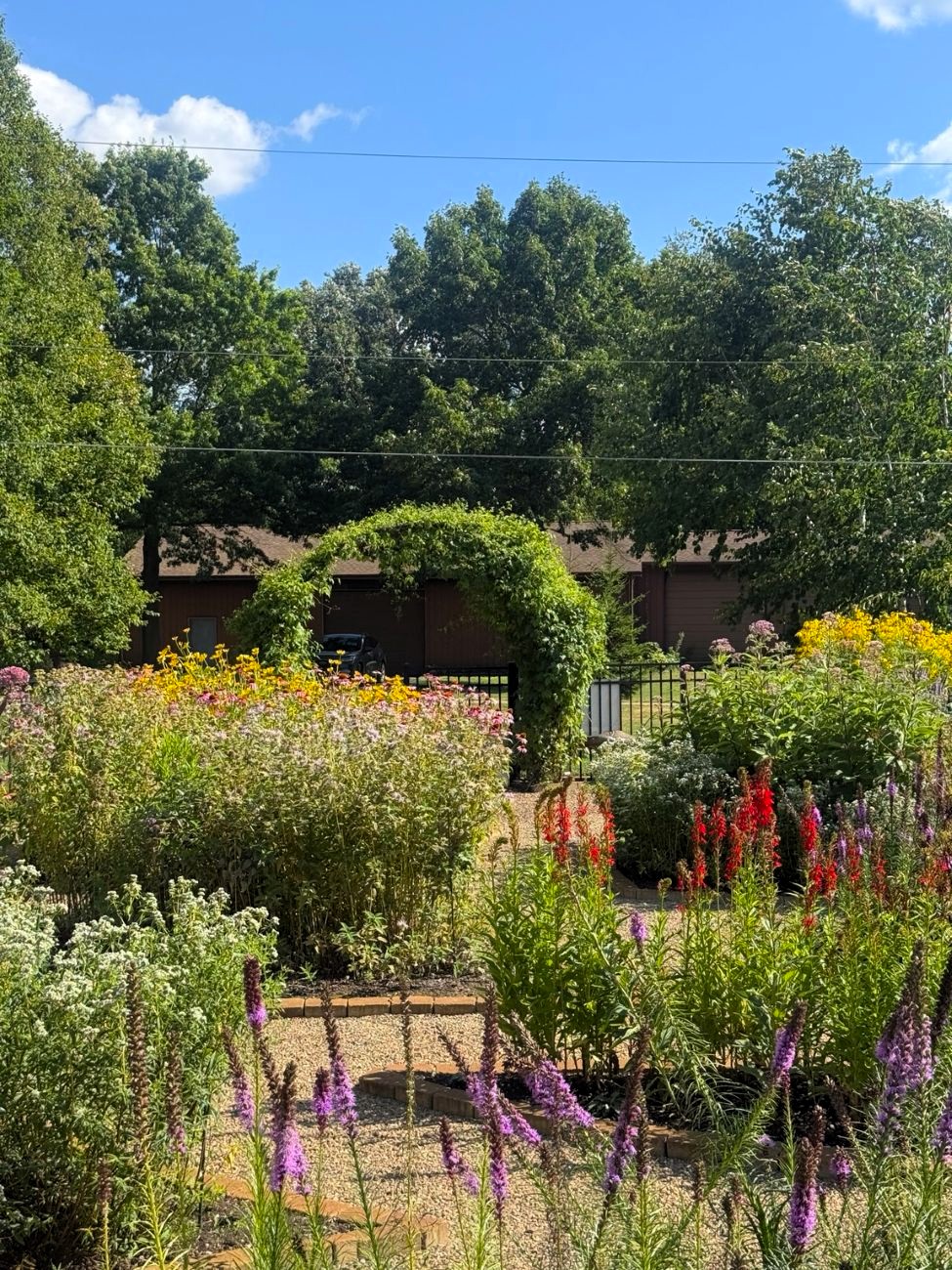
Throughout the midsummer season, the garden explodes into a dynamic tapestry of color and texture. A sea of black-eyed Susans (Rudbeckia hirta, Zones 3–9) weaving around the lavender-purple spikes of anise hyssop (Agastache foeniculum, Zones 4–8) offers a textbook example of a successful pollinator combination. Nearby, the brilliant red spikes of cardinal flower (Lobelia cardinalis, Zones 3–9) are virtually impossible to miss, drawing frequent visits from agile hummingbird moths darting from blossom to blossom.
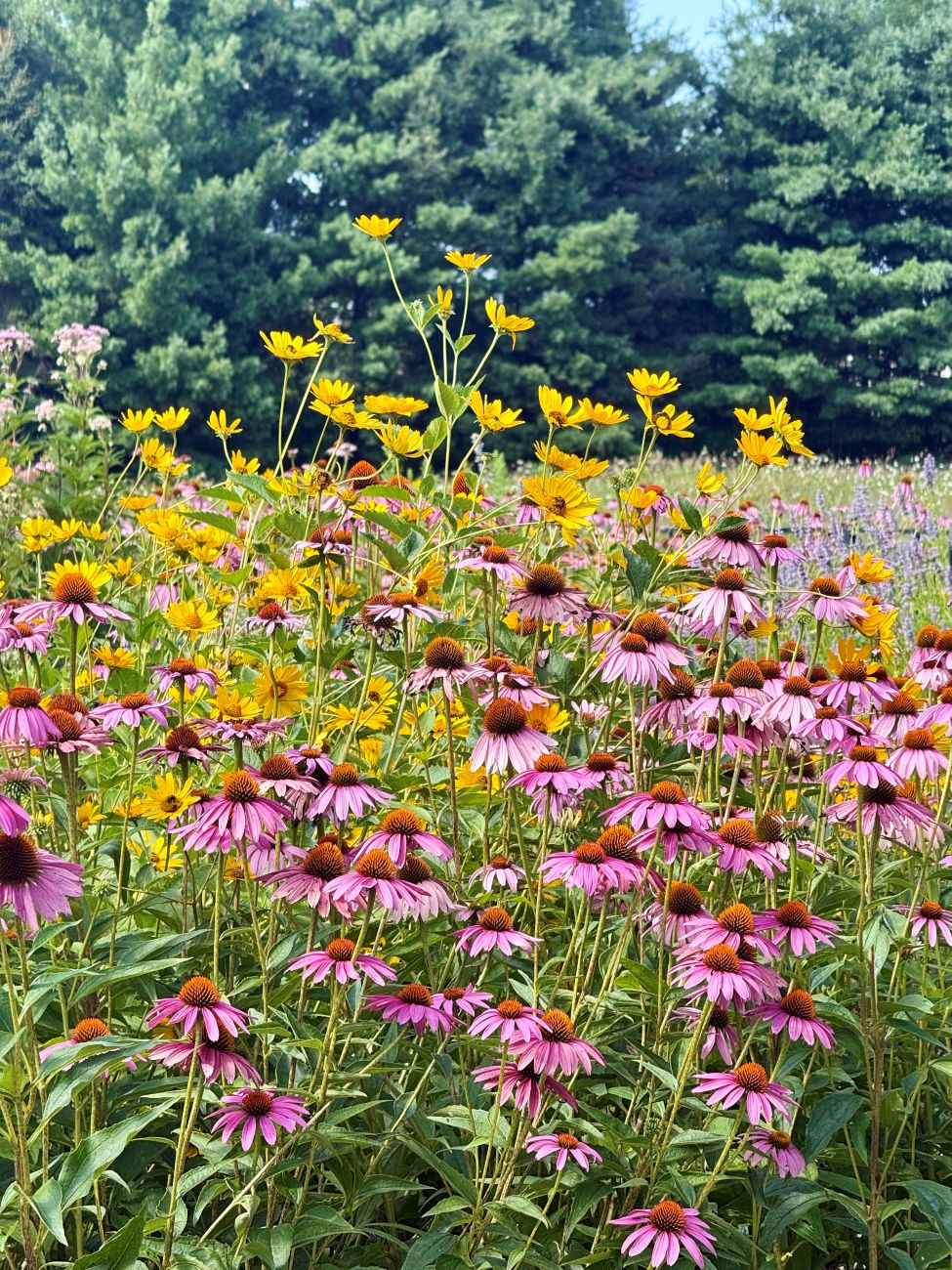
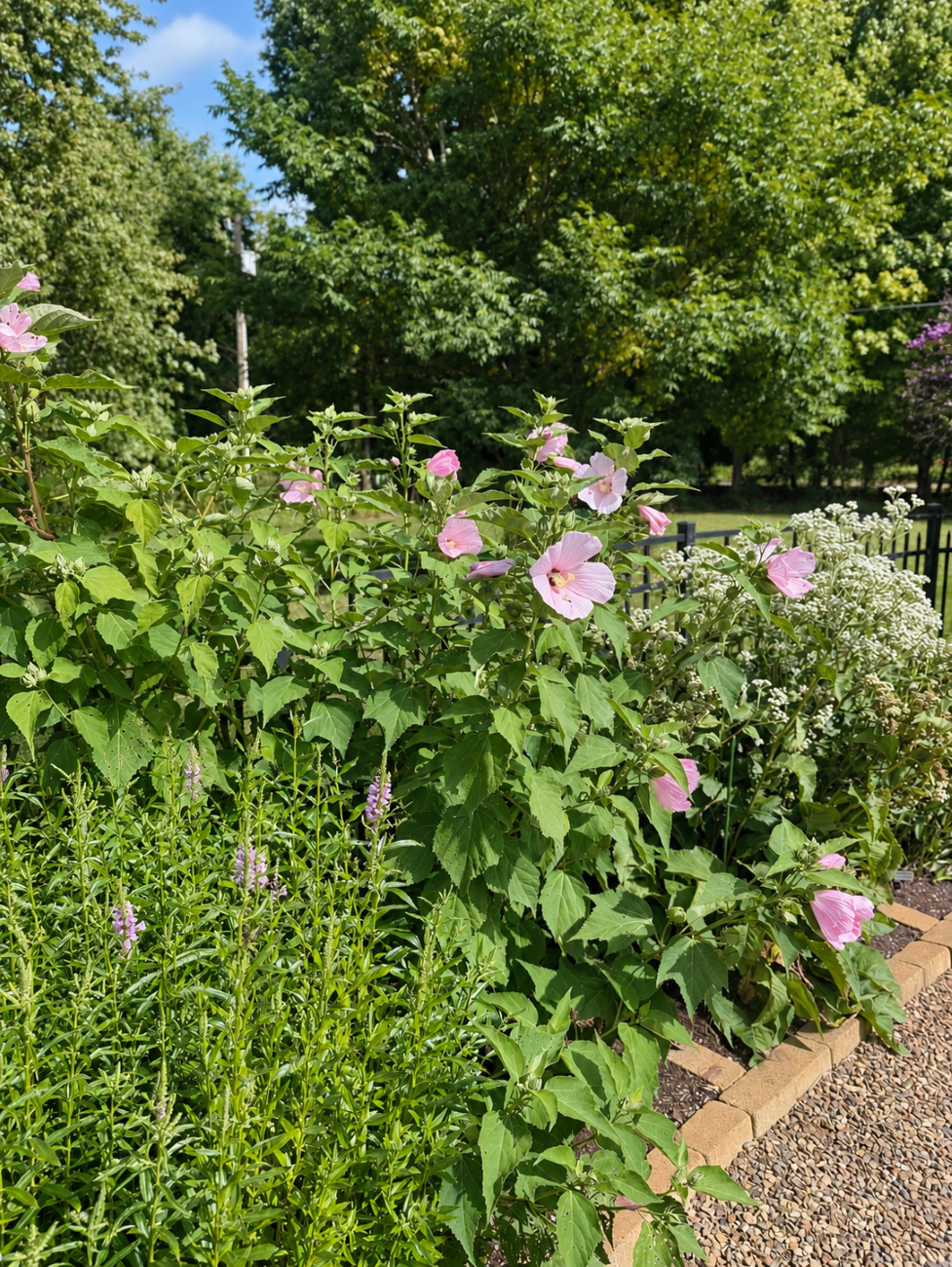
Further along the winding gravel paths, classic Midwestern pairings catch the eye. Purple coneflower (Echinacea purpurea, Zones 3–8) mingles effortlessly with false sunflower (Heliopsis helianthoides, Zones 3–9), creating a sun-drenched midsummer display. Not far away, swamp rose mallow (Hibiscus moscheutos, Zones 5–9) stands tall alongside the delicate blooms of obedient plant (Physostegia virginiana, Zones 3–9), showcasing how different moisture and soil adaptations can be harmoniously grouped within a managed landscape.
Among the most dramatic wildlife spectacles in the garden is the northern blazing star (Liatris scariosa var. novae-angliae, Zones 3–8), which acts as an absolute magnet for butterflies. O’Shaughnessy notes that she once photographed an astonishing 11 monarch butterflies feeding on a single plant simultaneously. Even during a casual afternoon visit, tiger swallowtails can be seen fluttering continuously among the purple flower heads. Framing the entrance to this vibrant ecosystem is a garden arch gracefully overtaken by native virgin’s bower (Clematis virginiana, Zones 3–8), providing a living gateway into the circular sanctuary.
A small sign hangs quietly on the black metal fence surrounding the Circle Garden, serving as a poignant reminder of the broader mission behind private spaces dedicated to conservation. Experiences like this highlight the value of peeking inside private sanctuaries and sharing those discoveries with a wider community of growers. As the growing season gradually begins to wind down across the country, sharing highlights, lessons learned, and personal garden journeys remains a cornerstone of keeping the horticultural community connected through every season.