“Camille — Here are 10 new slides for the ARCHIVES.”
In the winter of 1988, artist Emma Amos scribbled this brief note to her friend and fellow creator, Camille Billops, accompanying a thoughtful gift: a fresh contribution to the rapidly expanding library housed at 491 Broadway in Manhattan. This historic loft, purchased by Billops and her husband, James Hatch, in 1973, served as both their home and a vital sanctuary. Throughout their lives together, the couple acted as dedicated stewards of a monumental compendium documenting Black artistic history. Over the decades, their loft evolved into a cultural hub, eventually housing an extensive collection of rare periodicals, original scripts, photographs, audiotaped oral history interviews, and countless other forms of invaluable ephemera. The total number of artists preserved and immortalized within their walls ultimately surpassed one thousand, securing the space’s legacy as a cornerstone of African American cultural preservation.
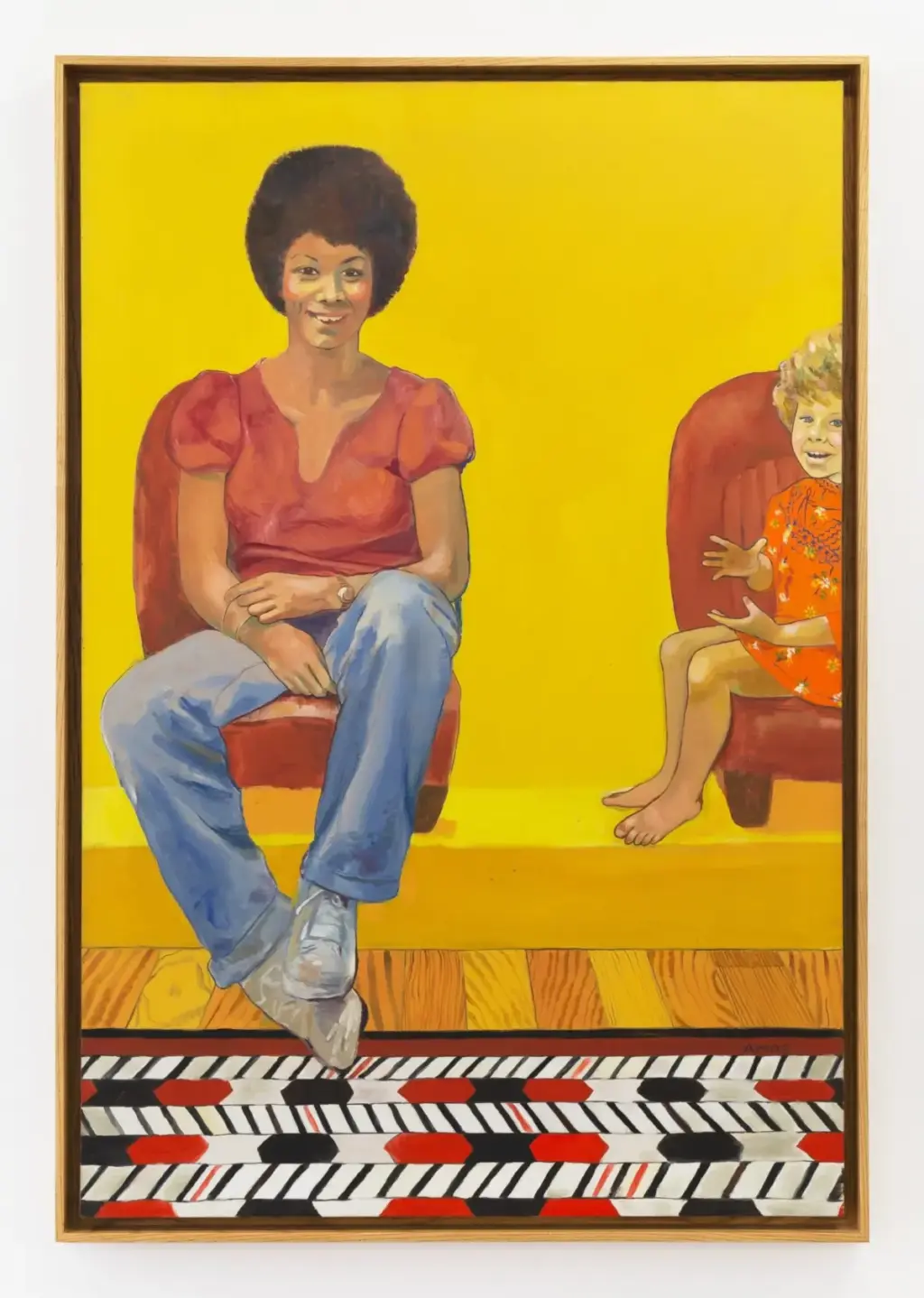
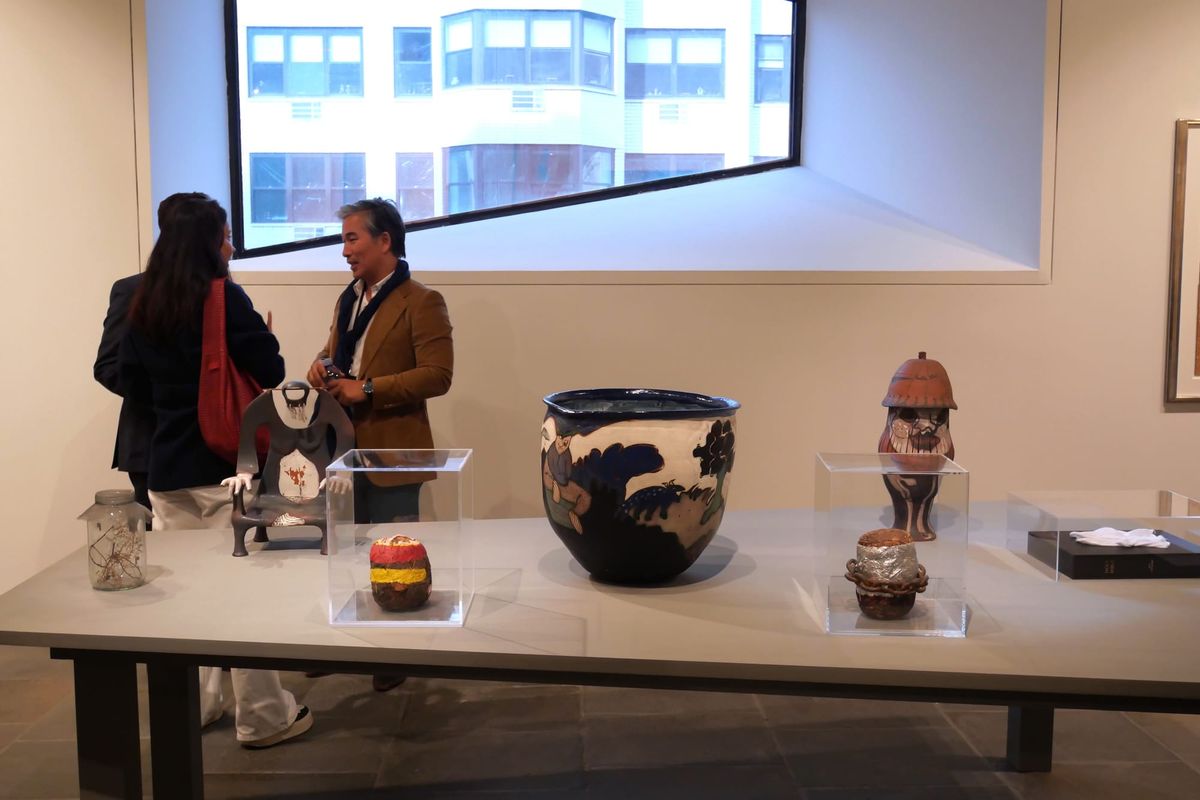
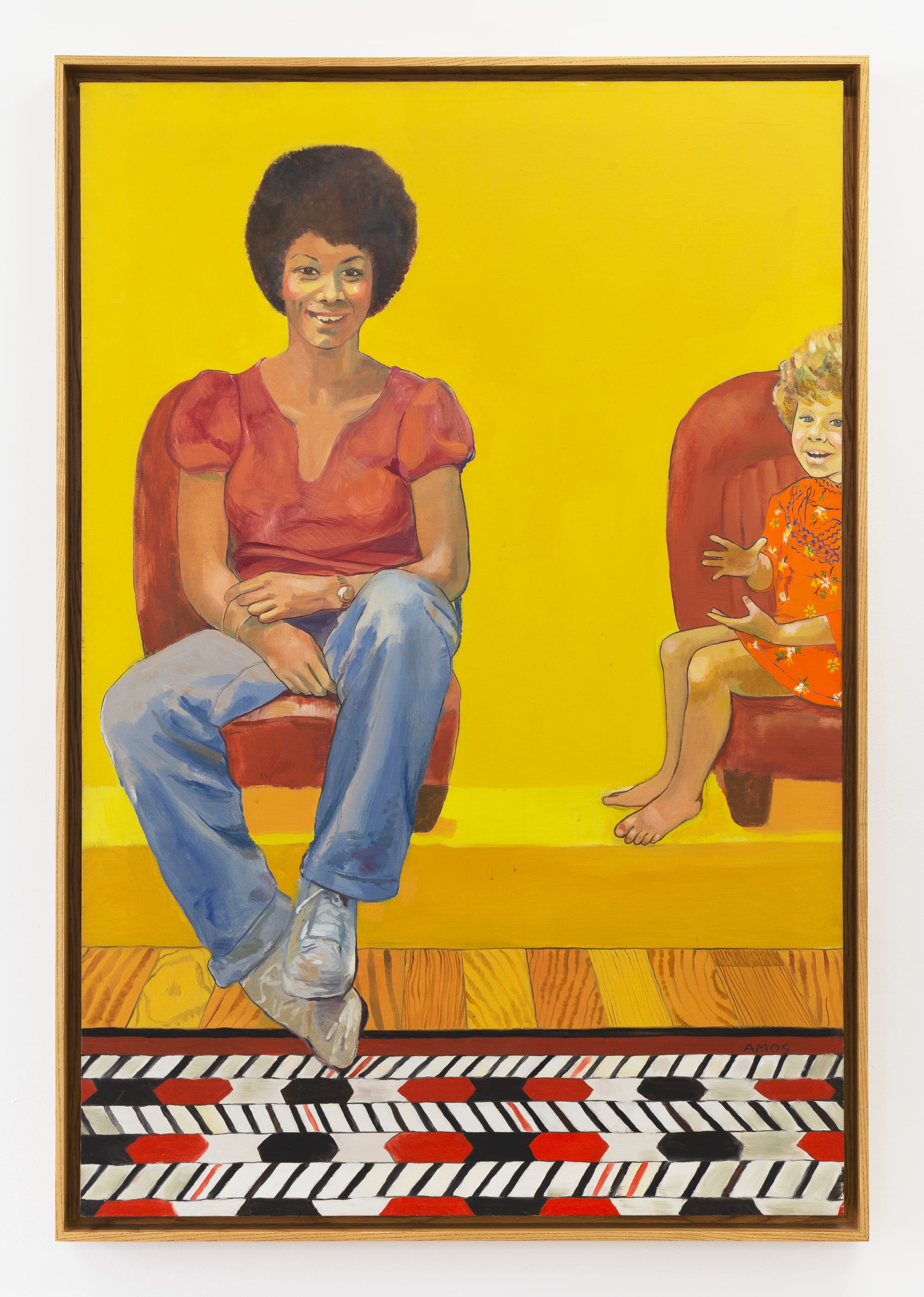
Today, a carefully curated assortment of ephemera sourced directly from the legendary Billops-Hatch Collection has found a new temporary home, accompanying Black Soho, an ambitious and evocative booth featured at the Independent 20th Century art fair. Co-produced by the prominent galleries RYAN LEE and Salon 94, the presentation is on view through Sunday, September 27, drawing considerable attention from collectors, critics, and art historians alike. Within the booth, these historic archival materials are displayed in dynamic conversation with striking artworks by Amos and Billops themselves. They are joined by pieces from an extraordinary roster of luminaries, including Vivian Browne, David Hammons, Ed Clark, Norman Lewis, Frederick J. Brown, and Jean-Michel Basquiat. Every single one of these visionary artists lived in, worked within, or spent considerable time shaping the cultural landscape of the eponymous neighborhood situated south of Houston Street.

In conceiving this collaborative exhibition, gallerist Jeff Lee explained to the press that the curatorial team drew their primary inspiration directly from the community-minded endeavors that defined Billops and Hatch’s decades in the loft. The goal was never merely to display objects behind glass, but rather to invoke a living, breathing atmosphere of creative exchange and intellectual rigor. “We wanted to emulate the energy of that loft. It was an incredible gathering space for so many major artists of her generation, but also younger generations,” Lee noted, emphasizing the intergenerational dialogue that historically thrived within the Broadway space.
The inclusion of the Billops-Hatch materials at Independent 20th Century provides contemporary audiences with a rare window into the social and intellectual networks that sustained Black artists during a period when mainstream institutions frequently marginalized or overlooked their contributions. By placing personal notes, slides, and historical documents alongside masterworks by figures like Norman Lewis and Vivian Browne, the presentation bridges the gap between historical documentation and aesthetic achievement. Viewers are reminded that the masterpieces hanging on the walls were created within tight-knit communities of mutual support, critique, and celebration.
The physical presence of the booth itself functions as an homage to the grit and creativity of lower Manhattan during a transformative era. Long before Soho became synonymous with luxury retail and global fashion flagships, the neighborhood was an industrial zone peppered with cavernous cast-iron buildings that offered artists expansive, affordable spaces to experiment. Black artists played a foundational role in shaping this ecosystem, carving out spaces for discourse, experimentation, and political engagement. Through Black Soho, RYAN LEE and Salon 94 successfully resurrect this vibrant past, offering visitors to the art fair a chance to bear witness to a vital, enduring chapter of New York City’s cultural heritage that continues to resonate across generations of contemporary makers.