Outdoor timber structures add warmth, natural beauty, and long-lasting functionality to residential and commercial properties alike. However, their longevity depends heavily on proper protection from moisture, relentless insect activity, and the natural weathering process. Whether property owners are maintaining a backyard shed, an architectural pergola, a practical greenhouse, or a raised garden bed, understanding the root causes of wood decay and learning how to mitigate damage can dramatically extend the life of these significant property investments.
What Causes Wood Decay and Degradation?
Wood decay occurs when specialized fungi break down the complex cellular structure of timber. For these destructive organisms to survive, multiply, and thrive, they require a specific combination of elements: adequate moisture, sufficient oxygen, moderate environmental temperatures, and an available food source, which is the wood itself. Once these fungal colonies become active, they rapidly weaken vital wood fibers. This biological attack leads to noticeable color changes, structural softening, and the formation of cracks, checking, and severe structural instability that can compromise the safety and integrity of an entire outdoor installation.
Beyond fungal decay, timber degradation encompasses a wide range of non-biological environmental challenges. These include continuous ultraviolet exposure from sunlight, weathering from wind and precipitation, wood-boring insect infestations, and fire hazards. Together, these cumulative elements accelerate wear and tear, significantly reducing the operational lifespan of outdoor structures. Addressing these vulnerabilities begins well before construction starts, starting with the fundamental selection of the building material itself.
Why Western Red Cedar Holds Up Better
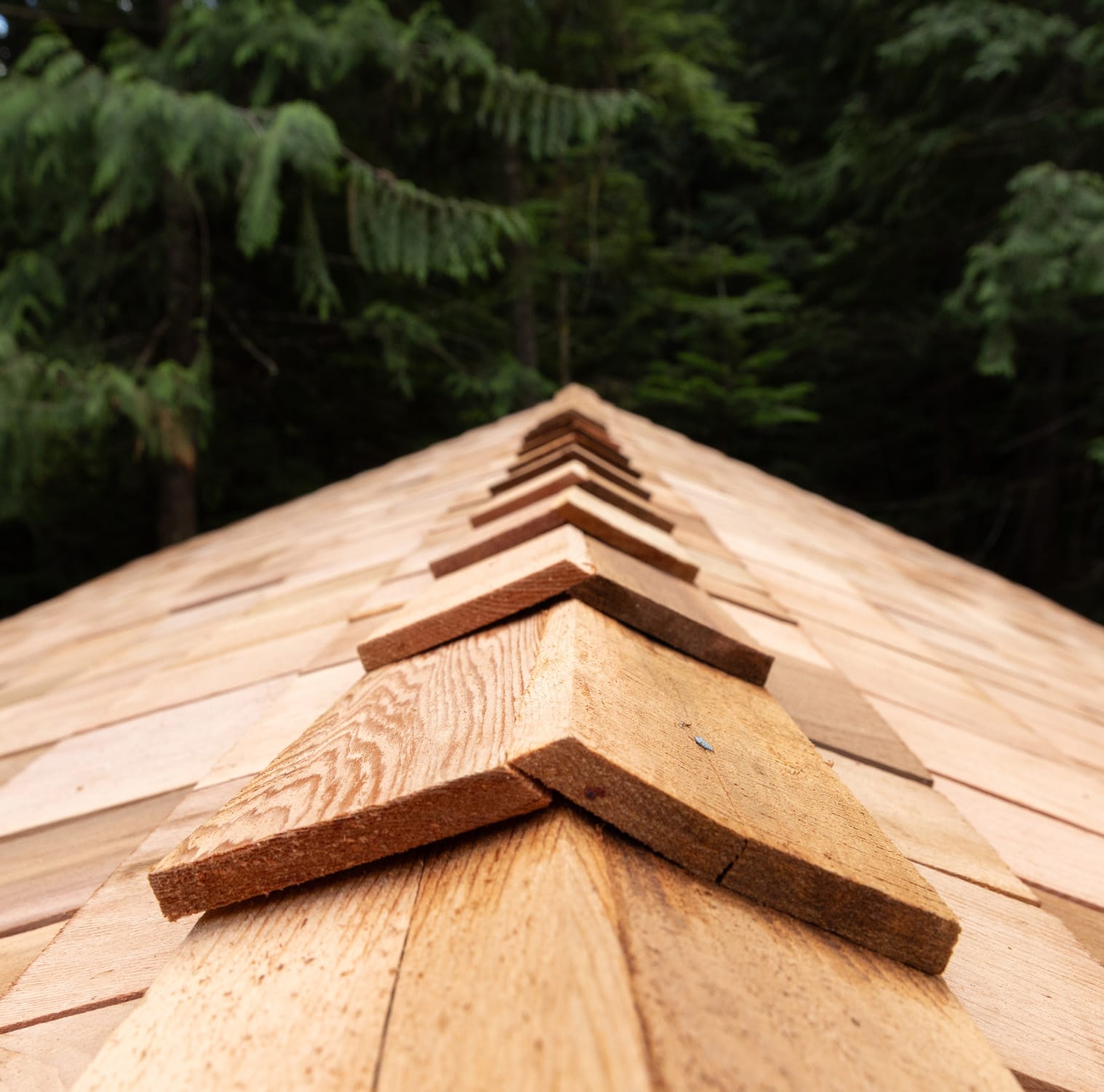
Among the vast array of available timber options, Western Red Cedar has consistently emerged as one of the top-performing woods for exterior applications. Its exceptional durability stems from its unique natural composition. Unlike standard lumber that requires heavy chemical treatments to resist environmental pressures, Western Red Cedar naturally contains organic chemical compounds known as thujaplicins and water-soluble phenolics. These natural substances act as powerful preservatives, rendering the wood toxic to decay-causing fungi and highly unappealing to wood-boring insects.
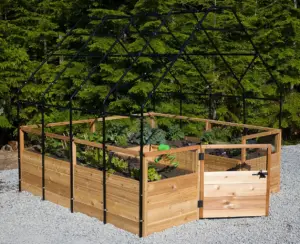
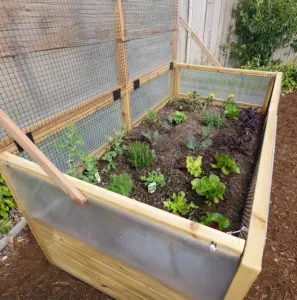
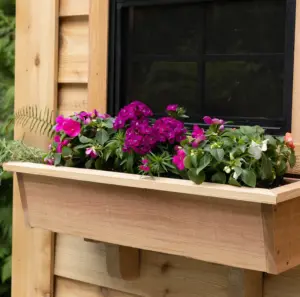
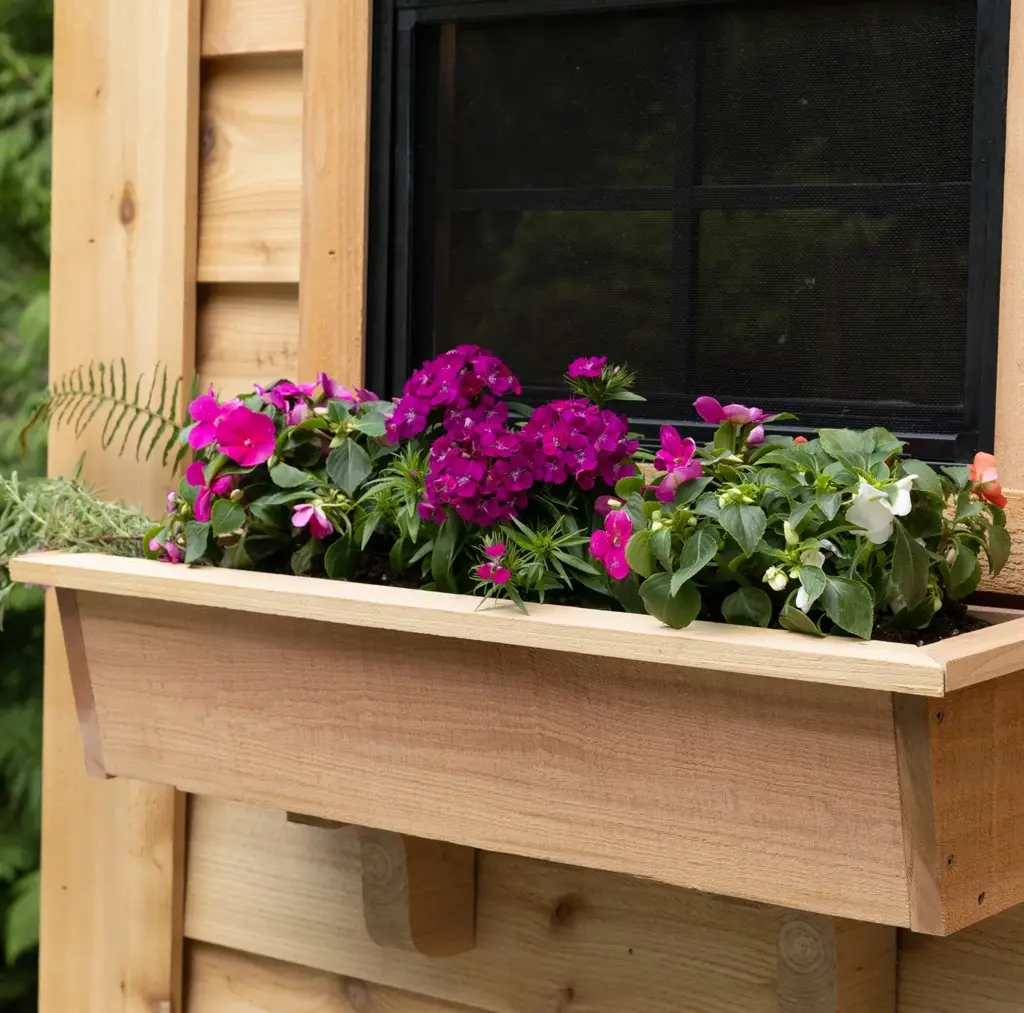
Because of this inherent durability, cedar has become the material of choice for a wide variety of outdoor applications, including backyard sheds, decorative pergolas, functional greenhouses, raised garden beds, children’s playhouses, and durable outdoor furniture. For property owners seeking a balance between long-term structural longevity and minimal ongoing maintenance, Western Red Cedar stands out as a premier building material.
How to Prevent Wood Decay in Outdoor Structures
Protecting exterior timber structures requires a comprehensive strategy that begins with material selection and extends through ongoing environmental management and surface maintenance. The primary line of defense is choosing durable wood species such as Western Red Cedar (Thuja plicata), which provides a reliable, long-term solution by naturally resisting decay without relying entirely on synthetic chemical preservatives. While pressure-treated lumber offers a degree of protection, moisture control remains essential for all wood types, as standard chemical treatments alone cannot completely stop water absorption.
Moisture management remains the single most critical factor in preventing wood decay. To reduce moisture accumulation, property owners must ensure adequate site drainage, maintain clearance between the wood and damp soil, and promote proper air circulation around all sides of the structure. Reducing ambient moisture dramatically slows fungal activity and prevents the conditions required for decay to take hold. Despite best efforts, if localized rot does appear, prompt intervention is necessary. Early treatment, including the removal of affected fibers and the application of targeted fungicidal treatments, prevents rot from spreading into adjacent structural components.
Surface treatments also play a vital role in shielding wood from UV radiation and moisture penetration. Opaque paints provide exceptionally strong weather protection thanks to their high pigment content, delivering optimal results when applied in a controlled factory setting for a smooth, enduring finish. For those painting onsite, proper surface preparation and priming are crucial. When property owners prefer to showcase the natural grain of the timber, clear varnishes and unpigmented oils offer an alternative, though they typically demand more frequent reapplication and offer limited ultraviolet protection compared to pigmented coatings.
Wood stains represent an effective middle-ground option for property owners wanting to balance aesthetics with structural durability. Stains penetrate the wood fibers while providing varying degrees of pigmentation that block damaging ultraviolet rays and shed surface moisture. Similarly, translucent coatings create a protective, paint-like film while still allowing the natural grain and texture of the wood to remain visible. Reapplying these translucent and stained finishes periodically, depending on local climate conditions, ensures that the structure remains thoroughly protected and visually appealing over the years.
Evaluating Finishes for Outdoor Wood
Choosing the right finish depends heavily on the specific exposure levels and aesthetic goals for each structure. Opaque paints deliver excellent overall protection and strong UV resistance, making them ideal for sheds, pergolas, and heavily exposed architectural elements. Wood stains offer good general protection and moderate UV defense, suiting structures like garden sheds, raised beds, and outdoor furniture. Clear varnishes and unpigmented oils provide mild protection with low UV resistance, making them more appropriate for interior-facing wood components or deeply shaded structures. Translucent coatings offer very good protection and good UV defense, serving as an optimal choice for high-visibility cedar products where natural appearance is paramount. Additionally, traditional finishes like boiled linseed oil are frequently utilized to seal timber and slow down the degradation process, though they require careful application and monitoring.
Property owners looking to invest in long-lasting outdoor architecture can explore a wide range of structures handcrafted from premium Western Red Cedar. Sustainably sourced and naturally durable, these structures are engineered for long-term performance across varied climates. Pre-built and modular options, including sheds, pergolas, and garden beds, provide reliable solutions for residential and commercial outdoor spaces alike.