The art world is currently navigating a whirlwind of significant shifts, ranging from major personal divestments by blue-chip artists to high-profile curatorial appointments and the unfortunate realities of international art crime. As global markets fluctuate, the intersections of institutional expansion, private collection management, and cultural diplomacy remain as dynamic as ever.
In the Spotlight: Major Moves and Shocking Losses
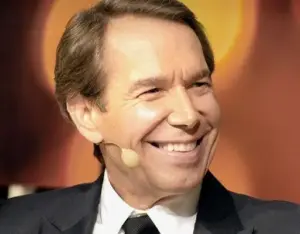
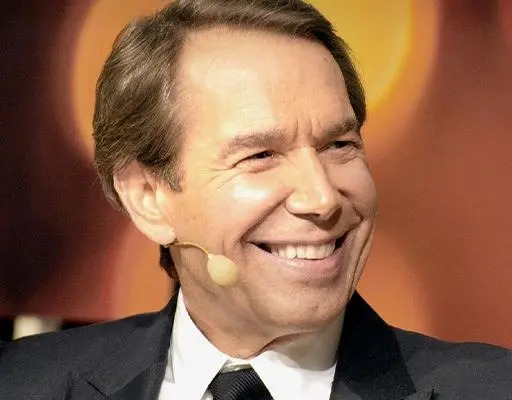
In a move that has sent ripples through the international art market, Jeff Koons is preparing to part with a significant portion of his personal art collection. With a valuation estimated at $100 million, the trove is slated to hit the auction block at Christie’s this fall. The collection, which largely stems from an aggressive buying spree conducted by the artist in the late 2000s, offers a rare glimpse into the aesthetic sensibilities of one of the world’s most recognizable living creators. The inventory reportedly spans diverse historical periods, featuring works from the Dutch Golden Age alongside significant paintings by masters such as Pablo Picasso and Édouard Manet. For collectors and institutions alike, the sale represents a major opportunity to acquire pieces that have been curated through the lens of one of the contemporary art scene’s most influential figures.
While the market anticipates the Koons sale, a more sobering development has emerged from France, where authorities are investigating a brazen art heist. Thieves have successfully stolen a 330-pound bronze book cover designed by the surrealist icon Salvador Dalí. The work, titled Livre de l’Apocalypse, is described by experts as a "masterpiece" collaboration involving 14 distinct artists and writers. Due to the materials used and the intricate craftsmanship involved, it is considered one of the heaviest and most expensive books ever created. The theft has reignited conversations regarding the security protocols surrounding high-value historical artifacts and the vulnerability of unique sculptural works to well-organized criminal networks.
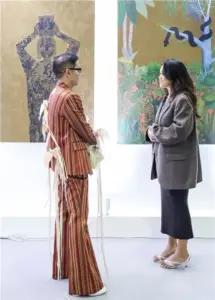
Meanwhile, the intersection of pop culture and institutional curation has reached new heights at the San Francisco Museum of Modern Art (SFMoMA). The museum is currently hosting an exhibition curated by RM, the global K-pop star and lead singer of BTS. The response from the public has been nothing short of extraordinary, with the museum reporting that 50,000 tickets have already been reserved for the debut. By leveraging his immense influence to highlight Korean art, RM has effectively bridged the gap between traditional fine art institutions and a younger, globalized audience, proving that the appetite for curated, cross-cultural experiences remains a potent force in the contemporary museum landscape.
Museums and Galleries: Strategic Alliances and Cultural Expansion
Institutional collaboration has emerged as a dominant theme in Europe, where a powerful new research partnership has been forged between the Rijksmuseum in Amsterdam and the Museo Nacional del Prado in Madrid. The two heavyweight institutions have joined forces with a primary mission: to highlight the often-overlooked roles of women in art and history. This long-term initiative is set to include a specialized fellowship program aimed at fostering academic research, which will culminate in a major collaborative exhibition scheduled for 2029. By pooling their vast resources and scholarly expertise, these museums hope to rewrite the canon and provide a more comprehensive view of historical artistic narratives.
In London, the legacy of the late architect Zaha Hadid is being preserved through a new public initiative. The Zaha Hadid Foundation (ZHF) has announced the transformation of the architect’s former headquarters into a dedicated cultural space. Set to open to the public on October 29, the site will serve as a hub for architectural discourse and design history, allowing the public to engage with the creative environment where some of the world’s most iconic structures were conceptualized.
Institutional growth is also being fueled by significant private philanthropy in the United States. The Phoenix Art Museum in Arizona recently announced that it has received a $5 million donation from philanthropist Sukumar Nagendran. The substantial gift is earmarked for the expansion of the museum’s Sri Lankan and South Asian art galleries. Such funding is crucial for museums looking to diversify their permanent collections and provide more equitable representation for art traditions that have historically been under-represented in Western institutions.
Executive leadership changes continue to reshape the global museum map as well. The Louvre Abu Dhabi has appointed Souraya Noujaim as its new director. Noujaim is a familiar face within the institution, having previously served as the museum’s scientific, curatorial, and collections management director. Her internal promotion signals a commitment to institutional continuity as the museum continues to establish itself as a cornerstone of the Middle Eastern cultural sector. Similarly, in Hong Kong, Philip Tinari has been named the director of Tai Kwun Arts. Tinari, who had already been serving as the organization’s "head of art" since January, will now lead the institution’s long-term vision, cementing his role as a key figure in the development of Hong Kong’s burgeoning contemporary art scene.
Auctions and the Market: The Unexpected Discovery
The art market’s inherent volatility and the potential for "hidden gems" were underscored recently by a remarkable story out of Michigan. An estate sale in Kalamazoo yielded a painting by Gertrude Abercrombie that had been purchased for a mere $30. When the piece reached the auction block, it sparked a feverish bidding war, eventually hammering for $1.35 million. The auction house noted the significance of the find, remarking that the buyer had effectively saved a piece of art history from being lost to obscurity. This narrative of the "lucky find" continues to fascinate the public and serves as a reminder of the historical treasures that can still be discovered in the most unassuming of places.
Fairs and Biennials: Global Perspectives in 2027
As the art world looks toward the future of large-scale exhibitions, the New Museum has provided a glimpse into its upcoming 2027 Triennial. The institution has revealed the roster of participating artists, which includes 36 individuals and collectives representing 34 different nations. This edition is being touted as the most internationally focused in the history of the event. By prioritizing a wide geographical spread, the New Museum aims to provide a platform for diverse perspectives, challenging the traditional Western-centric models of the biennial format and reflecting a more interconnected, globalized reality for the art world.
As these developments suggest, the art market and its associated institutions are in a state of rapid evolution. From the high-stakes financial movements of individual artists like Jeff Koons to the collaborative research efforts of major European museums and the curatorial democratization seen at SFMoMA, the sector is balancing the need for preservation with a proactive push toward innovation and inclusivity. Whether through the tragedy of high-profile thefts or the thrill of million-dollar estate sale discoveries, the art world continues to be a space where value—both cultural and monetary—is constantly being negotiated, challenged, and redefined.