For much of the twentieth century, affordable housing in the United States was conceived as a distinct residential category, shaped by financing structures and development practices that separated housing for lower-income residents from the broader civic and commercial functions of the city. Federal housing legislation and subsequent urban renewal policies contributed to the construction of large residential developments that were frequently financed and managed independently of surrounding urban infrastructure. The consequences of this approach, including concentrated poverty, deteriorating buildings, unequal access to services, and the eventual demolition of prominent public housing projects, are extensively documented in modern architectural and urban planning discourse.
Today, the provision of affordable housing is closely tied to economic and regulatory mechanisms that determine feasibility, ranging from land values and construction costs to zoning regulations and public subsidies. Programs for housing credits play a significant role in financing affordable rental housing, while competitive allocation of resources and pressure to maximize housing delivery place considerable emphasis on regulatory compliance and economic efficiency. Yet, as cities across the United States continue to grapple with acute housing shortages and the spatial fragmentation of the past, architects, urban planners, and municipal leaders are increasingly exploring new models that move beyond standalone residential blocks to weave essential public services directly into the fabric of multi-family developments.
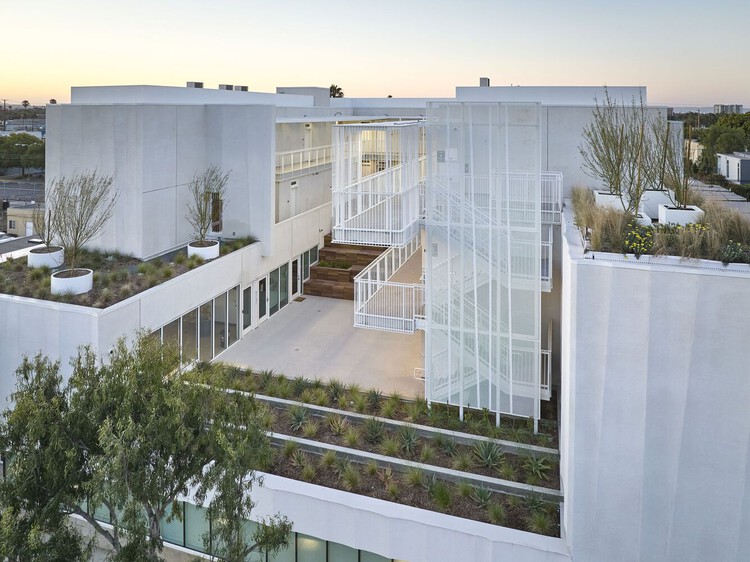
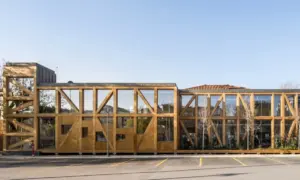
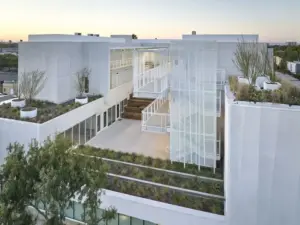
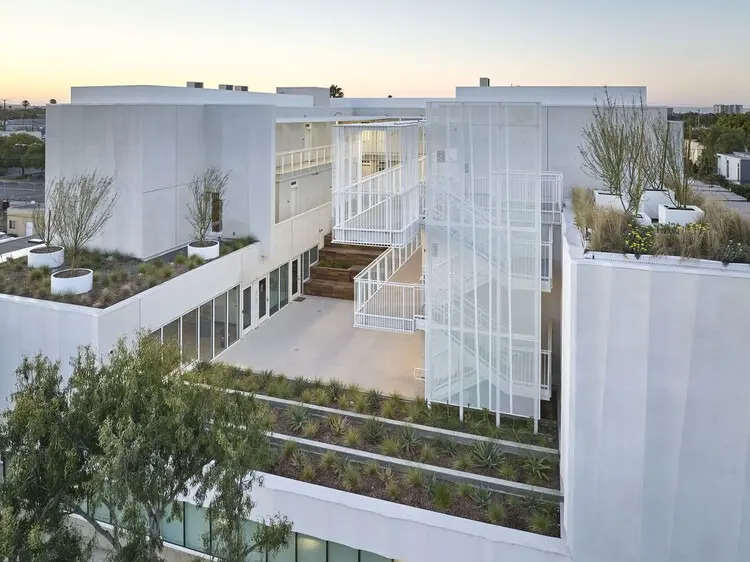
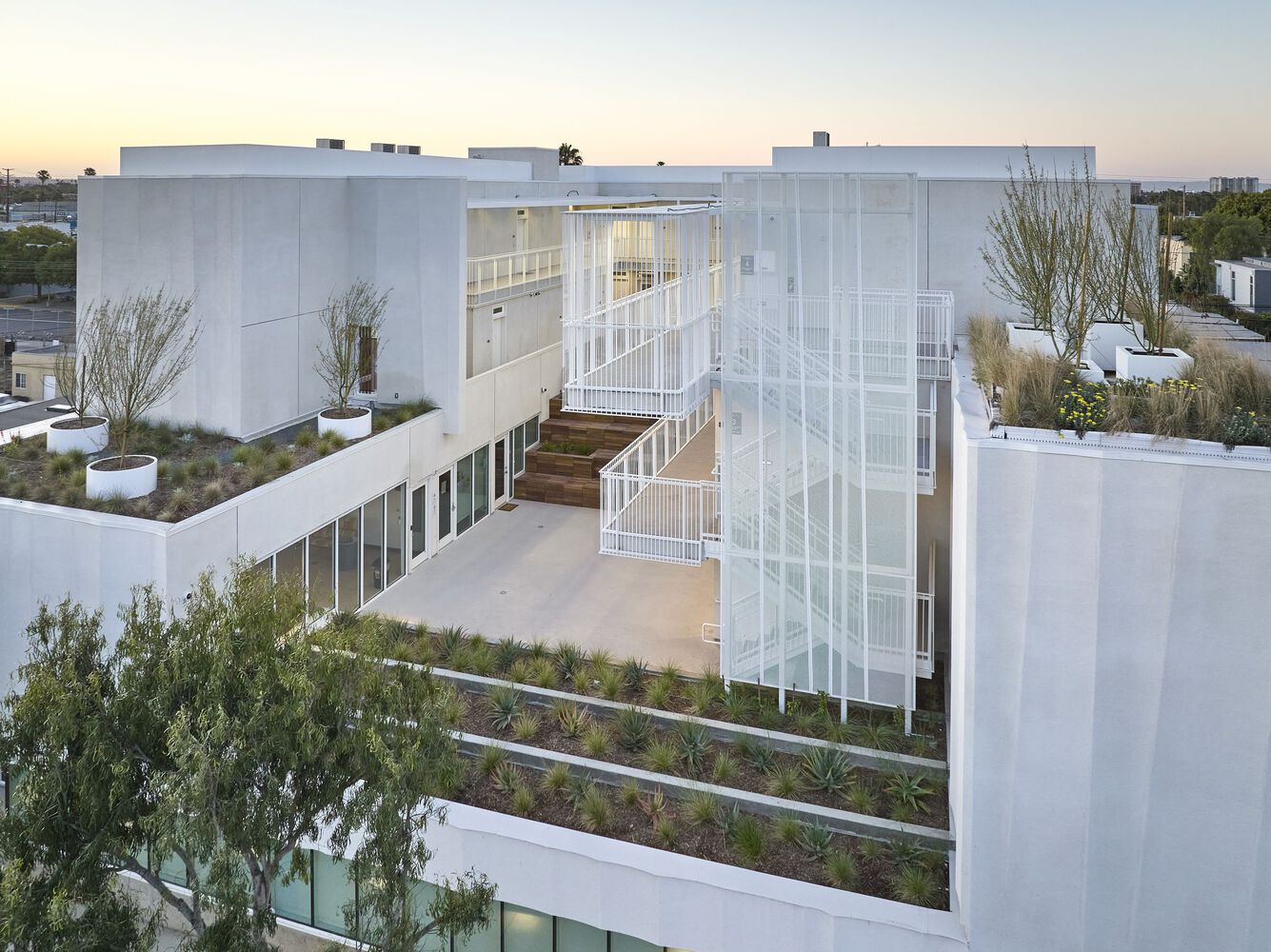
This evolving approach seeks to mend the historical fractures left by twentieth-century urban planning by embedding civic infrastructure—such as public libraries, community health centers, green spaces, and cultural venues—directly into mixed-use developments that feature affordable housing components. Prominent examples of this integrated strategy can be seen in innovative projects across the country, including the Independence Library and Apartments in Chicago, designed by John Ronan Architects, and The Rose Apartments in Southern California, designed by Brooks + Scarpa, alongside contemporary urban interventions like SHoP Architects’ 325 Kent Avenue. These projects demonstrate how contemporary design can successfully merge public amenities with residential architecture to foster more cohesive, resilient, and inclusive urban communities.

The historical backdrop of American public housing reveals a persistent challenge in how cities manage socio-economic diversity and urban space. Early federal policies favored large-scale clearance and the erection of isolated housing complexes, often segregating low-income populations physically and socially from vibrant commercial corridors and civic institutions. Over time, the physical isolation of these developments exacerbated social vulnerabilities, limiting residents’ access to quality education, employment opportunities, and daily necessities. The legacy of these urban experiments prompted a critical reassessment among policymakers and designers, laying the groundwork for contemporary mixed-use strategies that prioritize connectivity, accessibility, and the integration of diverse urban functions within a single footprint.
In the contemporary landscape, financing and regulatory frameworks heavily dictate the parameters of affordable housing development. Housing tax credits and specialized municipal bonds are vital instruments for securing the capital necessary to build and maintain below-market-rate units. However, relying solely on traditional funding models can sometimes result in risk-averse designs that focus exclusively on meeting minimum unit quotas and compliance standards, often leaving little room for broader community-oriented programming. By integrating civic infrastructure into these developments, project teams can unlock alternative funding streams, leverage public-private partnerships, and generate shared resources that benefit both the building residents and the surrounding neighborhood.

Integrating civic infrastructure into mixed-use housing requires navigating complex zoning, programmatic, and logistical considerations. Architects and developers must coordinate closely with municipal agencies, local stakeholders, and community organizations to ensure that public amenities align with neighborhood needs. For instance, combining a public library with upper-level affordable housing—as seen in innovative municipal library-housing hybrids—demands careful attention to structural acoustics, security, building access, and operational management. These challenges require sophisticated architectural solutions that maintain the distinct identity and functionality of the public space while providing secure, comfortable, and independent access for the residential community above.

Beyond operational coordination, these integrated developments offer profound urban design benefits. When civic institutions and affordable housing share the same site, the ground plane becomes an active, multi-functional zone that encourages daily interaction among diverse populations. Instead of turning inward, these buildings engage the streetscape, activating sidewalks and public realms with foot traffic generated by visitors to the civic facility and residents returning home. This continuous activity supports local retail, enhances neighborhood safety, and creates a sense of shared civic ownership over the built environment.

Furthermore, the architectural expression of these mixed-use projects often serves as a physical manifestation of a city’s progressive values regarding housing equity and public space. Thoughtful design can dissolve the traditional visual hierarchies that historically stigmatized affordable housing, replacing insular, monolithic blocks with porous, architecturally engaging structures that contribute positively to the urban skyline. The material quality, spatial organization, and environmental sustainability of these developments signal a commitment to providing dignified living conditions and high-quality public amenities for all urban residents, regardless of income level.

As the United States continues to address complex housing affordability crises and rapid urbanization, the integration of civic infrastructure within mixed-use developments offers a compelling path forward. By bridging the historical gap between residential construction and public services, architects and urban planners are redefining what affordable housing can achieve. Through careful economic navigation, collaborative policymaking, and innovative design, these projects demonstrate that housing lower-income populations does not mean separating them from the life of the city, but rather anchoring them at its very center.