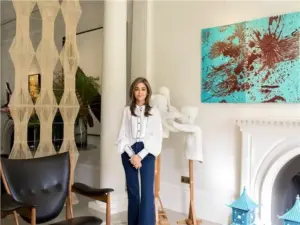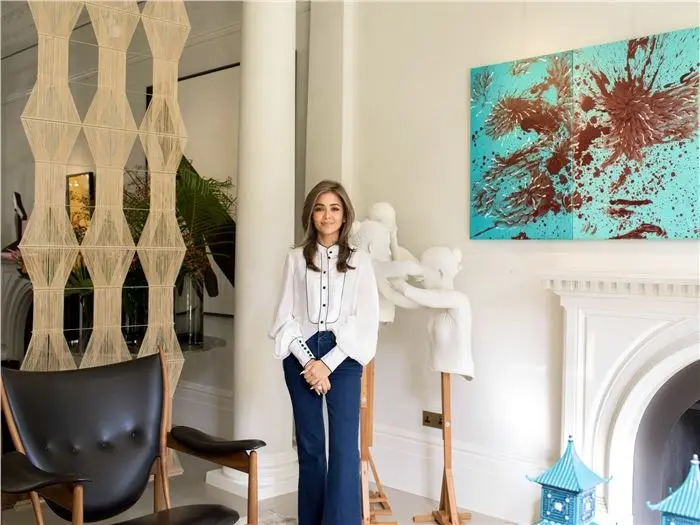
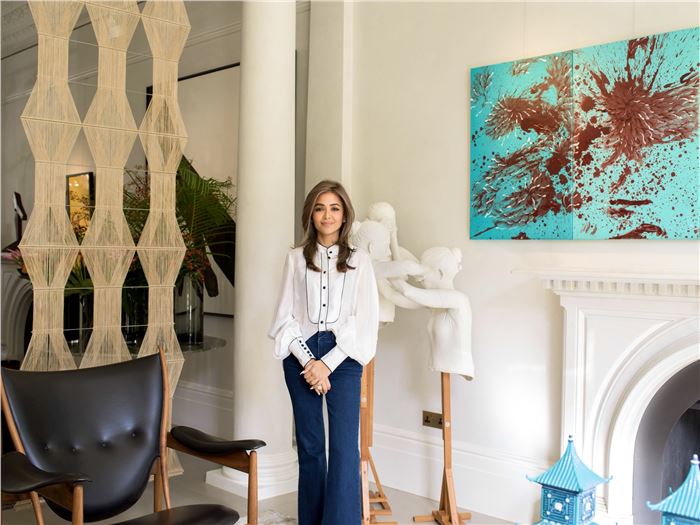
In the high-velocity world of global art collecting, where market trends often dictate the rhythm of acquisition and exhibition, London-based philanthropist Aarti Lohia stands apart for her deliberate, slow-burn approach. A prominent figure on the ARTnews Top 200 list, Lohia has cultivated a reputation for prioritizing impact over the fleeting gratification of immediacy. Through the SP Lohia Foundation, her philanthropic footprint has expanded to encompass the disparate yet strangely harmonious realms of contemporary art, competitive chess, and documentary film.
As she prepares to support a major solo exhibition of the acclaimed artist Amar Kanwar at Serpentine North—running from September 23, 2026, to January 31, 2027—Lohia is opening a dialogue on what it truly means to play the "long game" in cultural patronage. In a recent conversation with Daria Borisova, Lohia reflected on the necessity of patience, the importance of strategic foresight, and why the most profound cultural contributions are often those that refuse to yield to the pressures of a rapid, headline-driven culture.
The Intersections of Culture, Strategy, and Storytelling
For many, the combination of art, chess, and film might seem like an eclectic mix of interests, but for Lohia, they are unified by a common objective: the pursuit of clarity. "They came into my life in different decades," she explains, tracing the origins of her focus. "Chess came first. It became deeply personal through my son, Sohum, who started playing at the age of five. I have been involved with artists and cultural institutions for many years, even before my move to the UK. Film is a more recent hobby. It grew out of my passion for keeping content real and telling stories I feel deserve attention."
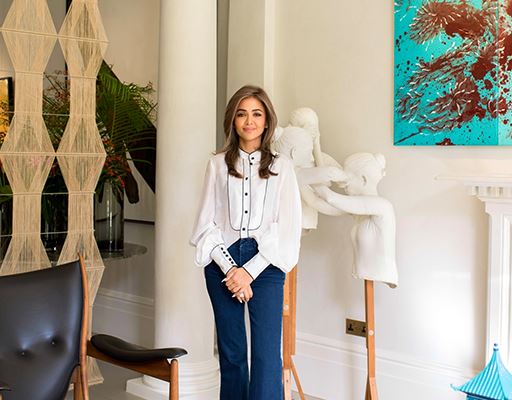
Lohia sees these three pillars as distinct lenses through which we can examine the human condition. An artist, she notes, possesses the unique ability to reframe the world, while chess offers a child the rare gift of confidence in their own analytical judgment. Documentary film, meanwhile, serves as a bridge, bringing the viewer into contact with lives and realities that might otherwise be reduced to mere statistics or transient news cycles.
"All three ask us to pay close attention, although in different ways," she says. "Chess makes you confront the consequences of a decision; art and film can make you question what you thought you knew. I value that especially at a time when people can be quick to settle on a version of the truth."
The Integrity of Support
When it comes to the operational philosophy of the SP Lohia Foundation, the focus remains firmly rooted in the concept of family stewardship. As a family foundation, the vehicle is used to champion causes that resonate with their shared values. For Lohia, the vetting process for any project is centered not on the prestige of the institution, but on the character of the individuals behind it.
"I look at the people behind a project or the leadership of an institution," she notes. "Are they leaders with integrity? Are they deeply committed to the work, and do they understand the people they hope to serve? Then I ask what our support will actually make possible and how we will know whether it has helped."
Lohia is remarkably pragmatic about the realities of philanthropy. She admits that while some outcomes are quantifiable, the foundation’s success is measured primarily through the strength of its relationships. She is willing to accept the inherent risks of creative experimentation, yet she maintains a low tolerance for the vague promises that often plague institutional funding. Her commitment is to an honest, ongoing partnership with those on the ground, favoring deep engagement over the superficiality of simply having a name attached to a project.
Championing Amar Kanwar
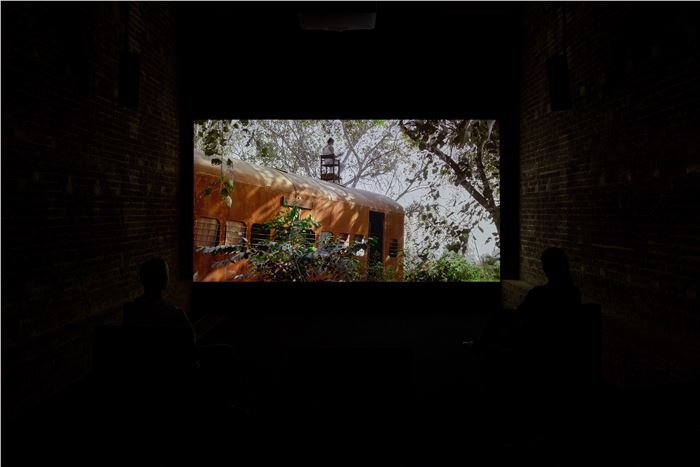
The decision to support Amar Kanwar’s solo exhibition at Serpentine North is a testament to this philosophy of sustained engagement. Lohia has followed Kanwar’s practice for years, drawn to the uncompromising seriousness of his work. In an era that often favors the quick-consumption aesthetic, Kanwar’s films and installations invite the audience to dwell within difficult histories and complex human experiences.
"I felt it mattered that an artist like Amar, from South Asia, could be encountered in the heart of London, on the scale and with the attention his practice deserves," Lohia explains. "I wanted to support the work and the conversations it might begin."
This support for Kanwar is also an endorsement of his slow, methodical process. Kanwar’s work is famously research-intensive, often unfolding over several years. To support such an artist, a patron must be willing to abandon the traditional, rigid timetables of the art market. "It means trusting an artist’s process without demanding that everything be explained in advance," Lohia says. "Work made over years can contain layers of research, doubt and change that would disappear if it had to follow a convenient timetable."
Chess as a Catalyst for Confidence
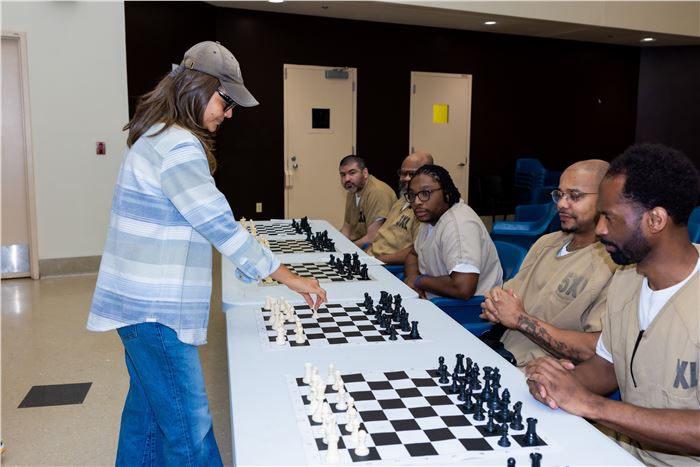
The foundation’s recent foray into chess, specifically through the SHIKHAR initiative, is perhaps the clearest reflection of Lohia’s commitment to social impact. Starting with a pilot program in six schools in Himachal Pradesh, India, the project aims to address the significant gaps in access to quality instruction.
"I have seen both how demanding chess can be and how much it can give a young person," she says. "Chess teaches you to think independently, live with a decision, and recover when you get something wrong." By focusing on grassroots engagement, particularly for girls who may be discouraged from entering the traditionally male-dominated sport, Lohia hopes to foster a sense of individual agency. Whether these children become competitive players or simply gain a greater trust in their own decision-making skills, the goal remains the same: to provide them with the tools to navigate their own futures.
Lohia notes that chess has fundamentally altered her own perspective on philanthropy. She is now acutely aware of the difference between a "good position" and a "good result." In both the game of chess and the practice of giving, a compelling start does not guarantee a successful outcome. It requires the ability to adapt to shifting circumstances and, crucially, the wisdom to recognize when an approach is failing and a new move is required.
The Responsibility of the Modern Patron
Reflecting on the current state of the art world, Lohia expresses a degree of concern regarding the distribution of opportunity. She notes that while there is an abundance of extraordinary creative output, the system remains heavily biased toward artists who are already visible, often overlooking those whose work requires the patience of long-term research or unconventional forms. Furthermore, she is wary of the growing trend where the social spectacle surrounding art exhibitions threatens to overshadow the work itself.
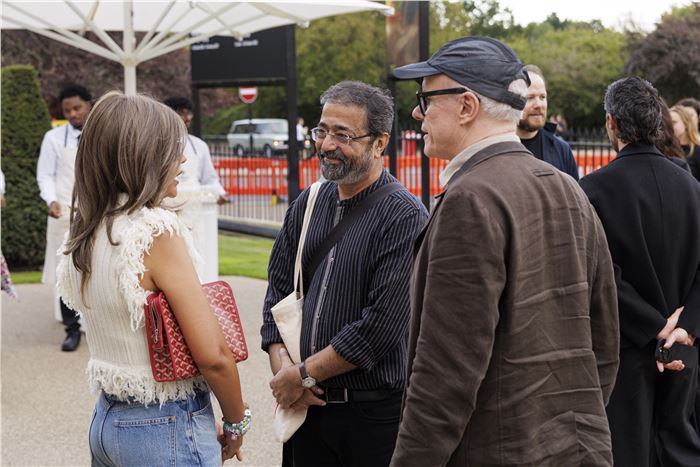
"I would like patrons and institutions to be more curious about who gets to make work and who gets sustained support," she argues. For Lohia, the act of writing a check is merely the beginning of the process. True patronage, she believes, involves active listening, making critical introductions, and staying the course when a project becomes difficult or enters a challenging phase.
As she looks toward the next two decades, Lohia’s vision for the SP Lohia Foundation is one of continuity and quiet impact. She points to the foundation’s ten-year archiving program at the India Foundation for the Arts (IFA) as an example of the kind of long-term care she hopes to continue. She envisions a legacy where the projects supported today—whether a child empowered by chess, an artist enabled to realize an ambitious vision, or a story preserved for posterity—grow well beyond the initial involvement of the foundation.
"I hope it remains open to new ideas, curious enough to change its mind, disciplined enough to learn from its mistakes and willing to commit to work whose full value may take years to become clear," Lohia concludes. In an art world obsessed with the next big thing, her commitment to the patient, unseen, and long-term labor of cultural support serves as a necessary reminder that the most significant contributions are often those that require the most time to reveal themselves.