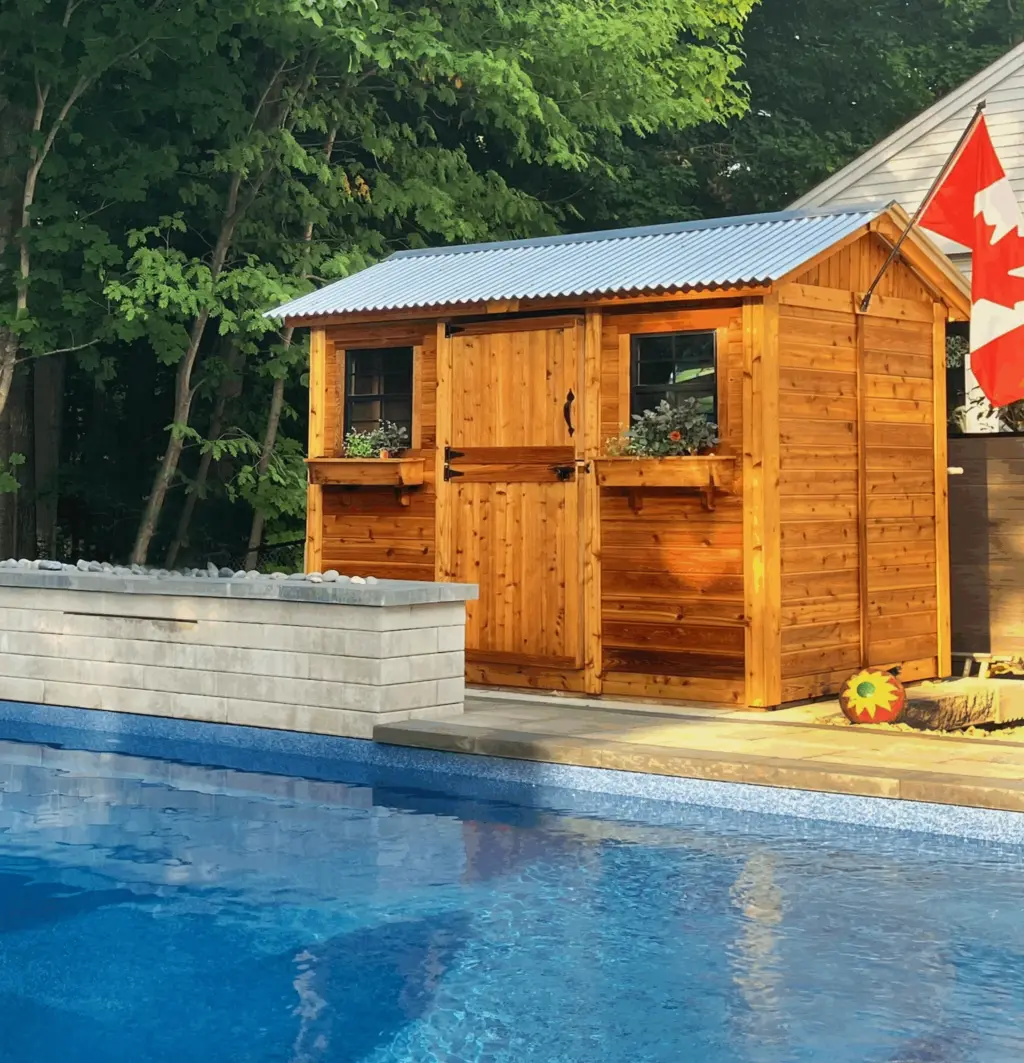
For generations, the backyard garden shed has served a singular, utilitarian purpose: a dusty outbuilding relegated to housing lawnmowers, bags of potting soil, trimmers, and a collection of rusting garden tools. However, a growing trend among homeowners looking to maximize their residential square footage is redefining the traditional structure. Rather than letting outdoor storage dictate the use of backyard space, property owners are turning to versatile, sustainably sourced Western Red Cedar sheds to create dynamic, functional extensions of their primary living areas.
Industry observations indicate that these outdoor structures are no longer viewed merely as storage lockers. Driven by a desire for greater lifestyle flexibility, homeowners and contractors are reimagining the backyard shed as a blank canvas. From peaceful home offices to dedicated recreational spaces and poolside retreats, the traditional garden shed is undergoing a profound architectural and functional evolution.
At the center of this movement is Western Red Cedar, a material prized in sustainable building circles for its natural beauty, dimensional stability, and intrinsic resistance to decay and insects. These properties make it an ideal foundation for year-round backyard conversions, allowing the structures to withstand changing weather patterns while offering a warm, organic aesthetic that complements natural landscape designs.

The Evolution of the Backyard Workspace
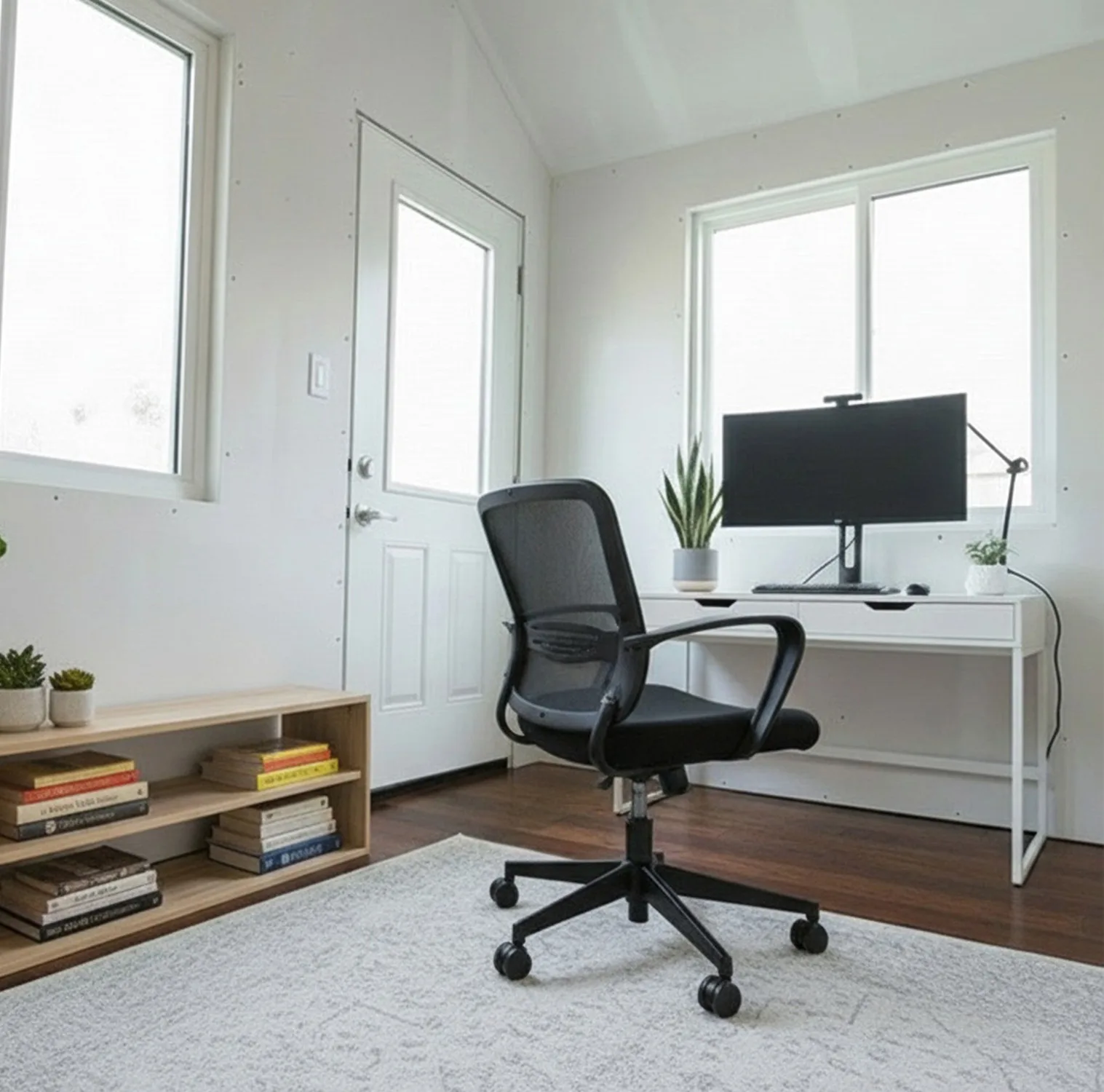
One of the most prominent drivers behind the reimagining of the garden shed is the permanent shift toward remote and hybrid work models. As telecommuting becomes a standard fixture of modern employment, professionals increasingly struggle to maintain a healthy work-life balance within the main house. Domestic distractions—ranging from household chores and family members moving through common areas to the constant temptation of the kitchen refrigerator—frequently disrupt daily focus and productivity.
To counter these challenges, a growing number of remote workers are establishing dedicated professional outposts just a few steps away from their back doors. Setting up a standalone workspace in the yard creates a definitive physical boundary between professional duties and domestic life, helping to signal the start and end of a workday.
Cedar shed offices provide the privacy, acoustic separation, and natural light necessary for a productive environment. When properly insulated, wired for electricity, and finished with interior drywall and personalized decor, these backyard studios offer a quiet sanctuary. The natural scent and visual warmth of the cedar interior further contribute to a calm, focused atmosphere, proving that a professional office does not require a lengthy commute or a traditional corporate suite.
Carving Out Personal Retreats and Family Recreation Zones
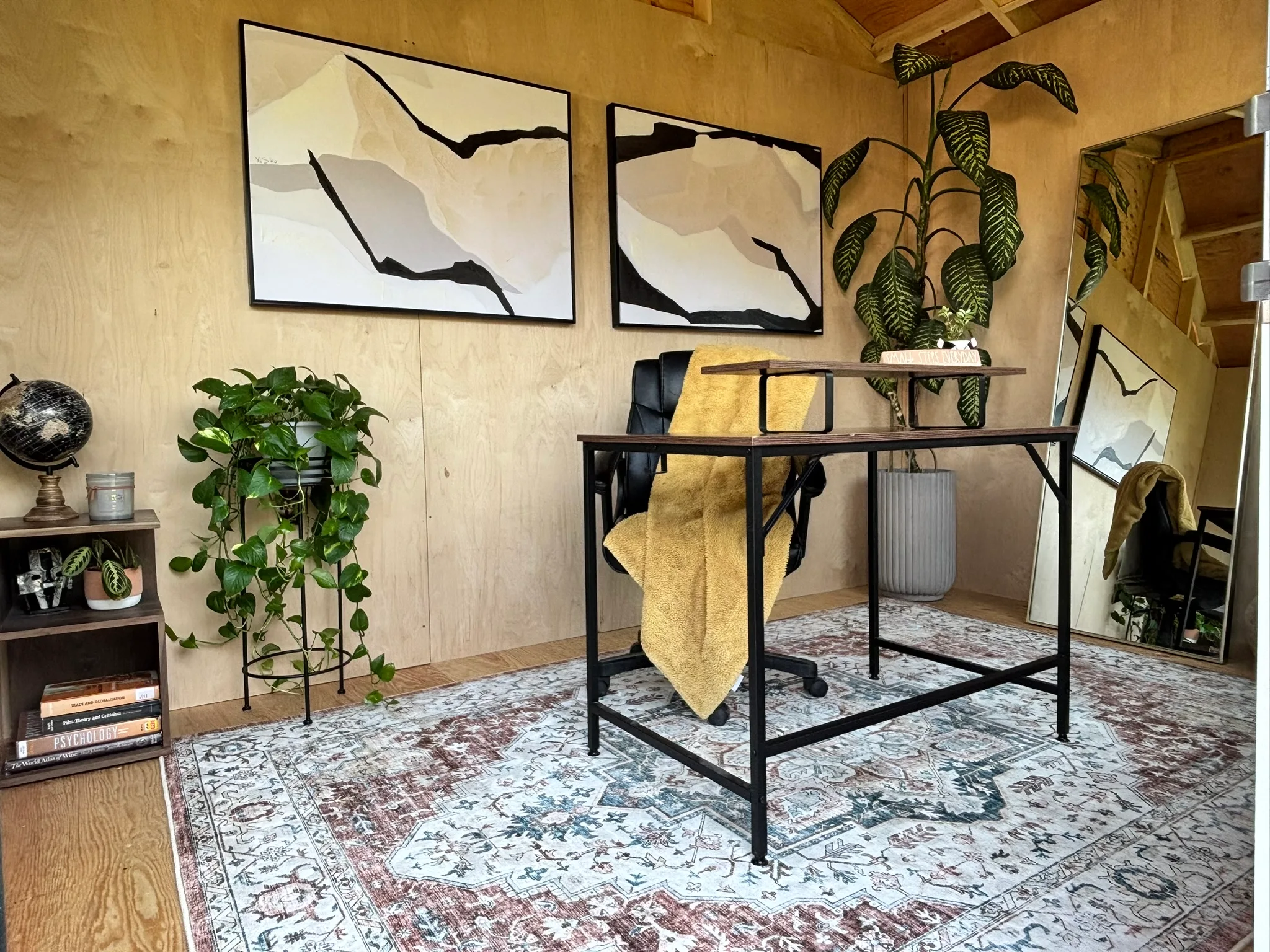
Beyond professional applications, space constraints within the main residence have prompted families to look outward for personal downtime. Modern living often means shared spaces are constantly in use, leaving little room for individual hobbies, quiet reading, or specialized entertainment.
To address this, homeowners are converting backyard cedar sheds into personalized hideaways commonly referred to as she sheds, man caves, and family rec rooms. These personalized zones provide a dedicated escape where household members can pursue personal interests without interrupting communal living areas.
Whether configured as a quiet reading room for post-dinner relaxation, a hobby workshop for crafts, or a cozy viewing room to watch sporting events, a small cedar structure offers an accessible retreat. By moving specific activities out of the main house, families can alleviate indoor congestion while making full use of their property’s footprint.
Cultivating Creative Play Spaces for Children
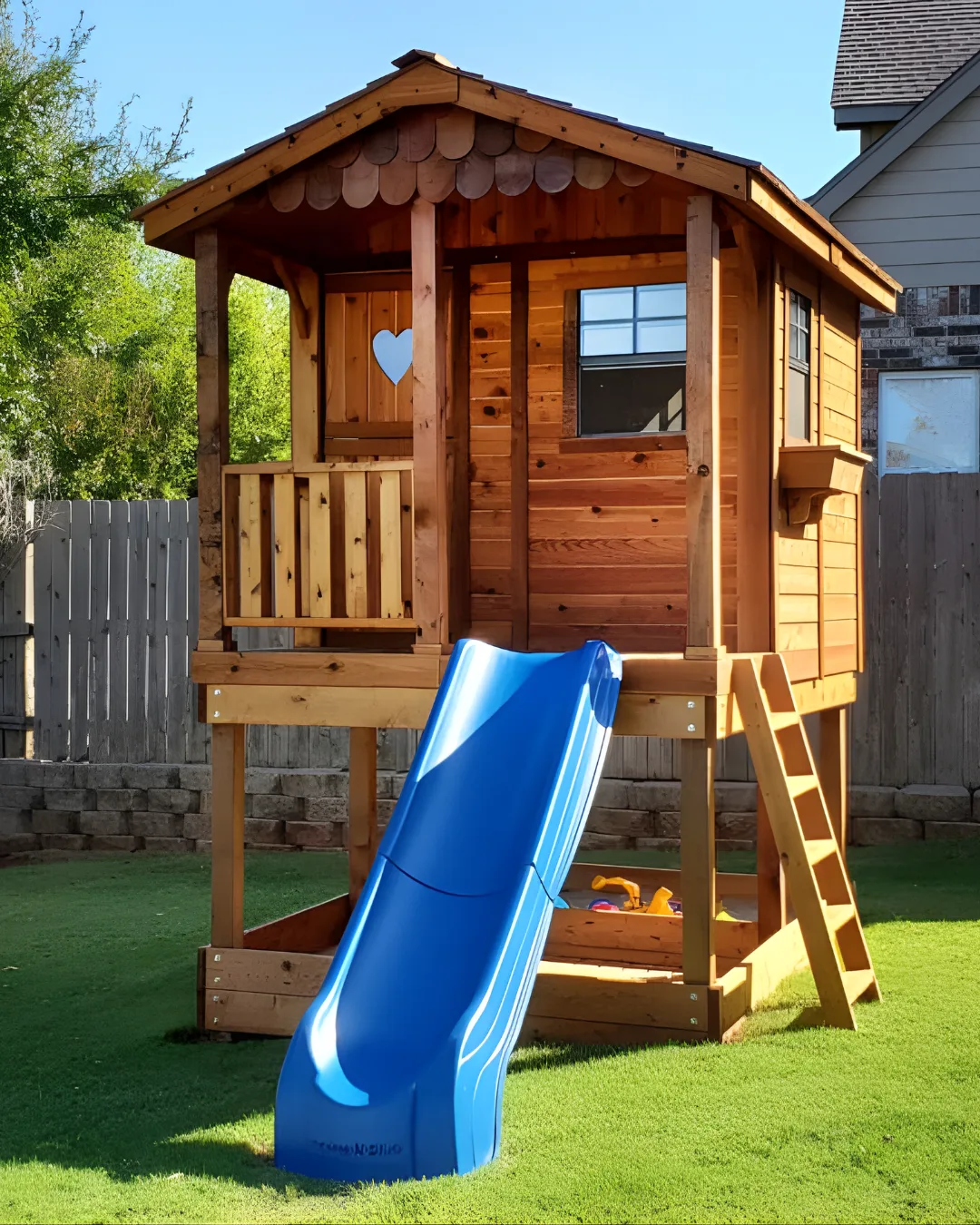
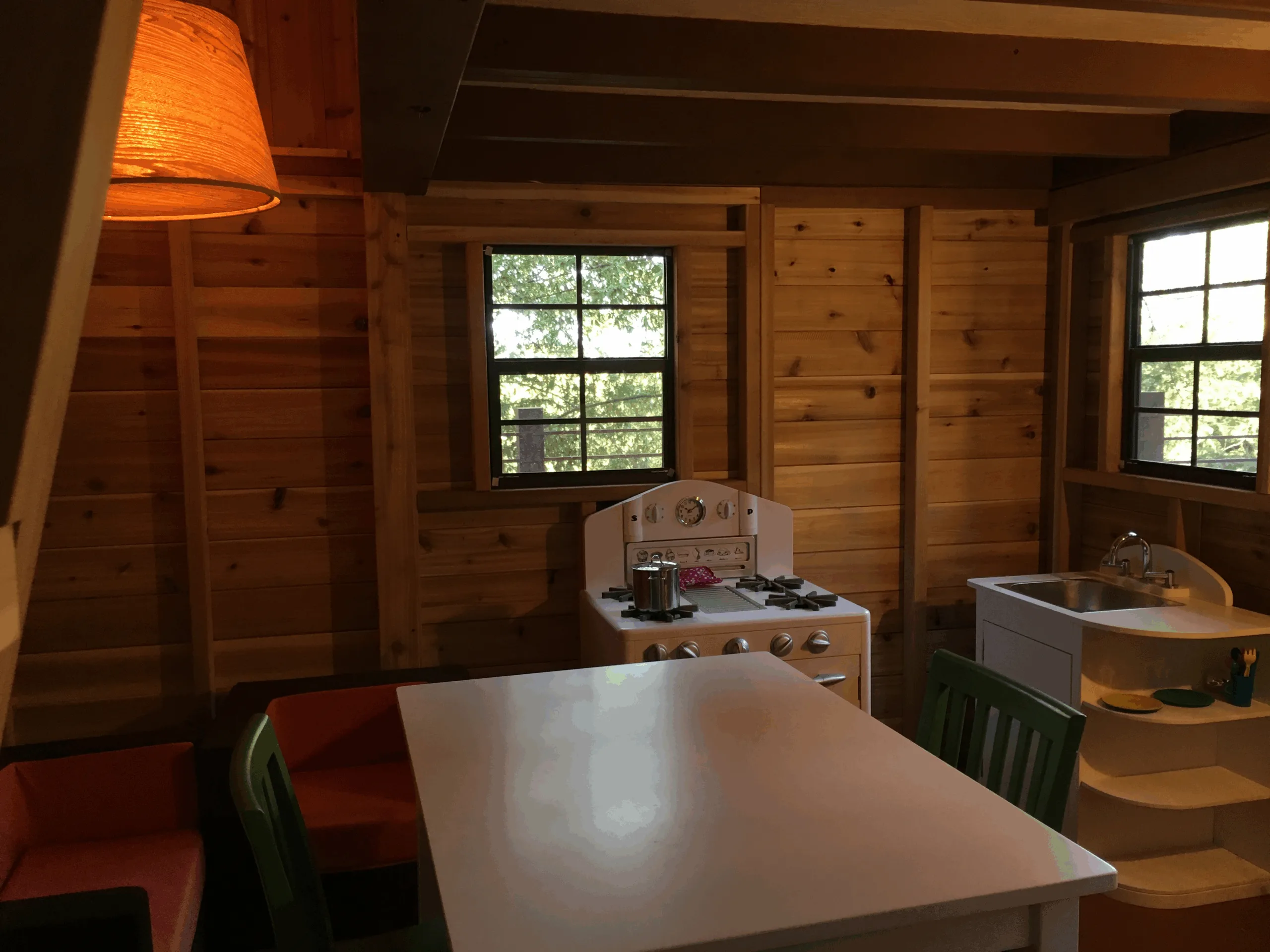
As families seek durable, dedicated areas for children, the backyard shed is also finding new life as a custom playhouse. Rather than relying on temporary plastic play structures, homeowners with basic DIY skills are outfitting cedar sheds with child-friendly amenities, including low cabinetry, storage counters, and resilient flooring designed to handle heavy daily use.
Because Western Red Cedar contains natural oils that deter decay and insect damage without the need for heavy chemical treatments, it provides a safe and reliable environment for children. When insulated and connected to electrical power, these playhouses transition easily into year-round recreational hubs. Stocked with art supplies, toy bins, and comfortable reading corners, a cedar playhouse offers a dedicated zone that can adapt and grow alongside children as their interests and developmental needs change over time.
Expanding Outdoor Entertaining and Culinary Spaces
For homeowners who enjoy hosting gatherings, the traditional shed is increasingly serving as an outdoor bar or auxiliary kitchen. Integrating a serving counter, compact refrigeration, and shelving for glassware and entertaining supplies transforms the backyard structure into the centerpiece of seasonal patio parties and barbecues.
Utilizing a shed as an outdoor prep and serving station significantly reduces the logistical friction of hosting. Instead of making repeated trips back and forth to the primary indoor kitchen for utensils, drinks, and platters, hosts can keep everything needed for outdoor entertaining right at hand. Design enhancements, such as extending the structure’s roof overhang, create a naturally shaded serving counter and gathering space for guests, elevating the functionality of the backyard during peak hosting seasons.
Elevating Poolside Living and Convenience
Properties featuring swimming pools or hot tubs face a distinct set of management challenges, particularly regarding wet foot traffic entering the main home and the storage of pool maintenance equipment, towels, and floats. A cedar pool house offers an elegant and practical solution to these issues.
By positioning a cedar outbuilding near the water, homeowners provide guests with a convenient, private space to change clothes, dry off, and store personal items without tracking moisture indoors. The natural moisture-resistant properties of Western Red Cedar make it exceptionally well-suited for high-humidity poolside environments, ensuring the structure maintains its structural integrity and aesthetic appeal through changing seasons. Incorporating simple interior touches, such as sturdy towel hooks, waterproof flooring, and a wooden bench, can quickly turn the structure into a spa-inspired poolside amenity.
Rethinking the Modern Backyard
As property owners continue to seek innovative ways to expand their living space without undertaking costly home additions, the traditional garden shed is proving to be an invaluable architectural resource. Far from being restricted to the storage of lawn tools, these structures offer a sustainable, flexible foundation for a wide array of lifestyle needs.
Manufacturers such as Outdoor Living Today, which handcrafts structures in Canada from sustainably sourced Western Red Cedar, emphasize that these buildings are engineered to adapt to a variety of applications. Ranging from compact backyard studios to spacious models measuring twelve by sixteen feet, the emphasis has shifted toward structures that add genuine comfort, style, and utility to residential properties.
Ultimately, the traditional garden shed demonstrates that expanding a home’s functional square footage does not always require changing the footprint of the primary residence. By looking to the backyard and leveraging the natural durability and beauty of Western Red Cedar, homeowners can unlock new possibilities for how they work, relax, and entertain.