When modern gardening is approached through the lens of ecology, the selection process for plants undergoes a fundamental shift. Instead of focusing solely on personal aesthetic preferences or subjective color palettes, gardeners increasingly look outward, considering the local birds, mammals, and invertebrates that might benefit from a new botanical addition. This philosophy champions a holistic view of the backyard ecosystem, where cultivated spaces serve as vital habitats and feeding grounds for native wildlife.
In the conversation surrounding native horticulture, Amy Galloway Medley, lead horticulturist at the Lady Bird Johnson Wildflower Center at the University of Texas at Austin, often highlights plants that have long been overlooked by mainstream landscapers. Among her favorite underappreciated native species is a resilient and visually striking perennial that frequently suffers from an unfortunate naming convention: frostweed.
The plant’s journey into mainstream appreciation is explored in depth on the premiere episode of Fine Gardening’s podcast series, Super Cool Plants, where Medley discusses why this woodland native deserves far more attention from modern garden designers. The conversation shines a light on a species that many casual gardeners might dismiss as a wild weed, yet possesses unique structural qualities and ecological value that make it a compelling choice for thoughtfully designed landscapes.
Overcoming the Misconceptions of a Misunderstood Native
The primary barrier facing frostweed in the horticultural world is arguably its very name. In the minds of many homeowners, the word "weed" immediately triggers an association with unwanted vegetation that must be eradicated or banished from polished landscapes. This linguistic hurdle leads some people to view frostweed strictly as a wild woodland inhabitant that belongs exclusively in untamed nature rather than a cultivated garden bed.
Medley wholeheartedly disagrees with this restrictive view, advocating for the plant’s integration into domestic landscape designs. Standing at an impressive height of approximately six feet when fully mature, frostweed commands a noticeable presence in the garden. This tall stature makes it an exceptional choice for the back of a garden border, where it can provide a dramatic backdrop for shorter, mounding perennials. However, gardeners who prefer a more compact or controlled look need not shy away from its size; the plant’s height and stature can easily be managed by cutting it back in the spring, allowing it to fit harmoniously into various garden scales and layouts.
A Woodland Plant Worth Making Space For
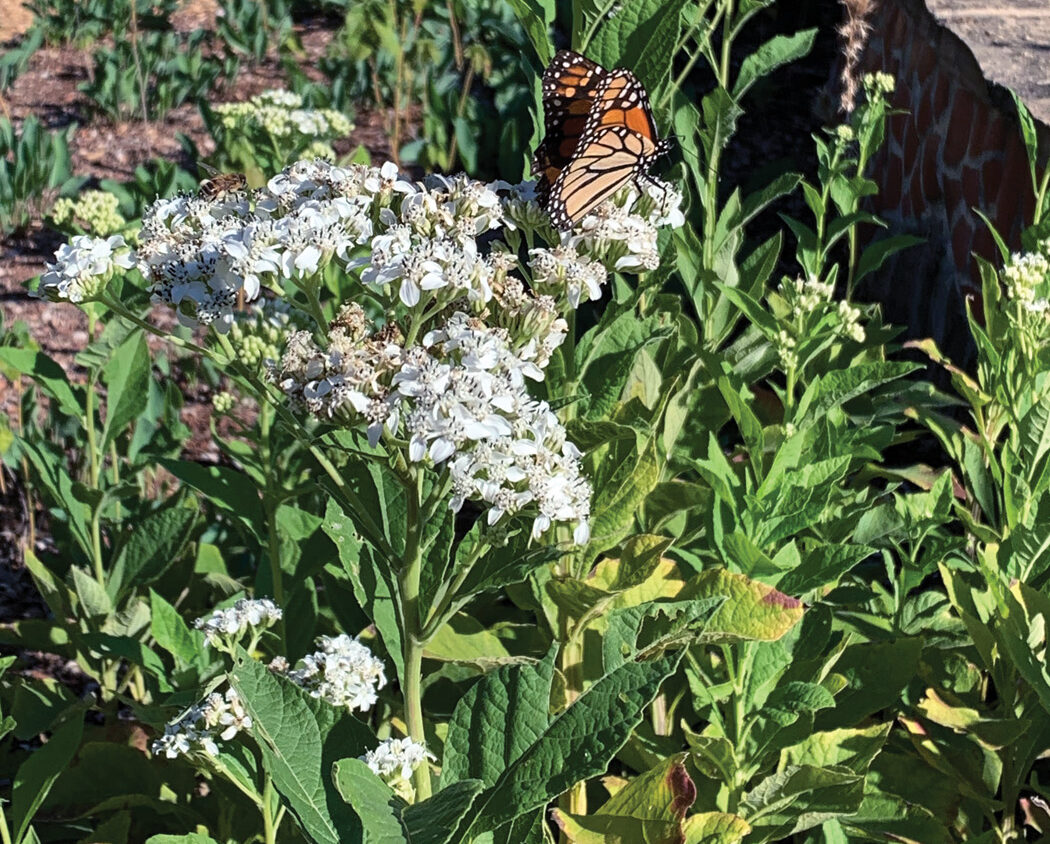
Beyond the considerable height and architectural structure it can bring to landscape designs, frostweed offers a prolonged seasonal display. From late summer through the autumn months, the plant produces dense clusters of gorgeous white blooms that provide a vital late-season nectar source for active pollinators. These flowers are complemented by large, texturally interesting foliage that adds visual weight to garden beds during the growing season.
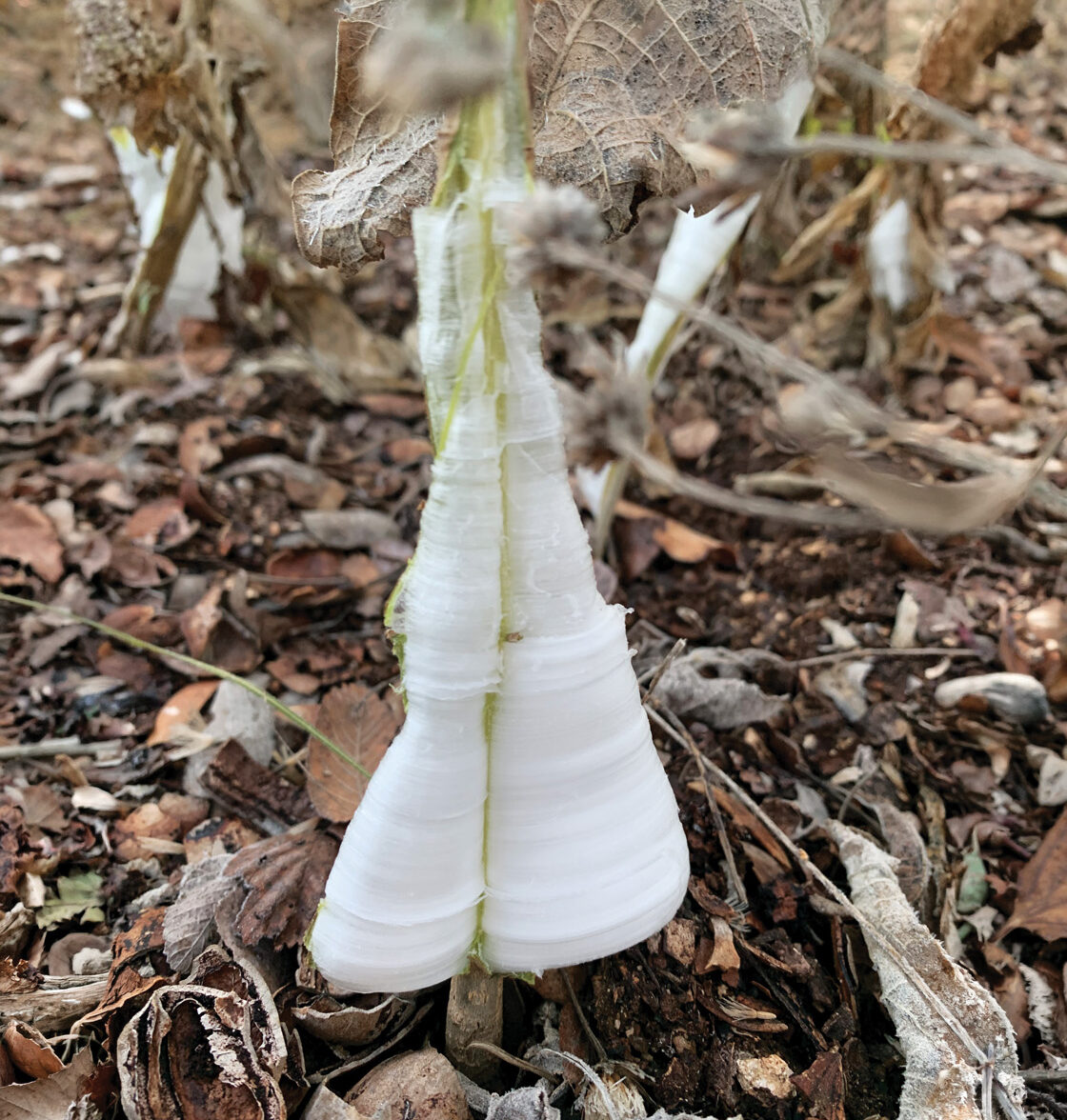
Perhaps most fascinating, however, are the plant’s stems. Frostweed features distinct, winglike flanges that run the entire length of its sturdy stems. These unique structural elements ensure that the plant continues to put on a visual show long after the growing season has ended and the flowers have faded, particularly when winter weather arrives.
The origin of the plant’s evocative common name becomes clear during the colder months. When a hard freeze hits, the moisture inside the plant’s mature, splitting stems can rapidly expand and erupt outward. This phenomenon forces water through the fractures, creating delicate, translucent sheets of ice that resemble spun glass or cotton candy clinging to the stalks. Garden lore suggests that executing a careful cutback just before the first hard freeze can even encourage the formation of intricate ice spirals emerging from the tops of the stems, though mastering the exact timing required to witness this rare spectacle remains a delicate challenge for horticulturists.

Where to Grow Frostweed and Its Ecological Impact
In its native habitat, frostweed is typically found thriving underneath the deep canopies of large shade trees, a testament to its natural adaptability and resilience. Despite its woodland origins, the species exhibits notable drought tolerance, allowing it to persist through dry spells. In a cultivated garden setting provided with supplemental water, frostweed can successfully adapt to full sun conditions, making it a versatile option that spans multiple microclimates within a single landscape design.
Despite its aesthetic and structural merits, frostweed’s most valuable characteristic lies in its profound contribution to local biodiversity and wildlife conservation. When cultivated in sunnier exposures, the plant rapidly attracts a diverse array of pollinators, transforming into a bustling hub of insect activity during its blooming period.
Furthermore, the plant’s distinctive winged stems offer specialized utility in the ecosystem, serving as ideal nesting sites for specific species of native bees and other stem-nesting insects that rely on such structures for their life cycles. Gardeners who resist the urge to tidy up their beds too early and instead choose to leave the sturdy stalks standing through the winter months will be rewarded with local bird species visiting the garden to feast on the accumulated seeds. Through these multi-season benefits, frostweed exemplifies how ecological gardening can bridge the gap between human enjoyment and wildlife support.