The art world is currently navigating a period of significant transition, marked by major divestments from high-profile collectors, institutional expansion, and the ongoing challenge of securing cultural heritage against theft. From the boardrooms of global auction houses to the galleries of major museums, the landscape is shifting as both private individuals and public institutions reassess their roles in the cultural sphere.
In the Spotlight: Major Collections and Cultural Headlines
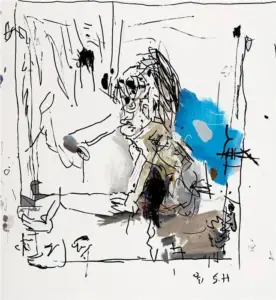
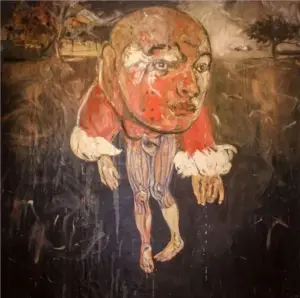
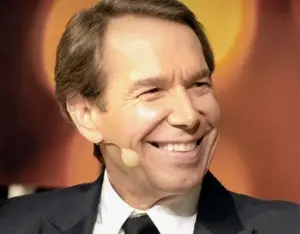
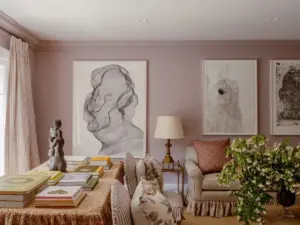
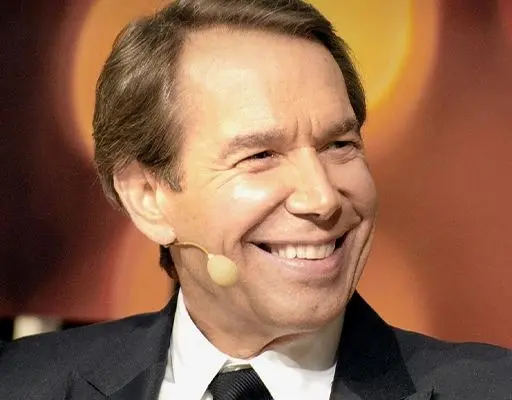
In one of the most significant market developments of the season, artist Jeff Koons has announced the sale of a substantial portion of his personal art collection. Valued at approximately $100 million, the trove is slated to hit the auction block at Christie’s this fall. The collection is the result of a decades-long buying spree, primarily concentrated in the late 2000s, reflecting Koons’s own eclectic and high-caliber taste. Among the offerings are pieces from the Dutch Golden Age—a testament to his appreciation for historical mastery—alongside modern heavyweights including Pablo Picasso and Édouard Manet. This sale represents not just a redistribution of assets, but a rare look into the private acquisitions of one of the world’s most recognizable contemporary artists.
While the market celebrates such high-value transactions, the industry is simultaneously grappling with the vulnerability of rare artifacts. French authorities are investigating a shocking heist involving a 330-pound bronze book cover designed by surrealist master Salvador Dalí. The piece, titled Livre de l’Apocalypse, is a rare masterpiece resulting from a collaborative effort between 14 artists and writers. Known as one of the heaviest and most expensive books ever produced, its theft has sent shockwaves through the European art community, highlighting the persistent risks facing monumental works of art in public and private hands alike.
On a brighter note, the intersection of pop culture and fine art continues to yield record-breaking engagement. K-pop icon RM, a member of the global phenomenon BTS, has made his curatorial debut at the San Francisco Museum of Modern Art (SFMoMA). The exhibition, which focuses on his personal collection of Korean art, has become an immediate sensation, with 50,000 tickets already reserved. The turnout underscores a burgeoning interest in Korean art and suggests that high-profile figures can act as powerful conduits for bringing niche historical art forms to a mainstream audience.
Evolution in Museums and Galleries
Institutional landscapes across Europe and North America are undergoing strategic realignments to better serve both their collections and the public. A landmark research partnership has been established between Amsterdam’s Rijksmuseum and the Museo Nacional del Prado in Madrid. This collaboration is specifically designed to elevate the study of women’s roles in art and history, a subject that has long been sidelined in traditional art historical narratives. The partnership, which includes a dedicated fellowship program and a major exhibition slated for 2029, promises to provide a more inclusive and comprehensive understanding of the artistic contributions of women through the centuries.
In London, the Zaha Hadid Foundation (ZHF) is preparing for a new chapter. The foundation has announced the opening of a cultural space housed within the late architect’s former headquarters. Set to welcome the public on October 29, the site will serve as a permanent testament to Hadid’s visionary contributions to the built environment and the arts. This transformation of a private working space into a public cultural institution reflects a broader trend of preserving the legacies of iconic designers in spaces that were once the epicenters of their creativity.
Financial support for the arts remains a vital driver of institutional growth. The Phoenix Art Museum in Arizona has received a transformative $5 million donation from philanthropist Sukumar Nagendran. The funds are earmarked for the expansion and enhancement of the museum’s Sri Lankan and South Asian art galleries. Such investments are crucial for smaller, regional institutions aiming to expand their reach and provide a more globally representative selection of works for their local communities.
Leadership transitions are also reshaping the global museum map. The Louvre Abu Dhabi has appointed Souraya Noujaim as its new director. Noujaim is well-versed in the institution’s inner workings, having previously served as the museum’s scientific, curatorial, and collections management director. Her deep familiarity with the Louvre Abu Dhabi’s specific mission—bridging diverse cultures through a universal lens—makes her an appointment of strategic continuity.
In a parallel move within the Asian art scene, Philip Tinari has been named the director of Tai Kwun Arts. Having served as the head of art for the organization since January, Tinari’s promotion solidifies his leadership role in managing one of Hong Kong’s most significant centers for heritage and contemporary art. These appointments highlight a move toward leaders who possess both a high degree of institutional knowledge and a clear vision for the future of international cultural exchange.
Market Surprises and Biennial Previews
The auction market continues to produce stories that blur the line between luck and expert discovery. In a recent case that has captured the imagination of the art world, a painting by Gertrude Abercrombie—purchased for a mere $30 at an estate sale in Kalamazoo, Michigan—ignited a fierce bidding war. The work eventually sold for $1.35 million. The auction house credited the finder with saving the work from being permanently lost to history, emphasizing the importance of estate sales as a final frontier for identifying overlooked masterworks.
As the industry looks toward the future, the New Museum in New York has unveiled the list of participants for its 2027 Triennial. The upcoming exhibition will feature 36 artists and collectives hailing from 34 different nations, marking it as the most internationally focused edition in the history of the event. By prioritizing a truly global scope, the Triennial aims to provide a snapshot of the most pressing aesthetic and sociopolitical concerns facing the international art community today.
These developments, from the $100 million Koons divestment to the grassroots success of regional estate finds, demonstrate the resilience and complexity of the current art market. As institutions like the Louvre Abu Dhabi and the Rijksmuseum redefine their institutional goals, and as foundations like ZHF open their doors to the public, the art world continues to prove that it is as much about the stories behind the objects as it is about the objects themselves. Whether it is through the lens of a K-pop superstar or the meticulous research of a European museum partnership, the ongoing dialogue between the past and the present remains the lifeblood of the art industry. As the calendar moves toward the end of the year, all eyes remain on these institutions and private collectors as they navigate the shifting tides of the global art market.