When modern gardening is approached through an ecological lens, the focus shifts away from mere human aesthetics and toward the local birds, mammals, and invertebrates that rely on regional flora for survival. Adopting this philosophy means selecting plants that actively contribute to the local habitat rather than simply occupying space. In a recent episode of the Fine Gardening podcast, Super Cool Plants, lead horticulturist Amy Galloway Medley highlighted several underappreciated native species that deserve a prominent place in contemporary landscapes, starting with the resilient and visually striking heartleaf skullcap.
As the lead horticulturist at the prestigious Lady Bird Johnson Wildflower Center at the University of Texas at Austin, Medley spends her days studying and advocating for native flora that can withstand regional environmental pressures while supporting local biodiversity. Her work emphasizes that sustainable, ecologically minded gardening does not require sacrificing visual appeal. Instead, it invites gardeners to discover lesser-known native plants that offer both ecological resilience and striking design qualities.
Heartleaf Skullcap
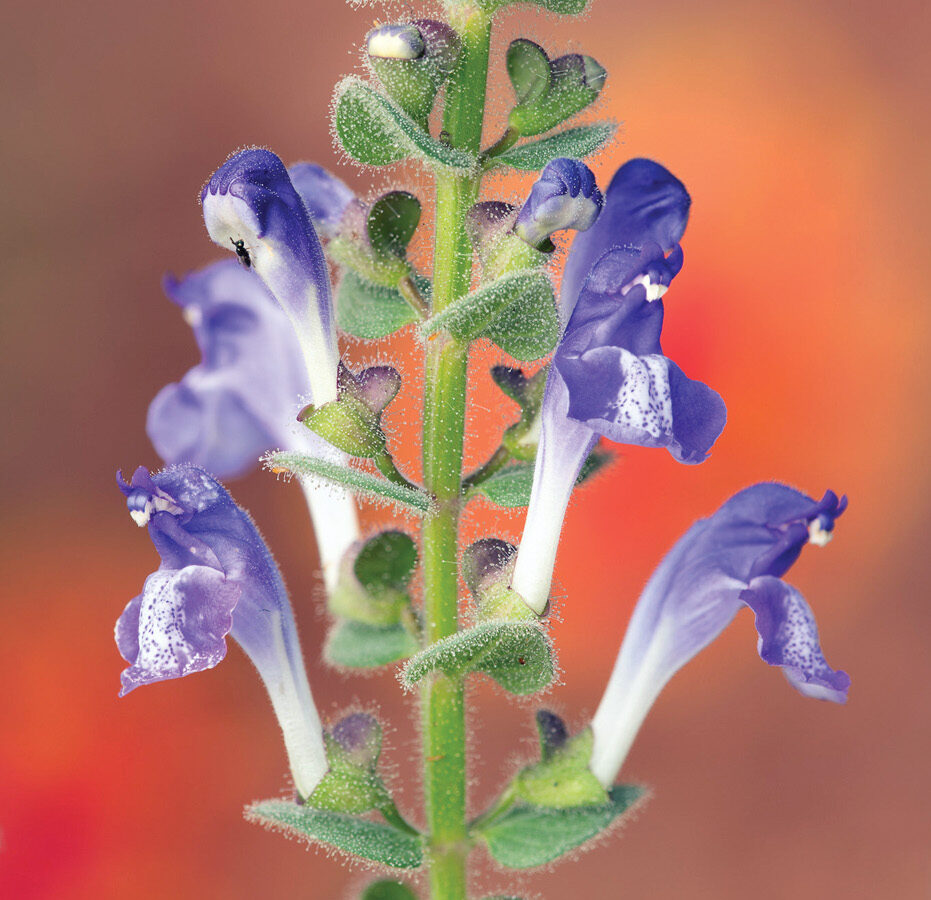
One of the standout native species championed by Medley is the heartleaf skullcap. Characterized by its fuzzy, heart-shaped foliage, the plant possesses a distinct natural defense mechanism: its leaves produce a specialized oil that makes the species exceptionally resistant to deer grazing. For gardeners dealing with persistent wildlife pressure, this characteristic alone makes it a valuable addition to landscape designs.
Beyond its durability against herbivores, heartleaf skullcap delivers significant visual impact in the garden. When planted in masses within a perennial border, it creates a lush, textured display. During its blooming period, the plant produces distinctive spikes of blue-purple flowers. These blossoms bear a striking resemblance to those of traditional salvias (Salvia species and cultivars, typically hardy in USDA Hardiness Zones 5 through 11) and serve as a reliable magnet for hummingbirds, introducing dynamic movement and vibrant wildlife activity to the garden setting.

Heartleaf Skullcap is a Tough Native Plant for Southwest gardens
In the realm of regional horticulture, misconceptions can often hinder the adoption of valuable plants. While some critics or observers might characterize heartleaf skullcap as aggressive, practical experience in landscape management reveals a more nuanced reality. According to Medley, the plant does not tend to over-compete with neighboring species or crowd out other desirable plants. Instead, its growth habit makes it an ideal candidate for filling those challenging trouble spots in the landscape where little else seems to thrive.
The ecological context of central Texas presents unique challenges for gardeners. Most native plants in the region are adapted to survive in full, scorching sun. However, heartleaf skullcap offers a rare and valuable combination of traits by thriving and blooming reliably in dry shade. This adaptability to low-light, low-moisture environments expands the palette available to landscape designers working in difficult microclimates.
In addition to its performance in dry shade, the plant exhibits impressive cold hardiness, allowing it to endure shifting seasonal temperatures without losing its vigor. This hardiness also translates well to container gardening, giving horticulturists and home gardeners alike the flexibility to incorporate the species into patios, courtyards, and small-space designs where in-ground planting is not feasible.
The broader conversation surrounding underappreciated native plants forms the cornerstone of the Super Cool Plants podcast series from Fine Gardening. Through these discussions, horticultural experts like Medley continue to educate the gardening community on how to integrate ecologically beneficial species into everyday landscape practices. By expanding our understanding of plants that support local wildlife, resist regional pests, and adapt to difficult environmental conditions, gardeners can build more resilient, biodiverse landscapes that benefit both human inhabitants and the surrounding ecosystem.