When gardening is approached through an ecological lens, the fundamental purpose of plant selection shifts dramatically. Instead of focusing entirely on personal aesthetic preferences or traditional landscape standards, modern horticulturists are increasingly asking a different question: How will this plant benefit the local birds, mammals, and invertebrates that share our ecosystems?
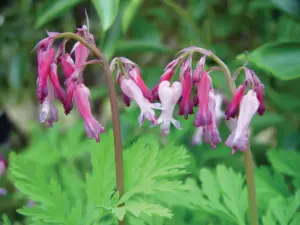
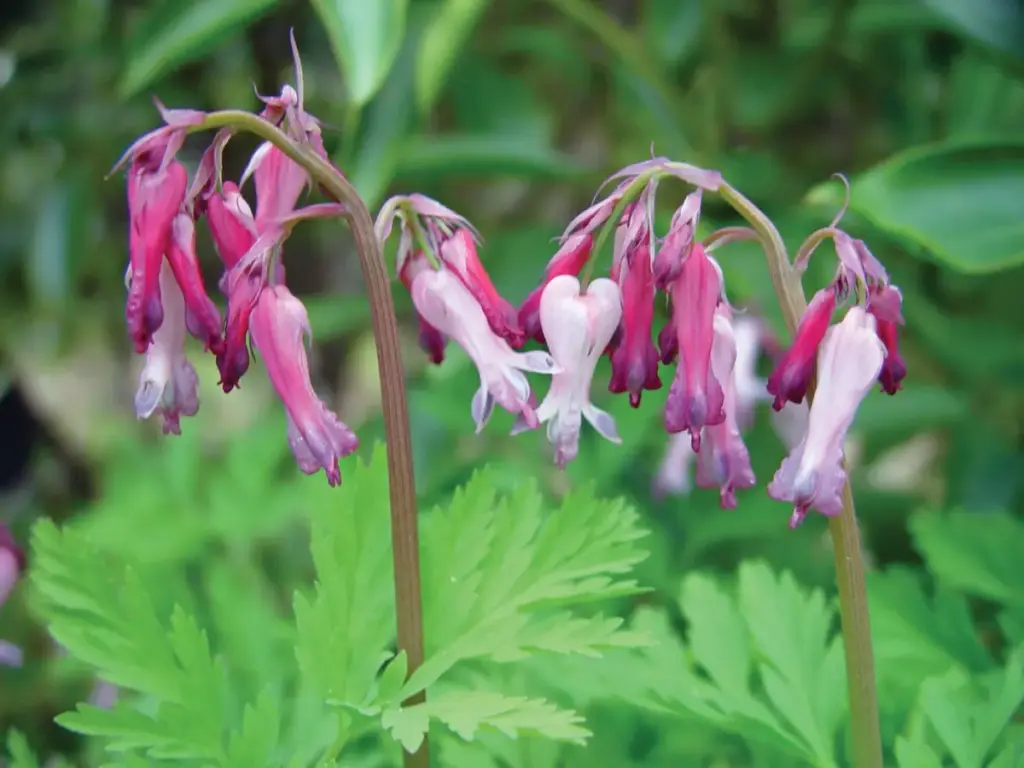
Answering that call often means looking past familiar garden center staples and rediscovering the overlooked, hardworking native species that have supported local food webs for millennia. Among these underappreciated botanical treasures, the wild bleeding heart (Dicentra eximia) has emerged as a standout favorite for ecological landscapes.
Melissa Starkey, marketing and communications manager and instructor at the Mt. Cuba Center, a renowned botanical garden in Hockessin, Delaware, has long championed this resilient native perennial. Her passion for the plant is rooted in both professional expertise and early personal memories.
"This plant is extremely close to my heart because I remember seeing it growing wild in Pennsylvania when I was a child," Starkey shares, highlighting the deep nostalgic and geographical connection many gardeners feel toward native flora.
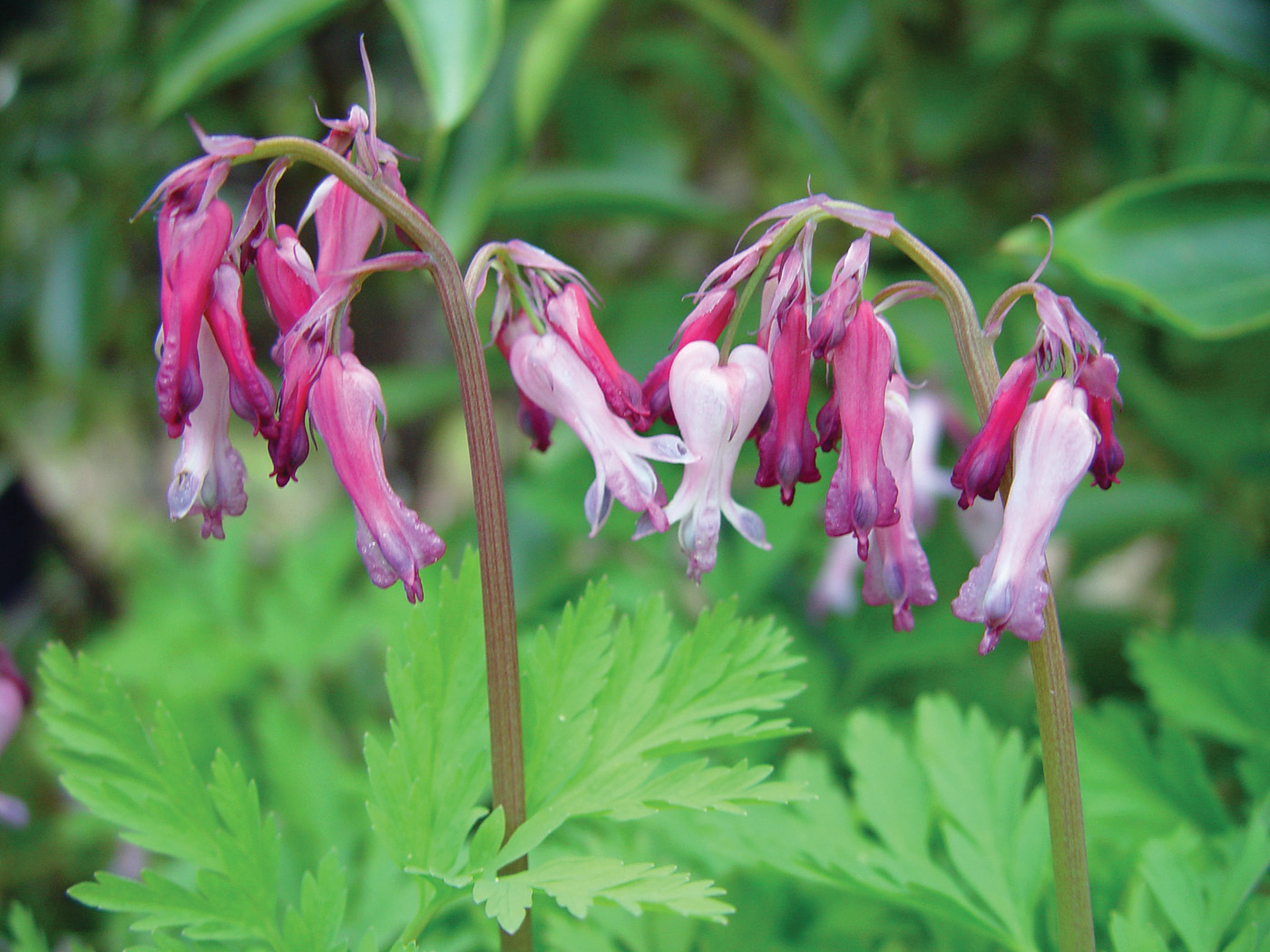
Wild Bleeding Heart
For gardeners seeking an ecological alternative to the widely planted, nonnative common bleeding heart (Lamprocapnos spectabilis and cultivars, growing in USDA Hardiness Zones 3 through 9), the native wild bleeding heart offers a compelling suite of benefits. While nonnative varieties are famous for their fleeting spring displays, the native counterpart delivers a sustained seasonal performance.
The plant produces its best and most profuse flush of delicate, heart-shaped flowers in the spring, but its blooming habit does not stop there. True to its resilient nature, wild bleeding heart continues to produce flowers steadily through the entire growing season. At the Mt. Cuba Center in Delaware, plants can often be found continuing their bloom cycle as late as November, defying the traditional expectations of herbaceous perennials.
Beyond its blossoms, the foliage of the wild bleeding heart adds distinct visual texture to the landscape. The plant features fine, fernlike leaves that carry a subtle, attractive blush tinge, elevating its ornamental value from early spring until the final frosts of late autumn.
An Underappreciated Native Plant for Woodland Gardens
While its aesthetic qualities alone make it a worthy addition to ornamental beds, the true strength of the wild bleeding heart lies in its remarkable adaptability and ecological utility. This native perennial is exceptionally hardworking, capable of thriving in partial shade environments where it serves as a natural and fitting choice for woodland gardens.
Yet its adaptability extends well beyond the shaded canopy of the forest floor. Wild bleeding heart is equally at home out in the blazing sun, a trait inherited from its natural habitat. In the wild, these plants are frequently observed growing natively on rocky, sunny outcrops, occasionally even sprouting directly out of bare rock faces with seemingly minimal soil.
This ecological toughness does not mean the plant operates in isolation from its environment. On the contrary, its unique floral architecture relies on specific relationships with native wildlife. The distinctive, tightly closed petals of the wild bleeding heart require larger insect pollinators—most notably bumblebees—that possess the physical weight and strength necessary to force themselves through the tight petals to access the nectar within.
Size is another distinguishing characteristic that sets the native species apart from its nonnative cousins. Wild bleeding heart tends to be slightly smaller and more demure in stature than the common bleeding heart. Crucially, however, it does not go dormant in the heat of summer like its nonnative relatives. While common bleeding heart often dies back to the ground mid-season, leaving unsightly gaps in the garden bed, the wild bleeding heart maintains its lush, fernlike foliage, providing reliable three-season interest.
For gardeners whose design palettes lean away from traditional pinks, horticultural selections have expanded the options available. A notable white-flowered cultivar known as ‘Alba’ (Dicentra eximia ‘Alba’, Zones 3–9) provides the same ecological and structural benefits with pristine white blooms.

Gardeners interested in learning more about this resilient perennial can explore the conversation between Melissa Starkey and the horticultural team on Fine Gardening’s podcast, Super Cool Plants, or watch the full episode on the publication’s official YouTube channel. Through these discussions, experts continue to shine a light on the vital role native plants play in bridging the gap between cultivated beauty and ecological resilience.