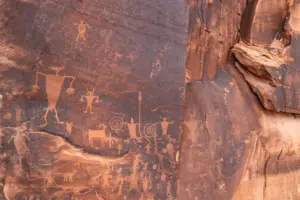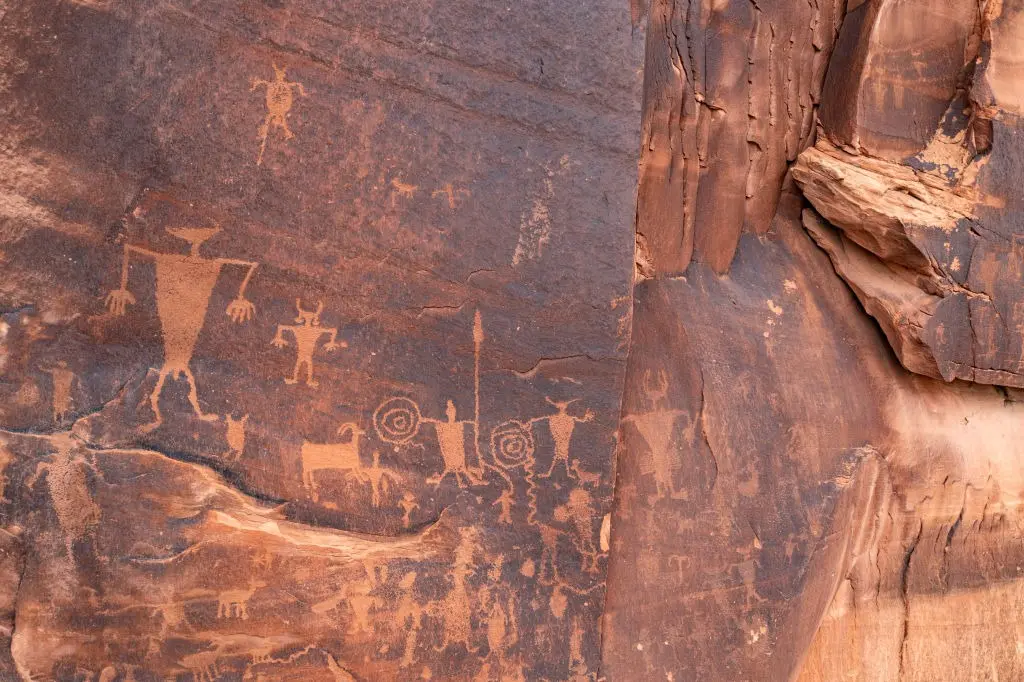
Federal land managers in Utah are appealing to the public for information as they investigate two separate and distressing incidents of vandalism that left protected ancient petroglyphs near the desert hub of Moab severely defaced. The historic rock art panels, which serve as irreplaceable windows into the region’s deep cultural past, were marred by crude carvings, most notably a prominent signature that has sparked outrage among heritage preservationists, local residents, and federal authorities alike.
According to the Bureau of Land Management (BLM) Utah, the vandals struck two distinct and popular locations in the Moab area. The first site is situated along Highway 279, a famously scenic byway that runs parallel to the meandering Colorado River, offering visitors breathtaking views of towering red rock canyon walls. The second incident occurred near Hell’s Revenge, a globally renowned and heavily trafficked off-road slickrock trail known for drawing thousands of outdoor enthusiasts and motorized vehicle adventurers every year.
Photographic evidence released by the Bureau, which was initially brought to public attention by SF Gate, documents the stark and sobering extent of the damage inflicted upon the ancient rock faces. In one of the primary photographs shared by investigators, a BLM official can be seen using a measuring tape to gauge the scale of massive, deeply gouged letters spelling out the name "Craig W." These crude modern etchings cut directly across a historic portion of the petroglyph panel, physically obliterating ancient artistic depictions of local wildlife meticulously hammered into the desert varnish centuries ago.
Following the discovery of the vandalism, representatives from the Bureau of Land Management took to social media to voice their condemnation of the acts, explicitly reminding the public that the targeted petroglyphs are classified as irreplaceable cultural resources. Under federal law, these archaeological treasures are strictly safeguarded by the Archaeological Resources Protection Act, legislation designed to deter looting, vandalism, and the destruction of sensitive heritage sites on public lands.
In a strongly worded statement published on their official social media channels, the agency emphasized the profound loss represented by such thoughtless destruction. "Our cultural resources are part of our shared heritage," the Bureau said in its public appeal. "Once damaged, they cannot be restored to their original condition. We ask visitors to respect these resources and help protect them for future generations."
The deliberate defacement of the Moab petroglyphs is part of a broader, deeply troubling pattern of criminal mischief and looting that continues to plague archaeological and historical sites across the American West and beyond. These incidents frequently occur against a backdrop of escalating policy debates and existential threats facing public lands and national monuments, including recent government rollbacks and administrative efforts to slash protections for millions of acres of sensitive federal territory.
Heritage preservation advocates point out that rock art panels, historic structures, and sacred tribal landscapes are acutely vulnerable to human interference, whether through casual ignorance, careless recreation, or malicious intent. The fragility of these ancient carvings means that once the protective dark patina of the desert varnish is broken by a modern tool or sharp stone, the underlying lighter rock is exposed, creating a permanent scar that natural weathering will take centuries—if ever—to partially conceal.
This recent vandalism in Utah echoes a long history of similar destructive episodes documented across the United States. In 2021, a series of sacred, centuries-old petroglyphs carved into the dramatic cliffs of Hawaii were aggressively defaced with a paintball gun, leaving brightly colored splatters across ancient artwork that had stood undisturbed for hundreds of years. That incident was merely one entry in a long string of similar crimes targeting fragile cultural artifacts in the island state.
Similarly, a collection of invaluable petroglyphs located at the Volcanic Tableland in Bishop, California, has repeatedly fallen victim to vandalism and outright theft. Carved into the volcanic rock by the Paiute-Shoshone people long before the arrival of European colonists, these panels hold profound cultural and spiritual significance. Criminals attempting to steal pieces of the history actually resorted to using heavy power saws to cut away and remove massive sections of rock featuring the ancient carvings. While the BLM eventually managed to recover the stolen portions of the petroglyph panel in that case, the perpetrators responsible for the theft managed to evade capture, leaving investigators and the public frustrated by the lack of immediate justice.
In the wake of such persistent destruction, whoever is ultimately identified as being responsible for the Moab carvings is likely to find little sympathy or mercy from local communities and outdoor recreationists who fiercely protect the integrity of the desert landscape. The psychological impact of these crimes on those who cherish the region’s history is profound, sparking intense public anger and calls for strict accountability.
Reflecting the fierce protective sentiment harbored by many citizens toward historical artifacts, users on online discussion platforms have repeatedly demanded severe legal consequences for anyone caught vandalizing public lands. Following previous high-profile destruction of ancient artwork, public outrage reached a fever pitch on community forums such as the California subreddit.
"The minimum sentence for this crime should be life without parole," wrote one exasperated user on the forum during a previous wave of heritage site vandalism. "If you disrespect historical artifacts of great significance you should be labeled an enemy of the public. Zero tolerance."
As the investigation into the Moab incidents continues, BLM Utah is urging anyone who might have witnessed suspicious activity along Highway 279 or near the Hell’s Revenge trail, or who recognizes the signature "Craig W," to come forward with information to assist law enforcement officers in holding the culprits accountable.