When investing in a new outdoor structure, the longevity of the build often relies less on the walls and roof and much more on what lies beneath. Outdoor Living Today has emphasized this foundational principle in its latest advisory, aiming to eliminate the confusion and guesswork often associated with preparing a sturdy, level base for backyard sheds. Whether property owners consider themselves seasoned do-it-yourself enthusiasts or are embarking on their very first backyard construction project, the company’s newly highlighted protocols offer a clear pathway to structural stability.
A solid base is the fundamental key to ensuring a shed stands the test of time, resisting the shifts of changing seasons, moisture accumulation, and uneven settling. To address these common challenges, the company has outlined a comprehensive approach divided into essential phases, beginning with meticulous site preparation and extending through the selection of specialized foundation materials. By breaking down the process into manageable phases, builders can avoid common pitfalls that compromise the integrity of outdoor structures.
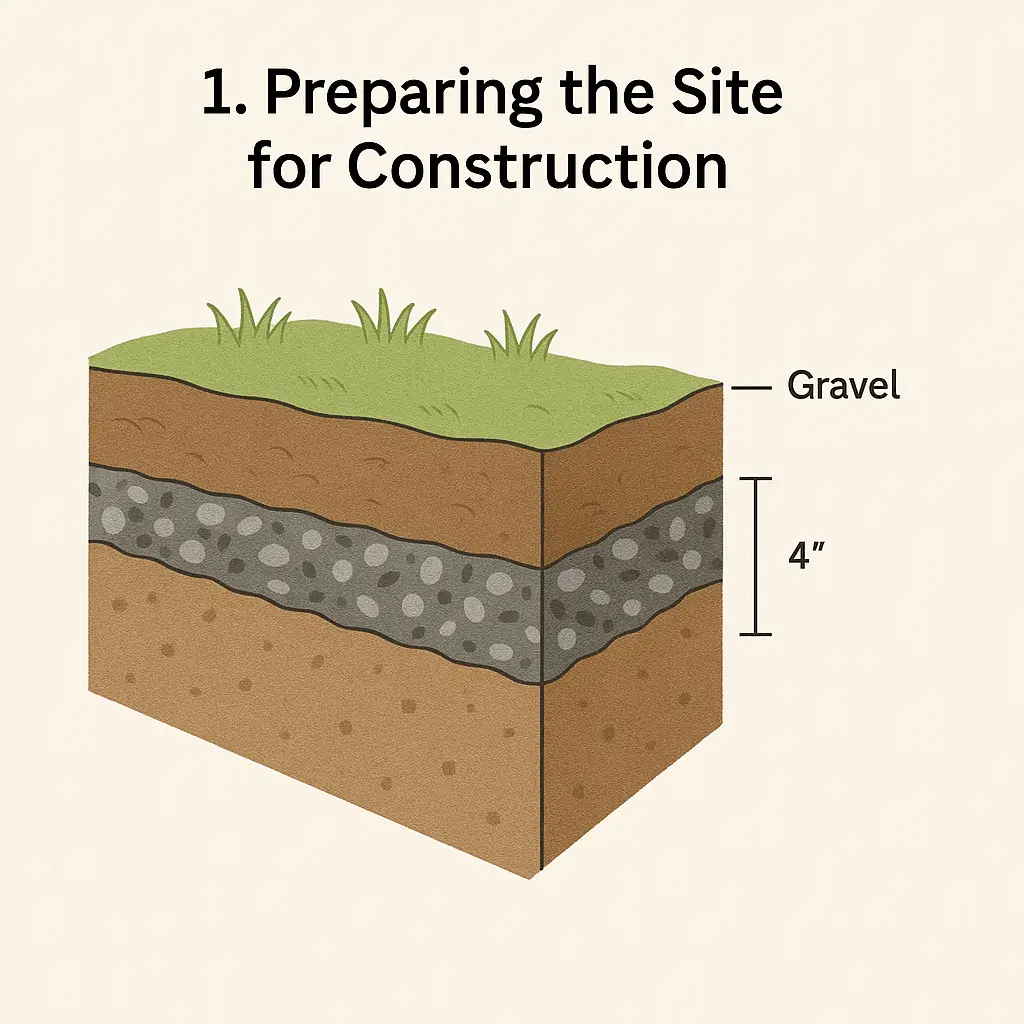
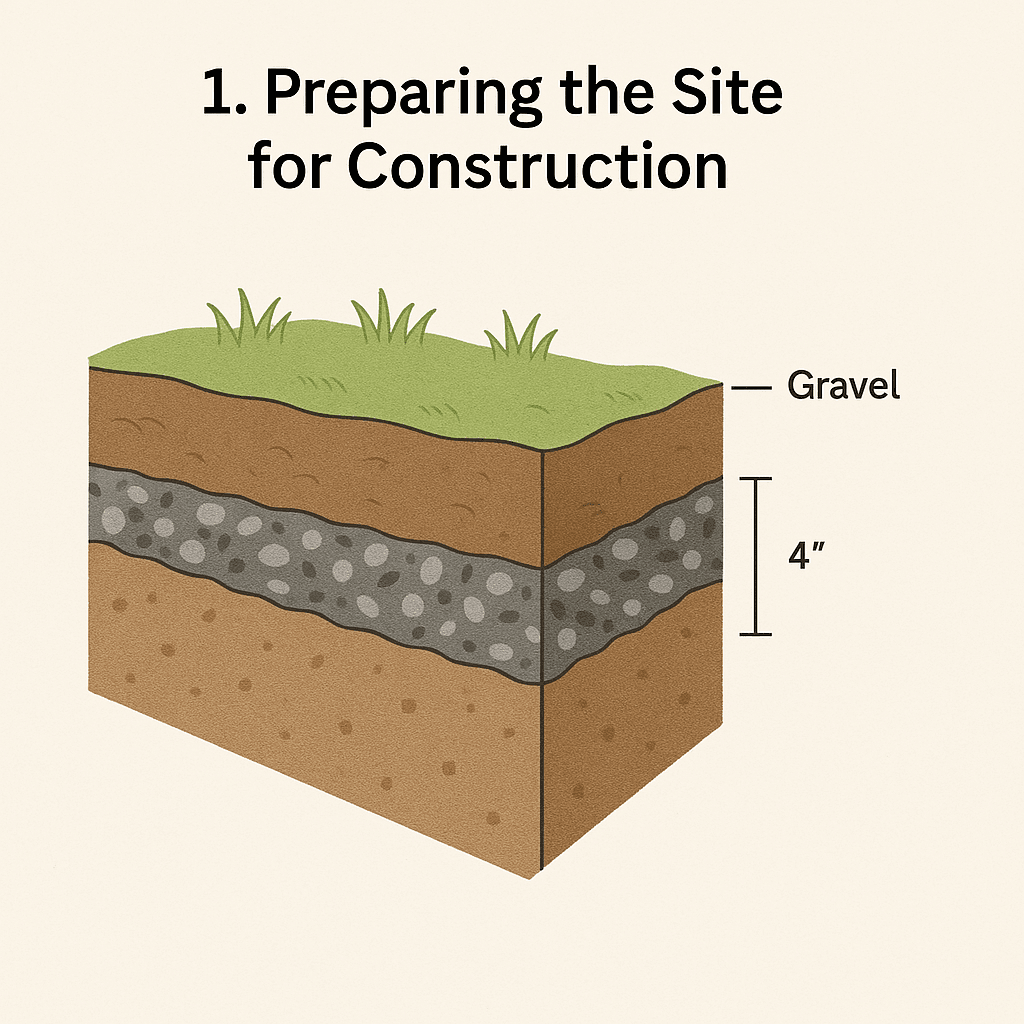
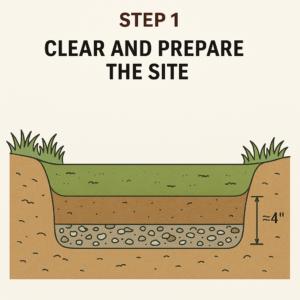
The process begins well before any delivery truck arrives with the shed kit. Step one centers entirely on clearing and preparing the chosen site. Builders are advised to clear away all organic matter, including grass, roots, topsoil, and debris, which can decay over time and cause unexpected settling. Once the organic material is removed, the area must be leveled carefully. Experts suggest excavating slightly if necessary to achieve an even plane, followed by laying down a compactable sub-base of crushed gravel or stone. To enhance long-term durability, a professional tip frequently recommended by builders involves placing a layer of landscape fabric underneath the gravel. This simple addition serves a dual purpose: it prevents persistent weed growth from pushing up through the floor framework and stops the underlying soil from shifting or mixing with the gravel over time.
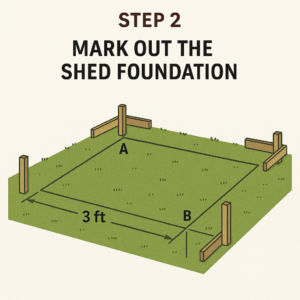
Following site preparation, the second critical phase involves accurately marking out the perimeter of the future shed foundation. Precision at this stage prevents structural warping during assembly. Builders must measure diagonals carefully to ensure the layout is perfectly square, a geometry check that guarantees the walls and roof components of the shed kit will fit together seamlessly. For those who find squaring a challenging geometry problem, various digital tools, smartphone applications, and online calculators are available to assist in verifying right angles based on specific shed dimensions. Taking the extra time to measure twice and confirm squareness saves significant frustration during later stages of construction.
Once the site is cleared, leveled, and squared, the final major decision involves choosing the most appropriate foundation type for the specific location, soil conditions, and intended use of the structure. Outdoor Living Today highlights three primary foundation options, each offering distinct advantages.
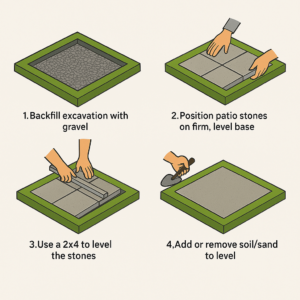
The first option is the patio stone foundation. This method involves laying a bed of crushed stone or sand topped with solid patio pavers to create a flat, uniform surface. It stands out as a popular choice because it is relatively quick to install, cost-effective, and forgiving enough to be easily moved, adjusted, or expanded if ground conditions shift slightly over the years.
The second option utilizes four-by-four pressure-treated wooden beams. This approach elevates the structure slightly off the ground, creating a framework that distributes weight evenly while providing a crucial functional benefit. By elevating the base, this foundation leaves open room underneath for continuous air circulation and natural ventilation, which helps prevent wood rot and moisture buildup beneath the floor joists.
The third and most permanent choice is a concrete slab foundation. Pouring a solid concrete pad offers unbeatable durability, maximum load-bearing capacity, and exceptional pest resistance. While it requires more intensive labor, curing time, and upfront material investment, a concrete slab provides a permanent, completely flat anchor that secures the structure against extreme weather conditions and heavy use.
While these standard foundation methodologies cover the vast majority of backyard installations, experts emphasize that individual product designs may carry unique engineering requirements. Because every model features distinct weight distributions and anchoring points, builders are strongly encouraged to consult the specific product assembly manual included with their kit or provided through official documentation channels before breaking ground. By adhering closely to both general site preparation best practices and model-specific instructions, property owners can ensure their new outdoor building remains secure, level, and functional for decades to come.