In the realm of contemporary performance, the boundary separating the spectator from the spectacle is increasingly porous. At the forefront of this multidisciplinary shift is DuckUnit, a Bangkok-based design and production studio that has spent over two decades redefining how audiences experience live environments. Operating at the dynamic intersection of architecture, theater, concert production, and contemporary art, the studio builds immersive stage environments and spatial installations shaped fundamentally by light, mechanical movement, and the unpredictable poetry of physical materials.
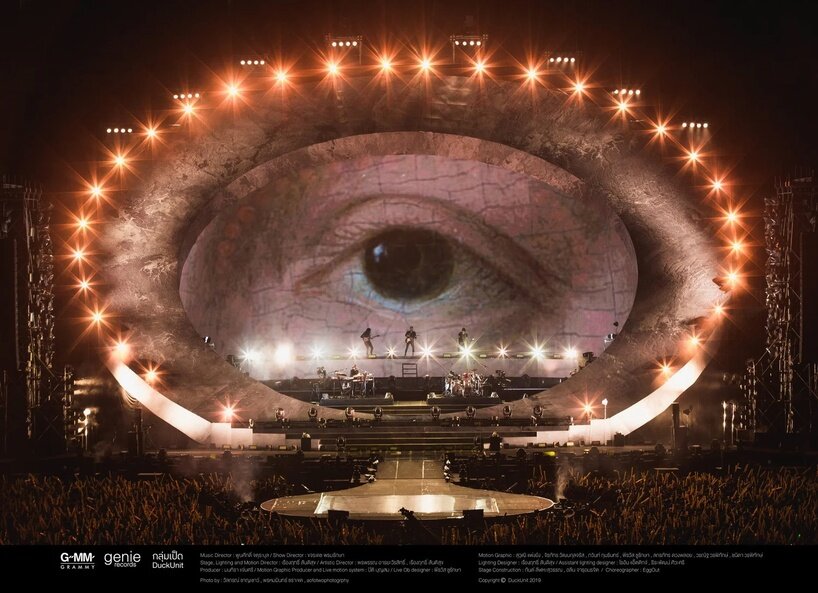
Founded in 2005 by Wit Pimkanchanapong, DuckUnit initially cut its teeth on high-profile concerts and theatrical productions. Over the years, leadership of the collective has transitioned to Rueangrith Suntisuk and Pornpan Arayaveerasid, who work alongside a tight-knit, multi-talented team of creatives. The studio’s peculiar moniker stems from its expansive curiosity and its collaborative makeup—resembling a busy flock of multi-disciplinary minds willing to tackle creative challenges they do not yet fully know how to solve.
Speaking from Paris amidst an ongoing international project, Rueangrith Suntisuk opens up about the studio’s technical explorations, its ongoing evolution, and how it navigates the vastly different psychological spaces of popular music venues and quiet contemporary art institutions.
Setting the Stage and Subverting Expectations
DuckUnit’s footprint spans diverse cultural landscapes, ranging from massive stadium concerts for major Thai alt-rock acts to delicate, site-specific installations in historic European chapels and international art biennials. Yet, despite the vast disparity between these venues, the studio treats every project as an exercise in shaping human perception.
One of the defining contrasts in DuckUnit’s portfolio is how it handles audience expectation and focus. In traditional commercial environments, such as a major pop or rock concert, the dynamic is usually straightforward.
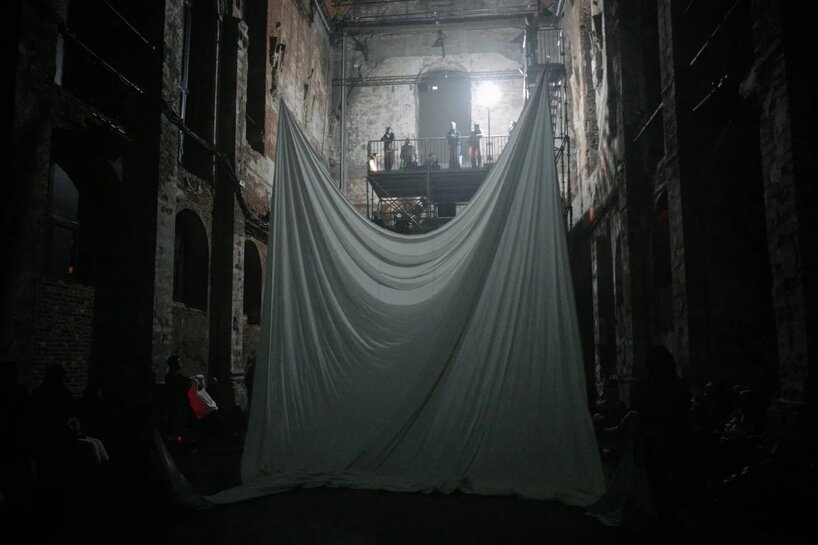
"When we work on concert stages or films, we usually try to make the audience take in the same story from the same point of view," Suntisuk remarks, describing how performer and spectator are maintained as distinct, cleanly separated entities.
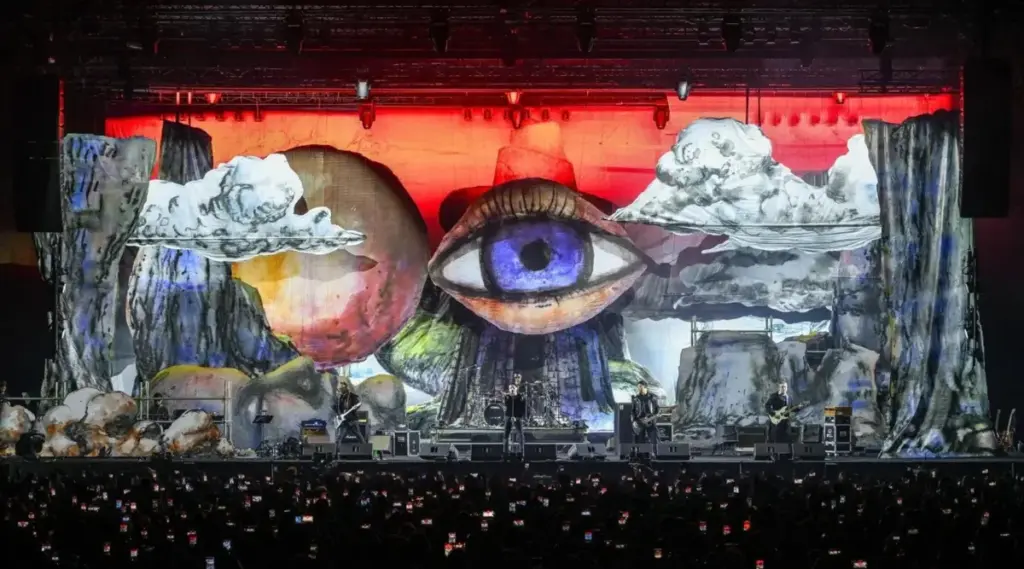
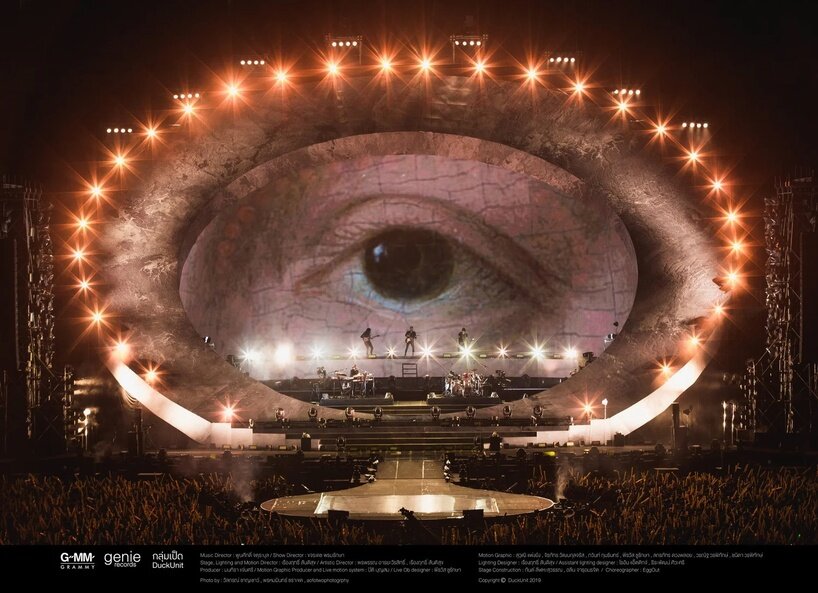
This ethos is vividly demonstrated in large-scale live productions like FLURE LIFE for the Thai alt-rock band Flure. For that performance, DuckUnit engineered giant, moving watercolor illustrations—featuring eerie motifs like massive eyeballs, slithering snakes, and sleeping faces—that mechanically rose and fell to enact a visual fable running parallel to the band’s musical set. In such contexts, audience satisfaction starts from a high baseline; the crowd arrives expecting a spectacle, and the studio’s job is to deliver and amplify that energy.
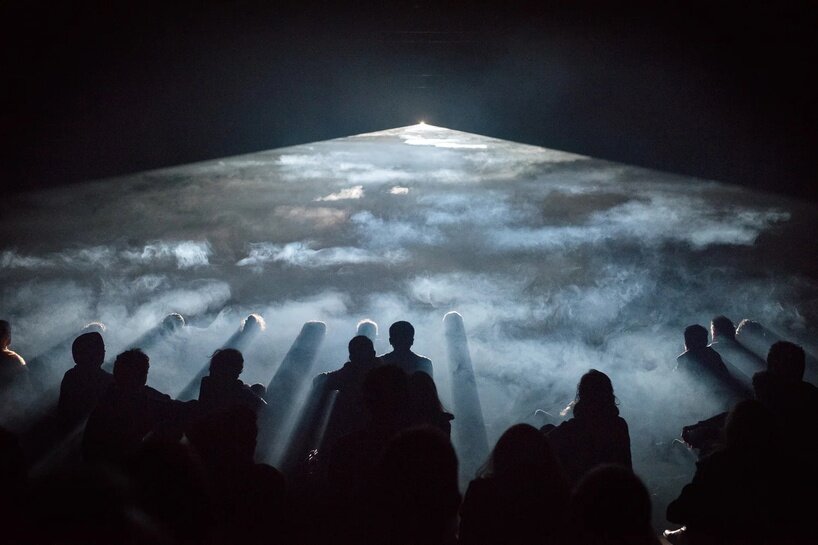
Conversely, the studio approaches contemporary art spaces with an entirely inverted philosophy. "In our recent art works, we try to think the opposite way," Suntisuk explains. "We open up space for variety among the audience and the work, so that the audience dissolves into the space and becomes part of the work itself. We’ve found that this opens up possibilities for both the audience and ourselves to understand the piece, with different kinds of beauty that we could never have predicted from the start."
This shift in methodology requires adapting to a completely different psychological baseline. Where concertgoers arrive primed with high expectations, contemporary art audiences often enter with a blank slate, their attention starting from a place of quiet contemplation or zero reference point. Navigating these two divergent demands continuously shapes how DuckUnit conceptualizes its physical environments.
Collaborative Spectacles Across the Globe
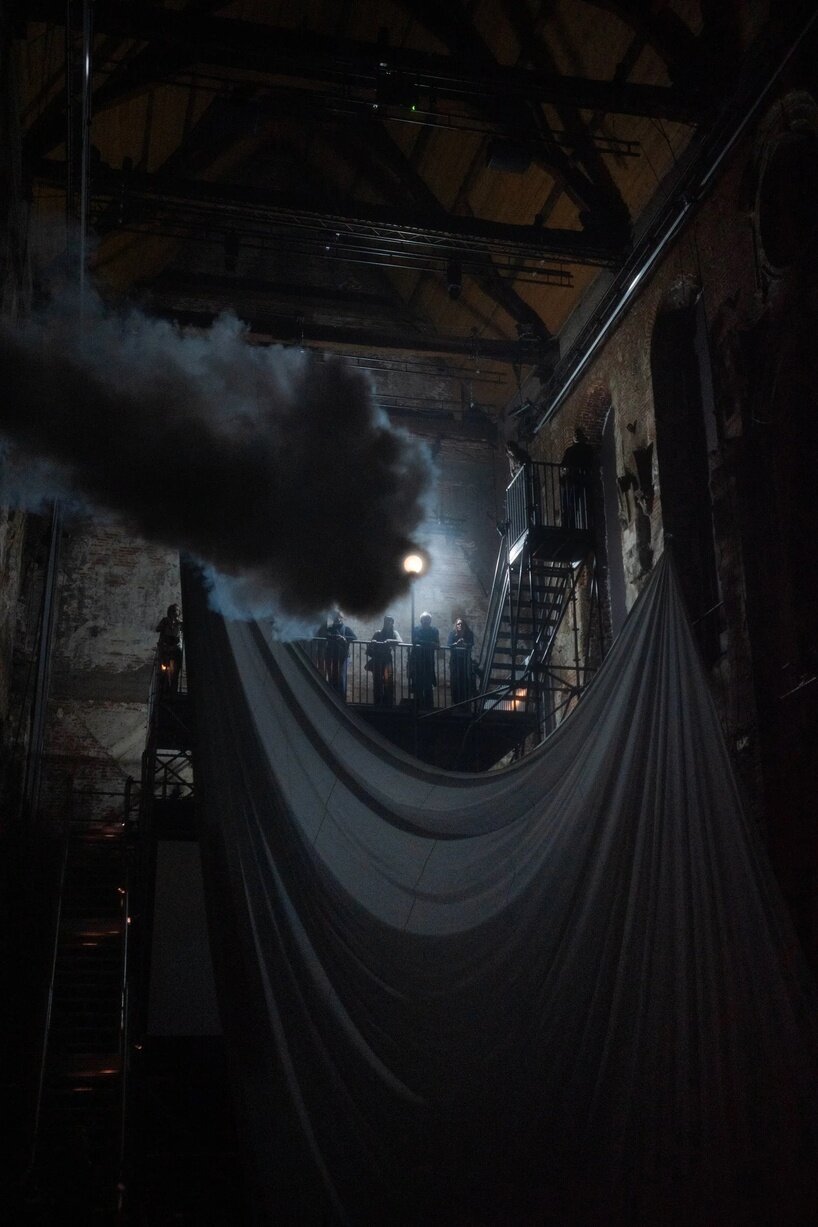
DuckUnit’s ability to merge these worlds has led to profound international collaborations. The studio recently wrapped a major large-scale installation titled A Flower of Forgetfulness for the prestigious international performing arts festival, Kunstenfestivaldesarts, in Brussels. Staged inside an atmospheric old chapel, the project brought DuckUnit into close collaboration with acclaimed Thai filmmaker Apichatpong Weerasethakul, alongside sound engineers and composers Akritchalerm Kalayanamitr and Koichi Shimizu.
The installation wove together projected video, spatial sound, dramatic light manipulation, and subtle mechanical movement into a cohesive, meditative dialogue. In the days leading up to the exhibition, the DuckUnit team was deeply immersed in fine-tuning the mechanical elements, ensuring absolute synchronization between the physical hardware and the multi-sensory digital layers of the installation.
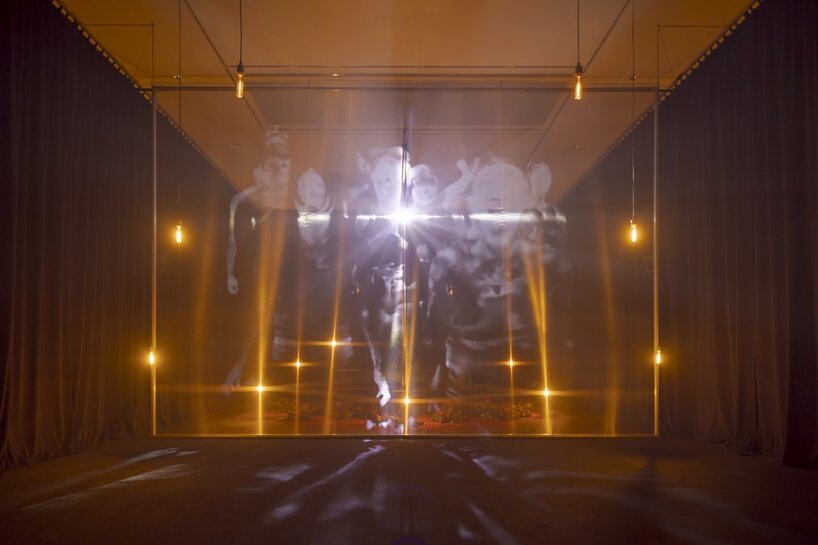
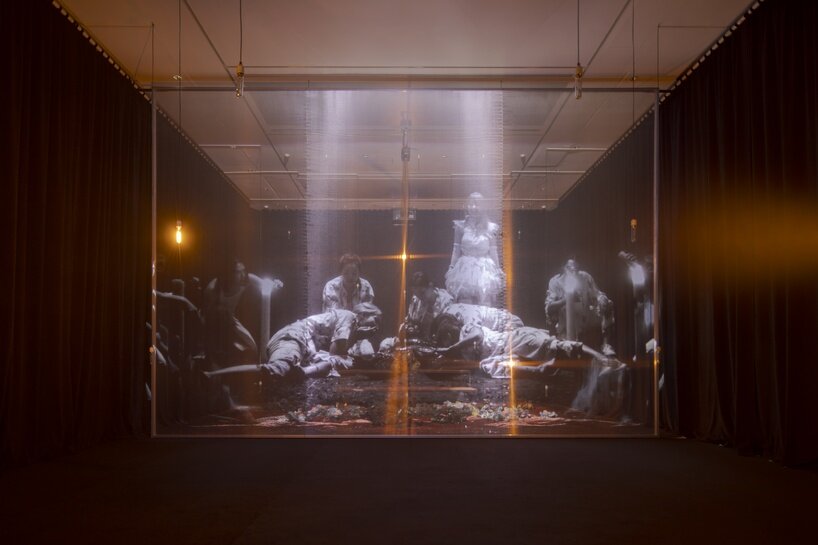
The collaborative spirit extends to other high-profile contemporary art platforms. At the 2025 Taipei Biennial, DuckUnit contributed technical mastery to artist Korakrit Arunanondchai’s compelling installation, Lover after Death. For this piece, the studio suspended a semitransparent projection screen designed to catch shifting digital imagery while allowing light to diffuse and bleed organically into the dark architectural void behind it.
The studio’s portfolio also features innovative departures from standard formats, such as the silent disco installation Embargo of Silence, where participants consume audio exclusively through individual headphones rather than traditional public address speakers, fundamentally altering their physical relationship to the communal dance floor. Other notable works include outdoor installations like Two Who Remember the Sea, created alongside Weerasethakul and artist Guo-Liang Tan, as well as the 2024 presentation of The Ring of Fire on Naoshima Island.
The Poetry of Unpredictability
At the heart of DuckUnit’s technical progression is an ongoing fascination with the behavior of raw physical elements. Whether working with fabric, smoke, industrial motors, complex projection mapping, or volatile light sources, the studio’s creative breakthrough moments often emerge from a delicate tango between human control and natural chaos.
"In many recent works we’ve used fabric, smoke, motors, projection, light, and objects we can’t fully control," Suntisuk reflects. "The new things that happen usually come from trying to control these elements and then letting them go. They tend to appear at the moment when these elements meet. Right now we’re learning how they coexist and what effect they have on each other."
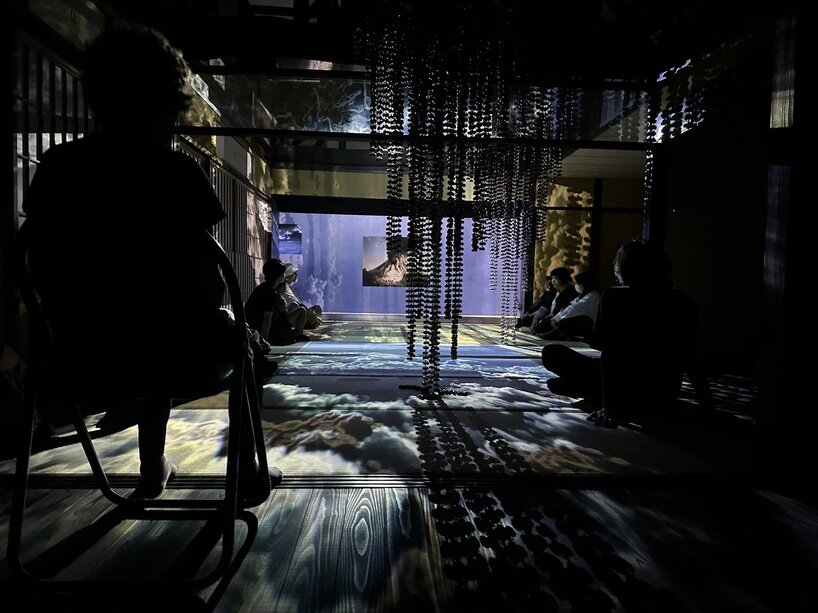
By embracing this element of unpredictability, DuckUnit avoids sterile technical perfection in favor of atmospheric resonance. Their environments do not merely serve as static backdrops for performers or artworks; they act as living, breathing ecosystems where machinery and ephemeral elements interact in real-time.
As DuckUnit continues its exploration of light, movement, and space from its base in Bangkok under the leadership of Rueangrith Suntisuk and Pornpan Arayaveerasid, the studio remains committed to probing the mechanics of human attention—transforming passive onlookers into active participants within worlds of calculated wonder.