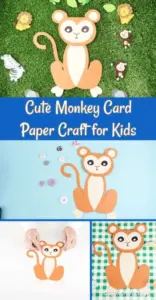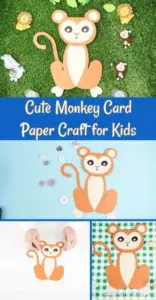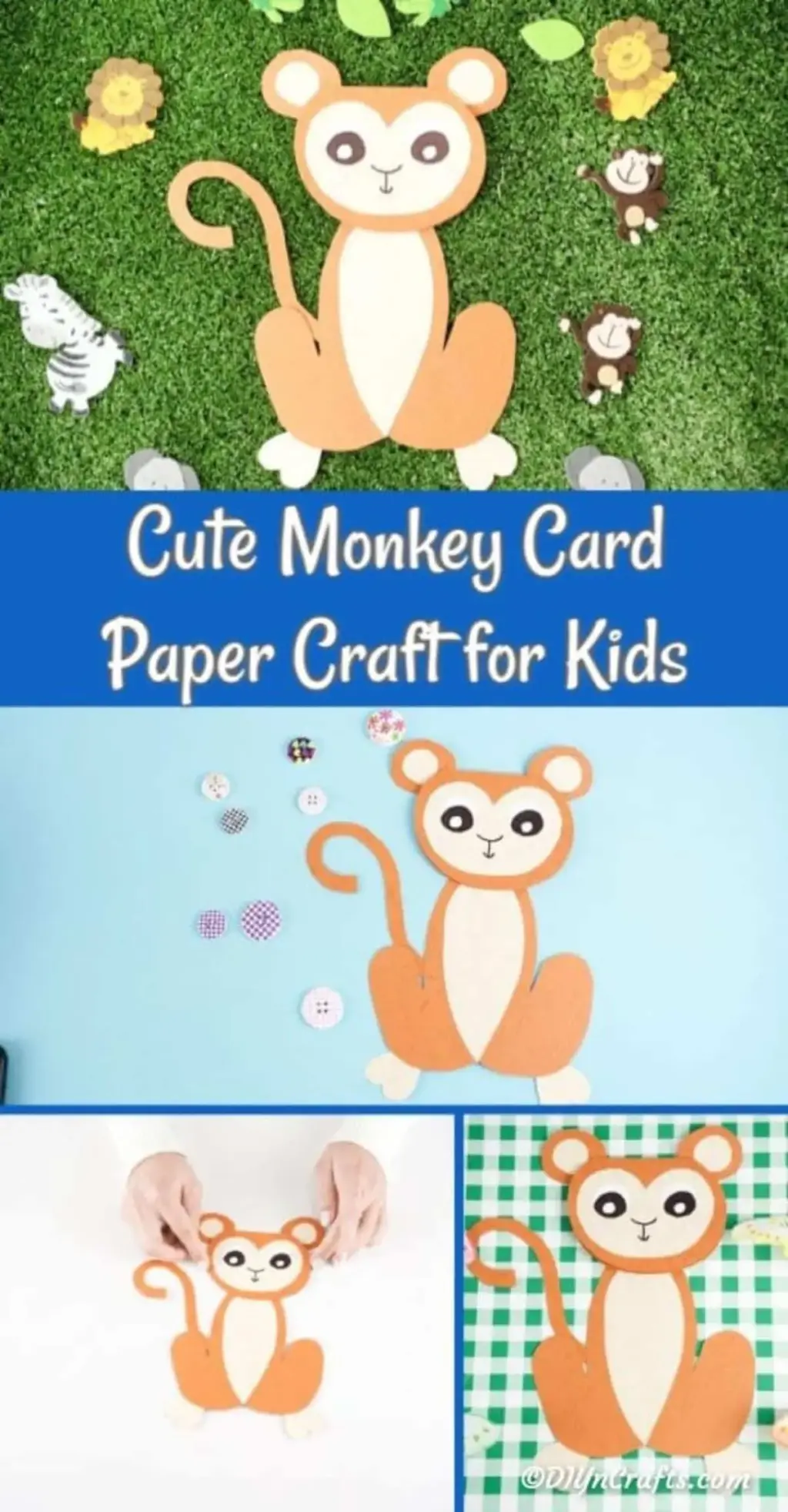
In an era increasingly dominated by digital screens and rapid-fire messaging, educators, parents, and craft enthusiasts are finding innovative ways to reintroduce children to the timeless art of handmade correspondence. A new paper craft project centered around a cheerful, interactive monkey card is gaining traction as an engaging activity designed to spark creativity while teaching youngsters the value of thoughtful communication.

The project, which requires little more than basic craft paper, scissors, and glue, offers children a hands-on way to create a functional, opening greeting card shaped like one of childhood’s most beloved animals. Proponents of traditional correspondence emphasize that making cards by hand encourages children to think outward, shifting their focus toward appreciating friends, family members, and classmates. Whether deployed for birthdays, holidays, or simple gestures of gratitude, these tactile creations add a deeply personal layer to social interactions that store-bought alternatives often lack.

Monkeys have long held a universal appeal for young children, frequently serving as a focal point of fascination during zoo trips or through stuffed companions. Integrating this favorite animal into a paper-crafting session provides an immediate hook for kids, transforming a routine lesson in manners and letter-writing into an enjoyable artistic endeavor. Advocates of early childhood crafting note that physical activities requiring cutting, folding, and pasting help develop fine motor skills while simultaneously reinforcing the social habit of sending physical notes of appreciation.

While digital greetings arrive instantly, the deliberate process of constructing a paper card teaches patience and intentionality. The monkey card project is designed to be accessible, typically requiring only about fifteen minutes of active time and costing virtually nothing in materials. By folding orange paper near the top edge before cutting out a circular shape, creators produce a double-sided figure that opens like a traditional card. From there, simple geometric shapes—such as rounded orange and cream-colored ears, an expressive facial oval, a torso with a contrasting belly, and a curving tail—are layered together using standard craft glue.

Choosing the right materials is an essential consideration for ensuring the longevity of these homemade keepsakes. Thicker cardstock or construction paper is generally recommended to provide the necessary sturdiness for a card that needs to stand up to handling and mailing. For those looking to preserve the crafts indefinitely, alternative methods such as using foam paper or running standard copy paper creations through a page laminator offer durable solutions that protect the artwork from wear and tear over the years.

Mailing handmade paper crafts through standard postal services remains entirely feasible, provided senders account for minor adjustments in weight and dimensions. Because unconventional shapes and layered elements can occasionally require extra postage or oversized envelopes, creators frequently opt for sturdy manila envelopes or hand-craft custom envelopes using decorative scrapbook paper. This attention to detail extends the creative process from the initial snip of the scissors to the final trip to the mailbox.

Beyond the monkey card itself, the broader movement toward simple paper crafts encompasses a wide array of nature-inspired projects, such as upcycled paper roll flowers, colorful paper birds, and decorative spring tulips. These activities share a common philosophy: keeping material requirements minimal while maximizing engagement and artistic expression. Whether utilizing freehand drawing, tracing stencils, or employing digital cutting tools like electronic die-cutting machines and SVG templates, crafters have access to numerous methods for achieving consistent shapes. Ultimately, these accessible artistic endeavors provide a bridge between creative play and meaningful social connection, reminding participants of all ages that the most memorable messages are often the ones crafted by hand.