When investing in a backyard outdoor structure, the longevity and stability of the final build rely heavily on one critical factor: the foundation. Experts at Outdoor Living Today have emphasized the importance of establishing a sturdy, level base to ensure that backyard structures remain structurally sound, weather-resistant, and visually appealing over many years. Whether constructed by a seasoned do-it-yourself enthusiast or a first-time homeowner tackling a weekend project, building the right base requires a clear understanding of site preparation, measurement accuracy, and material selection.
To eliminate guesswork and streamline the construction process, Outdoor Living Today has outlined a comprehensive approach to preparing the ground, laying out dimensions, and selecting the most appropriate foundation type for any given landscape. Rather than rushing into the assembly of a prefabricated shed kit, builders are advised to carefully evaluate their property and prepare the earth to prevent future shifting, settling, or moisture damage.
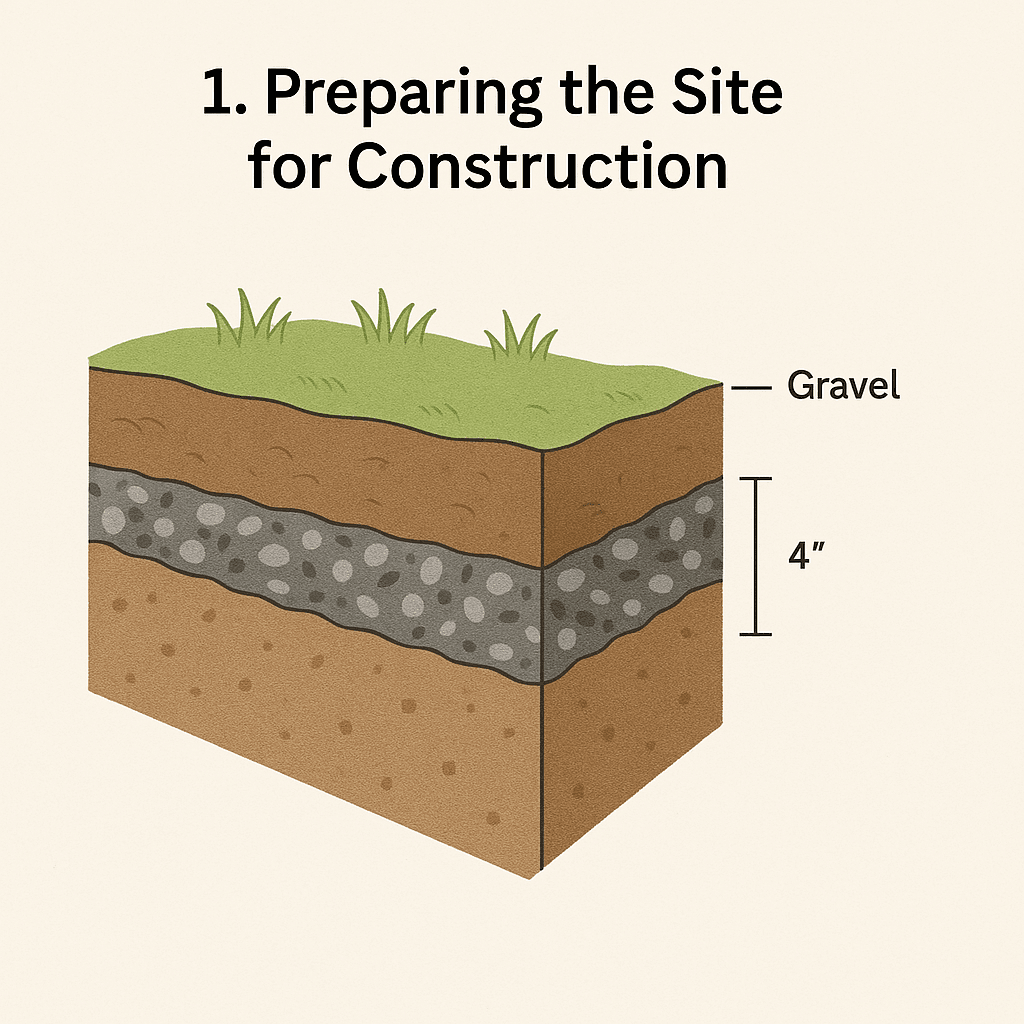
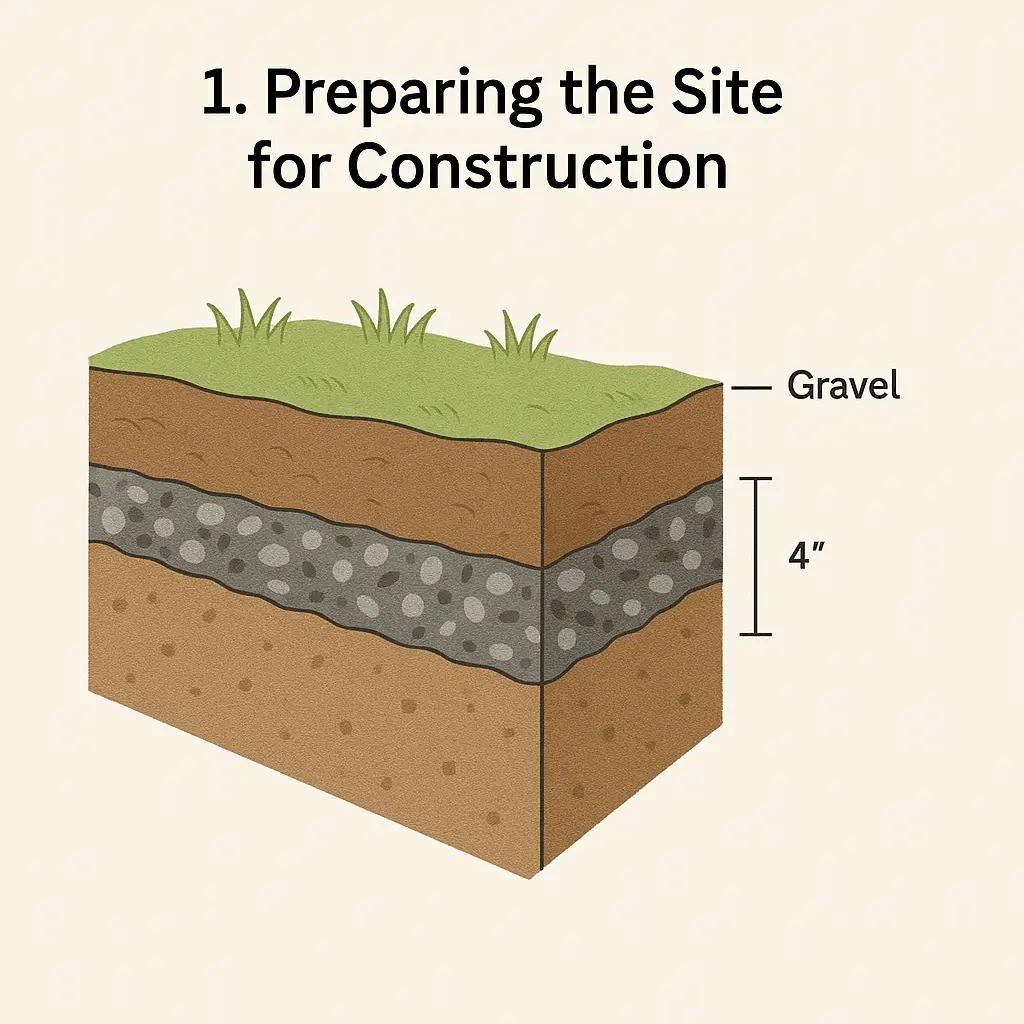
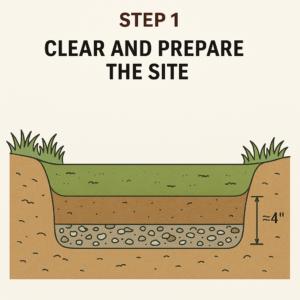
The process begins well before the delivery crates arrive on the property. Step one involves clearing and preparing the site thoroughly. Builders must remove all grass, sod, rocks, and organic debris from the designated area to create a clean, stable surface of bare earth. Once the vegetation is stripped away, grading the soil to achieve a completely level surface is vital. Uneven ground can place undue stress on the framing of an outdoor structure, leading to misaligned doors, jammed windows, and compromised structural integrity.
To safeguard the investment against long-term environmental factors, experienced builders recommend incorporating a landscape fabric beneath a layer of compacted gravel. This geotextile barrier serves a dual purpose: it suppresses persistent weed growth from pushing up through the base, and it stabilizes the underlying soil, preventing shifting and erosion caused by heavy rains or freeze-thaw cycles.
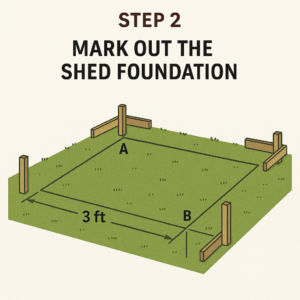
Following the initial site preparation, the second phase focuses on accurately marking out the perimeter of the shed foundation. Ensuring that the layout forms a true rectangle with precise right angles is critical for a smooth assembly process. Outlining the exact dimensions using stakes and mason’s string allows builders to visualize the footprint and verify measurements before committing to heavy materials or permanent installations. For those who encounter challenges when attempting to square the corners manually, modern digital tools can offer valuable assistance. Numerous smartphone applications and online calculators are readily available to help verify right angles simply by inputting the specific dimensions of the shed design.
Once the perimeter is accurately marked and squared, builders arrive at the third and most crucial decision: selecting the appropriate foundation type. Depending on budget, site conditions, and personal preference, Outdoor Living Today highlights three widely recommended foundation options, each offering distinct advantages for backyard structures.
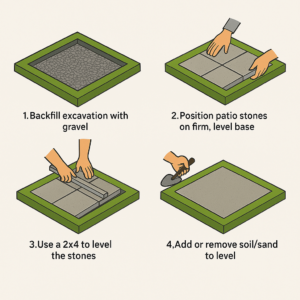
The first option is the patio stone foundation. This method involves laying a bed of crushed gravel or sand topped with interlocking concrete patio stones to form a flat, solid platform. This approach is widely favored because it is quick to install, relatively inexpensive, and forgiving enough to allow for future adjustments or relocation if necessary.
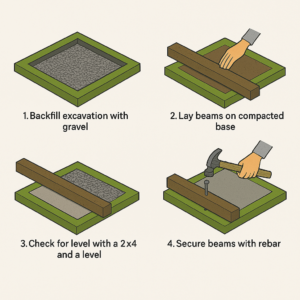
The second recommended option utilizes four-by-four pressure-treated wooden beams. In this configuration, treated lumber is laid out to create a sturdy wooden grid that elevates the structure slightly off the ground. This method provides several structural benefits, most notably leaving valuable space underneath the floor framing for adequate air circulation. Enhanced ventilation prevents moisture accumulation, which significantly reduces the risk of wood rot and extends the lifespan of the timber components.
The final and most permanent option is a poured concrete slab foundation. A concrete pad offers unbeatable durability, superior load-bearing capacity, and maximum pest resistance, making it an ideal choice for heavier structures or long-term permanence. While more labor-intensive and rigid than stone or wood alternatives, a properly cured concrete slab provides a completely flush, impenetrable barrier against ground moisture and burrowing pests.
Regardless of the foundation style selected, experts advise builders to keep several final considerations in mind before breaking ground. Environmental factors such as local frost lines, natural drainage patterns, and soil composition should always be factored into the planning stages to prevent seasonal shifting or water pooling around the base of the structure.
While general best practices provide a reliable framework for site preparation, Outdoor Living Today notes that individual product designs may feature unique engineering requirements. Homeowners are strongly encouraged to consult the specific product assembly manuals included with their kits or provided through official documentation to ensure their chosen foundation aligns perfectly with the structural demands of their specific model.