For homeowners looking to revitalize a tired interior space, painting directly over existing wallpaper can often appear to be a remarkably efficient shortcut. Bypassing the notoriously arduous, messy, and time-consuming process of stripping old paper, preparing bare plaster, and subsequently painting can save hours of labor. However, home improvement experts and interior specialists emphasize that this strategy is not a universal fix. Before picking up a roller or a paintbrush, property owners must carefully evaluate the condition of their walls, understand the underlying risks, and execute precise preparation to avoid costly and unsightly mistakes.
The decision to paint over wallpaper rather than removing it hinges fundamentally on the structural integrity of the current wall coverings. Before any cosmetic updates begin, a thorough inspection is required to determine whether the paper is sound, secure, and entirely free from rips, tears, or structural compromises. If the wallpaper is already in poor condition, attempting to coat it with paint is generally ill-advised. In such cases, professionals strongly recommend taking the time to completely strip the old paper and address the bare wall underneath to achieve a lasting, professional finish.
A primary warning sign for homeowners is peeling wallpaper. Even if the paper is not physically torn or ripped, finding multiple areas where the edges are lifting suggests that the adhesive bond beneath is failing. This failure can stem from several factors, including the use of low-quality paste during the original installation or ongoing moisture and dampness issues within the room. Painting over compromised adhesive will only accelerate the failure, as the added weight of wet primer and topcoats frequently causes the old wallpaper to buckle, bubble, and pull away from the wall entirely.
Nevertheless, minor issues do not automatically rule out painting. If peeling is strictly localized to a small, isolated area, it may be possible to salvage the situation by re-anchoring the loose paper with fresh wallpaper paste before moving forward with any painting preparations. When undertaking minor repairs, extreme care must be taken to smooth out the paper and prevent trapped air bubbles, and the repaired section must be allowed to dry completely before any further work commences.
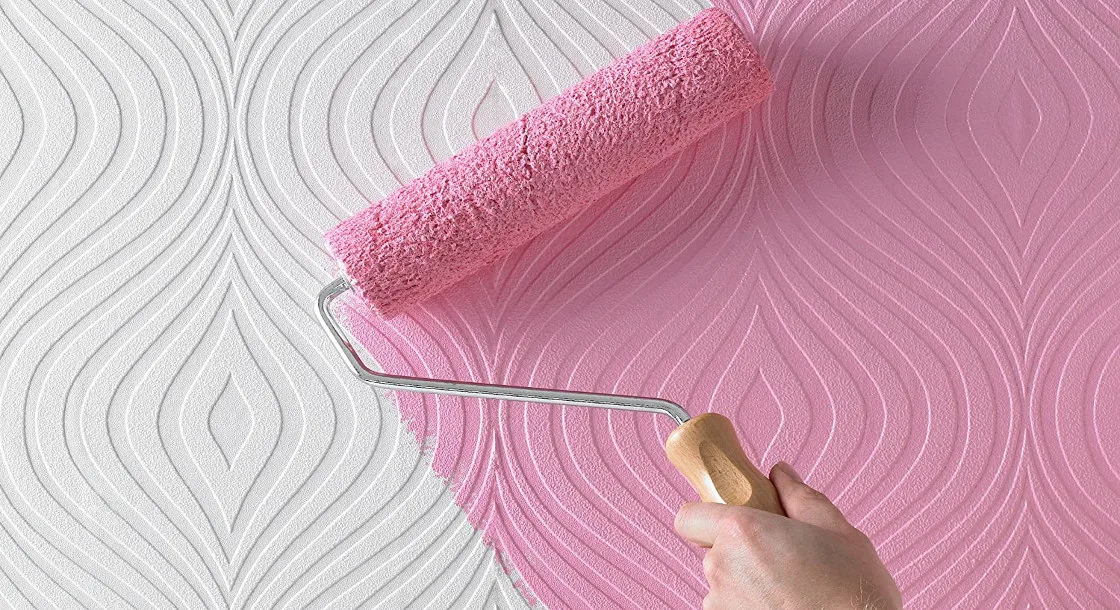
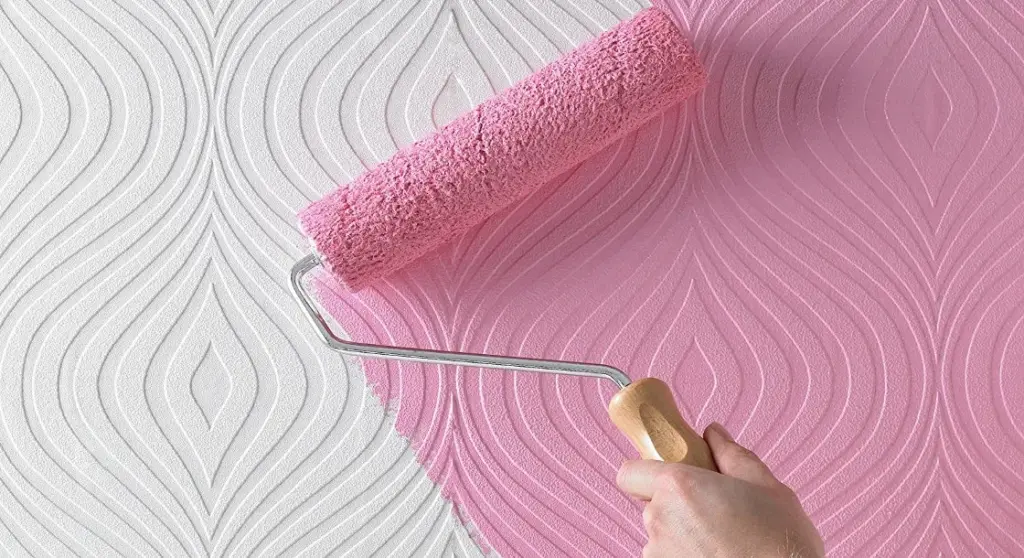
Beyond structural condition, the surface profile of the wallpaper dictates its suitability for painting. Plain, flat wallpaper provides the most straightforward canvas and generally yields the cleanest, most uniform results. However, homeowners can also paint over textured or patterned varieties, provided they are willing to accept that the underlying texture will remain clearly visible beneath the fresh coats of paint.
Preparing Wallpaper for Painting
Once an inspection confirms that the wallpaper is firmly adhered, clean, and in good overall condition, the preliminary preparation required is relatively minimal compared to a full stripping job. Still, skipping foundational steps entirely can ruin the final aesthetic. The surrounding environment must be properly set up, and trim, baseboards, and hardware should be meticulously protected with high-quality decorator’s masking tape to ensure crisp lines and prevent accidental paint splatters.
Priming Wallpaper for Painting
Even when working with light-colored or unpatterned wallpaper, applying at least one coat of primer is strongly recommended by painting professionals. A proper primer serves a dual purpose: it creates a uniform surface that helps achieve a clean, professional finish when the topcoat is applied, and it seals the underlying materials to make the final color coverage much easier.
The choice of primer is particularly critical in this context. Water-based primers can potentially penetrate too deeply through the wallpaper layers, reactivate the old paste beneath, and compromise the adhesion of the paper to the wall. To mitigate this risk, professionals recommend utilizing an oil-based primer or a specialized sealing formula designed specifically to prepare wallpaper for painting. Products such as all-in-one primer and sealer formulations offer reliable performance for these applications. Homeowners are generally advised to apply at least one, and ideally two, thorough coats of primer, ensuring each layer dries completely before progressing to the final color application.

How to Paint Over Wallpaper
Following the successful application and complete drying of the primer, homeowners can select their preferred topcoat paint color and begin transforming the space. Standard painting techniques apply, utilizing a combination of brushes for edges and corners alongside rollers for broader wall surfaces, ensuring an even and consistent distribution of color across the entire room.
Problems With Painting on Top of Wallpaper
While careful planning and meticulous preparation make painting over wallpaper a viable and efficient strategy, certain challenges can still arise during or after the process. Fortunately, most of these issues can be successfully managed or resolved with a little extra effort.
One common issue involves gaps appearing between individual strips of wallpaper. When wallpaper is originally hung, the paper can sometimes shrink slightly as the adhesive dries, leaving thin seams between the sheets. While this minor separation does not mean the overall plan to paint over the wallpaper must be abandoned, the gaps must be addressed prior to finishing the room.
Assuming the wallpaper remains structurally sound and firmly affixed to the wall, standard interior filler can be employed to bridge and conceal the gaps between the sheets. To achieve the best results, this remedial work should be executed after the primer coats have been applied. Once the filler has set completely, it must be carefully and meticulously sanded back until it is perfectly flush with the level of the surrounding paper. Because any raised filler will stand out dramatically and look unsightly once the final topcoat is applied, taking the necessary time to sand the surface smooth is essential for a professional-grade outcome.