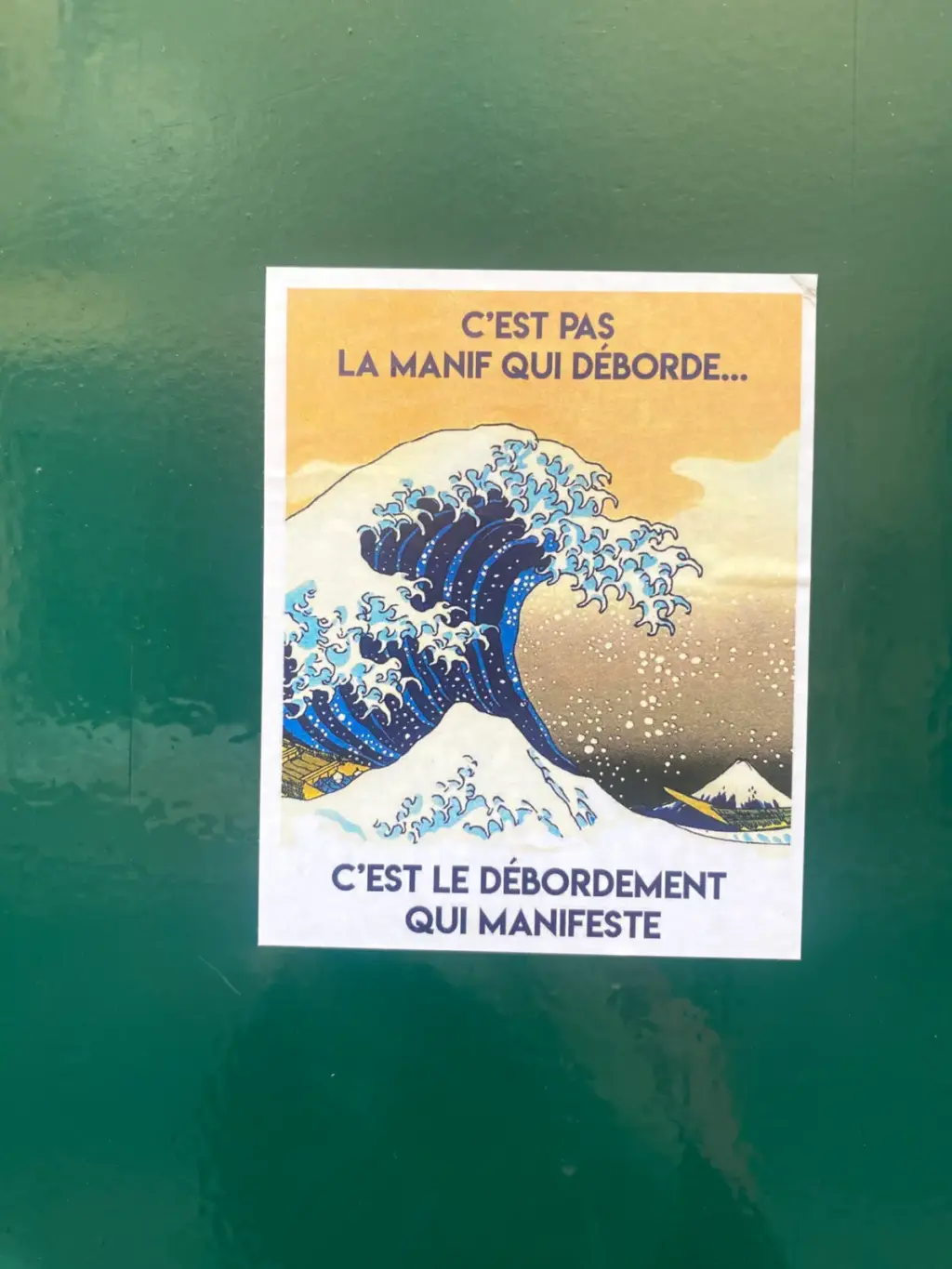
PARIS — “The people in the art world are courageous,” a collector remarked at Asia Now, the first of the major Paris art fairs to open its doors on a Monday overshadowed by heavy social unrest. “Pero still, I would like to be back at my hotel before 7 pm, you know, just in case.”
For veterans of Paris Art Week, navigating logistical anomalies, transit strikes, and unexpected disruptions has practically become an annual tradition. In 2022, the event contended with widespread transit strikes and cost-of-living marches. By October 2023, France was operating under a heightened terror alert, leading to severe airport disruptions and bomb threats that diverted international flights into the French countryside. Even so, attendees managed to piece together delayed train journeys and arrive in the capital just in time for the vernissages.
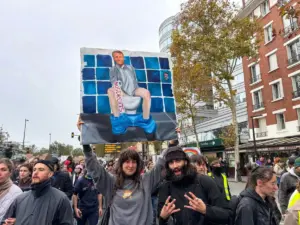
The atmosphere shifted dramatically when travelers rolled their suitcases out of the Gare du Nord station late on Saturday, October 17. Stepping into the crisp autumn air immediately meant catching the acrid scent of burning plastic, navigating past black-clad protesters fleeing police squads, and dodging active firefighting efforts directed at scattered street blazes.
Plans for a quiet, aesthetic weekend of gallery-hopping quickly unraveled for many visitors. One local resident, who had carefully planned her outfits for a weekend of exhibitions and fair openings with visiting family members, found herself trapped near Boulevard de Sébastopol as police played an intense game of cat-and-mouse with demonstrators at the edge of the Marais.
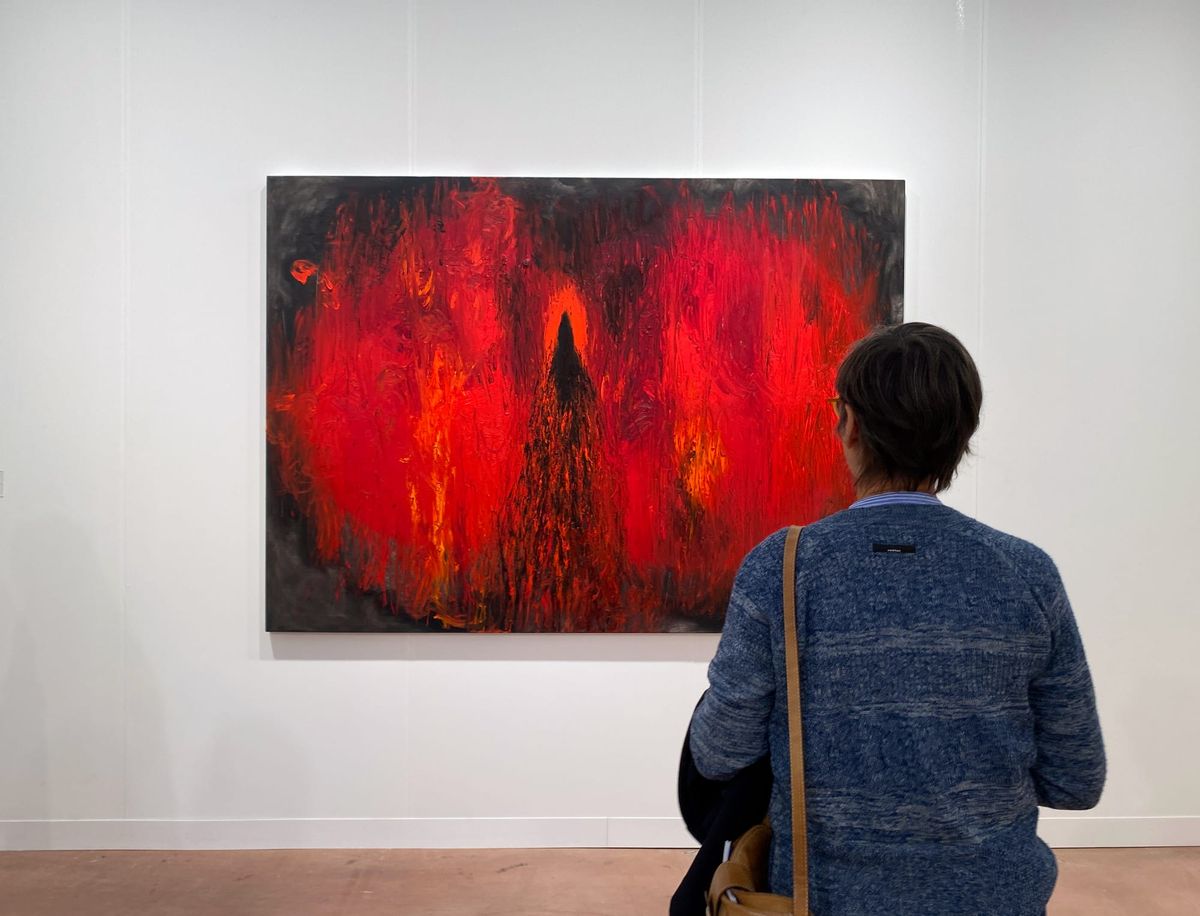
“We had to run!” she recounted. “When the police start hitting, they hit indiscriminately.” She drew comparisons to recent police crackdowns on housing-rights camps in European cities like Porto, Portugal. It was well past 11 pm before she and her family finally managed to step through their front door and lock it behind them.
The Eve of Destruction
“I think the art fairs, in this context, are rather grotesque,” observed French-Moroccan artist El Mehdi Largo, who chose to boycott the week’s commercial events entirely. “Then again, art fairs are pretty grotesque in any context.”
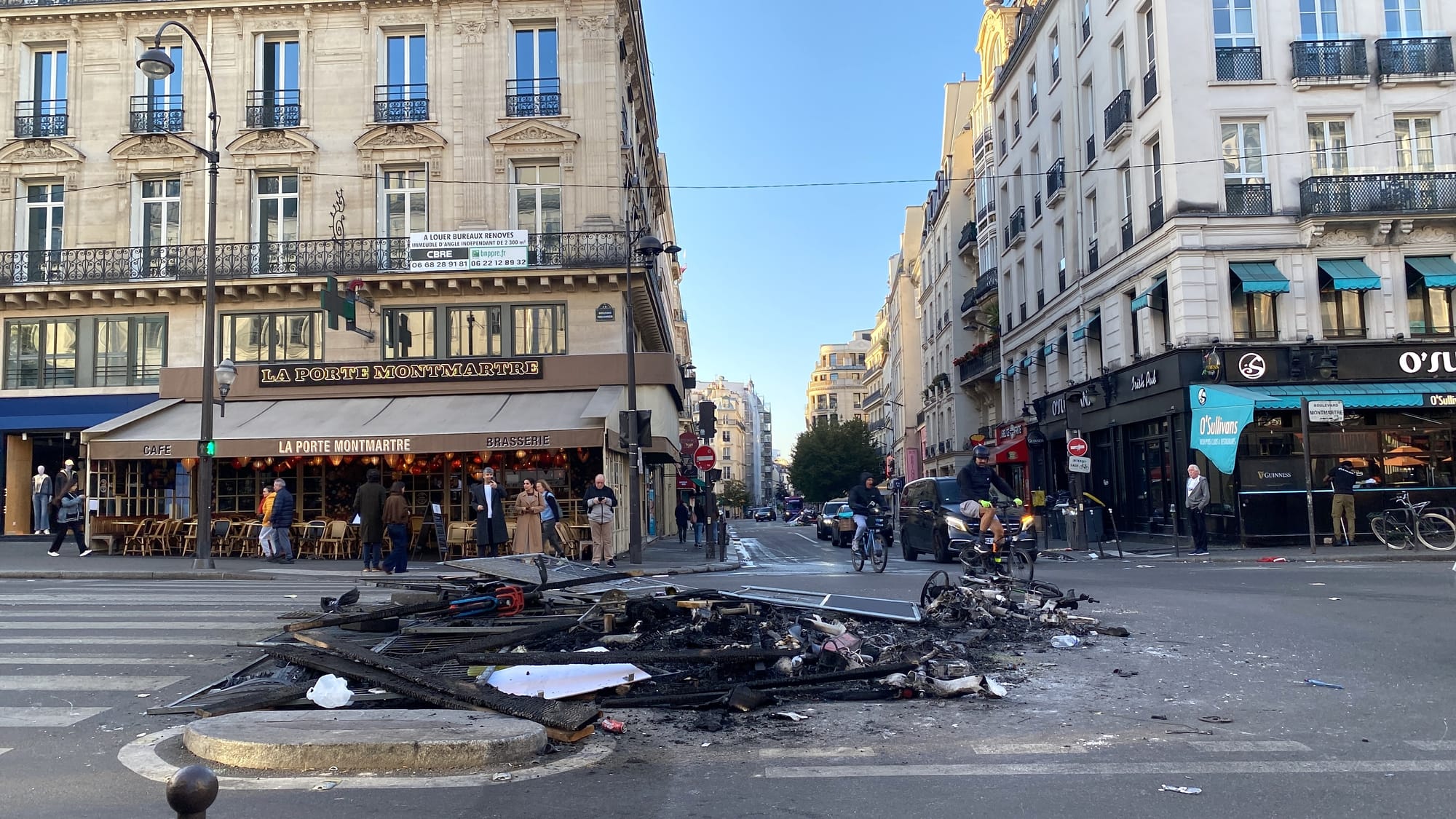
Speaking from a café on rue Poissonnière, with a direct view of shattered storefront glass and twisted clusters of burned bicycles, the urban landscape bore an eerie resemblance to the melted, charred surfaces of Alberto Burri’s Combustioni wood-combustion series. Largo noted that while high culture has historically relied on the patronage of the wealthy bourgeoisie since the Renaissance, the contemporary art market operates primarily as an engine for tax strategy and capital mobility. “For the elites, it could be art, or it could be thoroughbred horses; it won’t make any difference!”
The day following Saturday’s peak clashes left the city humming with a volatile mix of excitement, bewilderment, and disarray. Across neighborhoods, citizens recorded footage of the destruction on their smartphones. Conversations in cafés and on street corners invariably pivoted to the unfolding civil unrest, with locals exchanging incredulous updates about parallel clashes in Marseille and other French urban centers.

While small independent shops were occasionally caught in the crossfire, the vast majority of targeted windows belonged to multinational corporate symbols: Carrefour supermarkets, major banking institutions, corporate real estate agencies, luxury boutiques, and government facilities.
The looting accompanying the protests drew sharp commentary from international residents. A Lebanese art professional who relocated to Paris to escape the bombardment of Beirut—and whose daughter joined the student marches—expressed profound shock at the domestic unrest. “In Lebanon, people were so hungry, but they still have their dignity; they would never loot,” she reflected. “Here, people are really, really angry.”
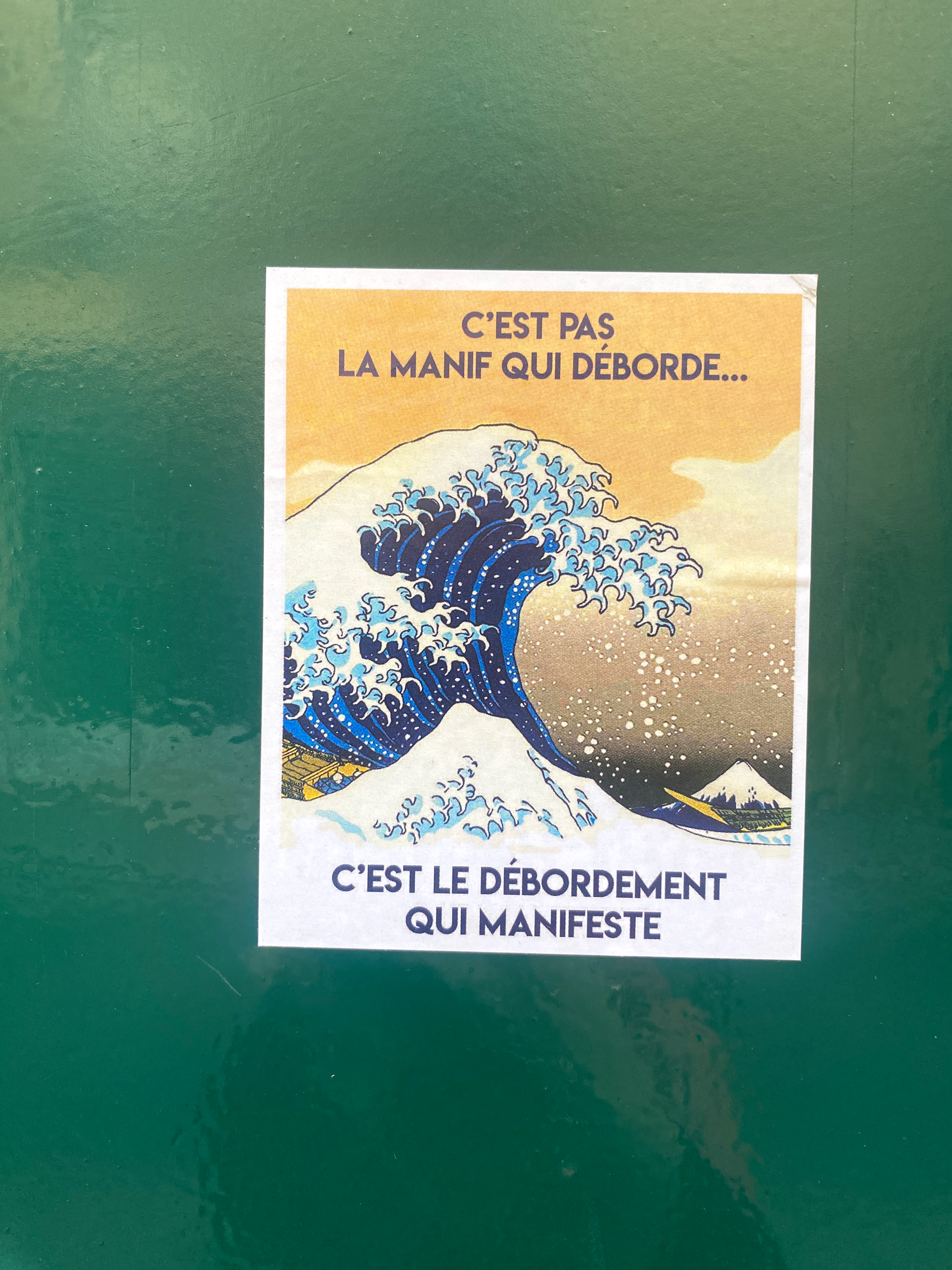
The protests manifested as a complex, decentralized force driven by divergent motivations. On a single street corner, a handwritten cardboard sign wedged among pigeon spikes quoted French philosopher Simone Weil: “Il est donné à très peu d’esprits de découvrir que les choses et les êtres existent” (“Very few minds discover that things and beings exist”). Just a few blocks away, the sentiment was far more direct: “Nique la police.”
An Italian curator spent that same Saturday shuttering her windows and installing an exhibition in the Marais that was scheduled to open the following day. “I pulled down the shutters, and it was surreal to put up the works when outside there was basically a civil war!” she recalled, describing the sound of iron doors being pounded, frantic footsteps, and tear gas seeping through the gaps. Her French partner attempted to soothe her nerves with local fatalism: “Nothing to worry about, chérie, protests are always like this here!”
Back to Business
Across the city, cultural institutions scrambled to maintain normal operations. At the Grand Palais, Art Basel Paris experienced an unexpected lockdown late Saturday afternoon as the police prefecture ordered the building secured, temporarily trapping installers and gallerists inside before reopening the following day without structural damage.
The broader cultural calendar quickly unraveled. On October 15, the French Foreign Ministry preemptively postponed a high-profile design exhibition by Thierry Lemaire and Harry Nuriev at the Quai d’Orsay, deeming the display ill-timed given the social climate. Ironically, the exhibition was titled PASSAGES. Pas sages—a French wordplay translating to “disobedient.”
By Sunday, the Jeu de Paume called off the VIP opening of its Stan Douglas exhibition. On Monday, student demonstrations at the École du Louvre blocked museum access, while evening protests forced the École des Beaux-Arts to cancel the opening of a Gina Pane retrospective.
With the interior minister publicly acknowledging that law enforcement had lost control over the weekend, the Chinese, German, and United States embassies issued security warnings advising citizens to avoid protest hubs. Authorities implemented a temporary overnight curfew stretching from 11 pm to 6 am across the Place de la République and parts of Les Halles.
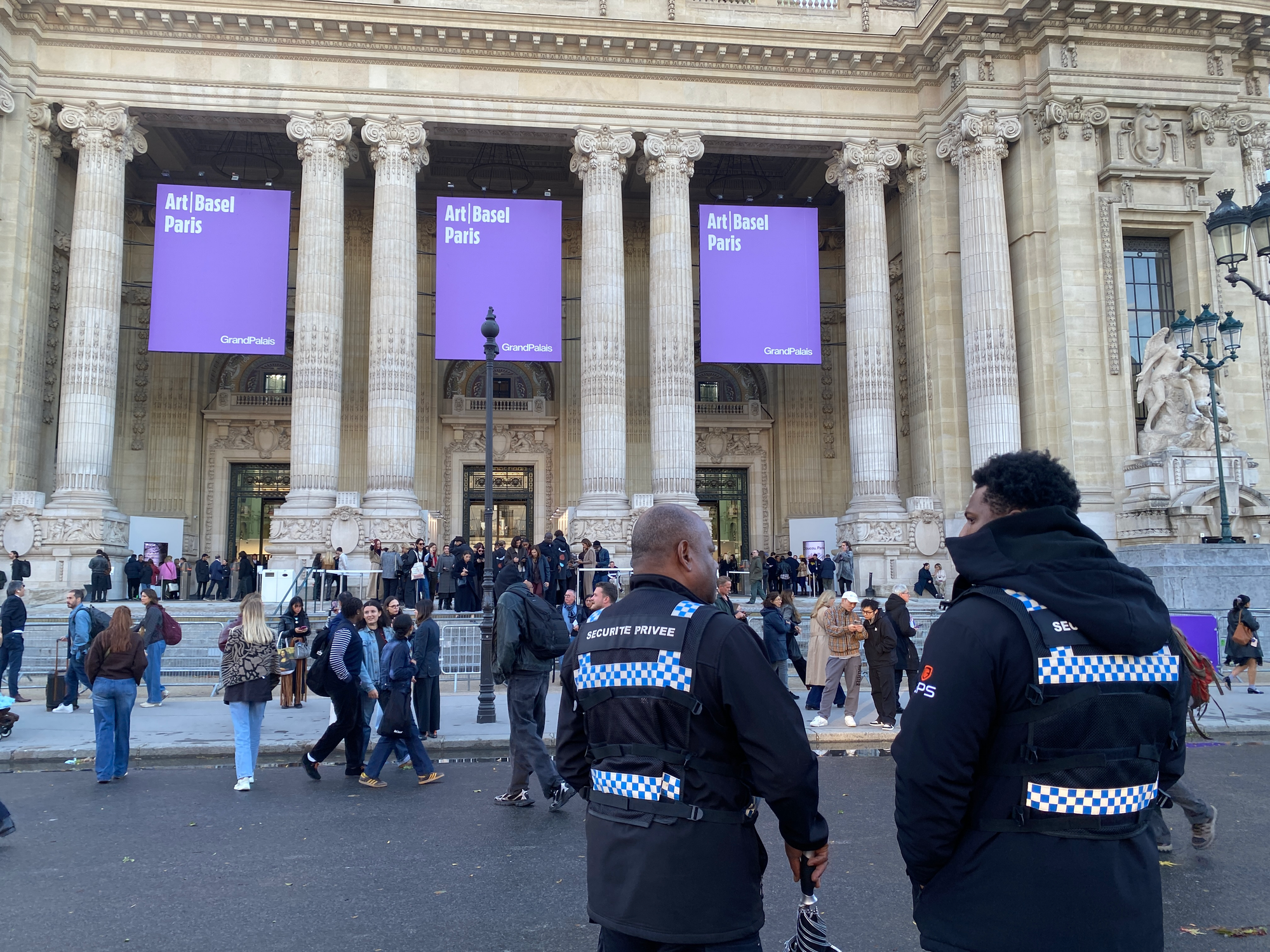
By Tuesday afternoon, however, Art Basel’s ultra-exclusive "Avant-Première" preview opened within a Grand Palais fortified by concrete anti-ram barriers and heavily patrolled by private security and police details. Inside, the market mechanisms functioned smoothly, with gallerists conducting high-value transactions as if the city outside were entirely tranquil.
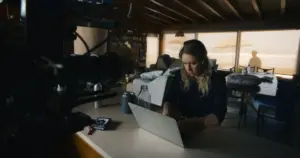
“I bet no one is talking about them!” an editor exclaimed while typing urgently in a Grand Palais corridor. “They’re too busy selling works for millions of dollars!”
By Wednesday, municipal cleaning crews had scrubbed and repaired the streets immediately surrounding the Grand Palais, which had largely escaped structural damage. The more severely impacted areas—such as Bastille and République—remained cordoned off with cleanup crews busy painting over graffiti and replacing shattered glass.
Collector Selim Bouafsoun attended the preview, acquired several works, and reported seeing little of the unrest beyond street debris. Inside the venue, he felt safe and insulated. “I come from Tunisia,” he noted. “We do not get scared by manifestations. Manifestations are a right, and we respect their rights.”
Outside, however, the fallout touched public art installations directly. Alicja Kwade’s monumental sculpture L’élévation des Mondes, a 14-foot stack of stone spheres commissioned for Avenue Winston Churchill, was dismantled and removed on Friday—ahead of its scheduled Sunday de-installation—alongside other outdoor works pulled in anticipation of weekend violence. Posting to social media, Kwade remarked, “Protest is good, but why everything has to be smashed and destroyed is beyond… It certainly doesn’t help the cause.”
An Incredible Happening
By Thursday afternoon, while visiting the Offscreen art fair hosted inside the historic Chapelle Saint-Louis de la Salpêtrière, exhibitors received official email notifications from Art Basel confirming that the fair would close its doors two days early, shutting down on Friday at 7 pm to ensure visitor safety ahead of renewed weekend demonstrations.
“In any case, the sales have already been made, so the business is done,” observed Marina Vinogradova, director of NIKA Project Space in Dubai, which represents Iraqi-Finnish artist Adel Abidin.
Sitting outside the chapel—a historic site where Paris once confined its mentally ill—interviews were routinely punctured by the roar of overhead police helicopters and wailing sirens as a convoy of police vans lined the street.
Reflecting on the juxtaposition of commercial art sales and active civil unrest, Abidin offered a nuanced perspective. “While I condemn the vandalism and the violence, I think it’s inspiring to see that people can protest and have a voice,” he said. “I wish I’d had that when I was living in Baghdad.” He rejected the notion that artistic production is inherently detached from social reality. “Art, like every other gesture, is part of something bigger. Making art, like protesting, is a way of challenging what’s happening. They’re not really opposites.”
Not everyone in the local creative community shared that idealistic outlook. El Mehdi Largo maintained a sharper critique of the art market’s relationship with political struggle.
“They instrumentalize our suffering,” Largo said. “I’m sure at the fairs you have seen plenty of works dealing with social issues. In the end, they’re only there to decorate. To decorate the conversations of the people who can afford them: ‘Look what I found, look at my sensibility.’”
He added, with a mixture of bitter irony and radical speculation: “Honestly, I’m still hopeful there’ll be some smashing. For me, it would be the ultimate art form, an incredible happening: les casseurs walking into the Grand Palais, or in any of these art temples.”
Pausing briefly, he concluded, “But then, of course, this will become the aesthetic of smashing. Damn. There is no way out, isn’t it?”