In an era increasingly dominated by screens and digital communication, educators, parents, and craft enthusiasts are finding new ways to champion the timeless tradition of handmade correspondence. A growing trend in youth crafting highlights the simple yet deeply engaging art of paper card-making, with whimsical designs like the newly popularized interactive monkey card capturing the imaginations of children and adults alike. Designed to be accessible, inexpensive, and delightfully interactive, this hands-on project offers young crafters a meaningful way to connect with friends and family while developing essential fine motor skills and a genuine appreciation for thoughtful, personalized communication.

The appeal of monkey-themed crafts is hardly a secret to anyone who has spent time around young children. Whether through visits to local wildlife exhibits, beloved storybooks, or favorite plush toys, monkeys consistently rank among the most popular animals for early childhood development themes. Incorporating this beloved motif into a greeting card format bridges the gap between playtime and practical life skills. Supporters of traditional hand-written correspondence note that encouraging children to create their own cards for birthdays, holidays, and expressions of gratitude helps foster empathy, thoughtfulness, and an early understanding of social bonds. By taking the time to physically construct a card rather than purchasing a mass-produced alternative, children learn the value of personal investment in relationships.

Crafting experts emphasize that the project requires very few materials, keeping costs minimal while maximizing creative expression. The primary supplies consist of basic crafting essentials: colored paper, safety scissors, and standard household glue. To ensure the durability of the final product, experienced crafters recommend selecting heavier paper stocks, such as thick cardstock or traditional construction paper. Standard copy paper, while flexible, often lacks the structural integrity needed to withstand handling or mailing. For those seeking enhanced durability, alternative methods such as utilizing craft foam or running standard paper cutouts through a basic page laminator can protect the keepsake for years to come.

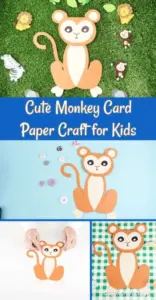
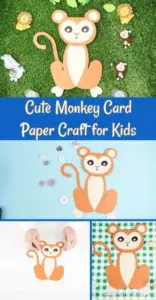
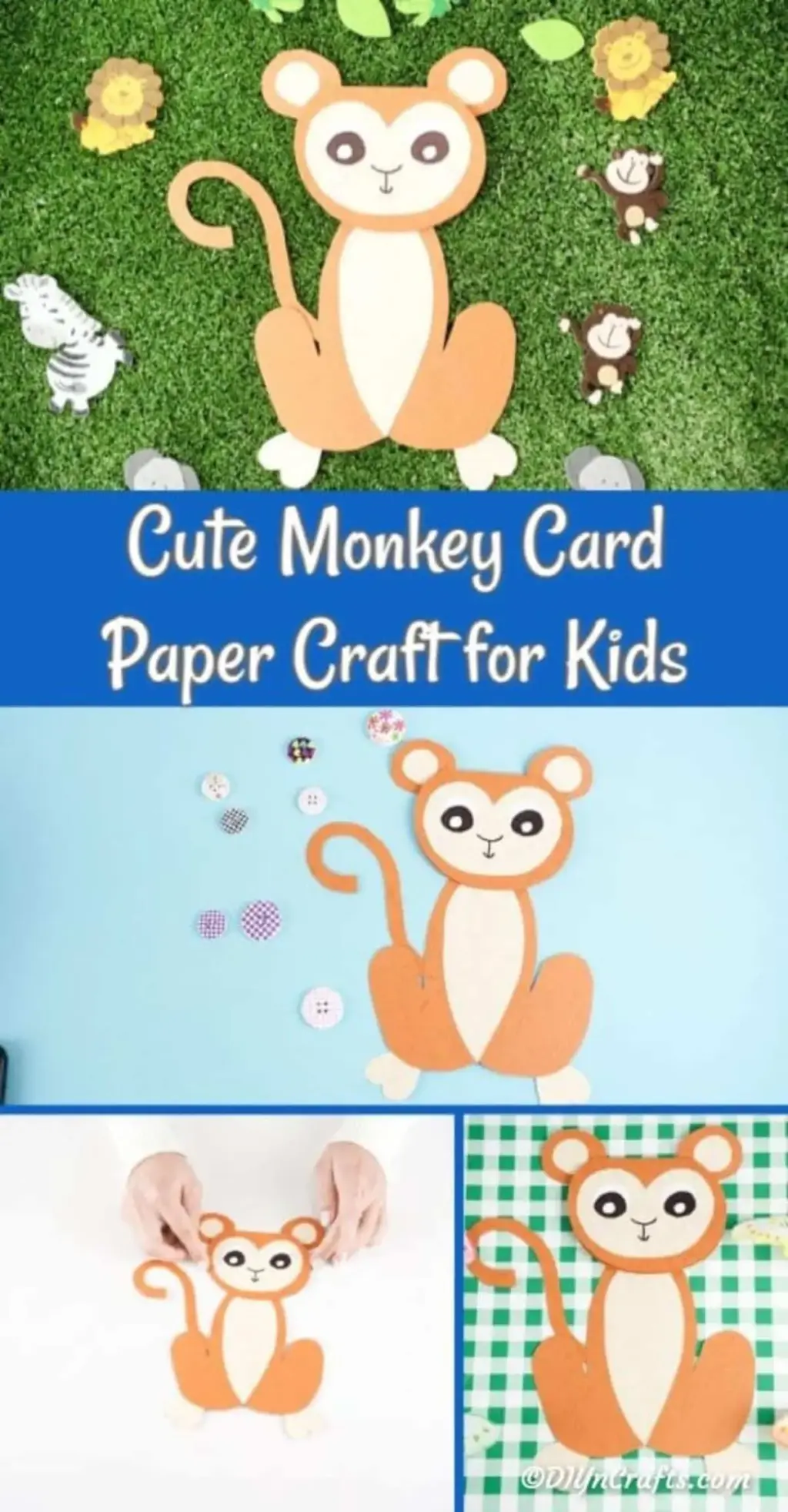
The project itself is designed to be streamlined and approachable, requiring approximately fifteen minutes of active time and costing around one dollar per card. The construction process begins by folding a piece of orange craft paper and carefully cutting out a circular shape along the folded edge, which naturally establishes the opening mechanism for the card. Additional features, including rounded ears layered with contrasting cream-colored paper, are cut and secured to the upper portion of the head. A distinct facial region, complete with hand-drawn eyes, a nose, and a mouth rendered in black marker, gives the monkey its characteristic expression. Completing the design involves attaching a long oval-shaped body featuring a contrasting belly, a curved tail affixed to the back, and a heartfelt personal message written on the interior fold.

For children or supervisors who find freehand drawing challenging, various adaptation methods can streamline the process. Utilizing existing stencils, tracing shapes from coloring books, or employing digital cutting tools such as a Cricut machine paired with downloadable SVG templates can provide precise outlines. These methods ensure that crafters of all skill levels can achieve a polished result without frustration. Furthermore, the completed cards can be scaled in size to fit standard mailing envelopes, or paired with oversized manila envelopes for those wishing to send their creations through the United States Postal Service. While postage rates and thickness must be taken into account for mailed items, the option to deliver these paper creations through traditional mail services ensures that distant relatives can share in the joy of a child’s artistic efforts.

Beyond the monkey card itself, the broader movement encourages continuous engagement in paper crafting and upcycling projects among youth. Related activities, such as crafting decorative paper tulips, assembling paper roll flowers, or creating animal-themed paper plate projects, share a similar philosophy of accessible, low-cost creativity. These initiatives collectively reinforce the idea that meaningful art does not require expensive materials or complex instructions. Instead, they highlight the enduring charm of simple scissors, glue, and colorful paper, inspiring a new generation to keep the tradition of handmade communication alive and well.