For homeowners seeking a fresh aesthetic without the labor-intensive ordeal of stripping old wall coverings, painting directly over wallpaper has long emerged as an appealing, time-saving shortcut. Bypassing the grueling process of scraping paper, soaking adhesives, and preparing raw plaster can dramatically cut down project timelines. However, industry professionals and interior renovation experts emphasize that this technique is far from a universal fix. Achieving a seamless, professional finish requires careful preliminary assessment, diligent surface preparation, and an understanding of the distinct challenges that can emerge when coating paper with paint.
The viability of painting over wallpaper hinges entirely on the structural integrity of the existing installation. Before committing to a color scheme or purchasing supplies, decorators must thoroughly inspect the walls to ensure the wallpaper is in sound condition, securely adhered, and completely free from significant rips or tears. When wall coverings are severely damaged, worn, or buckling, attempting to paint over them is generally discouraged. In such cases, the underlying instability will inevitably compromise the new coat, making a complete removal and subsequent preparation of the bare wall the more prudent long-term choice.
Peeling wallpaper presents a particularly clear warning sign for decorators. If the paper is lifting in multiple areas, it strongly indicates that the original adhesive has failed. This degradation can stem from a variety of factors, ranging from the use of low-quality paste during the initial application to moisture infiltration and dampness within the room. While localized peeling confined to a small, isolated spot can sometimes be successfully remedied by re-anchoring the loose edge with fresh paste—provided the area is smoothed carefully to eliminate air bubbles and allowed to dry completely—widespread lifting makes painting an impractical solution.
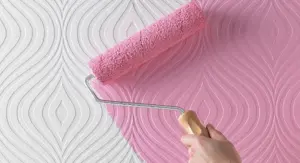
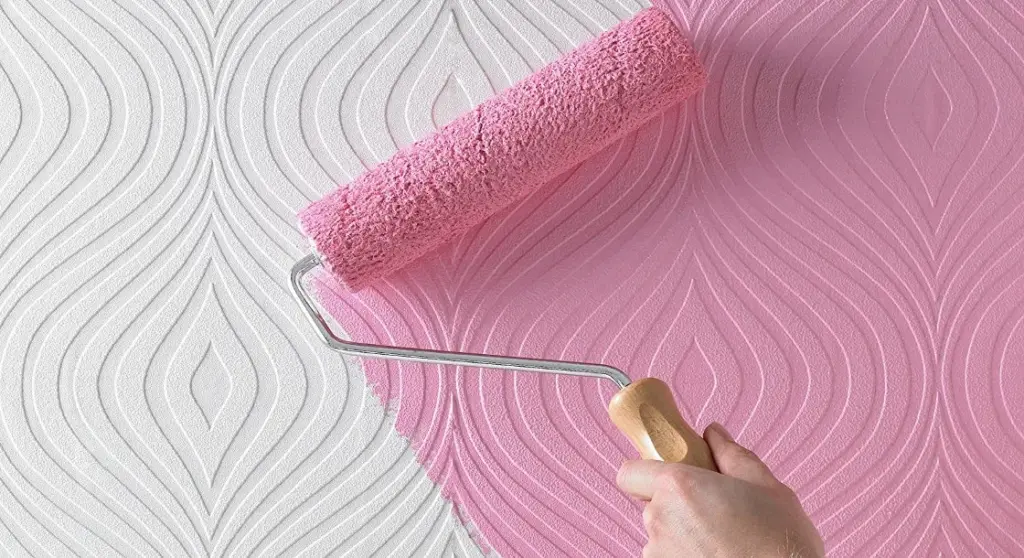
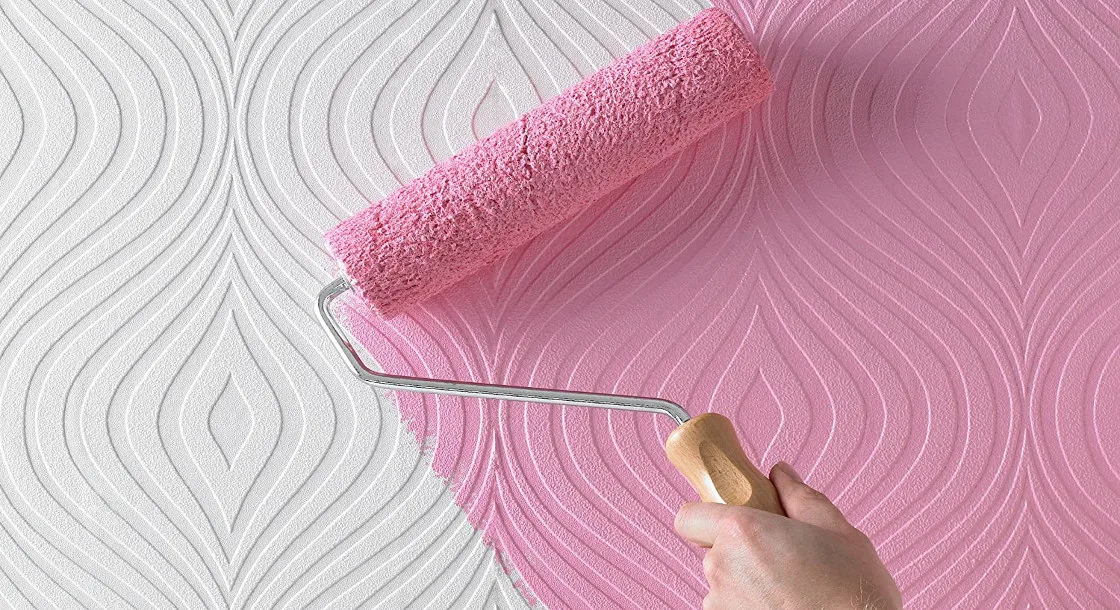
Beyond structural condition, the surface pattern and texture of the wallpaper dictate the final visual outcome. Plain, flat wallpapers provide the most receptive canvas for a new coat of paint. Nevertheless, textured and patterned varieties can also be painted over successfully, provided the homeowner is comfortable with the underlying relief remaining visible through the fresh layers.
Preparing Wallpaper for Painting
Once an inspection confirms that the wallpaper is firmly attached and structurally sound, the necessary preparation phase for painting is relatively straightforward. Ensuring the surface is clean, dust-free, and stable sets the foundation for a successful transformation, allowing subsequent coats to adhere evenly without interference from accumulated household grime or residual oils.
Priming Wallpaper for Painting
Even when dealing with light-coloured or unpatterned wallpaper, applying at least one coat of primer is strongly recommended by painting professionals. A quality primer helps create a uniform, clean surface for the topcoat, effectively sealing the wallpaper and making the underlying design much easier to mask and cover.
A critical technical consideration during this phase involves the choice of primer formulation. Water-based primers can penetrate too deeply into the paper, softening the material and potentially dissolving or compromising the underlying wallpaper paste. To avoid these complications, experts generally recommend utilizing an oil-based primer when coating wallpapered surfaces. Products such as specialized all-in-one primers and sealers provide the necessary barrier to protect the underlying adhesive while establishing an optimal bond for future layers. Applying one to two coats, followed by adequate drying time, ensures the wall is properly stabilized before any color is introduced.
How to Paint Over Wallpaper
With the priming stage successfully completed and thoroughly dried, decorators can proceed to select their desired topcoat paint color and begin applying the finish to the prepared walls. The process mirrors standard interior painting techniques, requiring careful attention to edges, corners, and overall coverage to achieve an even, professional appearance.

Problems With Painting on Top of Wallpaper
While meticulous planning and preparation make painting over wallpaper a viable strategy for a swift room revamp, certain complications can occasionally arise. Fortunately, most of these issues can be successfully managed or avoided with a modest amount of corrective work.
Gaps Between Wallpaper Strips
Under ideal circumstances, wallpaper is installed with tightly abutted seams. However, as wallpaper dries following its initial application, natural shrinkage can occasionally occur, leaving subtle, thin gaps between adjacent strips. While this minor separation does not inherently ruin a painting project, it must be addressed prior to finishing the walls to maintain a polished look.
Assuming the surrounding wallpaper remains firmly affixed and structurally sound, standard wall filler can be employed to bridge and conceal the gaps between sheets. Industry best practices dictate that this remedial step should be undertaken after the primer coats have been applied and allowed to cure. Once the filler has set fully, it must be meticulously sanded back until it is perfectly flush with the level of the surrounding paper. Because any raised filler will stand out starkly once painted over, dedicating sufficient time and care to the sanding process is essential for achieving a smooth, uniform final result.