The subway car rattles, shakes, and screeches as it tunnels passengers from Brooklyn to Manhattan underneath the East River. Inside the noisy, swaying carriage, commuters hold tightly to metal poles while their eyes drift toward advertisements, including a prominent display for the enduring Broadway musical Les Misérables. Above ground, a very different kind of drama is playing out across international headlines, capturing the uneasy intersection of global civil unrest, economic disparity, and the contemporary art market.
Student Protests in Paris
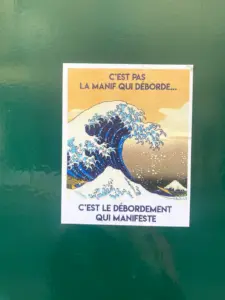
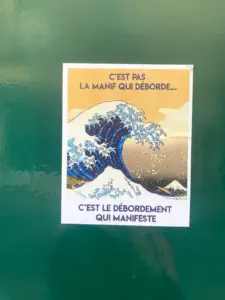
Recent social media feeds have been dominated by harrowing footage of looting and vandalism in France, painting a volatile and violent picture of what are largely peaceful student-led demonstrations. The optics of civil unrest have sent immediate shockwaves through the upper echelons of the international art market. Panicking in the face of urban disruption, the art world’s blue-chip class swiftly shut down Art Basel Paris early, prompting dealers, collectors, and gallerists to flee the French capital. Concurrently, the Louvre closed its doors to safeguard its priceless cultural treasures. As observers note of the systemic double standards governing wealth and punishment: loot a little and the state throws you in jail; loot a lot, and they let you open a museum.
This stark economic stratification was further underscored at a high-society benefit dinner for an art residency held inside a repurposed, cavernous former bank. A charismatic auctioneer coaxed the cultural elite to open their hearts and wallets, raising paddles as a digital donation ticker on a towering screen climbed to astronomical sums. Attendees sipped drinks and admired the building’s monumental stained-glass skylight. Near a decorative golden clock that had long since stopped ticking, an inscription carved in marble letters read: "It’s what we save rather than what we earn that ensures a competence for the future."
Outside in Midtown Manhattan, the city pulsed with restless energy beneath hyper-saturated neon lights. A neighborhood bodega window advertised that the Powerball jackpot had swelled to an eye-watering $650 million, prompting daydreams about sudden, transformative wealth and the fantasy of stepping onto the other side of the auction block to amass a serious art collection—purely, of course, to support working artists. Later, at a local coffee shop, a barista attempted unsuccessfully on her phone to secure a ticket for a sold-out biographical film chronicling white-collar criminal Elizabeth Holmes, who has paradoxically ascended to a strange form of cultural icon status among the petite bourgeoisie.

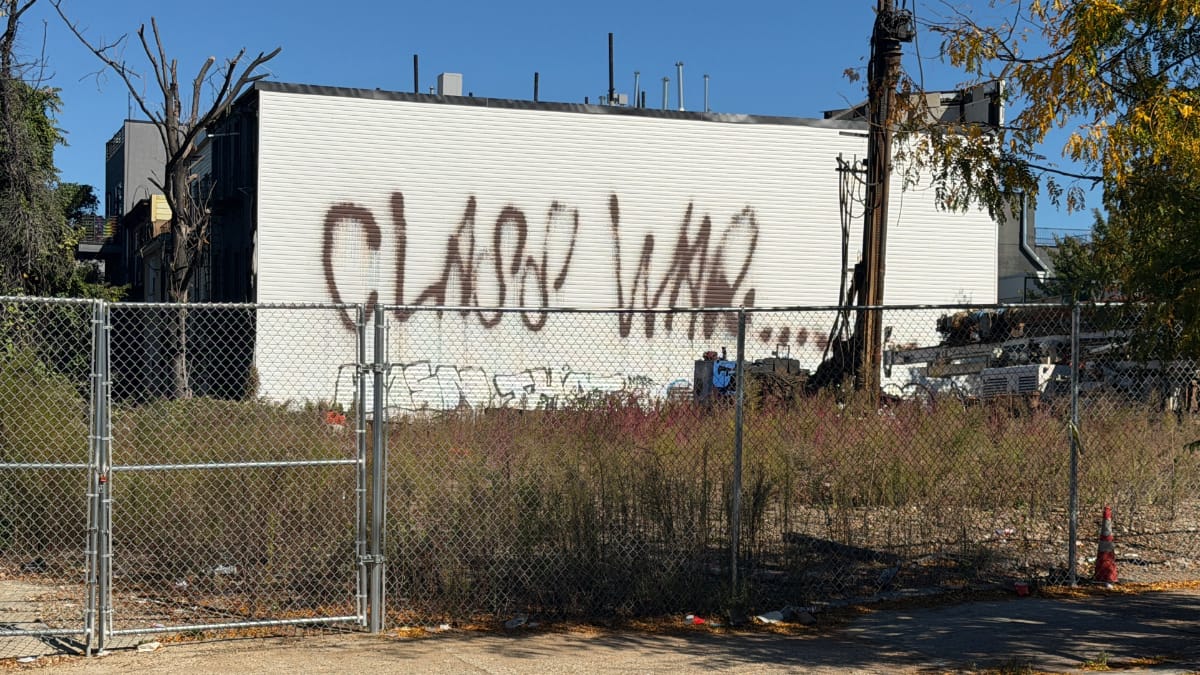
Returning underground for the evening commute, a subway rider became immersed in an essay exploring Kazimir Malevich’s avant-garde concept of the "White Abyss," becoming so engrossed that they missed their stop by several stations and added an hour to the journey home. Emerging in an economically depressed neighborhood, the stark reality of urban neglect was impossible to ignore: someone had spray-painted "Class War" in bold letters across a residential building. With every local establishment shuttered for the night save for a lone gas station convenience store, the stark divides of modern urban life came into sharp focus.
Dear Art World, We Can Tell When You’re Using AI
While physical galleries and streets grapple with social unrest and economic divides, the digital and administrative side of the cultural sector faces its own existential crisis: the creeping ubiquity of artificial intelligence in art writing.
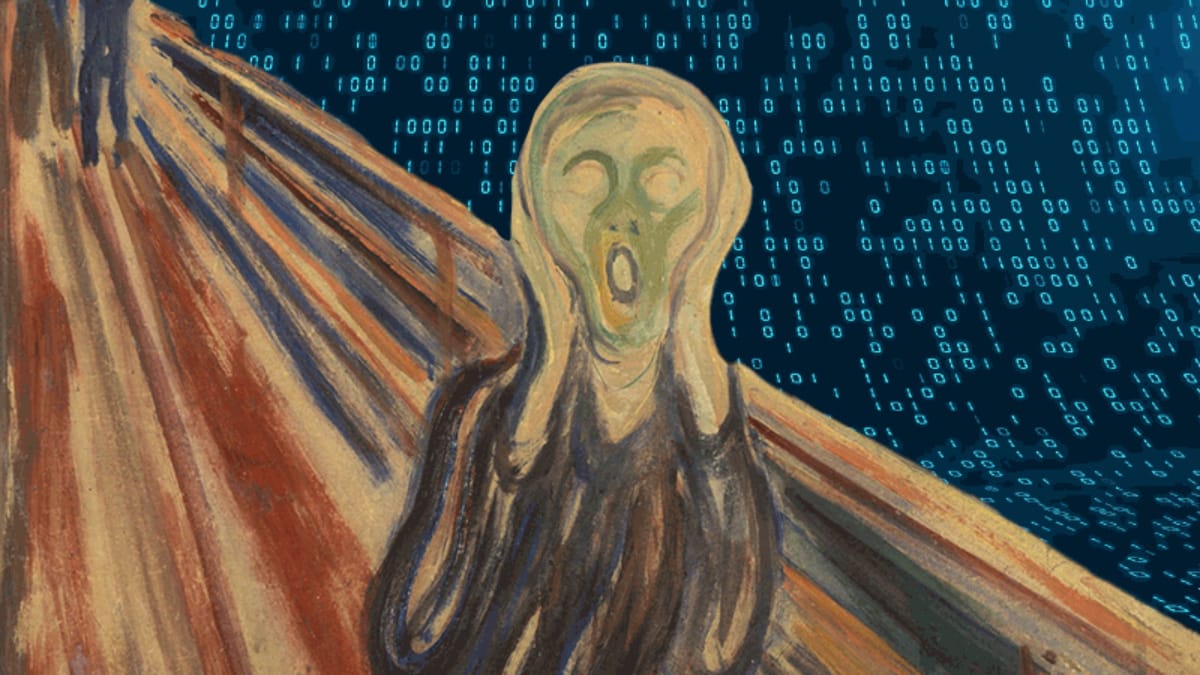
Wall labels, press releases, and artist statements have increasingly become battlegrounds for authenticity. To demonstrate the problem, critics point to an introductory paragraph generated by an AI tool when prompted to write an opening against automated writing in the arts: "Wall labels. Press releases. Artist statements. In today’s fast-paced art world, the written word stands at a crucial crossroads — and the stakes have never been higher. But here’s the thing: It’s not just about convenience. It’s about authenticity. Because the way we express ourselves matters."
For many in the cultural community, reading such passages triggers an immediate aversion to generative text. Observers recognize the signature uncanny cadence immediately: language that is overconfident in style yet entirely hollow in substance, functioning much like a generic motivational post on LinkedIn that offers initial relatability but leaves the reader devoid of genuine intellectual nourishment. Critics argue that as the art world rushes to embrace technological convenience, it risks sacrificing the nuanced, human voice that gives cultural criticism and promotion its true value.
Features and Perspectives
The friction between traditional institutions and contemporary reinterpretation continues to animate critical discourse. Among the most notable recent explorations is the work of Los Angeles-based photographer Smiles Meyer, who is actively queering traditional religious iconography, specifically The Last Supper. Raised within a strict, conservative Catholic environment, Meyer utilizes photography to reclaim the divinity of queer and trans identities through sacred visual frameworks, bridging personal history with broader cultural critique.
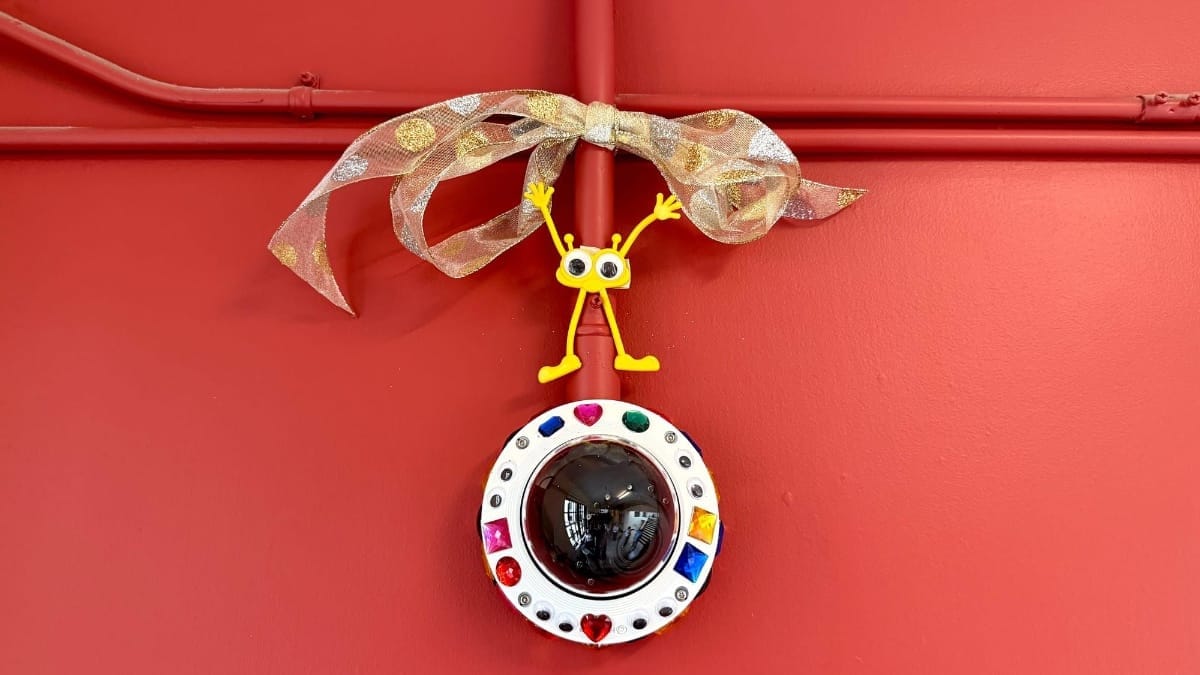
In the realm of public intervention and security aesthetics, an MIT professor has drawn widespread attention by bedazzling campus security cameras. The glittering artistic intervention serves as a provocative visual commentary on the pervasive nature of institutional surveillance in contemporary academic spaces, forcing viewers to confront the mechanisms of observation embedded in their daily routines.
Critics have also turned their analytical lens toward artists like Cannupa Hanska Luger, whose powerful, multimedia explorations continue to dismantle and interrogate the foundational myths and realities of American history. Through projects that frequently incorporate traditional materials alongside contemporary critique, Luger’s work confronts audiences with hard truths about indigenous history, environmental stewardship, and cultural memory.
Interviews and Legacy
Amid the ongoing exhibitions and critical debates, the art community recently paused to reflect on the passing of Peter Nagy, an influential artist, writer, and gallerist who profoundly shaped two distinct art scenes across his career. Nagy’s impact spanned decades and continents, leaving an indelible mark on both the American and international contemporary art landscapes through his pioneering curatorial vision and steadfast support for boundary-pushing artistic practices.
Further highlighting the historical depth of the visual arts, upcoming market events such as Swann Galleries’ print sale offer a comprehensive look at the breadth of printmaking traditions. The auction showcases rare impressions by early masters like Albrecht Dürer and Rembrandt van Rijn alongside pioneering modern visionaries including Maurits C. Escher and Marc Chagall, reminding collectors of the enduring power of works on paper across centuries.